
Schweden eSIM
Fixed data plansReliable data for your Sweden trip


Europe
Stockholm, island escapes and Swedish Lapland
Sweden uses SEK, not the euro. Many businesses are cashless; keep a backup payment card.
English is widely used in visitor services; availability varies by location.
Stockholm is a practical base for museums, islands and onward rail journeys.
Use 112 for emergencies. Keep your accommodation address and activity location available.
Check device voltage compatibility; a plug adapter does not convert voltage.
June–August suits cities and coast; northern winter and aurora activities depend on darkness and local conditions.
Sweden combines island cities, forest and lake country, west-coast seafood, medieval streets and Arctic landscapes. Stockholm is an easy starting point, but the country rewards choosing a region and a season before building your route. Summer suits city walks, archipelago boats and Gotland; winter opens a different trip around snow, northern lights and guided experiences in Swedish Lapland.
Allow three or four nights for Stockholm's waterfront neighbourhoods, Gamla Stan and Djurgården museums. Explore the cobbled lanes and squares of Gamla Stan, then leave time for the Vasa Museum, where the preserved seventeenth-century ship is the main attraction. Check the museum's current visitor guidance, including admission and luggage restrictions, before arrival. Museum visits are useful anchors for rainy or cold days.
For a day outside the centre, choose an archipelago island or Drottningholm Palace. The palace is in Ekerö municipality, outside central Stockholm; check transport, opening dates and which buildings your ticket includes. Island travel needs its own timetable: confirm the jetty, ticket rules and return sailing rather than assuming every excursion boat is included in a city pass.
Gothenburg is a relaxed two- or three-night stop for canals, Haga cafés, seafood and the nearby archipelago. Choose one or two islands for a day rather than trying to cover the whole coast. Styrsö and other southern islands are reached through the local transport network, with routes and services varying by island and season. Use Gothenburg's official archipelago guide to plan the trip. Families may also want Liseberg, whose opening calendar, admission and ride rules should be checked for the actual date.

Malmö combines old squares and cafés with a modern waterfront and views of Turning Torso. Nearby Lund makes a convenient rail day trip, with its cathedral and university-town streets. In the Stockholm region, Uppsala offers a different university-city stop with a riverside centre and landmark cathedral. These are active places of worship: access, tours and sightseeing areas may change around services and concerts.
Visby is a medieval walled town on the Baltic island of Gotland. Stay two or three nights for the old streets, ruins and coastal walks, allowing longer if you want to explore elsewhere on the island. Book accommodation alongside your flight or Gotland ferry; peak summer and event periods can fill early. A day in Visby is not the same as seeing all of Gotland, and onward island travel needs planning.
Kiruna is a northern transport gateway, while Abisko is a separate mountain village and national-park base. Jukkasjärvi, home to ICEHOTEL, is another distinct stop rather than a district of Kiruna. Check current addresses and pickup points in Kiruna because of the city's relocation. In Luleå, combine the modern coastal city with nearby Gammelstad Church Town, whose historic wooden cottages are outside the city centre.
For ICEHOTEL, distinguish a day visit from an overnight stay and activity bookings. The year-round ice-art experience and seasonal winter hotel have different opening arrangements, and designs change. Check official tickets and opening information for your dates.
| Season | Good trip focus | What to plan around |
|---|---|---|
| March–May | City breaks and, earlier in the period, northern winter activities | Spring arrives at different times; southern thaw and northern snow can overlap |
| June–August | Islands, coast, cities, lakes and summer trails | Bright nights, seasonal boats, insects and busy holiday periods |
| September–November | Autumn colours, museums and northern aurora trips | Shortening daylight, changing trail conditions and reduced seasonal services |
| December–February | Northern snow experiences, skiing and winter city visits | Cold, limited daylight and peak winter bookings; southern snow is less dependable |
Northern Lights opportunities in Swedish Lapland are generally strongest during the dark season, roughly September to March. Clear skies and aurora activity must align, so no sighting is guaranteed. Allow several nights if aurora viewing matters to the trip. The midnight sun occurs in the far north in summer; southern Sweden has long bright evenings without the same continuous sun.

Sweden is long from north to south. Luleå, Kiruna and Abisko should not be added as casual day trips to a southern city itinerary. Check the actual journeys before booking a multi-region route.
Trains are useful between major cities, with night trains on selected northern routes. Compare the actual date and operator through SJ and other relevant rail providers; engineering work and seasonal changes can affect departures. A sleeper train still needs an onward plan from the station to your hotel or activity base.
Stockholm's SL network covers many local journeys, but airport services and archipelago boats have specific ticket conditions. Waxholmsbolaget operates public archipelago services; check the route and return sailing. Public boats and private sightseeing cruises have different arrangements. For Gothenburg, check the local Västtrafik journey planner. For Malmö and Lund, check Skånetrafiken and the ticket conditions for any cross-border journey.
A car can help with rural accommodation, lakes and less frequent public transport. It is often unnecessary for the main city route. Check Trafikverket traffic information for disruptions and road conditions. Leave time for winter weather and remote transfers.
The current-weather block uses Stockholm as its reference. It does not describe conditions in Abisko or every coastal and inland region. Use SMHI forecasts and warnings for each base. Pack layers and a waterproof outer shell throughout the year; summer trips benefit from insect repellent and an eye mask, while northern winter trips need thermal layers, insulated boots, mittens and a warm hat.
In Abisko, check park guidance and seasonal services before choosing a route. Some facilities close during quieter transition periods. Match the outing to the weather, daylight and your experience, and use a local guide where appropriate. Frozen water is not automatically safe to walk on.
Sweden's right of public access comes with responsibilities and exceptions. Respect private homes, wildlife, local restrictions, park rules and fire bans. Choose Sámi experiences offered by local hosts and follow their guidance on culture, photography and reindeer areas.
Sweden uses the Swedish krona (SEK), not the euro. Card payments are common and many venues are cashless, so bring a backup card and confirm that your payment method works abroad. Fika—a pause for coffee and something to eat—is an easy way to build a slower break into sightseeing days. Swedish is the main language; English is widely used in visitor services.
Emergency assistance is reached on 112. Check passport, visa and entry rules for your nationality using Swedish Police guidance. Confirm current opening dates, booking conditions and accessibility with individual venues, especially for historic streets, churches, boat boarding and winter activities.
Sweden uses Type C and F plugs with a 230 V, 50 Hz supply. Bring an appropriate plug adapter if your plugs differ. Check each device's input label: a plug adapter does not convert voltage. Carry a power bank for long outings and keep batteries warm during cold-weather trips.
Compare the Sweden fixed-data eSIM with the Sweden Unlimited Data eSIM. For a multi-country trip, compare the Europe fixed-data plan and Europe unlimited plan, checking the selected plan's current country list before purchase.
As a planning estimate, 5–10 GB can suit a week of maps, messaging and browsing; video, uploads and hotspot use can need much more. Read the allowance, validity, activation and hotspot terms. Unlimited plans can have a daily high-speed allowance followed by reduced speeds. Confirm that your phone is eSIM-compatible and network-unlocked, follow installation instructions and save them offline. Download maps before remote trips: coverage varies by terrain and location.
Four or five days suits Stockholm and a nearby outing. Seven to fourteen days gives more room for two or three regions, with travel time included.
Yes, with enough time for the flight or night train and onward transfers. A week can work with one northern base; avoid packing several remote stops into a short stay.
No. There is a year-round ice-art experience, while the seasonal hotel and activities have their own calendar. Check which parts your visit includes.
Usually not for major cities. A car or booked transfer can help with rural stays and remote northern activities.
Sweden uses SEK. Plan around a suitable card and check venue payment rules rather than relying on euro cash.
Match data volume and validity to your usage. Compare daily high-speed and hotspot terms for heavier use, and verify all countries on a regional itinerary.
Last reviewed: 19 October 2026. Transport schedules, entry rules, opening arrangements and plan details can change. Check official sources and current product terms before booking.
Get mobile data for your Sweden trip with a local or region-wide eSIM.
Reliable data for your Sweden trip

Unlimited data, no daily limits


TravelFi editorial destination ratings.
TravelFi editorial planning score, not an official rating. Stockholm, Gothenburg and southern university towns support varied city itineraries.
TravelFi editorial planning score, not an official rating. Forests, lakes, coast and Arctic landscapes reward regional and seasonal planning.
TravelFi editorial planning score, not an official rating. Northern winter experiences need suitable clothing, bookings and weather flexibility.
TravelFi editorial planning score, not an official rating. Museums, islands and seasonal attractions offer varied options; check activity restrictions.
TravelFi editorial planning score, not an official rating. Good major-city rail and local networks; rural and northern last-mile journeys need planning.
230 V · 50 Hz
Two round pins. Usually ungrounded.
Two round pins with side grounding contacts. Often called the Schuko plug.
GroundedSweden uses Type C and F connections. Bring a suitable adapter if your plug differs, and check each device's input label.
A plug adapter does not convert voltage. Equipment must support Sweden's 230 V, 50 Hz supply.
Forecast location: Stockholm
Stockholm's weather is a reference for the capital, not a forecast for all Sweden. The west coast, Baltic islands and northern mountains have different wind, precipitation, temperature and daylight patterns.
Loading current weather…
Places to include in your Sweden itinerary.
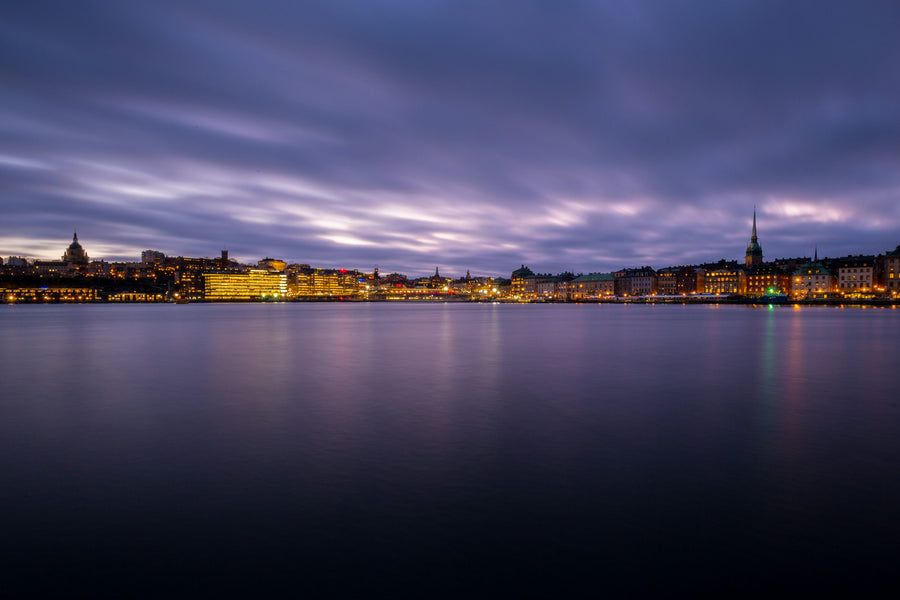
Sweden's island capital combines Gamla Stan, museums, waterfronts and archipelago excursions.
Suggested stay: 3–4 nights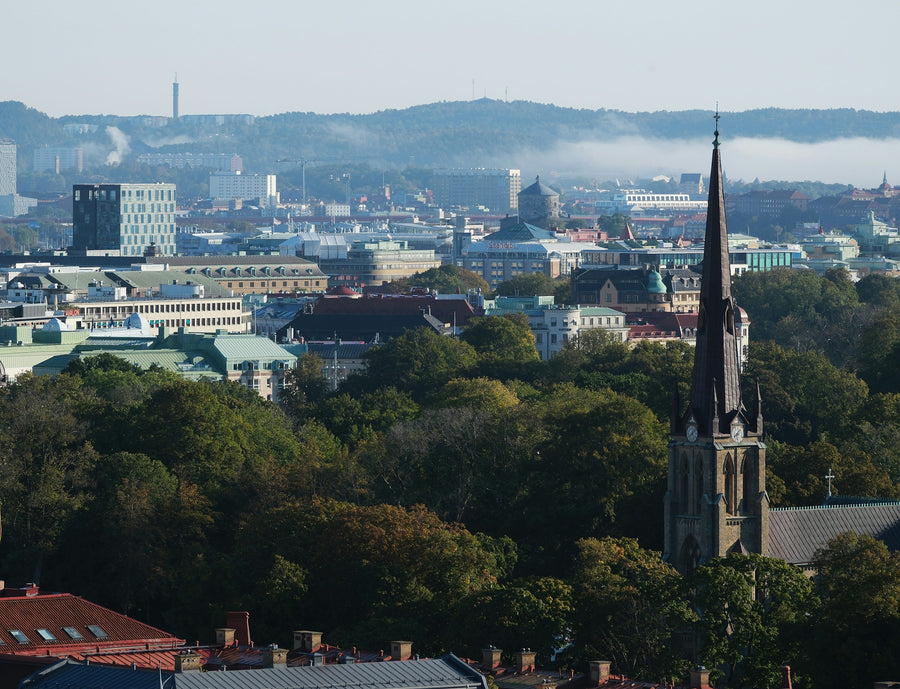
West-coast city for canals, seafood, Haga, Liseberg and archipelago trips.
Suggested stay: 2–3 nights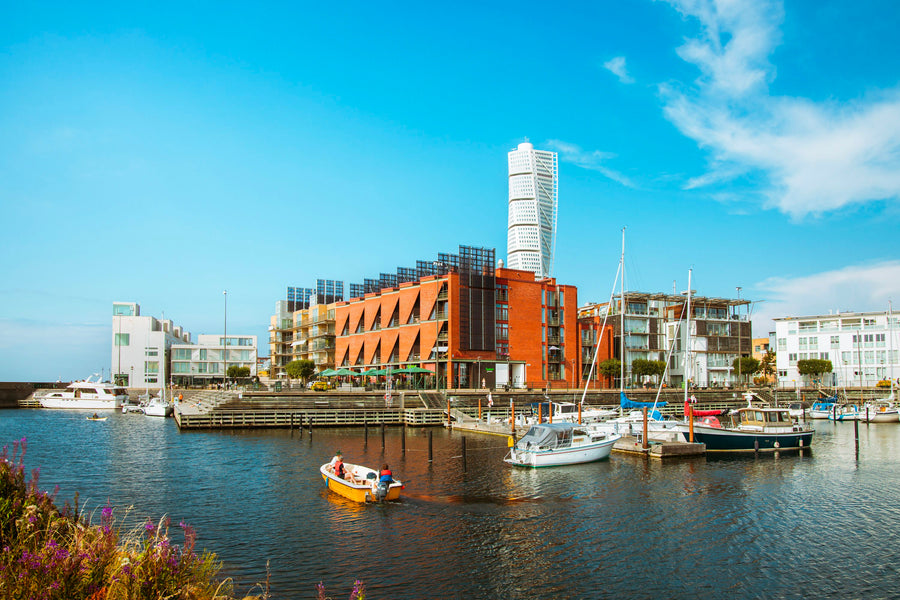
Southern city with old squares, contemporary waterfront architecture and links to Lund and Copenhagen.
Suggested stay: 1–2 nights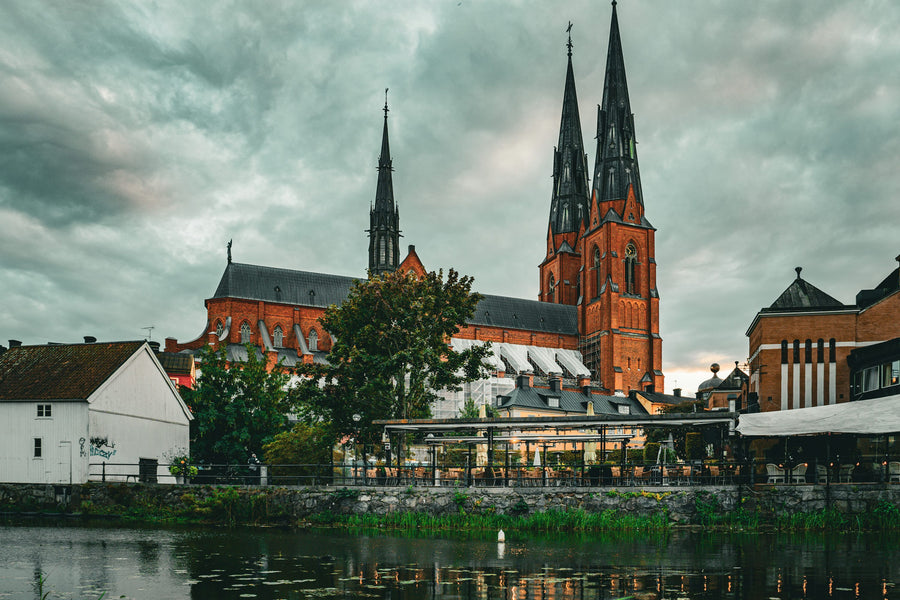
University city north of Stockholm with a riverside centre and landmark cathedral.
Suggested stay: Day trip or 1 night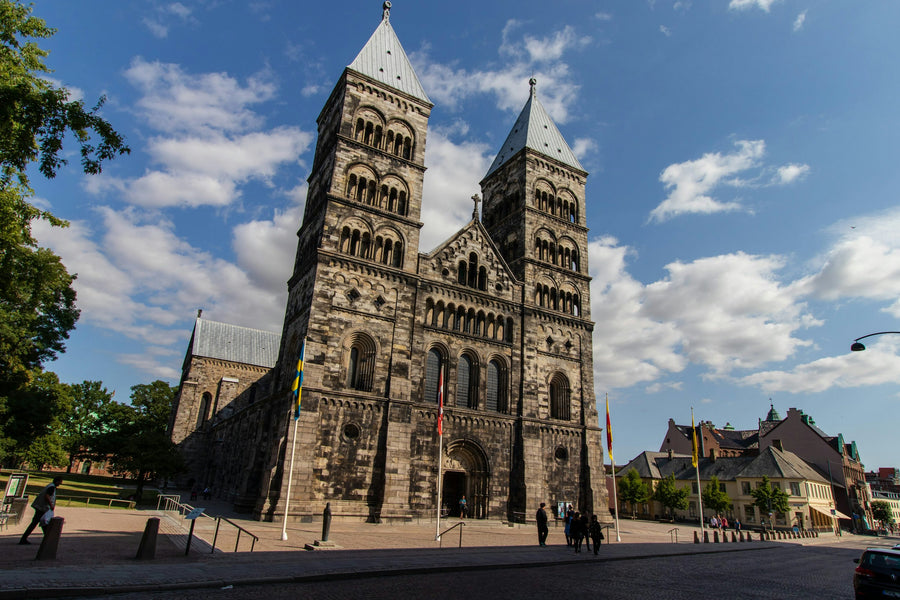
Compact university city with medieval streets, cathedral and gardens.
Suggested stay: Day trip or 1 night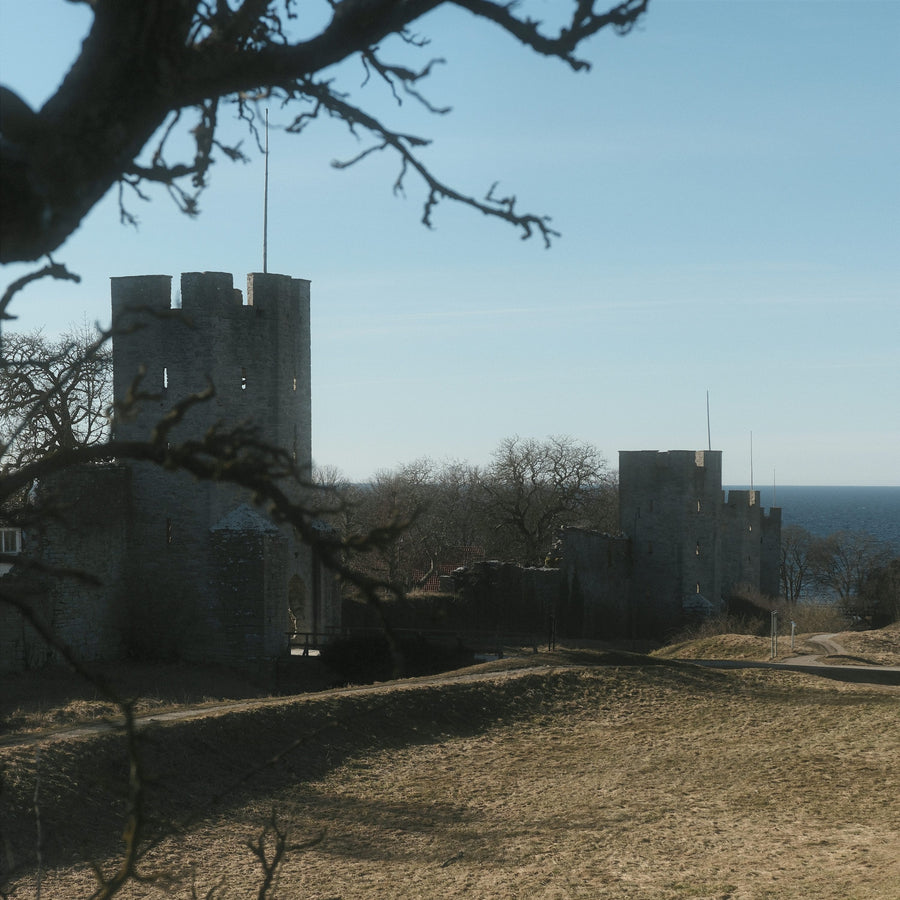
Medieval walled town on Gotland with cobbled lanes, ruins and Baltic coastal scenery.
Suggested stay: 2–3 nights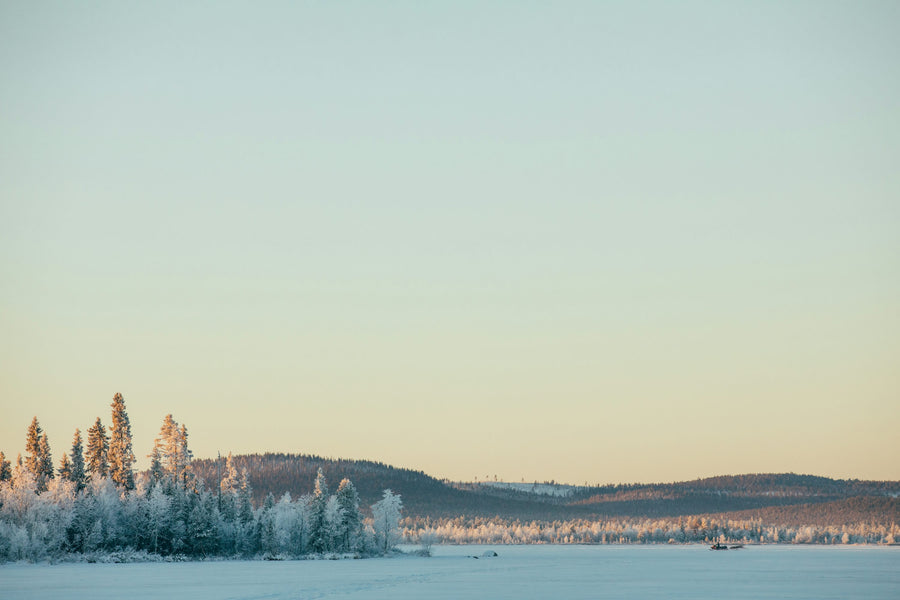
Northern city and transport gateway for Arctic excursions, Jukkasjärvi and Abisko.
Suggested stay: 2–3 nights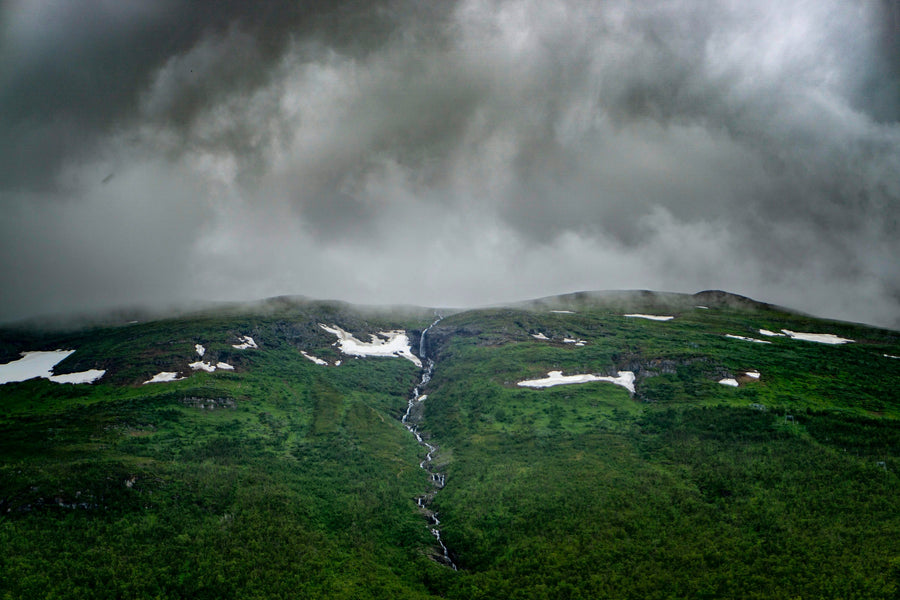
Mountain village and national-park gateway for summer trails and dark-season aurora trips.
Suggested stay: 2–3 nights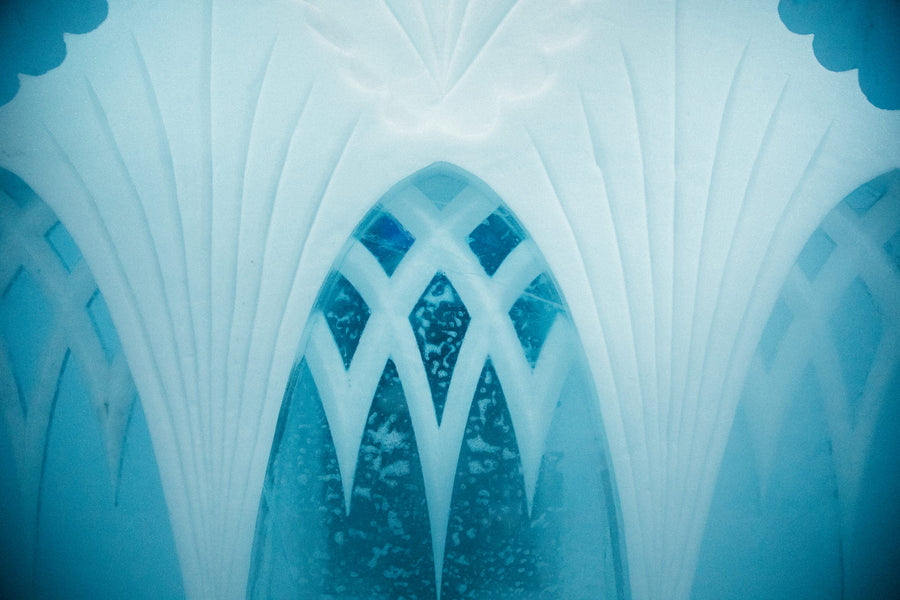
Village on the Torne River known for ICEHOTEL and guided northern experiences.
Suggested stay: Day trip or 1–2 nightsFeatured experiences and landmarks.
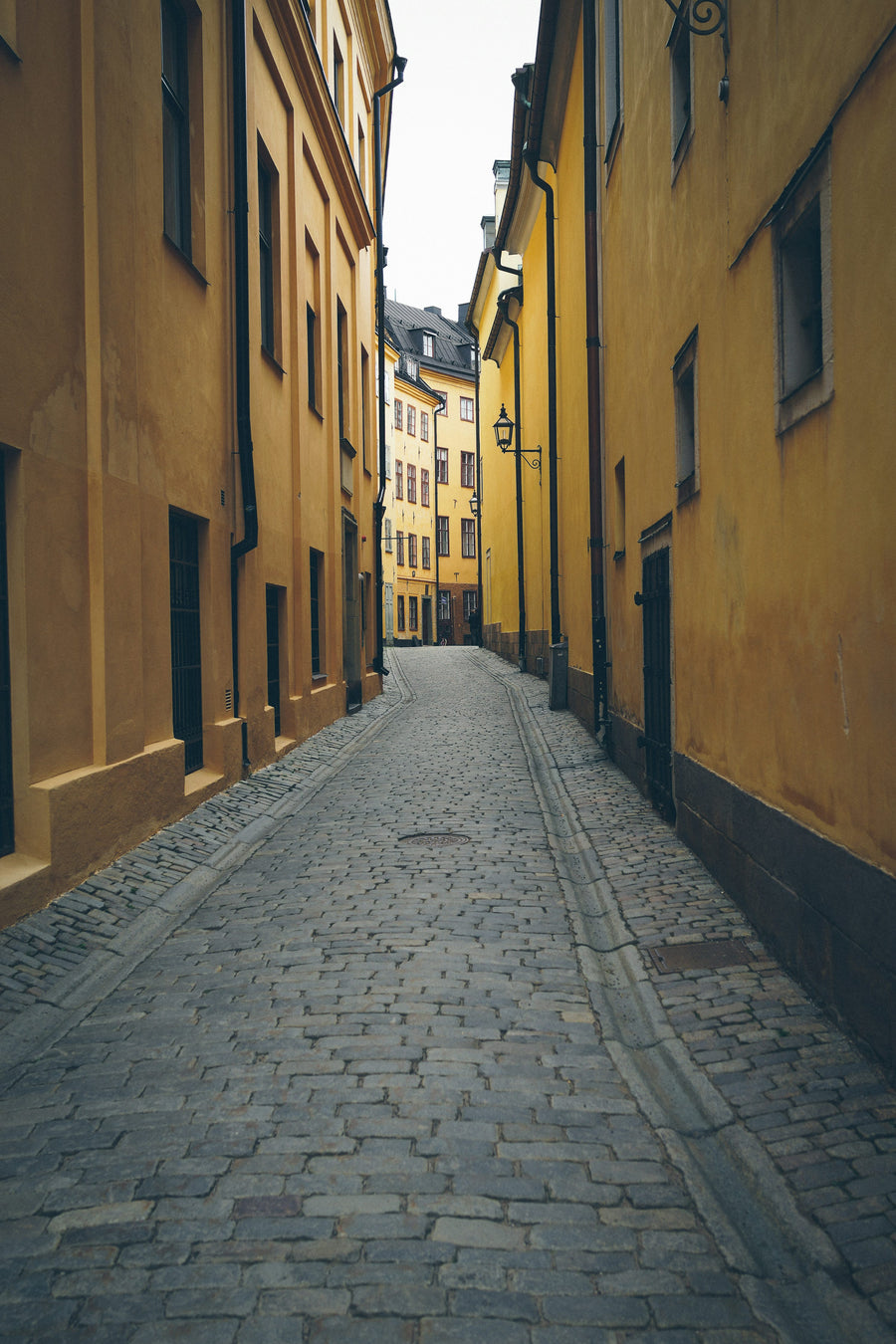
Stockholm's old town with cobbled lanes, historic squares and independent cafés.
Suggested visit: Half day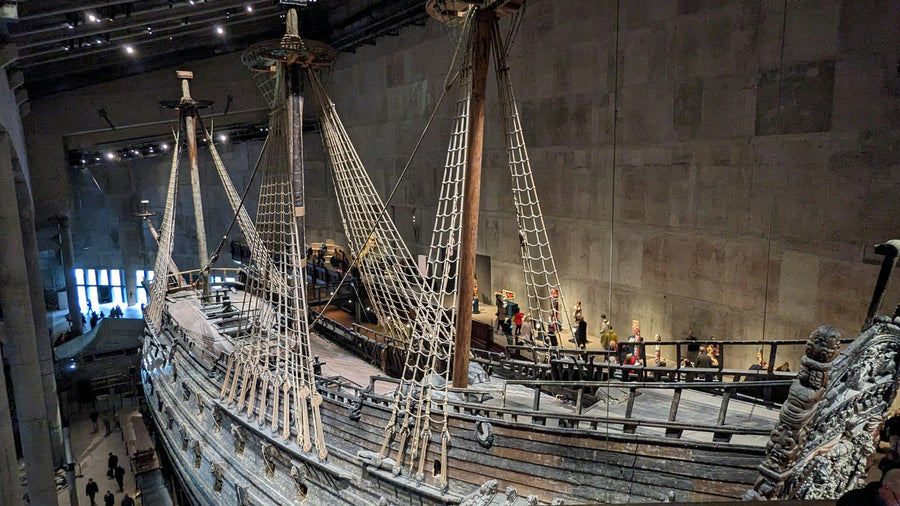
Museum centred on the preserved seventeenth-century Vasa ship on Djurgården.
Suggested visit: 2–3 hours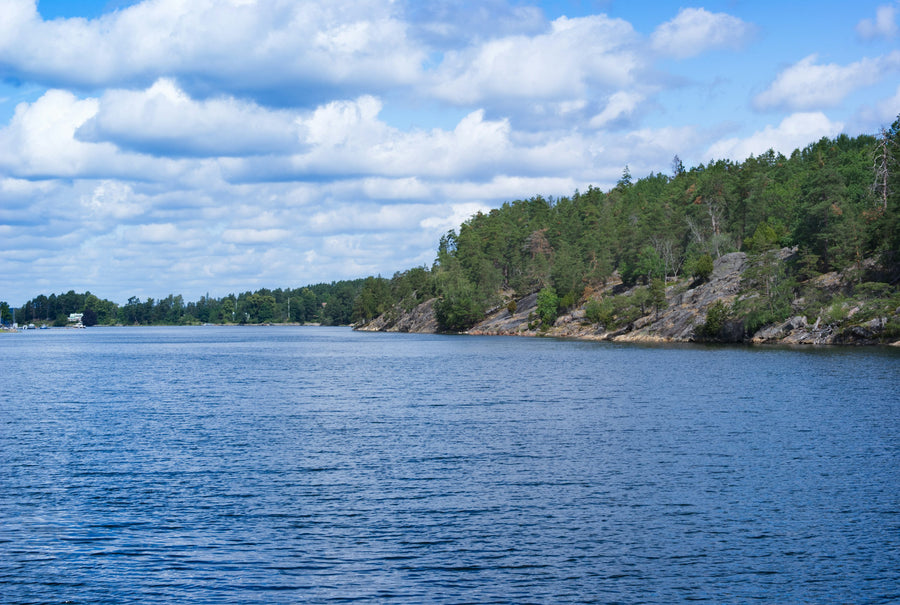
Island excursions from Stockholm, with public boat routes and seasonal visitor services.
Suggested visit: Full day or overnight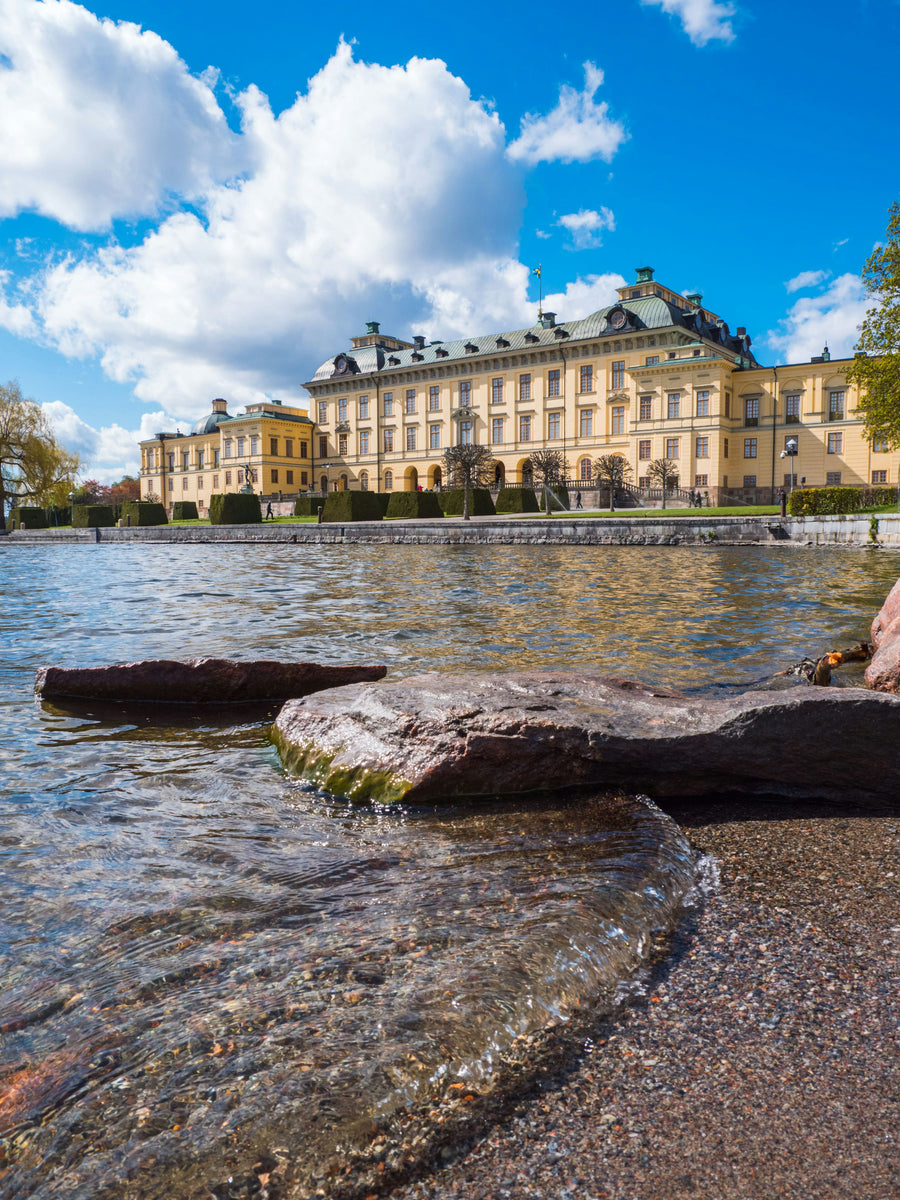
Royal palace and historic park in Ekerö municipality, visited as an excursion from Stockholm.
Suggested visit: Half day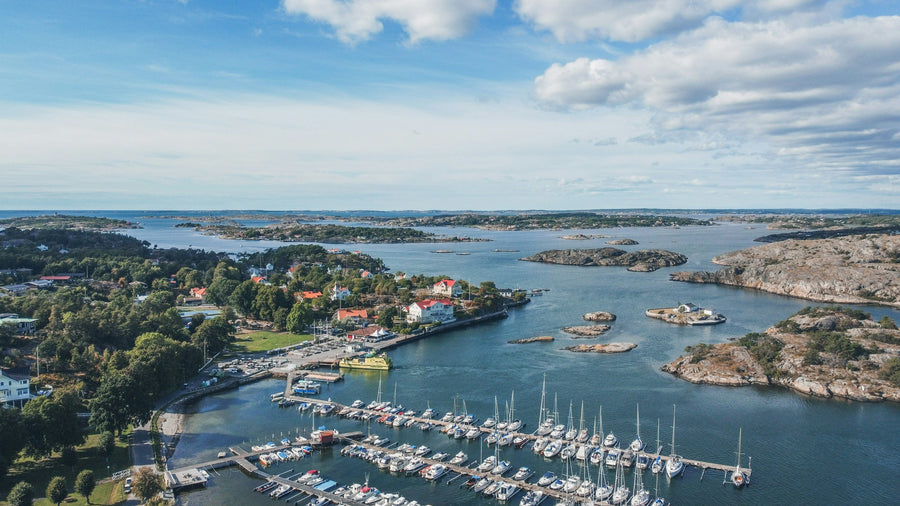
West-coast islands for harbour walks, rocky shores and slower coastal days.
Suggested visit: Full day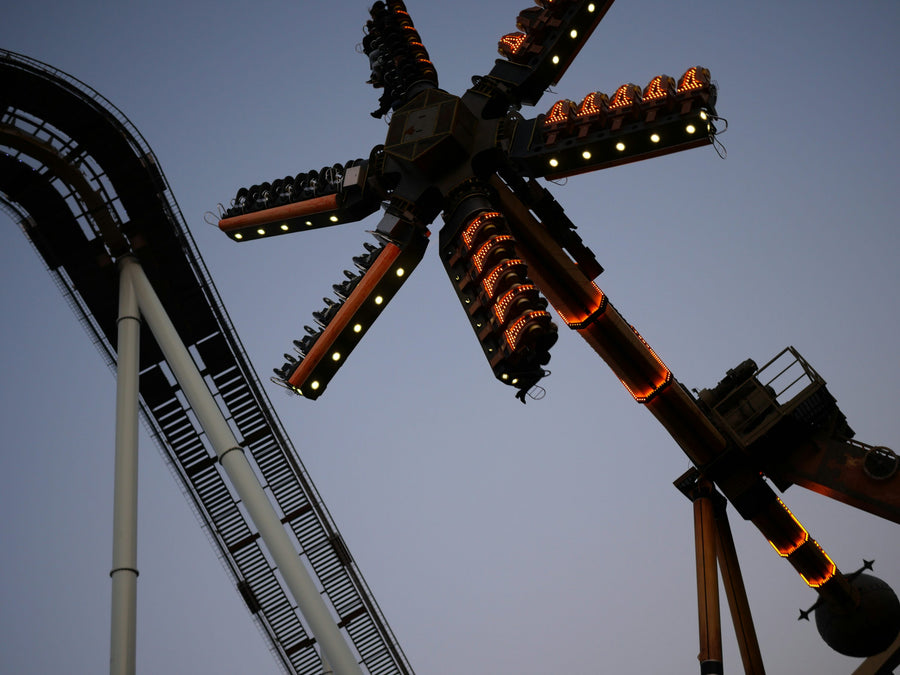
Gothenburg amusement park with seasonal attractions and events.
Suggested visit: Full dayMedieval walls, towers, cobbled lanes and ruins in Visby on Gotland.
Suggested visit: Half to full dayNorthern mountain landscape with canyon walks, trails and dark-season aurora opportunities.
Suggested visit: 1–3 daysIce-art destination in Jukkasjärvi with year-round and seasonal elements; installations change.
Suggested visit: Half day; overnight optionalJune–August for cities, islands and long daylight; winter for snow activities in the north. Northern Lights opportunities roughly September–March require dark, clear skies and are never guaranteed.
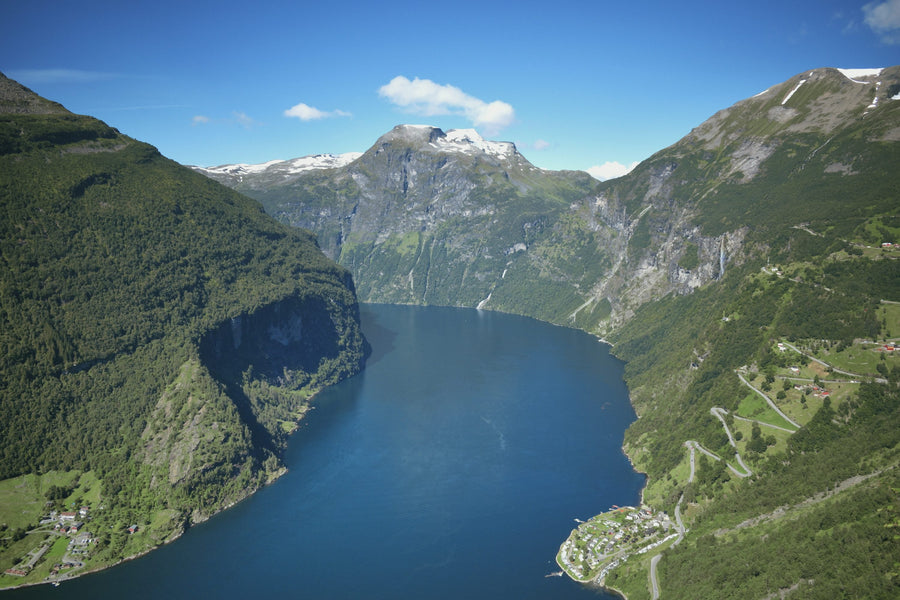
Plan Norway travel with fjords, northern lights, scenic roads, weather, power, transport and eSIM advice.

