
Slovakia eSIM
Fixed data plansReliable data for your Slovakia trip


Europe
Historic cities, castle views and High Tatras escapes
Slovakia combines compact historic cities, castle views and mountain stays that deserve time of their own. Bratislava works well for a short break, while a longer journey can add Banská Štiavnica, the High Tatras and Košice. Choose your main region and season first: a winter resort stay and a summer hiking trip need different routes, clothing and expectations.
Allow two or three nights for the capital. Walk the streets around the historic centre, make time for the Danube waterfront and head uphill towards Bratislava Castle. Its grounds, exhibitions and viewpoints are separate parts of a visit, so check official opening and access information before planning your day. Cobbles and the climb can affect visitors with limited mobility. Choose accommodation around your preferred arrival station, public transport and walking route.
Košice rewards one or two nights with its long central promenade, cafés and cultural venues. St Elisabeth's Cathedral is a natural starting point; check the official visitor listing for current arrangements, and respect services. Tower access and interior sightseeing can have different schedules. Košice is a separate eastern base, so compare the actual rail journey before treating it as a day trip from the capital.
Spend one or two nights in this historic mining town for its winding streets, museums and surrounding scenery. The hillside Calvary offers a distinctive outing, with climbs and uneven surfaces to consider. Use the official tourism information when planning. If you want an underground mine experience, check the actual tour's language, clothing, access restrictions and reservation rules. Connections can be less direct than the main east–west rail corridor.
Starý Smokovec and Tatranská Lomnica are bases within Vysoké Tatry; Štrbské Pleso is another popular mountain base in the wider region. Compare accommodation against the local rail network and the activities you intend to do. Allow three or four nights for weather flexibility. A lake walk, a cable-car outing and a high-mountain route have very different demands. The Štrbské Pleso guide helps introduce the resort area.
For a longer trip, consider Trenčín for its castle setting, Levoča and the Spiš region for historic towns, or a dedicated Slovak Paradise National Park stay. Spiš Castle is outside Košice and needs its own transfer and opening-hours check. Gorge routes in Slovak Paradise may involve ladders, narrow walkways and one-way sections; choose a specific route appropriate to your group. Add one region at a time rather than trying to see every major sight in a week.
| Season | Good trip focus | Plan around |
|---|---|---|
| March–May | City breaks, museums and lower-level walks | Snow and closures at altitude; spring in Bratislava does not imply summer conditions in the Tatras |
| June–August | Long sightseeing days and mountain stays | Storms, busy resorts and route-specific opening conditions |
| September–November | Autumn colours, towns and food-focused breaks | Shorter days, cooling weather and the start of seasonal mountain restrictions |
| December–February | Winter resorts, spas and festive city visits | Snow conditions, limited daylight and winter driving |
Late spring and early autumn can suit city touring; choose mountain dates around the routes you actually want to walk. Check TANAP's visitor rules and closure maps before hiking. A calendar month alone does not establish that a trail is open or safe. The SHMÚ forecast is useful for destination planning. The current-weather block on this guide uses Bratislava, which is not a mountain forecast.

Compare Bratislava, Košice and Poprad–Tatry airports against your route and current services. Vienna Airport can also be useful for Bratislava, but book the onward connection and allow time for delays. For rail, use ZSSK to check the actual date, station and any engineering changes. Coaches and local buses fill gaps; verify the last connection to your accommodation.
A car can help with smaller towns and dispersed castles, while the main cities and selected mountain bases can work without one. For motorway travel, check the official e-vignette service for your vehicle and route before using tolled roads. Review rental terms, winter equipment and parking arrangements. Avoid planning a long drive immediately after a demanding mountain day.
Use marked, open trails and choose a turnaround time. Carry layers, waterproofs, water, food, a charged phone and offline route information. Conditions can change quickly; snow, strong wind or poor visibility can affect a summer outing too. Check park restrictions and local mountain advice immediately before setting out. Cable cars have their own tickets, operating hours and weather limits, and should not be assumed to provide a guaranteed return.
Ask your insurer whether your planned hiking, skiing and mountain-rescue costs are covered. Check the terms for altitude, off-piste activities and rescue rather than assuming general travel insurance covers every excursion. For historic towns and attractions, ask about step-free routes, lifts and toilets; a short walking distance may still involve cobbles, stairs or steep gradients.
Slovakia uses the euro, and Slovak is the official language. Carry a payment card and a small cash backup. The general emergency number is 112. Before travel, check passport and visa requirements for your nationality through the Slovak Ministry of Foreign and European Affairs.
Try regional dishes such as bryndzové halušky, and ask about allergens, meat ingredients and vegetarian options. City cafés, local restaurants and mountain accommodation offer different dining choices, so check meals and opening hours at remote stays. Budget separately for accommodation, transport, paid attractions and mountain lifts. Use current operator prices rather than one fixed daily budget for every region.
Pack walking shoes and a rain layer year-round. Mountain trips need suitable footwear and layers beyond what you would use in Bratislava; winter needs its own equipment and skills. Reserve busy resort accommodation and major holiday dates early.
Slovakia uses a 230 V, 50 Hz supply with Type E sockets; standard Type C Europlugs are commonly compatible. Bring an appropriate adapter if your plugs differ. Check each charger's input label, since a plug adapter does not convert voltage. Carry a power bank for long travel days and cold-weather outings.
Compare the Slovakia fixed-data eSIM and Slovakia Unlimited eSIM. For a covered multi-country route, compare the Europe eSIM and Europe Unlimited eSIM, checking every destination in the selected plan's current coverage list.
As a planning estimate, 5–10 GB can suit a week of maps, messaging and browsing; uploads, streaming and hotspot use can require more. Unlimited options can include a daily high-speed allowance followed by reduced speeds. Confirm device compatibility, network-unlocked status, validity, activation rules and hotspot terms, then follow the installation instructions before departure. Reception varies with location and terrain; keep maps and booking details offline for mountain travel.
For neighbouring trips, explore our Poland guide, Czechia guide, Austria guide and Hungary guide.
Two or three nights suits Bratislava. Allow seven to ten days for a city-and-mountain trip, including transfers and flexible outdoor days.
Yes for selected city routes and rail-connected mountain bases. Check local buses and the last part of each journey before booking rural accommodation.
No. They are separate countries. Check the country name, coverage and itinerary when buying a data plan.
Some routes have seasonal or temporary restrictions. Check TANAP's current maps and notices, weather and your own equipment and skills.
No. Use a forecast and mountain advice for the location and altitude of your activity.
It depends on your policy and activity. Confirm the specific cover, exclusions and rescue costs with your insurer before the trip.
Match data allowance and validity to your usage. Compare daily high-speed limits for unlimited options and check regional coverage for neighbouring countries.
It depends on your plug. Check compatibility with Type E sockets and confirm your device supports 230 V; an adapter does not convert voltage.
Ready to plan? Choose your bases and dates, then compare Slovakia data plans for navigation, tickets and travel messages.
Last reviewed: 24 October 2026. Check official sources for current entry requirements, transport, opening hours and outdoor conditions.
Get mobile data for your Slovakia trip with a local or region-wide eSIM.
Reliable data for your Slovakia trip

Unlimited data, no daily limits


TravelFi editorial destination ratings.
TravelFi editorial suitability score, not a visitor rating. Match the itinerary to season, transport and group needs.
TravelFi editorial suitability score, not a visitor rating. Match the itinerary to season, transport and group needs.
TravelFi editorial suitability score, not a visitor rating. Match the itinerary to season, transport and group needs.
TravelFi editorial suitability score, not a visitor rating. Match the itinerary to season, transport and group needs.
230 V · 50 Hz
Two round pins. Usually ungrounded.
A grounded European plug with two round pins and a socket for the outlet's earth pin.
GroundedType E sockets commonly accept Type C Europlugs; bring a compatible adapter for other plug types.
Check the charger's input rating. An adapter does not convert voltage.
Forecast location: Bratislava, Slovakia
Lowland city weather differs from the High Tatras. Check local forecasts, altitude and mountain notices for each activity.
Loading current weather…
Places to include in your Slovakia itinerary.
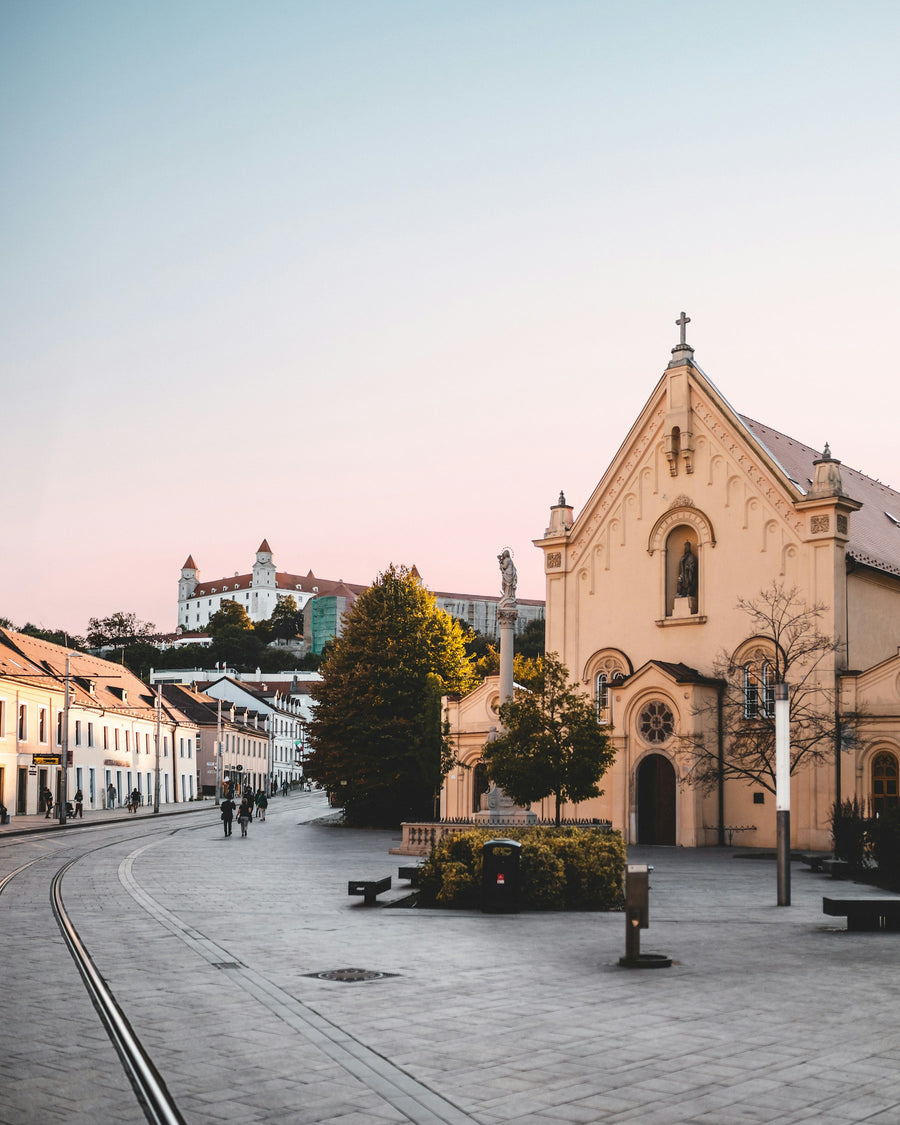
Slovakia's capital pairs a walkable historic centre and castle views with Danube-side outings. Use it as a short break or a western gateway.
Suggested stay: 2–3 nights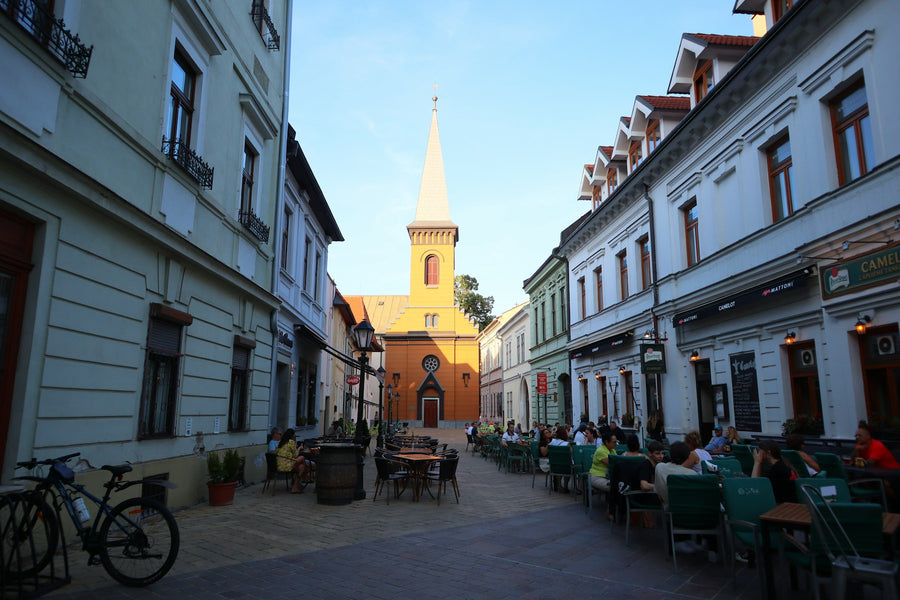
Eastern Slovakia's cultural city offers Hlavná Street, St Elisabeth's Cathedral and relaxed cafés. Allow time for the eastward transfer.
Suggested stay: 1–2 nights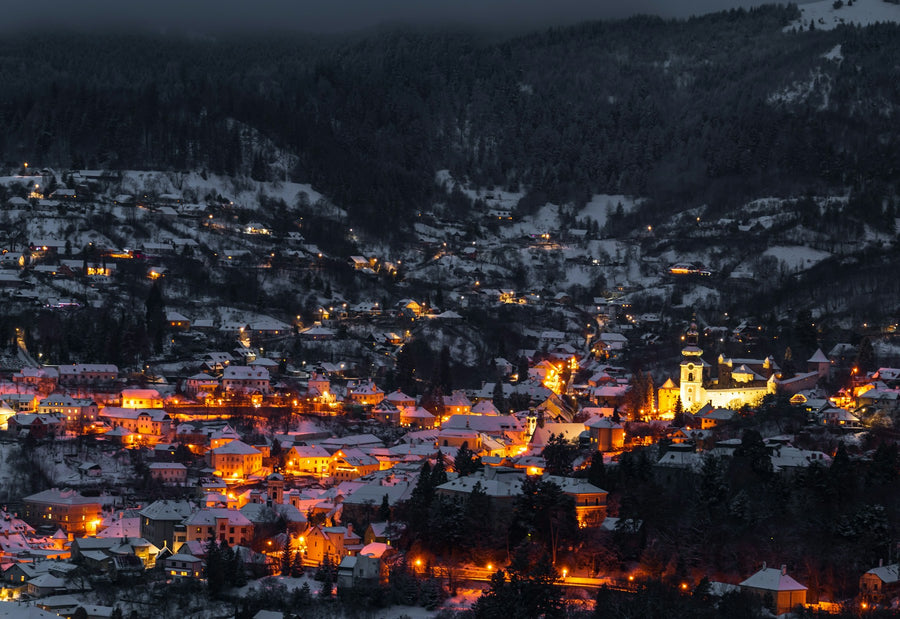
A historic mining town with steep streets, castle museums and the hillside Calvary. Rural connections need planning.
Suggested stay: 1–2 nights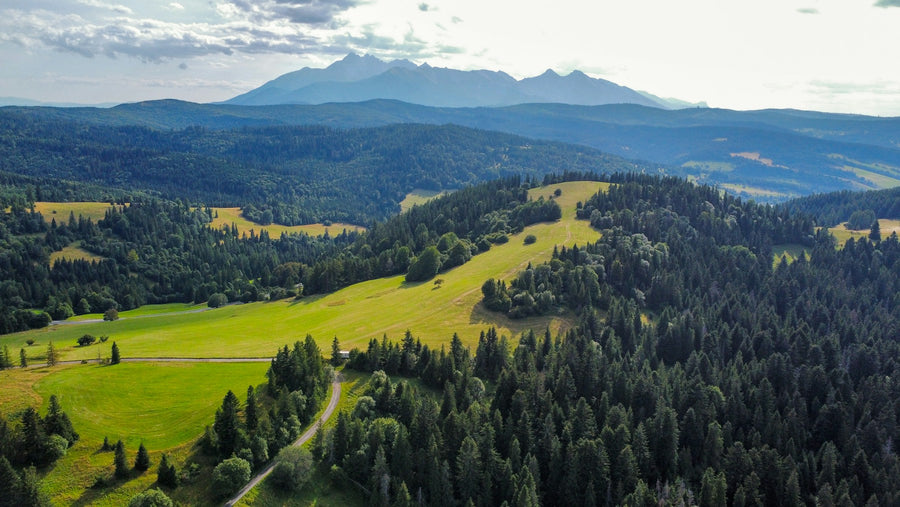
A mountain resort municipality including Starý Smokovec and Tatranská Lomnica. Choose a base around rail connections and your actual activities.
Suggested stay: 3–4 nightsFeatured experiences and landmarks.
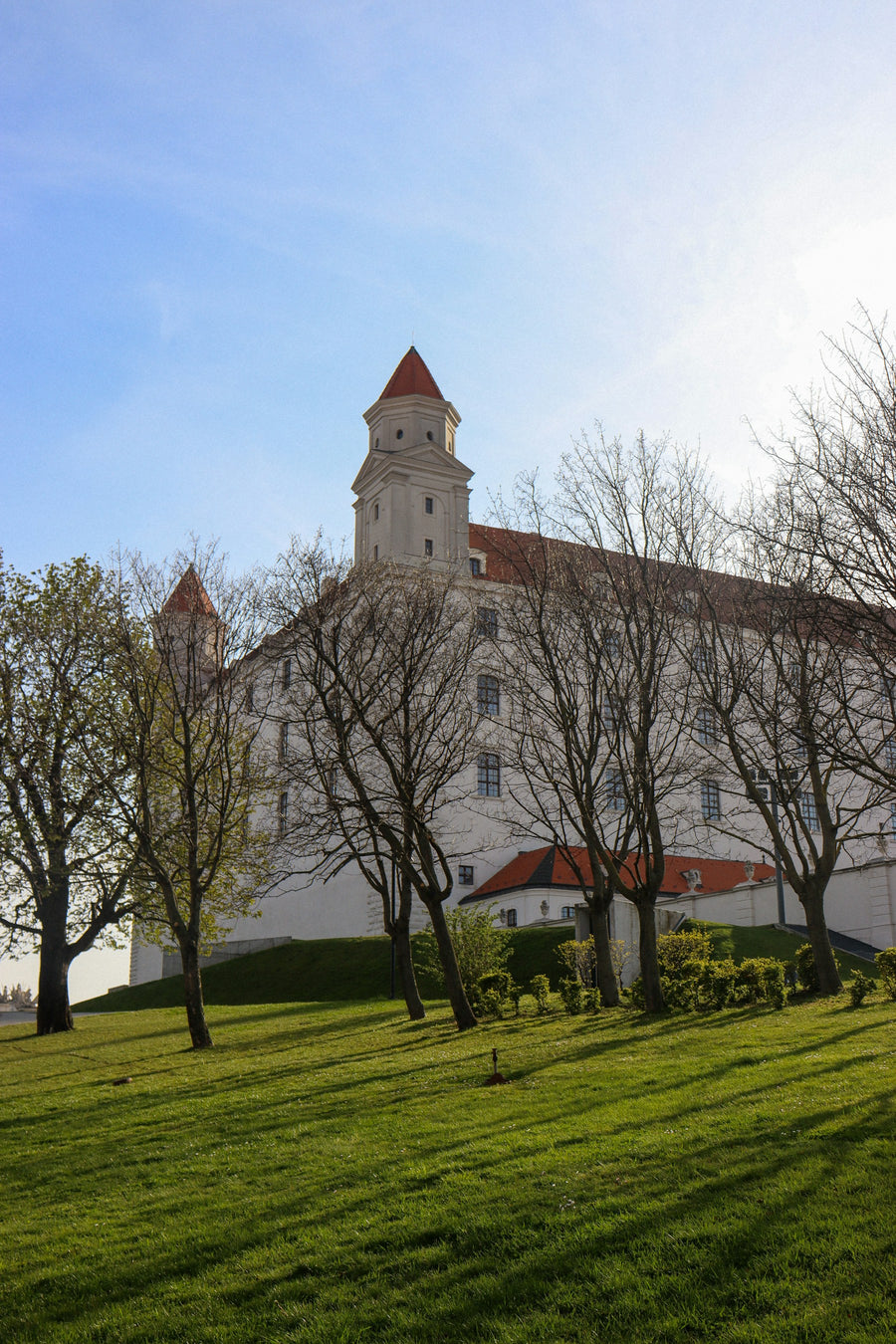
Historic castle grounds, museum visits and city views. Check grounds and exhibition arrangements separately.
Suggested visit: 2–3 hours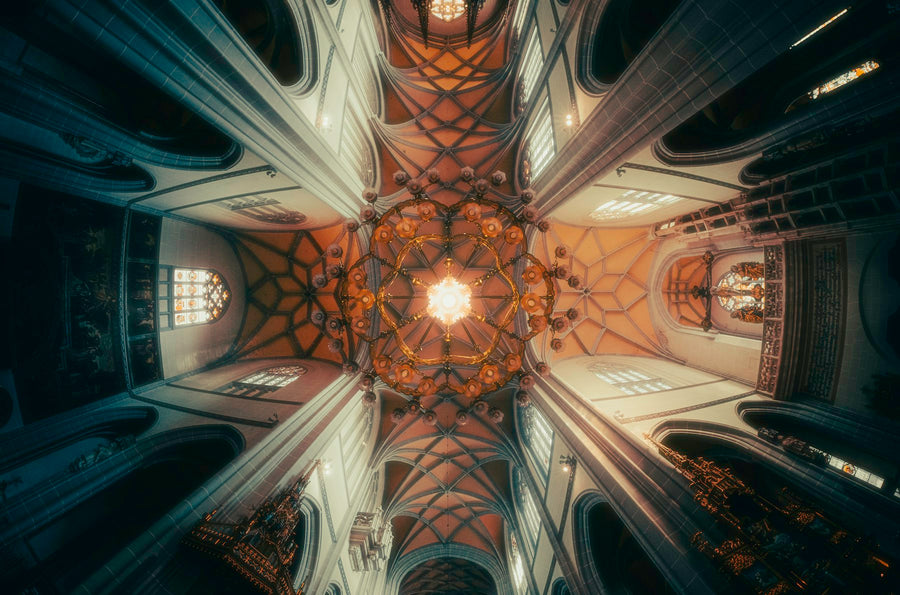
Košice's landmark cathedral. Respect services and check separate sightseeing and tower schedules.
Suggested visit: 1–2 hours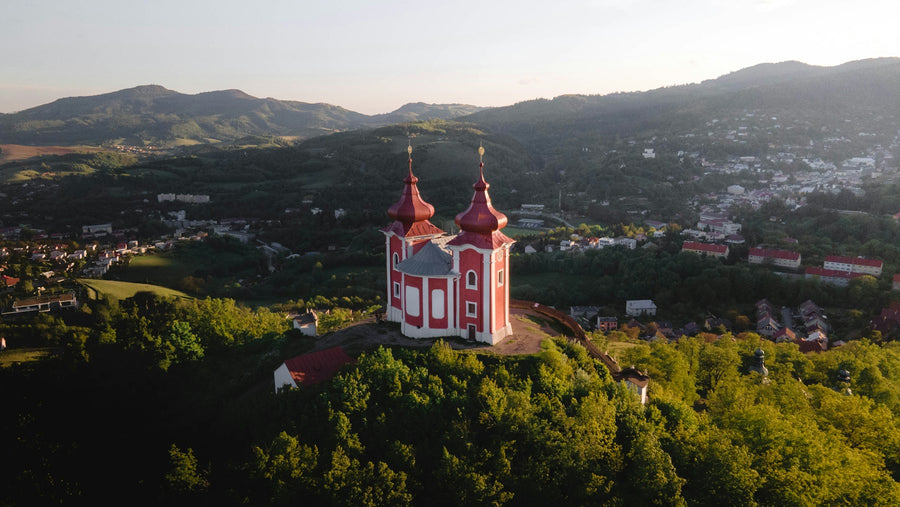
A hillside sacred complex with scenic views. Allow for the climb, uneven paths and changeable weather.
Suggested visit: 1–2 hours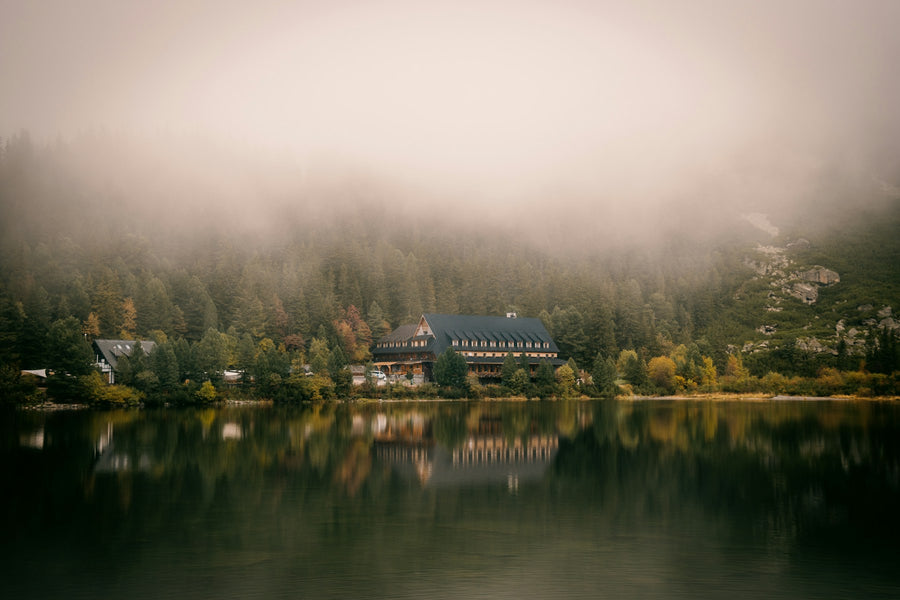
A scenic mountain lake outing in the wider High Tatras region. This is a separate resort from Starý Smokovec; plan the local transfer.
Suggested visit: 2–3 hours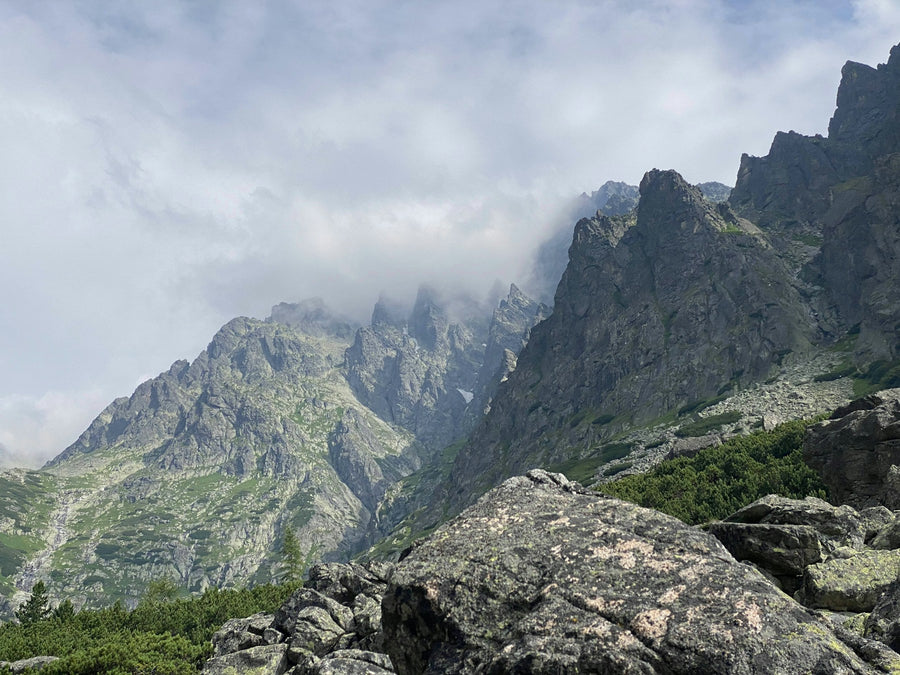
Choose a specific open route from your mountain base. Check TANAP restrictions, local forecasts and equipment needs; the photo illustrates the region.
Suggested visit: Route-dependentLate spring and early autumn suit city touring. Summer mountain plans depend on open trails and weather; winter resorts depend on actual conditions.
Verify requirements and current information with official sources.
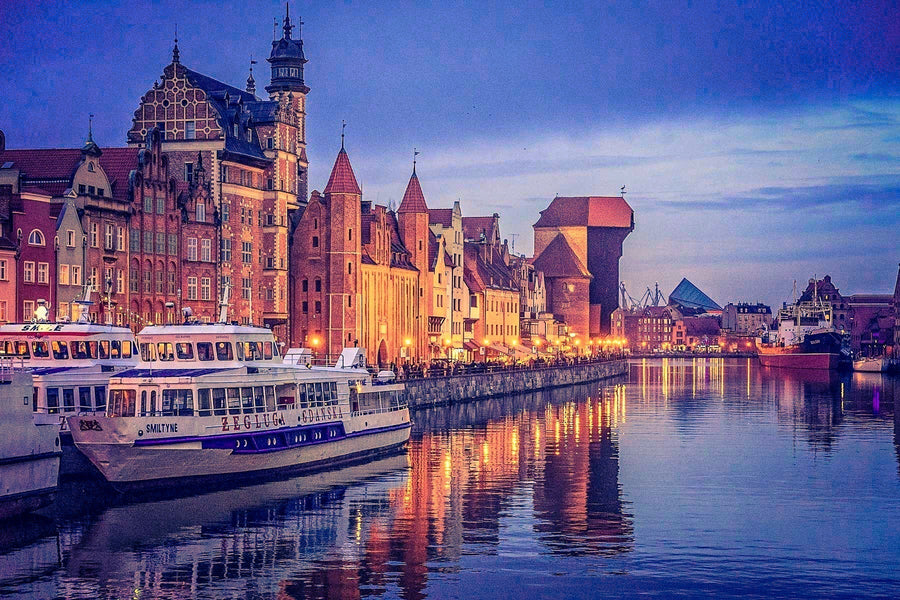
Plan your Poland trip with practical guidance on Warsaw, Kraków, Gdańsk, Zakopane, transport, weather, currency, power plugs, mobile data, and Trav...

Plan a Czech Republic trip with Prague highlights, historic towns, seasonal guidance, transport tips and eSIM options.
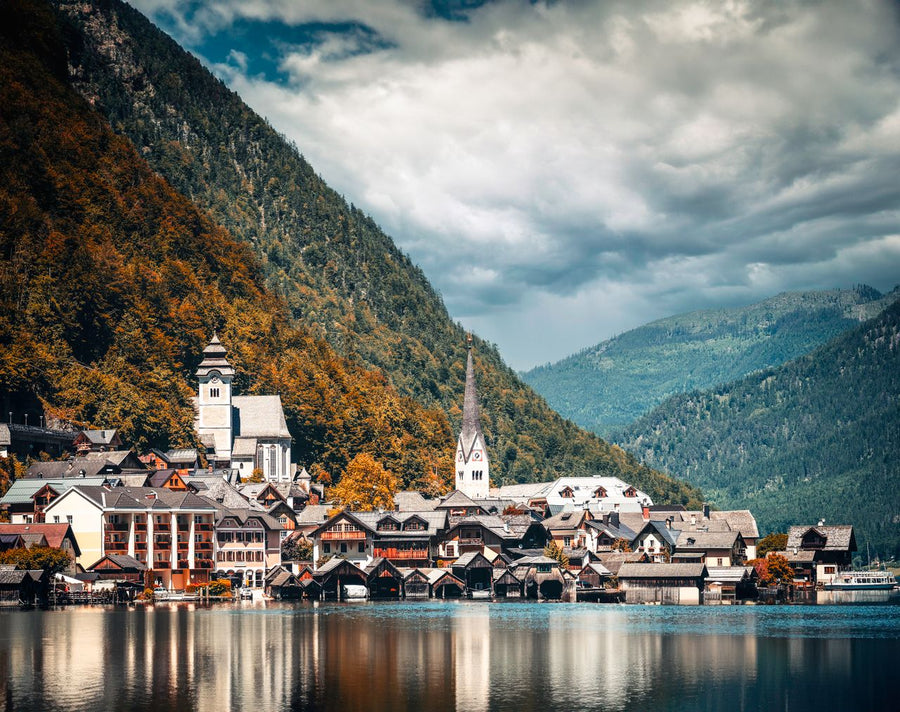
Plan an Austria trip with practical advice for Vienna, Salzburg, Hallstatt and the Alps, including weather, transport, power and eSIM connectivity.

Plan a trip to Hungary with practical information on Budapest, Eger, Pécs, Lake Balaton, weather, power plugs and mobile connectivity.