
Argentinien eSIM
Fixed data plansReliable data for your Argentina trip


Latin America
Buenos Aires, Iguazú, Mendoza and Patagonia — plan your route by season
Argentina rewards a trip built around a few well-chosen regions. Start with Buenos Aires for neighbourhood walks, cafés and performance, then choose waterfalls, vineyards, the Andean northwest or Patagonia according to the season. The distances are substantial: a map that looks manageable can mean a full travel day between stops.
This guide covers Argentina’s principal city and nature routes, with suggested itineraries, practical planning notes and TravelFi eSIM options. Check the official resources below again before departure, especially for entry rules, park access and weather alerts.
Allow three or four full days rather than treating Buenos Aires as an airport stop. Group Recoleta’s architecture and cemetery, the historic centre, San Telmo and Palermo into separate neighbourhood outings. Book a Teatro Colón guided visit through the official theatre site; a performance requires a separate ticket. Leave unplanned time for cafés, bookshops and a late dinner.
Choose accommodation with convenient transport and a comfortable evening route. Keep your phone and bag secure in crowds. For La Boca, follow current local safety advice and use established daytime visitor routes.

Puerto Iguazú is the Argentine base for Iguazú Falls. Give the Argentine national park a full day and leave room for rain or circuit closures. The Brazilian side is a separate outing, with its own admission and border formalities: verify Brazil’s entry requirements for your passport before booking. Bring comfortable shoes, rain protection and a bag that protects electronics.
Mendoza combines city dining with wine districts such as Maipú, Luján de Cuyo and the Uco Valley. They are spread out; book tastings and transport together. A winery driver or organised tour makes a tasting day easier. Allow another day for mountain scenery if the roads and weather permit.
Aconcagua Provincial Park is a separate mountain excursion. A short visit around Horcones is very different from a high-altitude trek or summit expedition. The provincial authority requires the appropriate ticket or permit to be arranged before arrival; check the rules for your exact activity.

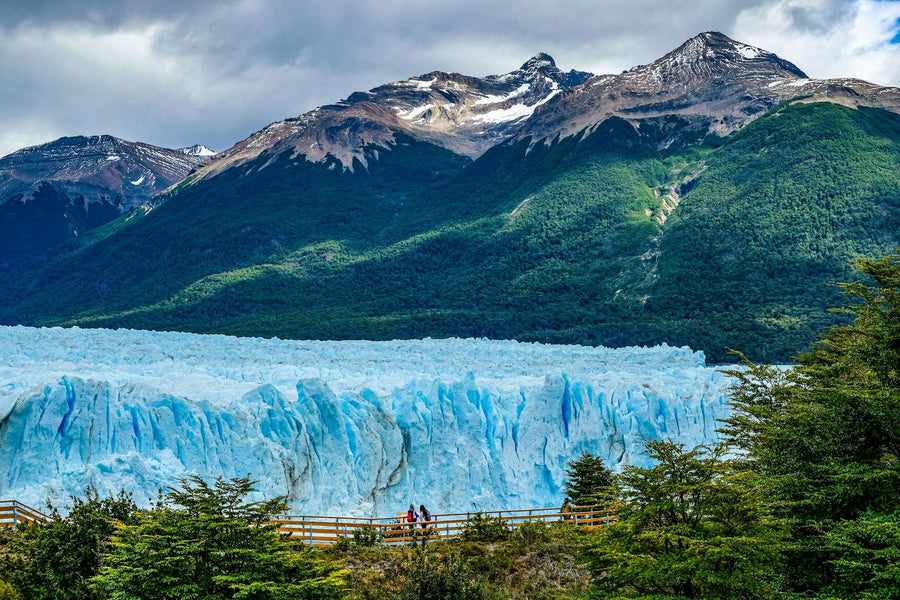
El Calafate is the base for Perito Moreno Glacier. Reserve a full day for transport and viewpoints; admission, boats and guided ice activities are different purchases. El Chaltén serves the northern trekking sector of Los Glaciares National Park. Stay several nights if walking is a priority so one windy or wet day does not decide the whole visit. Do not assume that El Chaltén park access is free: consult the current national-park tariff and ticket system.
Bariloche works for lakes, scenic drives and Nahuel Huapi outings, with skiing in winter when conditions and operators permit. Ushuaia adds Tierra del Fuego National Park and Beagle Channel excursions. It is a separate flight and stay, so add it only when you have enough time. Download maps before leaving town and follow park staff instructions about closures, registration and fire restrictions.

Salta is a useful city base for the northwest, but the Quebrada de Humahuaca lies in Jujuy Province. Stay in the valley around Humahuaca or another local town to explore without repeated long drives. Higher viewpoints, including Hornocal, need additional care with altitude, transport and conditions.
Córdoba pairs a historic centre with the surrounding Sierras. Rosario offers a Paraná riverfront stop, though current regional crime advice should inform your plans. Mar del Plata is a classic domestic summer beach destination: book early for holiday periods and follow lifeguards and beach flags.
Count arrival and departure days honestly. Domestic connections, airport transfers and long road journeys can consume more time than the sightseeing itself. Book the hardest-to-change transport first, then fit day trips around it.
Argentina’s seasons are opposite those in North America and Europe. For travel planning, December–February is summer, March–May autumn, June–August winter and September–November spring; conditions do not change neatly at month boundaries.
Pack for each region: waterproof and insulating layers for the south, sun protection for the Andes, and light clothing with insect protection for Iguazú. The live forecast on this guide is for Buenos Aires, not the whole country. Use the Servicio Meteorológico Nacional for local forecasts and alerts.
Domestic flights often make a multi-region trip practical. Check airport codes carefully: Buenos Aires’ EZE and AEP airports are not interchangeable. Leave enough time for baggage, traffic and a possible airport change, particularly before an international departure.
Long-distance buses can work well when the timetable and journey length suit your route. Compare actual door-to-door travel time with flying. In cities, confirm current transit-payment options locally and keep valuables secure in terminals and crowded vehicles. Use trusted, licensed transport for airport arrivals.
A rental car can be useful around wine districts, the Lake District and the northwest. Confirm permitted roads, rental cover and any authorisation needed for international crossings. Never assume a hire car may enter Chile without paperwork. Carry water and offline navigation on remote drives, and check road and border conditions before setting off.
The currency is the Argentine peso (ARS). Prices, exchange arrangements and card charges can change quickly, so compare current costs when booking instead of relying on an old daily budget. Carry a backup payment method and some local cash for smaller businesses; use banks or authorised exchange services.
Budget separately for domestic flights, park entry, transfers and guided excursions. A day of viewpoints and a guided glacier activity have very different costs. For meals, try regional empanadas, parrilla cooking, Mendoza wines and café pastries; check menus for vegetarian or other dietary needs before choosing a remote excursion or lodge.
Check Argentina Migraciones and the Argentine consulate serving your residence for your passport and purpose of travel. The Argentine consulate in Montreal states that Canadian tourists may stay visa-free for up to 90 consecutive days. Other nationalities must check their own eligibility. The consulate also states that foreign visitors need insurance covering medical care, hospitalisation and related expenses, with exemptions for Argentine citizens and permanent residents. Carry your policy and verify the current requirements before departure.
As checked on 17 October 2026, Government of Canada advice calls for normal precautions nationally and greater caution in Greater Buenos Aires and Rosario. Keep bags and phones secure, use trusted transport and avoid demonstrations. Choose insurance that covers your planned activities and remote evacuation, and seek personalised travel-health advice before visiting tropical or high-altitude areas. Call 911 in an emergency.
Argentina uses 220 V, 50 Hz electricity, with Type I and Type C plugs in use. Bring an adapter suitable for Argentina and check earthing compatibility for grounded equipment. An adapter changes the plug shape; it does not change voltage. Read each charger’s label: a device rated 100–240 V generally needs only the correct adapter, while a 110–120 V-only appliance needs an appropriate voltage solution.
Check that your phone supports eSIM and is carrier-unlocked. Compare the Argentina fixed-data eSIM for a total allowance with the Argentina unlimited data eSIM for daily options. Unlimited plans have a selected daily high-speed allowance and reduced speeds afterwards; review the chosen plan’s terms, activation rule and hotspot details.
For a multi-country itinerary, the South America (6 areas) fixed-data eSIM and regional unlimited option currently list Argentina, Brazil, Chile, Ecuador, Peru and Uruguay. Check your complete route against the plan before buying. Mobile coverage can be limited in national parks and on remote roads; save maps, tickets and accommodation details offline.
Seven days suits Buenos Aires plus one region. Ten to fourteen days allows more variety, but flight routes and the time of year should decide the number of stops.
Austral summer offers long daylight, with late spring and early autumn also possible for some routes. Check trail and operator conditions; keep a weather buffer.
Yes, if you meet both countries’ entry rules. Plan separate park tickets, border travel and enough time rather than treating the crossing as automatic.
Do not assume so. Check the official tariff and ticket portal for your park, sector, dates and visitor category, including Los Glaciares’ El Chaltén entrance.
The Argentine consulate lists medical insurance as an entry requirement for foreign visitors, with stated exemptions. Check the current rules and that your policy covers your activities.
No plan can guarantee signal everywhere. Download what you need before remote journeys and arrange appropriate navigation and emergency communication for your activity.
Match the plan to your days, data use and countries, then read its installation and activation instructions before departure. Compare fixed data, daily unlimited options or a regional South America plan.
Hero and destination-card photographs are by Diego L., Andrei Castanha, Joao Vitor Marcilio, Florencia Chacón, Augusto Olivares, Daniela Paola Alchapar, Paul, Diego Costa, Bruna Fiscuk, Fermin Rodriguez Penelas, Hans-Jürgen Weinhardt, Frans Ruiter, Florian Delée, Natalia Bazyl, Vladimir Oprisko, Lesly Derksen on Unsplash, used under the Unsplash License. Images may be cropped for display.
Get mobile data for your Argentina trip with a local or region-wide eSIM.
Reliable data for your Argentina trip

Unlimited data, no daily limits


TravelFi editorial destination ratings.
World-class city culture, tango, food and regional traditions.
Patagonia, Iguazu, Andes, glaciers and diverse ecosystems.
Steak, Malbec and strong regional food culture.
Exceptional trekking, skiing, wildlife and road-trip opportunities.
Buenos Aires is one of Latin America’s strongest city-break destinations.
220 V · 50 Hz
Two round pins. Usually ungrounded.
Type I has two flat pins arranged in an inverted V, with an optional vertical grounding pin.
GroundedCarry an Argentina-compatible Type I adapter; Type C is also in use. Check the socket and earthing compatibility of grounded equipment. An adapter changes plug shape, not voltage.
Supply is 220 V, 50 Hz. Check every appliance label: 100–240 V chargers generally need an adapter only; 110–120 V-only appliances need an appropriate voltage solution.
Forecast location: Buenos Aires
Climate varies sharply: subtropical Iguazú, temperate Buenos Aires, dry Andean wine districts and cold, windy southern Patagonia. The live forecast represents Buenos Aires only.
Loading current weather…
Places to include in your Argentina itinerary.
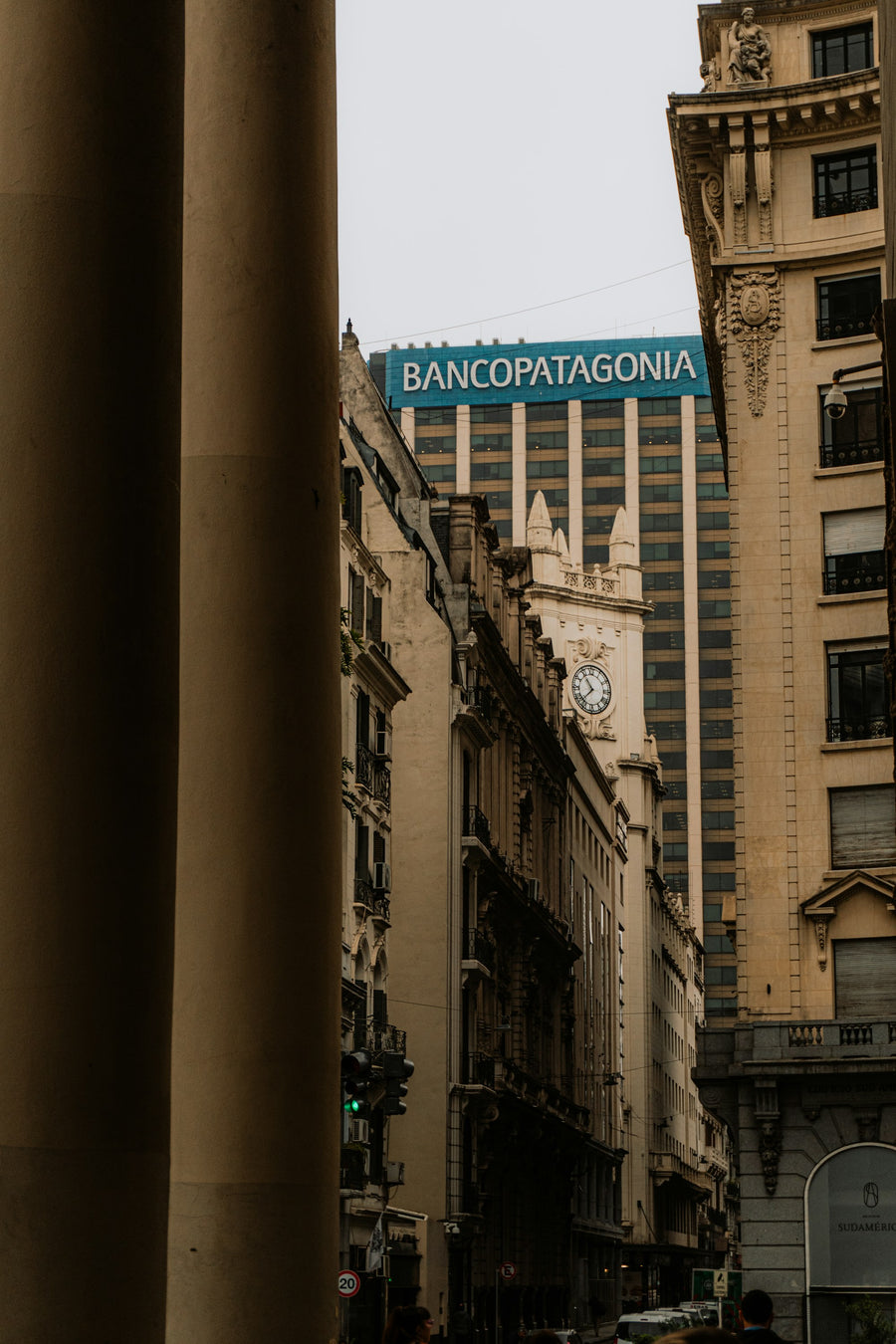
Argentina’s capital for architecture, tango, dining and neighbourhood culture.
Suggested stay: 3–4 nights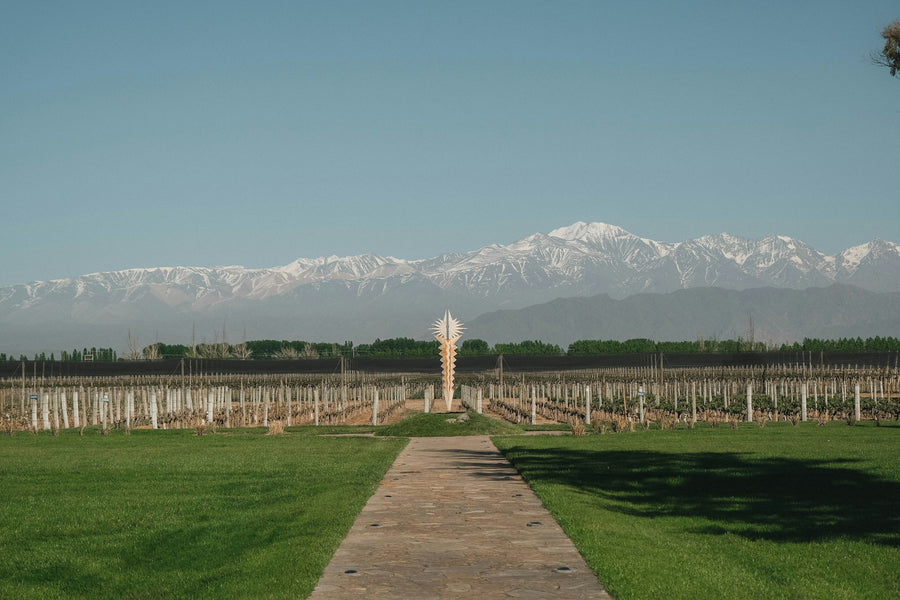
Andean wine capital and base for Malbec estates and mountain trips.
Suggested stay: 3–4 nights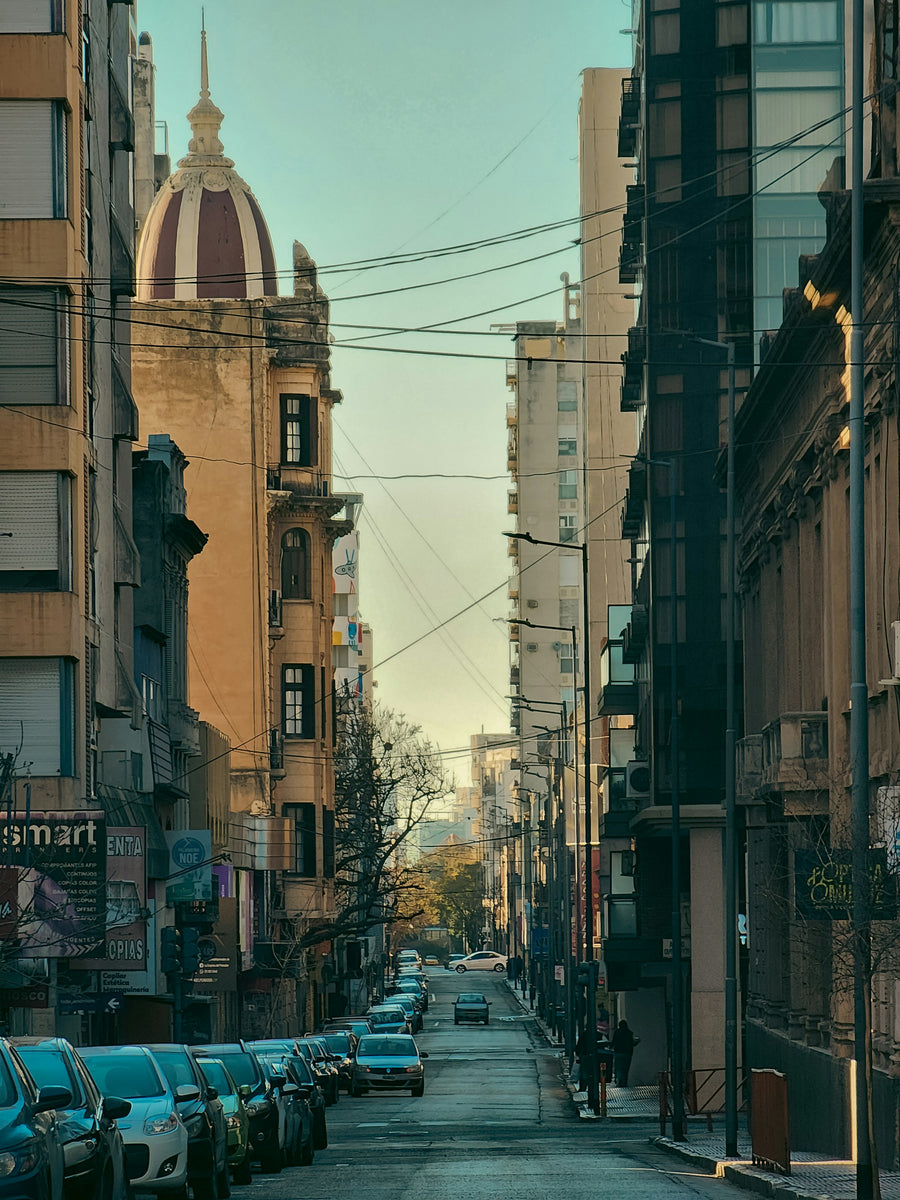
Historic university city surrounded by the Sierras de Cordoba.
Suggested stay: 2–3 nights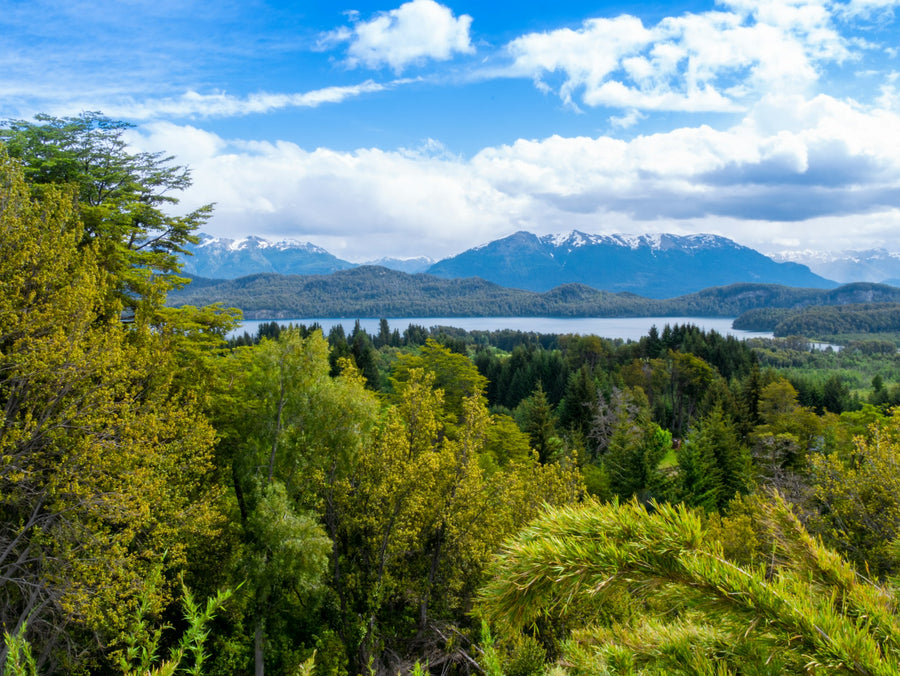
Lake District hub for hiking, skiing and alpine scenery.
Suggested stay: 3–4 nights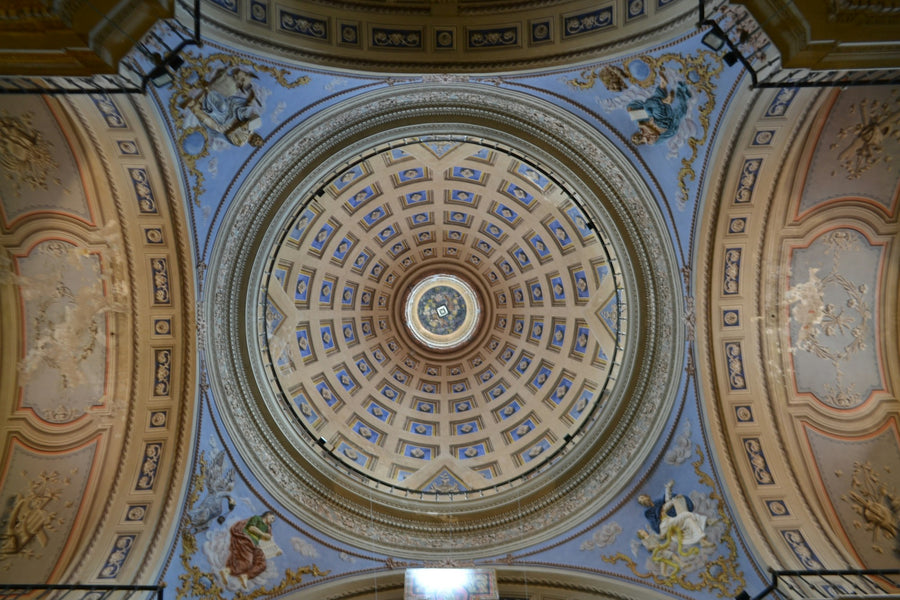
Colonial northwestern city and gateway to high-altitude landscapes.
Suggested stay: 2–3 nights, longer with the northwest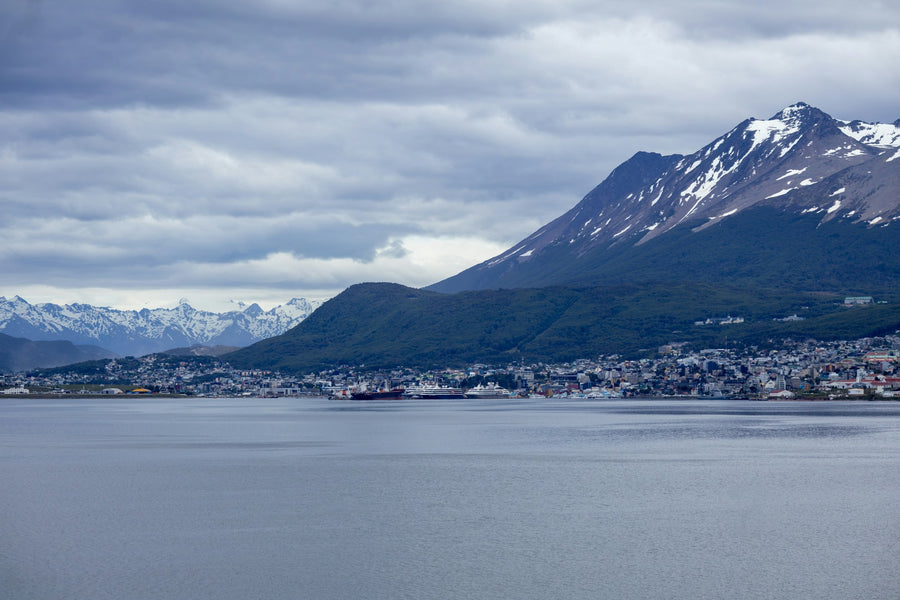
Tierra del Fuego city for Beagle Channel cruises and subantarctic landscapes.
Suggested stay: 3–4 nights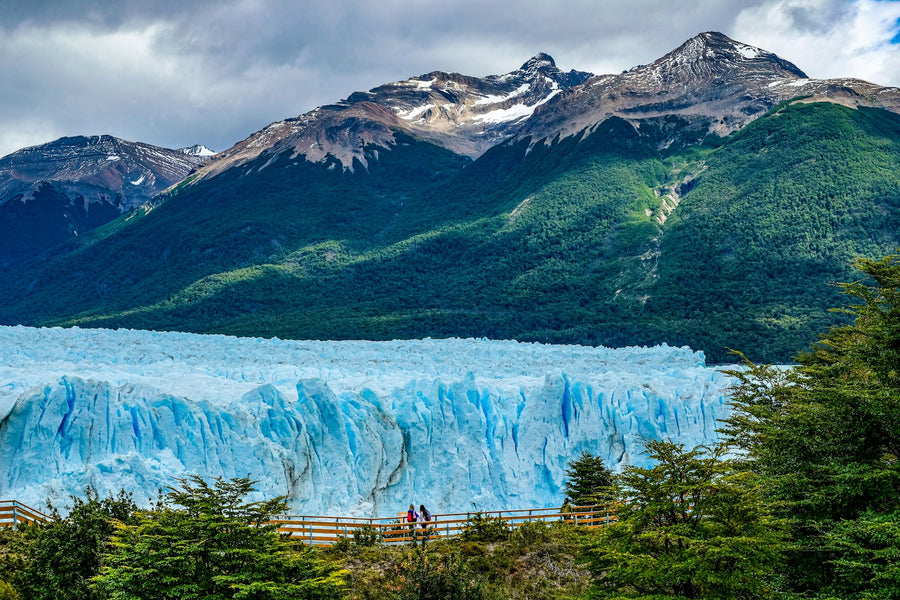
Patagonian gateway to Perito Moreno Glacier and Los Glaciares.
Suggested stay: 2–3 nights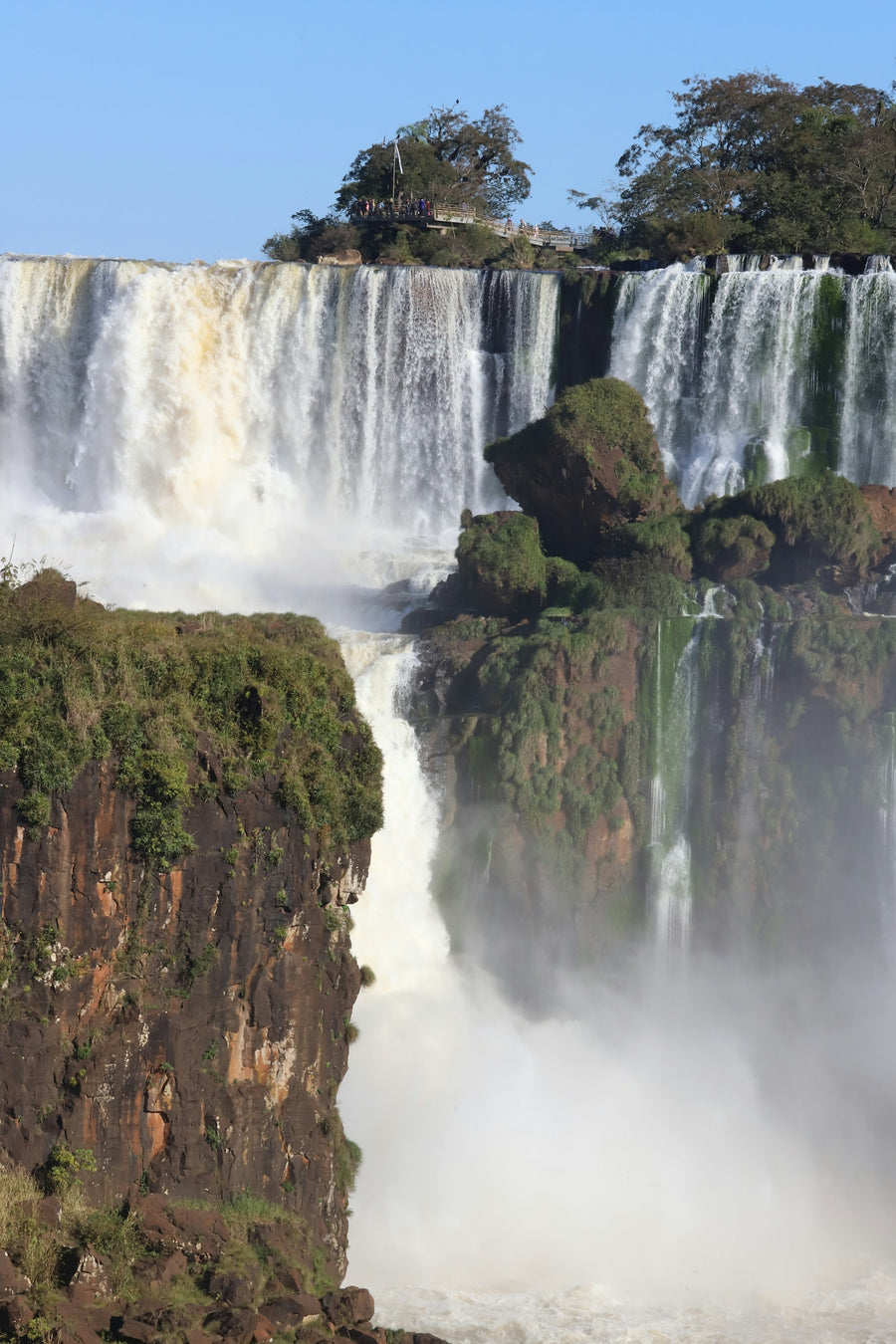
Tropical gateway to the Argentine side of Iguazu Falls.
Suggested stay: 2–3 nights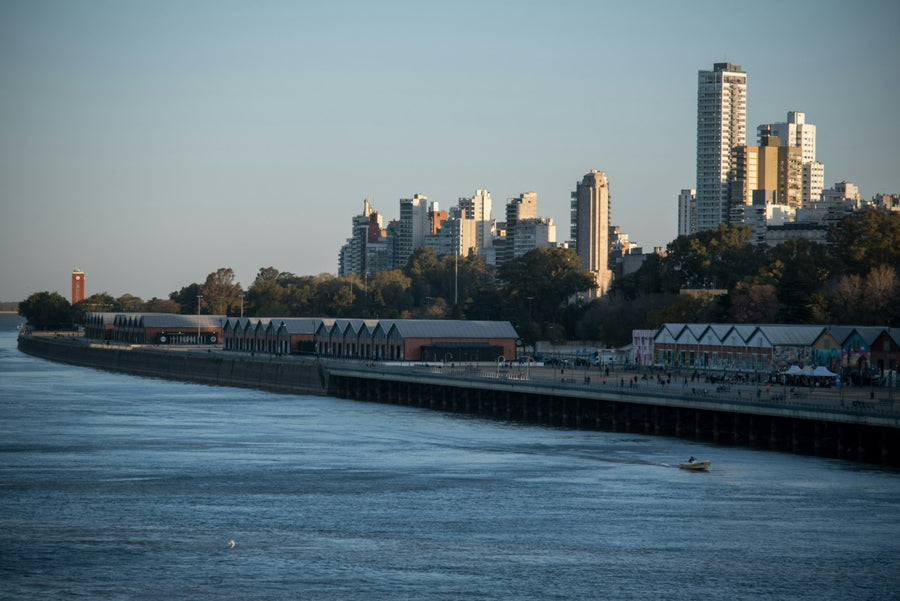
Parana River city known for waterfront spaces and cultural life.
Suggested stay: 2 nightsFeatured experiences and landmarks.
Immense subtropical waterfall system on Argentina’s border with Brazil.
Suggested visit: Full dayAccessible Patagonian glacier in Los Glaciares National Park.
Suggested visit: Full day from El Calafate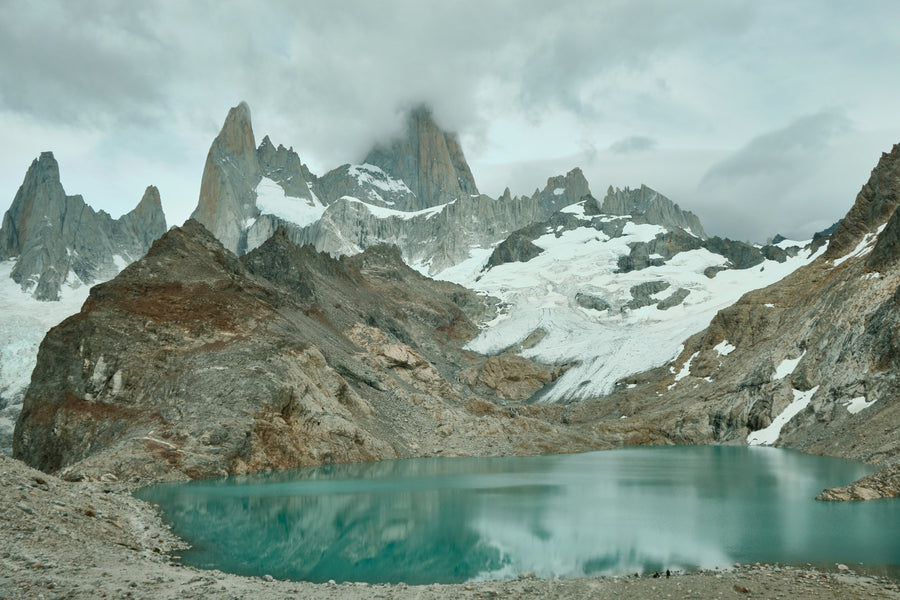
UNESCO park of glaciers, lakes and Patagonian mountain landscapes.
Suggested visit: 3–6 days across both sectors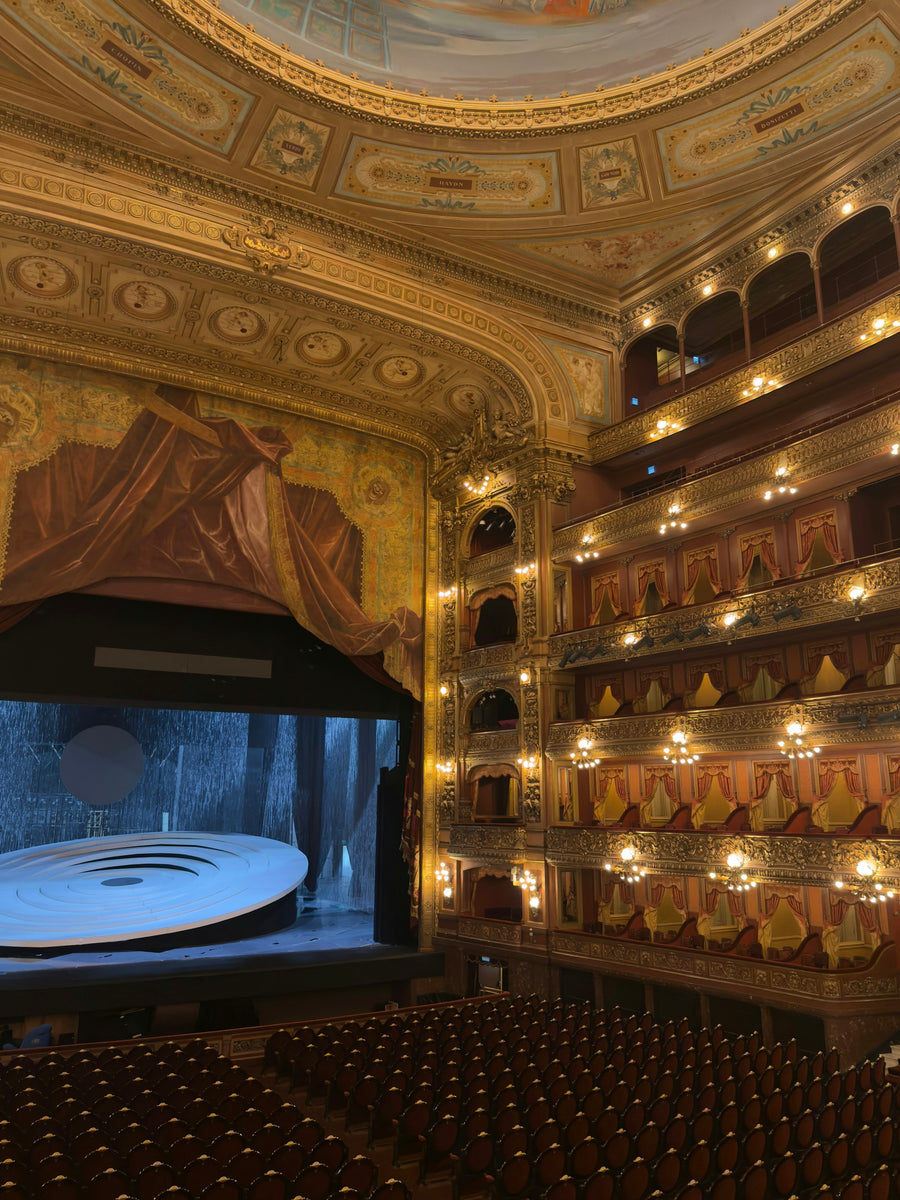
Landmark Buenos Aires opera house renowned for architecture and acoustics.
Suggested visit: About 50 minutes for the guided tour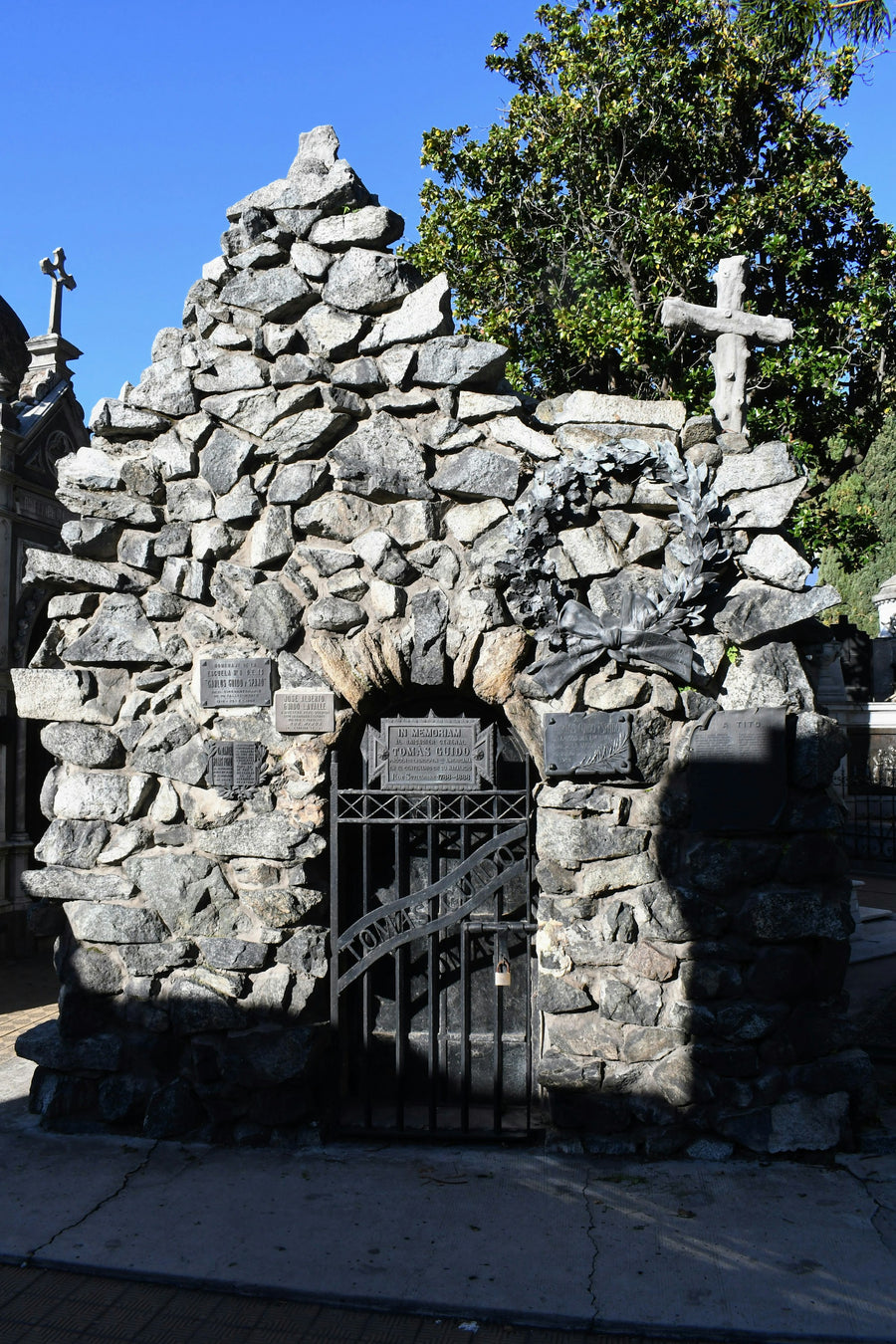
Ornate Buenos Aires cemetery of mausoleums and notable Argentine figures.
Suggested visit: 1–2 hours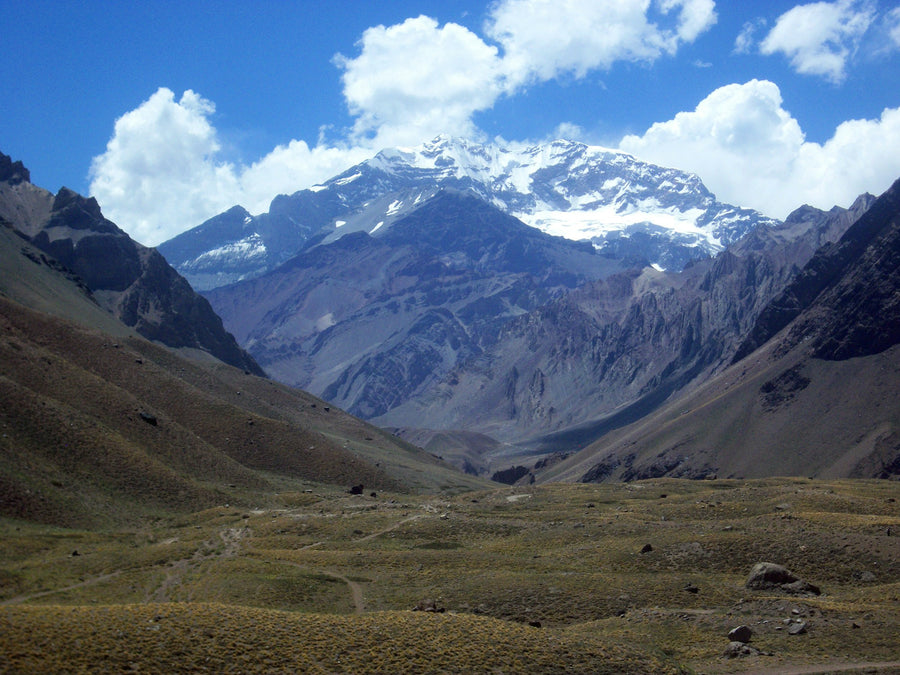
Andean park surrounding the highest peak outside Asia.
Suggested visit: Half to full day for a day visit; expeditions require longer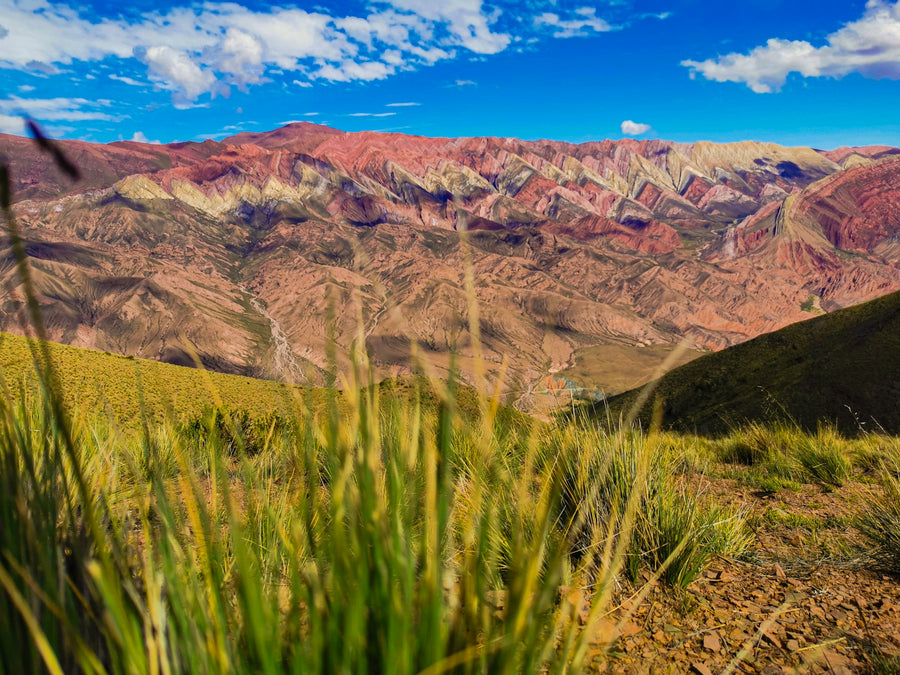
UNESCO-listed Andean valley of colourful geology and historic villages.
Suggested visit: 2–3 days across the valley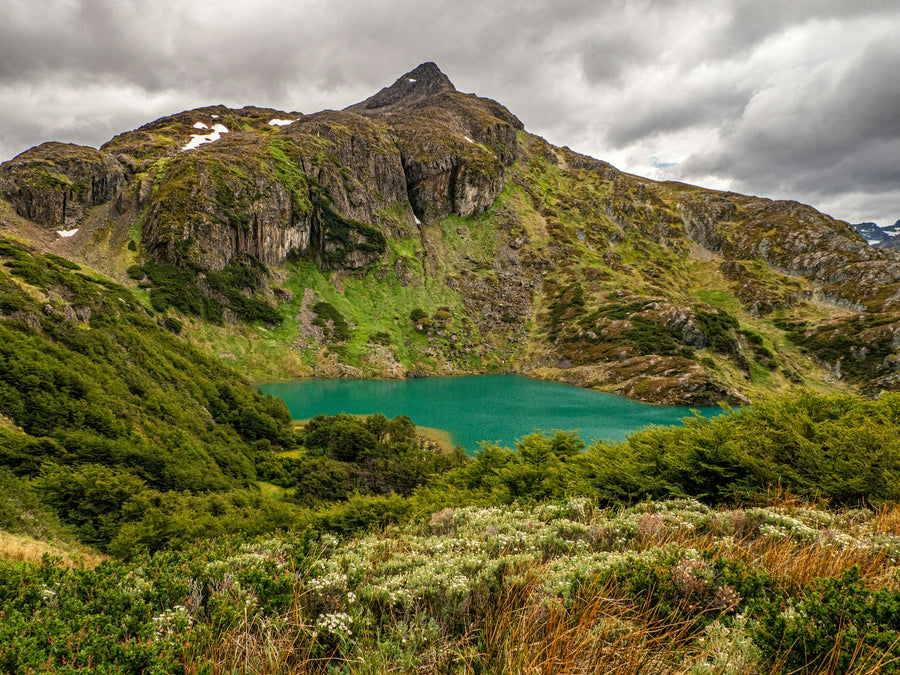
Forests, bays and mountain scenery near Ushuaia at Argentina’s southern tip.
Suggested visit: Half to full dayLake District park around Bariloche with mountains, forests and trails.
Suggested visit: One day to several daysCompare seasons and plan the right time for your trip to Argentina.
Shoulder season for Buenos Aires and Mendoza; early Patagonia routes can retain snow.
Light city layers plus waterproof, insulating clothing for southern or mountain trips.
Long daylight suits Patagonia; Buenos Aires and Iguazú can be hot and humid. Mountain weather remains variable.
Sun protection, light clothing for the north, and windproof waterproof layers for Patagonia.
City touring and Mendoza harvest visits; Patagonia has shorter days and increasingly variable access.
Layers for cool evenings and full rain and wind protection for the south.
Winter can suit the drier northwest and skiing when resorts operate; southern trails need winter preparation.
Warm layers, gloves and waterproof footwear; sun protection for high-altitude days.
Check dates and official sources before making travel decisions.
Canada advises normal precautions nationally and a high degree of caution in Greater Buenos Aires and Rosario. Review current crime, transport disruption, weather and entry advice before travel.
Plan Argentina with Buenos Aires, Iguazú, Mendoza and Patagonia, plus practical itineraries, seasonal advice, official resources and TravelFi eSIM ...
Choose where and when to travel in Latin America, from Mexico and Costa Rica to Peru, Brazil and Patagonia. Compare highlights, seasons, itinerary ...


