
China eSIM
Fixed data plansReliable data for your China trip


Asia
Beijing, Shanghai, high-speed rail, heritage sites and practical China travel planning
Beijing is China's political and historic capital.
Mobile payment is widespread, while international visitors should also keep a supported card and some cash.
Mandarin is the national standard language, with many regional languages also spoken.
One official time zone is used nationwide.
Local numbers use city or mobile prefixes after the country code.
High-speed rail makes multi-city itineraries practical, but distances remain substantial.
China combines imperial capitals, modern megacities, archaeological sites, mountains, river landscapes and highly varied regional cuisines. Its high-speed rail system makes multi-city travel practical, but advance planning is important for tickets, attraction reservations and local digital services.
Mobile data supports maps, translation, rail planning and accommodation communication. Compare the China fixed-data eSIM and the China unlimited-data eSIM before departure.
Allow four to five days for the Forbidden City, Temple of Heaven, hutong areas, museums and a Great Wall day trip. Many major attractions require advance reservations and identification details.
Shanghai combines the Bund, the Pudong skyline, museums, shopping and dining. It also works well as a base for nearby destinations such as Suzhou and Hangzhou.
Xi'an is an essential stop for the Terracotta Army, city walls and Silk Road history. Two to three days is suitable for most first visits.
Chengdu is known for giant pandas, teahouses and Sichuan cuisine. It is also a useful gateway for regional mountain and heritage trips.
Guilin and Yangshuo offer limestone karst scenery and river journeys. Zhangjiajie, Jiuzhaigou and other national parks reward additional planning and seasonal research.
April to May and September to October are generally the strongest periods for multi-city travel. Summer is hot, humid and rainy in many eastern and southern destinations. Winter is cold and dry in northern China but can suit museums, winter landscapes and southern city breaks.
High-speed rail connects many major destinations. Reserve popular routes during holidays, keep passport details consistent across bookings and allow time for station security. Metro systems are extensive in large cities, while mobile data helps with navigation and live transport information.
Visa and visa-free rules depend on nationality, itinerary and purpose. Eligible travellers transiting to a third country or region may qualify for China's 240-hour visa-free transit policy through designated ports and permitted areas. Confirm requirements with official immigration or consular sources before booking.
China uses 220 V at 50 Hz. Type A, C and I socket forms are encountered, so a universal adapter is practical. Verify that devices from 100–120 V countries support 220 V.
A fixed plan suits maps, messaging and routine travel. Frequent translation, video, hotspot sharing or remote work may justify the unlimited China eSIM.
Ten to fourteen days allows a focused first itinerary such as Beijing, Xi'an and Shanghai. Two to three weeks supports a slower route with Chengdu, Guilin or national parks.
Yes. Mobile data is particularly valuable for maps, translation, transport and accommodation communication. Confirm the plan's supported services and install it before departure.
Plan on 10–20 GB for a two-week sightseeing trip. Unlimited data is better for frequent video, hotspot use or remote work.
A universal adapter supporting Type A, C and I outlets is the most practical option. Confirm that your devices accept 220 V.
That depends on nationality and itinerary. Some travellers qualify for visa-free entry or transit policies, including eligible 240-hour transit itineraries. Verify the current official rules before travel.
Select your plan before departure, install the eSIM over reliable Wi-Fi and retain the QR code and setup instructions for reference.
Get mobile data for your China trip with a local or region-wide eSIM.
Reliable data for your China trip

Unlimited data, no daily limits


TravelFi editorial destination ratings.
Strong urban and transport-corridor connectivity, with planning needed for app access and remote regions.
Broad accommodation and dining choices, with efficient rail travel between major cities.
Exceptional imperial, archaeological, religious and Silk Road heritage across the country.
Karst scenery, high mountains, river valleys, forests and national parks provide exceptional variety.
Strong rail links, museums, parks and major attractions support family trips, with language and app preparation helpful.
220 V · 50 Hz
Two flat parallel pins. Usually ungrounded.
Two round pins. Usually ungrounded.
Type I has two flat pins arranged in an inverted V, with an optional vertical grounding pin.
GroundedType A, C and I socket forms are encountered. A universal adapter is the most practical choice for multi-city travel.
Travellers from 100–120 V countries should verify that chargers and appliances support 220 V before use.
Forecast location: Beijing, China
China has highly diverse climates, from cold continental conditions in the north and west to humid subtropical and tropical climates in the south. Elevation, monsoon patterns and distance from the coast strongly shape local conditions.
Loading current weather…
Places to include in your China itinerary.
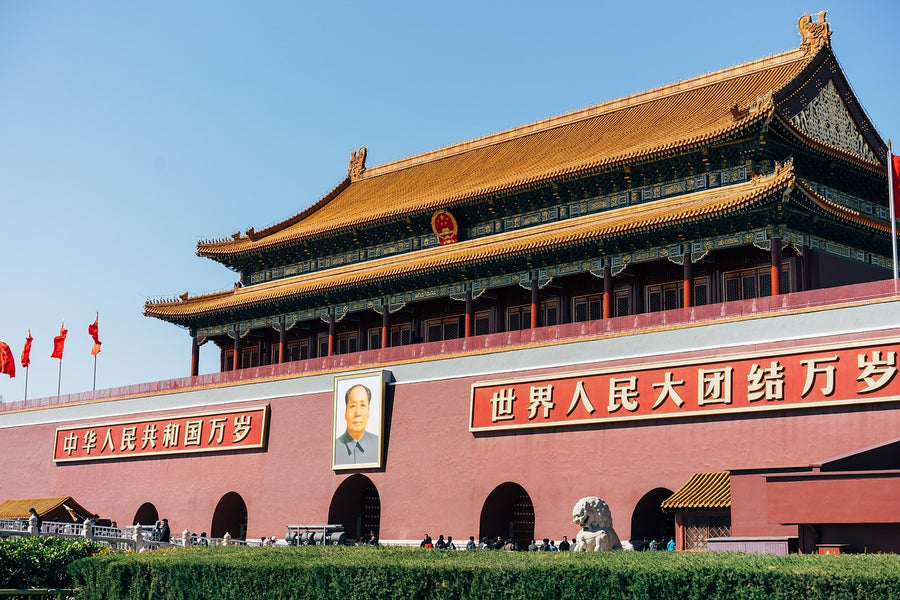
China's capital, combining imperial landmarks, hutong neighbourhoods, museums and access to the Great Wall.
Suggested stay: 4–5 days
A global waterfront metropolis known for the Bund, modern architecture, shopping, dining and nearby water towns.
Suggested stay: 3–4 days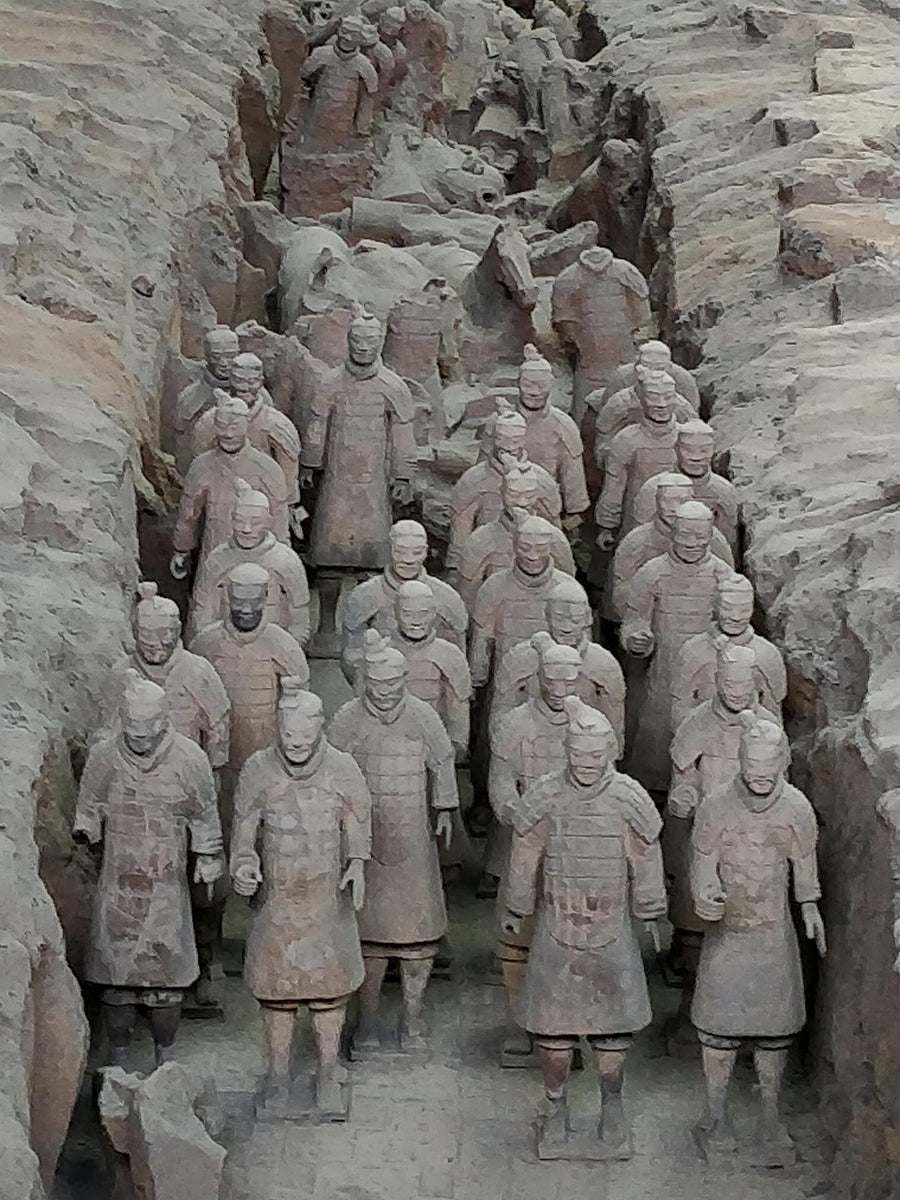
An ancient capital and Silk Road gateway, best known for the Terracotta Army and preserved city walls.
Suggested stay: 2–3 days
A relaxed Sichuan capital famous for giant pandas, teahouses, spicy cuisine and regional day trips.
Suggested stay: 3–4 days
A major southern city known for Cantonese cuisine, riverfront districts, trade and historic temples.
Suggested stay: 2–3 days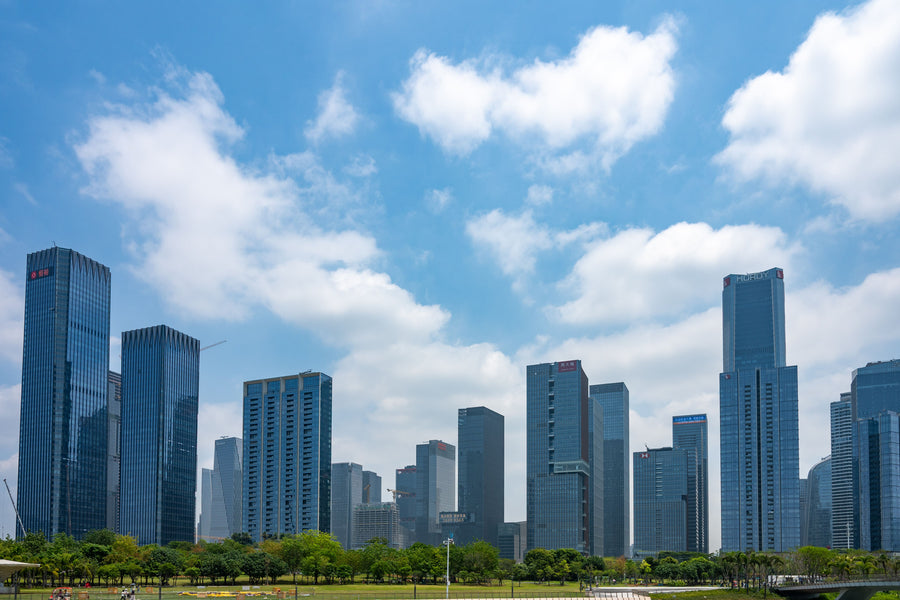
A fast-moving technology city with contemporary architecture, parks, shopping and easy regional connections.
Suggested stay: 1–3 days
A scenic city centred on West Lake, historic temples, tea culture and convenient high-speed rail.
Suggested stay: 2–3 days
A gateway to karst peaks, the Li River, Yangshuo and some of China's most recognizable landscapes.
Suggested stay: 3–4 days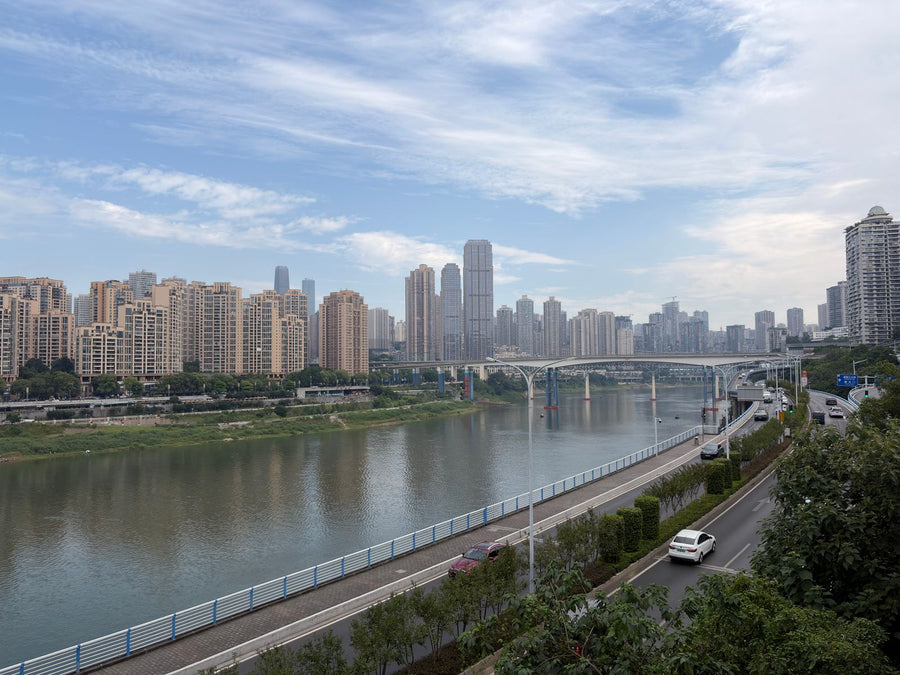
A dramatic hillside megacity known for river views, hotpot, layered streets and Yangtze cruise connections.
Suggested stay: 2–4 daysFeatured experiences and landmarks.
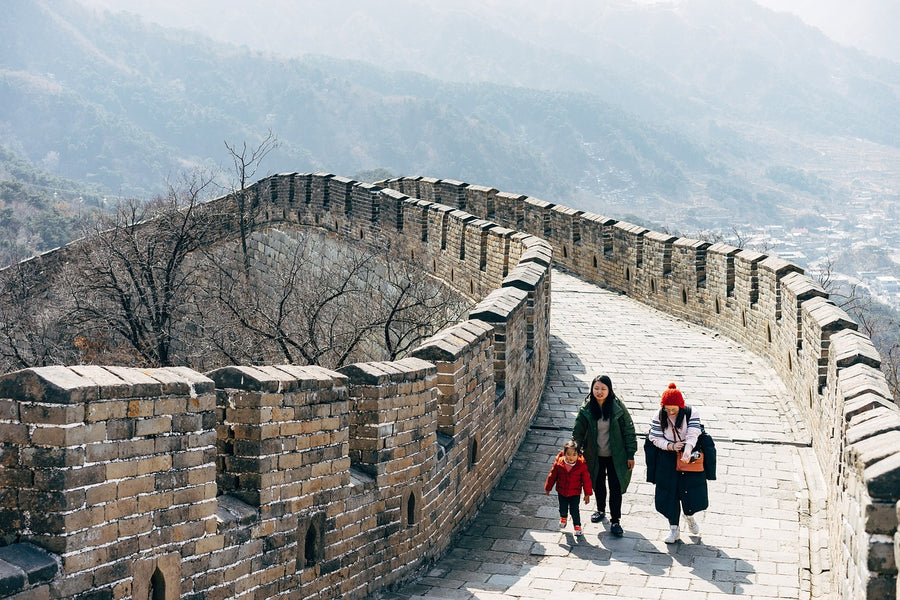
China's most famous fortification, with accessible sections near Beijing ranging from restored to rugged.
Suggested visit: Half to full dayThe monumental imperial palace complex at the heart of Beijing, now home to the Palace Museum.
Suggested visit: 3–5 hoursThousands of life-sized terracotta soldiers and horses created for the mausoleum of China's first emperor.
Suggested visit: Half dayShanghai's landmark riverfront promenade, facing the futuristic Pudong skyline across the Huangpu River.
Suggested visit: 2–3 hoursA major conservation and research centre where visitors can observe giant pandas in landscaped habitats.
Suggested visit: 3–4 hoursHangzhou's celebrated lake landscape of causeways, gardens, temples and historic viewpoints.
Suggested visit: Half to full dayA celebrated river journey through limestone karst scenery between Guilin and Yangshuo.
Suggested visit: 1 day
A dramatic protected landscape of sandstone pillars, forests, cableways and elevated viewpoints.
Suggested visit: 2–3 days
A high-altitude valley renowned for colourful lakes, waterfalls, forests and Tibetan cultural landscapes.
Suggested visit: 2–3 daysCompare seasons and plan the right time for your trip to China.
Spring is one of China's strongest seasons for city travel and outdoor sightseeing, though regional weather varies widely.
Pack layers and rain protection; northern mornings can remain cool.
Summer is hot, humid and rainy across many major cities, while higher-altitude and northern destinations can be more comfortable.
Bring breathable clothing, sun protection, hydration supplies and rain gear.
Autumn is widely considered the best season for China, with comfortable temperatures and strong conditions for cities and landscapes.
Bring layers; conditions cool quickly from north to south as the season progresses.
Winter brings severe cold to northern China, milder conditions in the south and distinctive snow and ice experiences.
Pack insulated layers for the north and lighter layers for southern destinations.
Check dates and official sources before making travel decisions.
Eligible nationals transiting to a third country or region may use China's 240-hour visa-free transit policy through designated ports and permitted areas. Requirements and eligibility should be checked before booking.
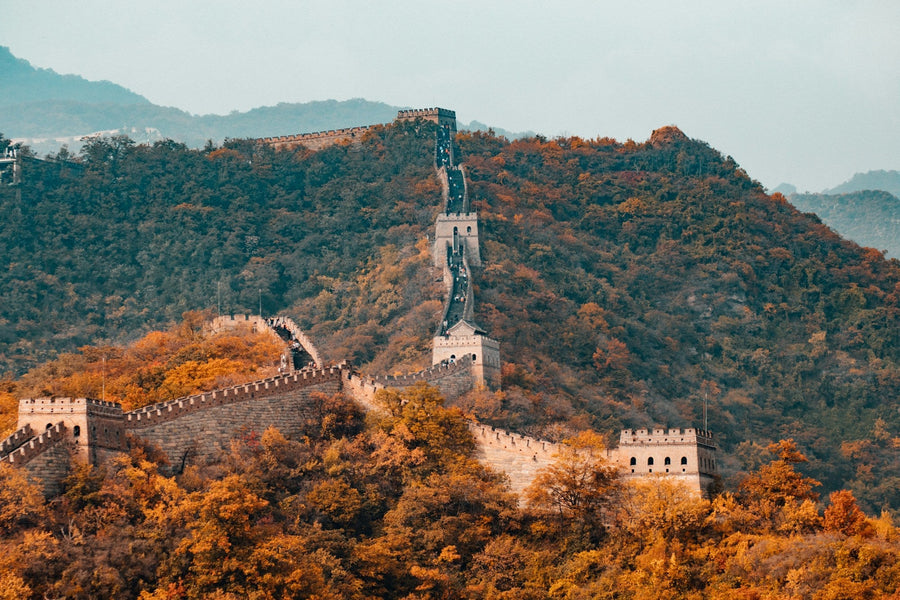
Plan a China trip with guidance on major cities, high-speed rail, seasons, entry planning, power plugs and choosing a fixed or unlimited China eSIM.


