
Kroatien eSIM
Fixed data plansReliable data for your Croatia trip


Europe
Croatia combines historic Adriatic cities, island-dotted coastline, national parks and a strong food-and-wine scene, making it ideal for both city breaks and longer coastal trips.
Croatia’s capital and largest city.
Croatia uses the euro.
English is widely used in major tourism areas.
International country calling code.
Single European emergency number.
Croatia is an EU and Schengen Area member.
Croatia is one of Europe’s most versatile destinations, combining the Adriatic coast, historic cities, islands, national parks and a strong food-and-wine culture. This TravelFi guide covers when to go, where to stay, what to see and how to stay connected.
May, June and September are excellent months for warm weather and lighter crowds. July and August bring the hottest coastal weather and the busiest ferry, beach and accommodation season. Spring and autumn work particularly well for Zagreb, Plitvice Lakes and road trips.
Walk the Old Town walls, explore limestone streets and use the city as a base for southern Dalmatia. Early morning and late afternoon are the most comfortable times in peak summer.
Split centres on Diocletian’s Palace and is the main jumping-off point for Hvar, Brač and other islands. Allow several days if you plan to combine the city with ferry travel.
Croatia’s capital offers cafés, museums, markets and the historic Upper Town, making it a strong city-break destination year-round.
Rovinj and Pula pair Venetian-style coastal towns with Roman heritage, truffles, wine and easy road-trip routes.
Plitvice Lakes and Krka are two of the country’s headline nature experiences. Advance planning is worthwhile in summer.
Buses connect many cities, while ferries are essential for island itineraries. A rental car is useful for Istria, national parks and multi-stop coastal trips, but parking can be difficult in historic centres.
The Adriatic coast has hot, sunny summers and relatively mild winters, while Zagreb and inland areas have a more continental climate. Pack sun protection and light clothing in summer, plus comfortable shoes for stone streets. Shoulder-season travellers should bring a light waterproof layer.
Croatia uses Type C and Type F sockets with 230 V at 50 Hz. Travellers from North America, the UK and other plug systems should carry a compatible adapter and check device voltage support.
A travel eSIM is useful for navigation, ferry schedules, ride apps, translation and keeping bookings accessible while moving between cities and islands. TravelFi offers both Croatia fixed-data eSIM plans and Croatia unlimited-data eSIM plans. Install your eSIM before departure when possible, then activate it according to the plan instructions.
For a typical one-week trip, 5–10 GB is comfortable for maps, messaging, browsing and moderate social media use. Heavy video, hotspot use or remote work can justify an unlimited plan.
Yes. Croatia is part of the Schengen Area and the European Union.
Croatia uses the euro (EUR).
English is commonly spoken in major tourism destinations, hotels, restaurants and tour businesses.
If your plug does not fit Type C or F sockets, yes. Also confirm your device supports 230 V.
Yes. Mobile data is especially useful for ferry updates, maps, accommodation messaging and changing travel plans.
Seven to ten days works well for a first trip, while two weeks allows a slower combination of cities, islands and national parks.
Compare fixed-data Croatia eSIM plans for predictable usage or choose an unlimited Croatia eSIM for heavier travel data needs.
Get mobile data for your Croatia trip with a local or region-wide eSIM.
Reliable data for your Croatia trip

Unlimited data, no daily limits
TravelFi editorial destination ratings.
Long Adriatic coastline with extensive island-hopping options.
Roman, Venetian and Central European heritage across major cities.
National parks, waterfalls, mountains and marine landscapes.
Strong regional seafood, truffles, olive oil and wine traditions.
Good tourism infrastructure and mobile connectivity in major destinations.
230 V · 50 Hz
Two round pins. Usually ungrounded.
Two round pins with side grounding contacts. Often called the Schuko plug.
GroundedCroatia uses Type C and F sockets. Travellers using other plug systems should carry a compatible European or universal adapter.
Check that chargers and appliances support 230 V at 50 Hz; a plug adapter does not convert voltage.
Forecast location: Zagreb
Croatia has a Mediterranean climate along the Adriatic coast and a more continental climate inland. Summers are generally hot and sunny on the coast, while winters are cooler inland.
Loading current weather…
Places to include in your Croatia itinerary.
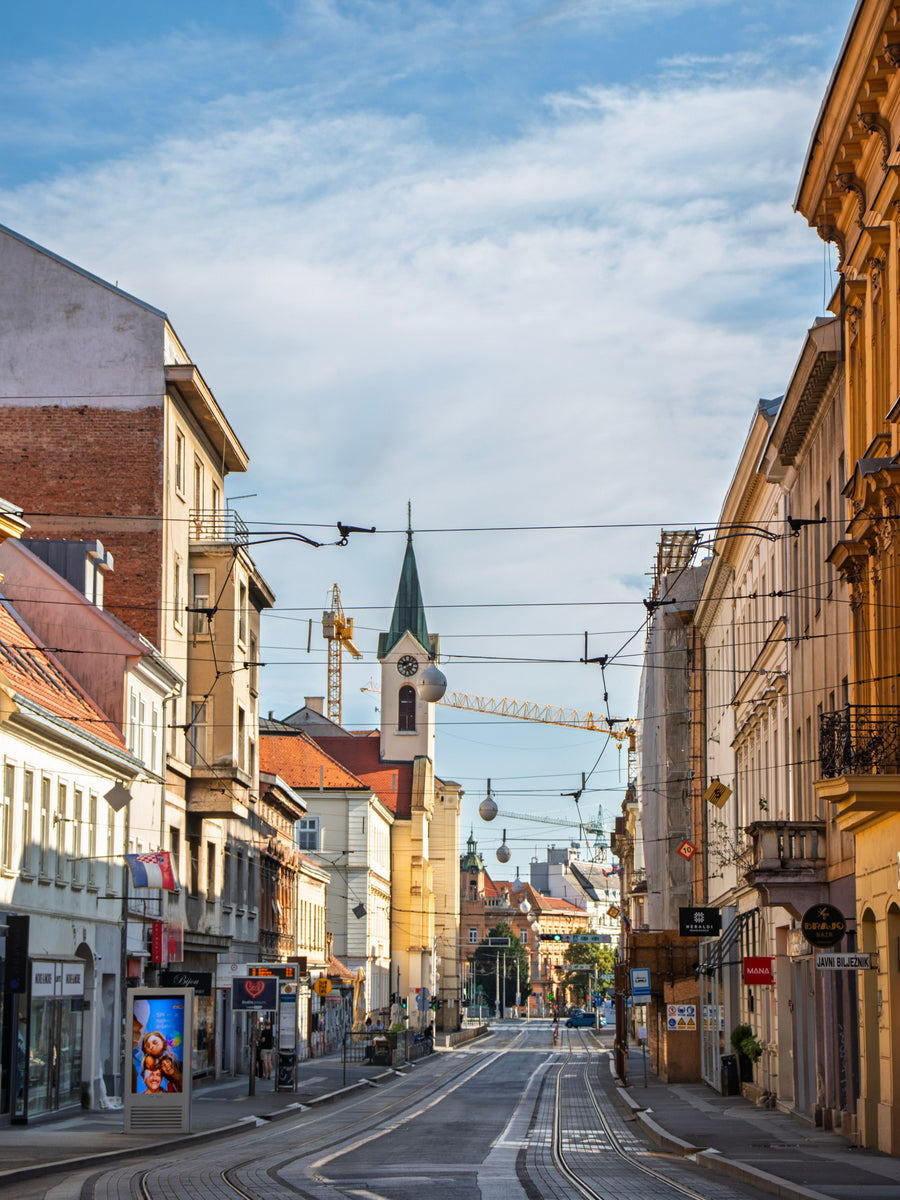
Croatia’s capital mixes Austro-Hungarian architecture, lively cafés, museums and a walkable historic centre.
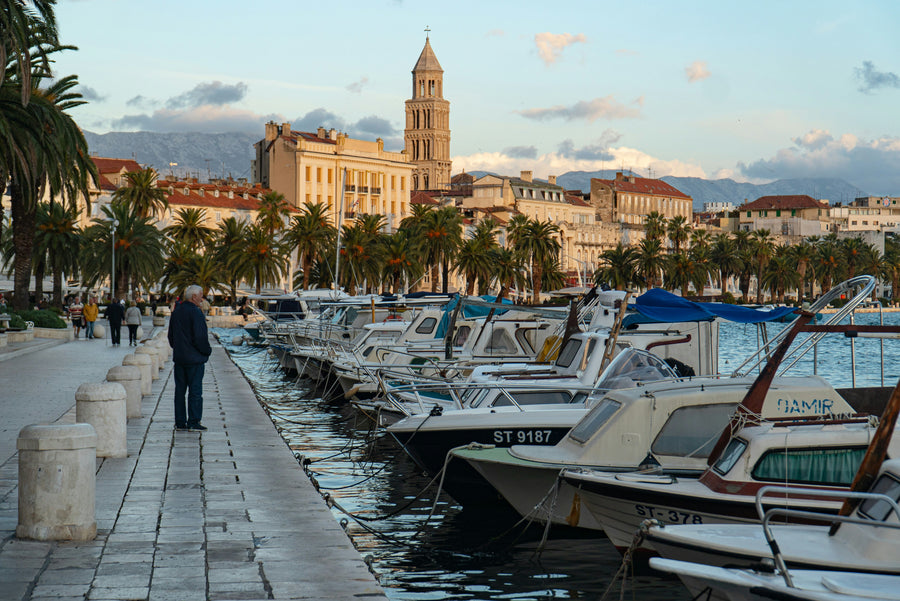
A major Dalmatian hub built around Diocletian’s Palace, with ferries to Hvar, Brač and other Adriatic islands.
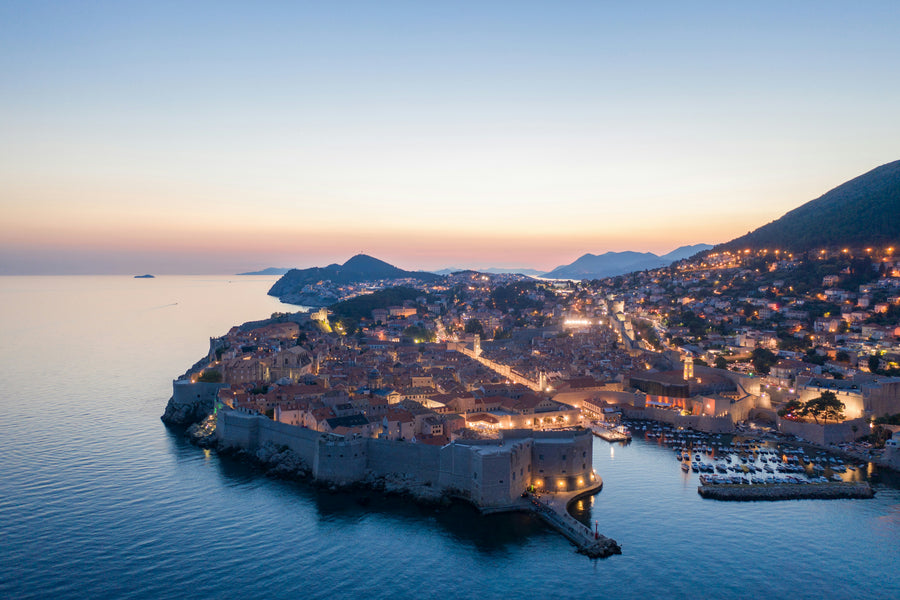
A fortified Adriatic city famous for its medieval walls, limestone streets and sea views.
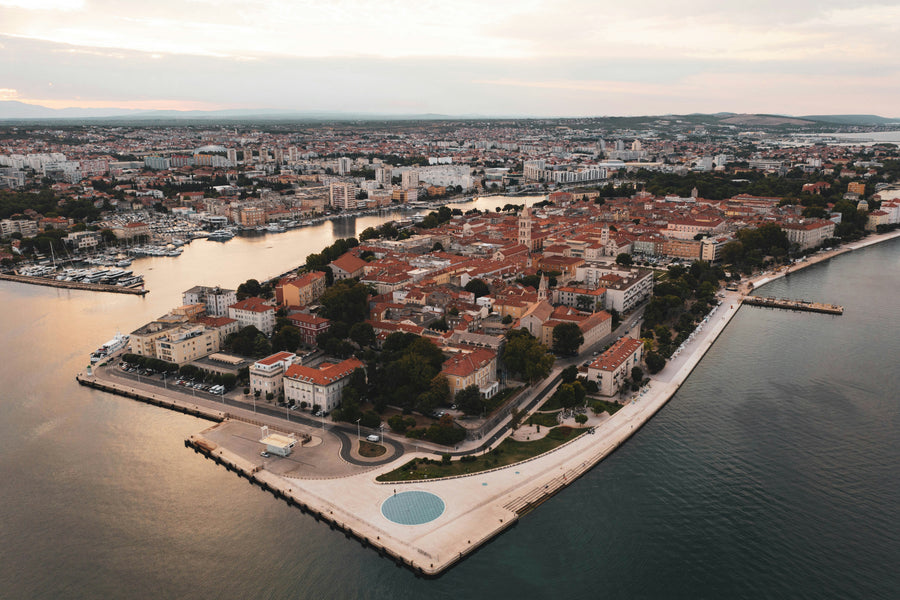
A compact coastal city known for Roman remains, the Sea Organ and easy access to northern Dalmatia.
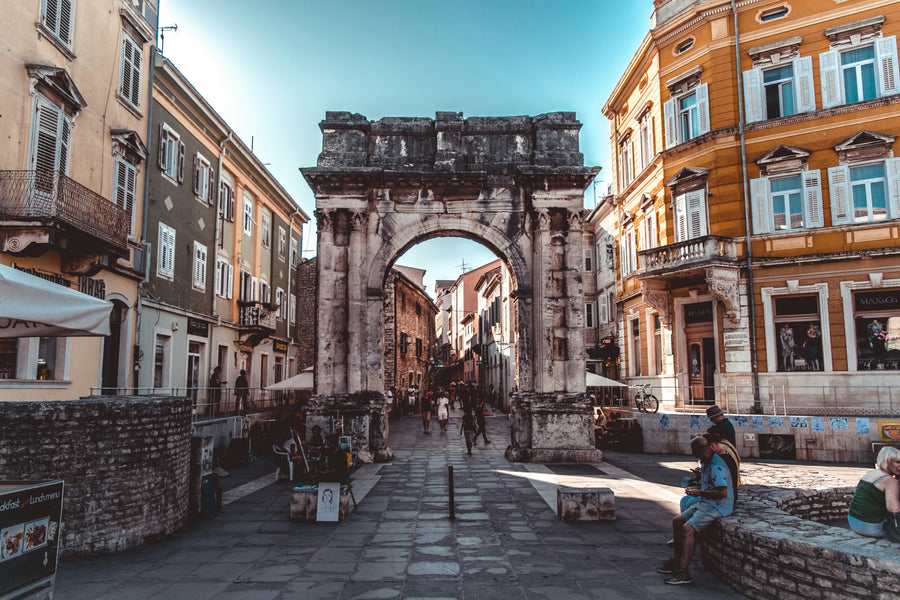
Istria’s largest city, centred on one of the world’s best-preserved Roman amphitheatres.
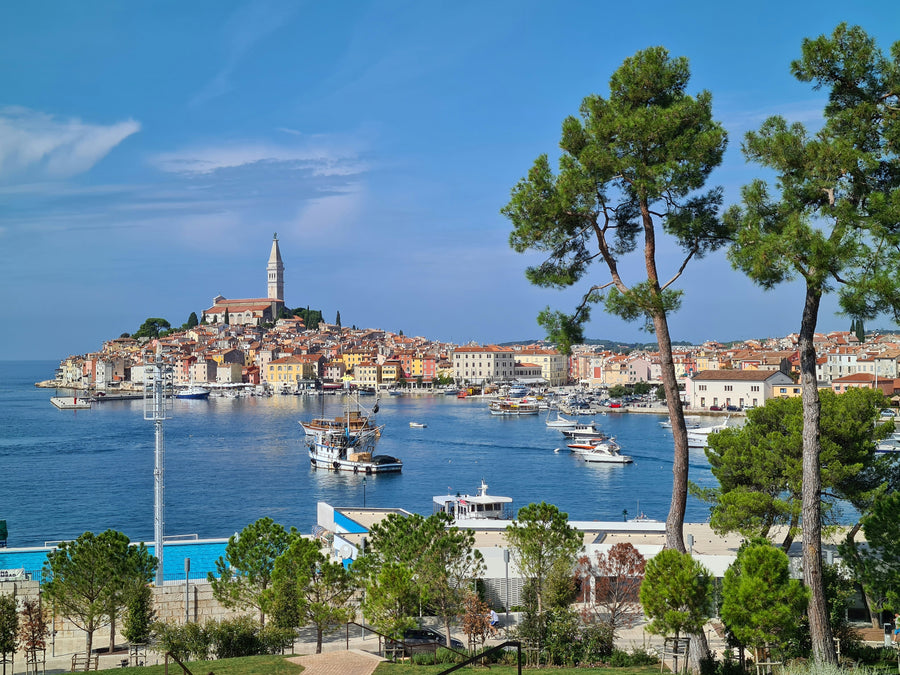
A photogenic Istrian harbour town with pastel waterfront houses, cobbled lanes and excellent dining.
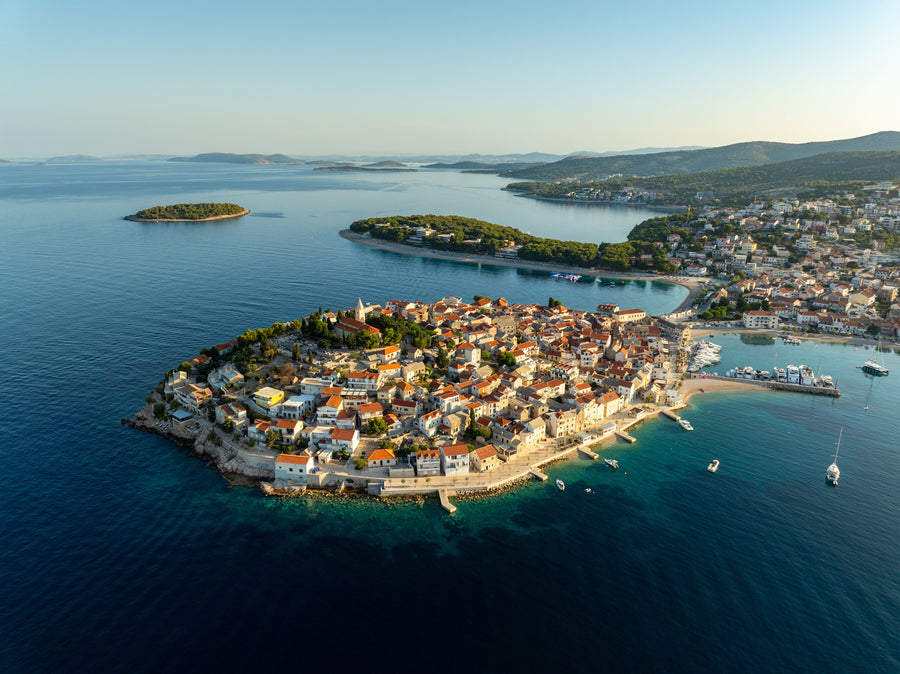
A historic Dalmatian city with stone lanes, fortresses and convenient access to Krka National Park.
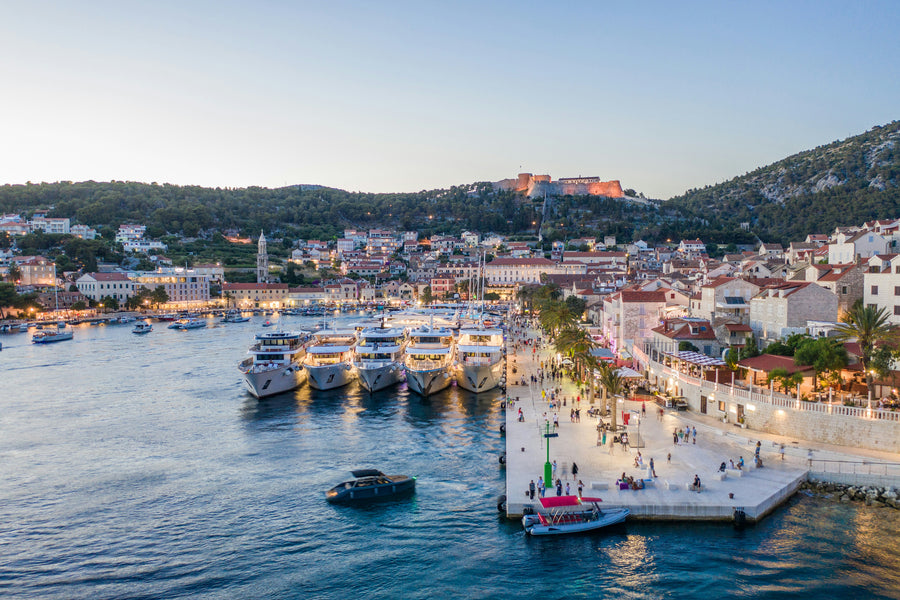
A stylish island town combining Venetian heritage, beaches, nightlife and access to the Pakleni Islands.
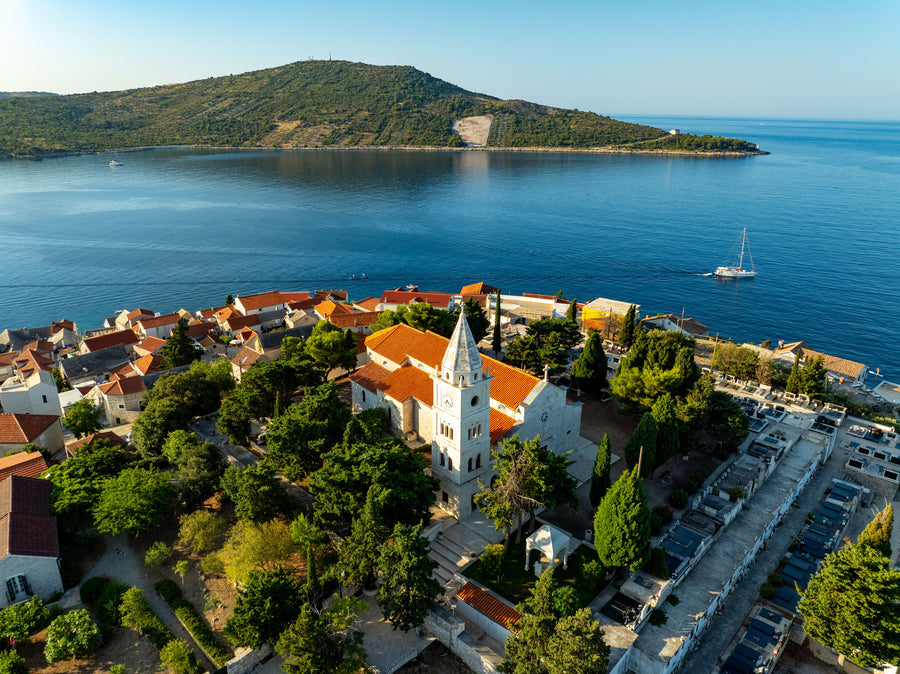
A compact walled island town with medieval streets, local wine and easy access to quiet coves.
Featured experiences and landmarks.
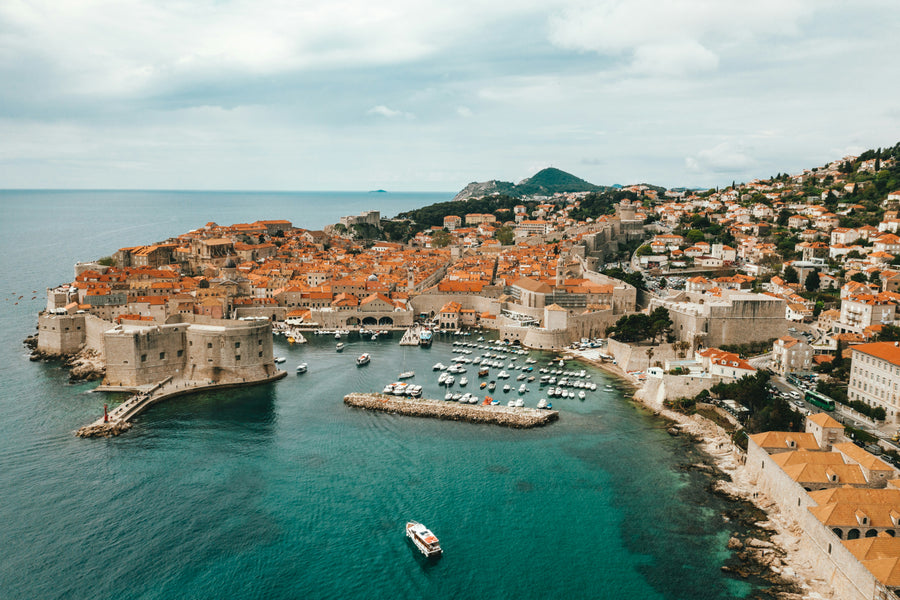
UNESCO-listed fortified old town with monumental walls, baroque streets and Adriatic views.
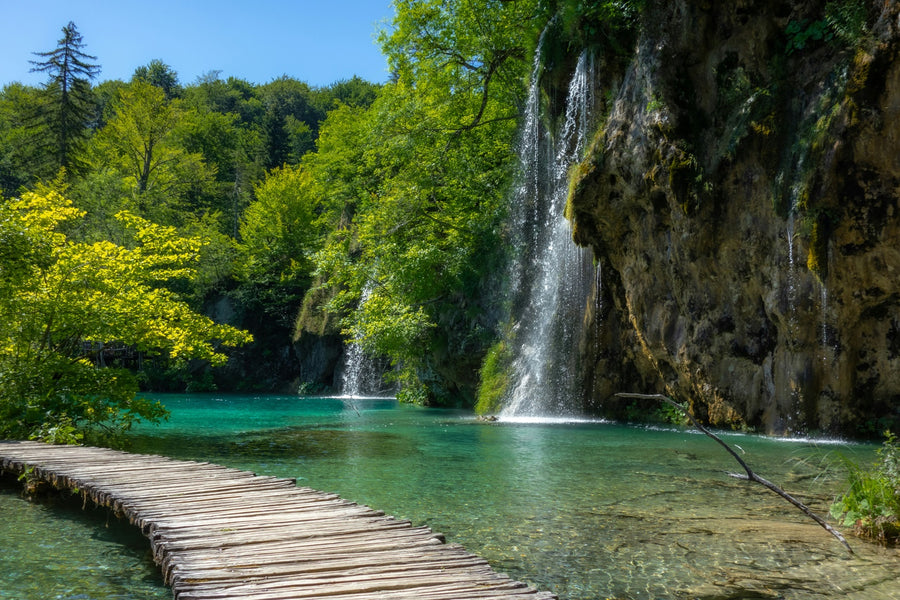
A UNESCO-listed landscape of turquoise lakes, waterfalls and forest boardwalks.
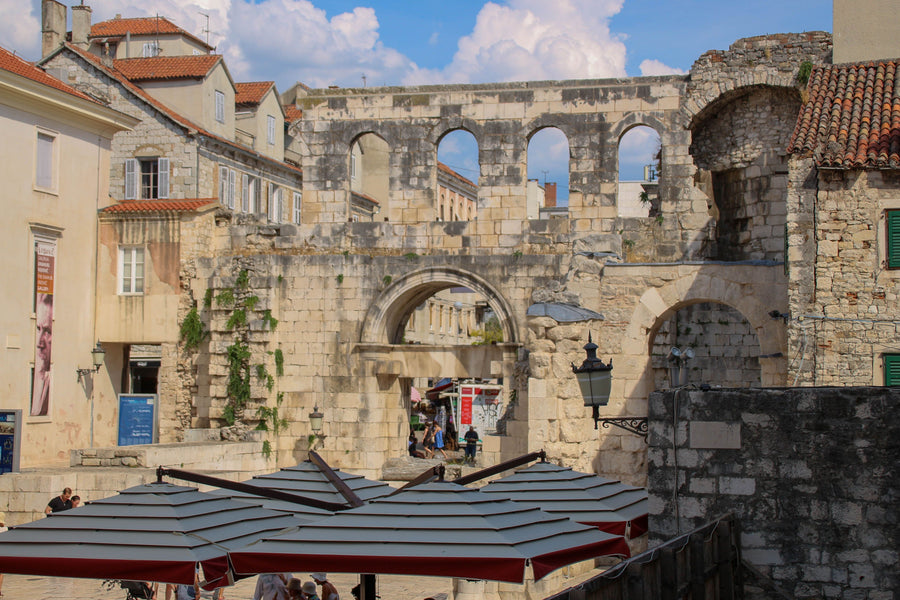
A living Roman palace complex forming the historic heart of Split.
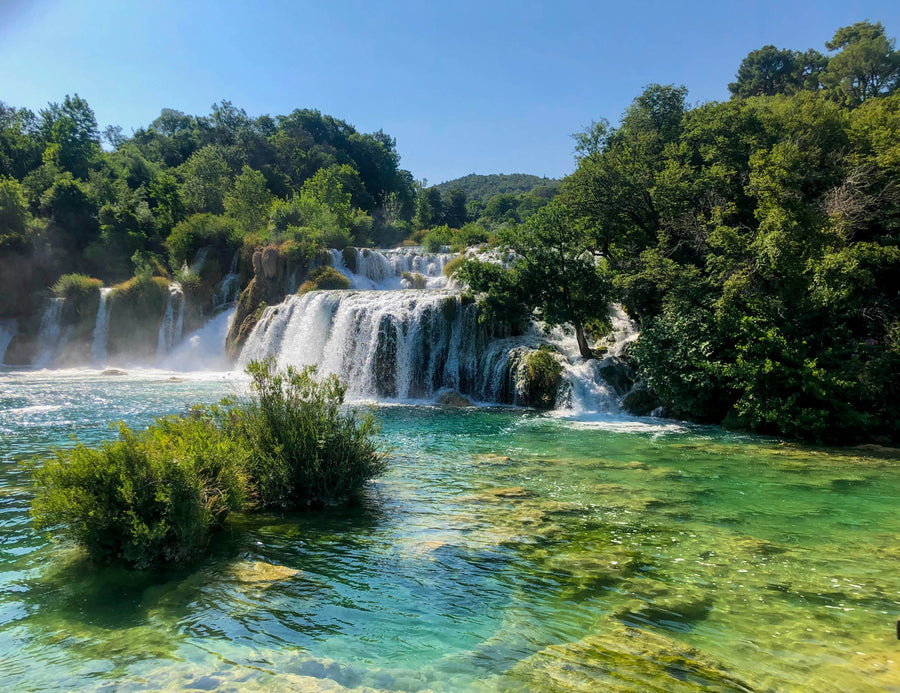
River canyons, waterfalls, monasteries and walking trails near Šibenik.
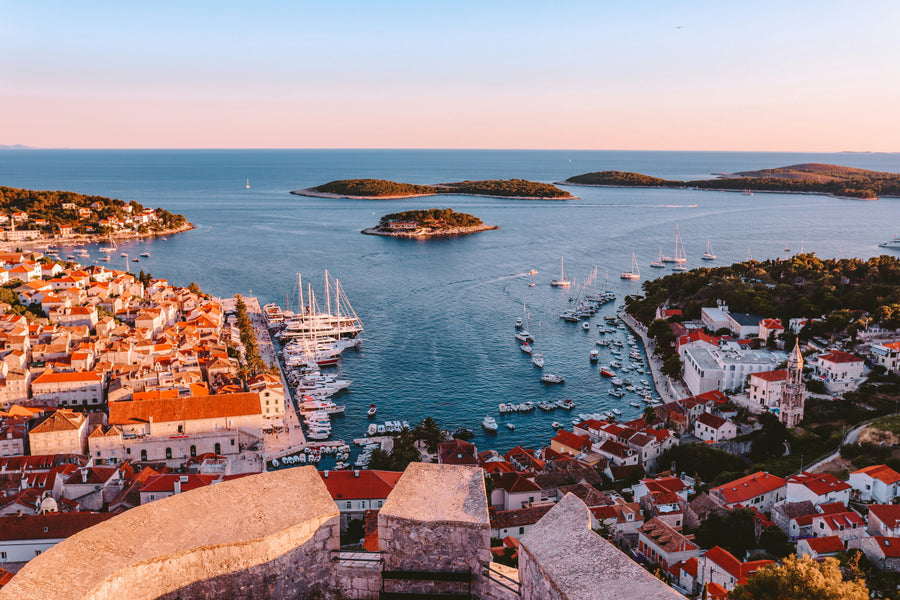
A classic Adriatic combination of historic Hvar Town, secluded coves and island-hopping.
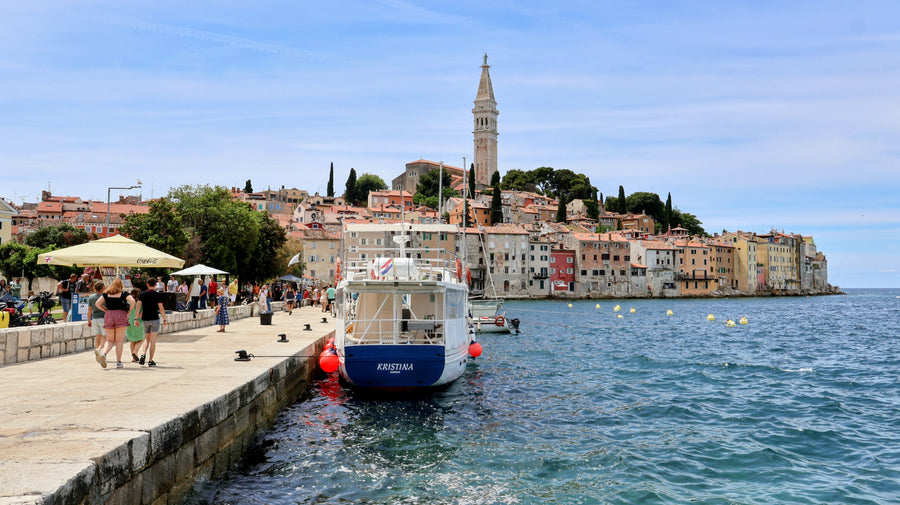
A compact hilltop old town of Venetian-style lanes overlooking the Istrian coast.
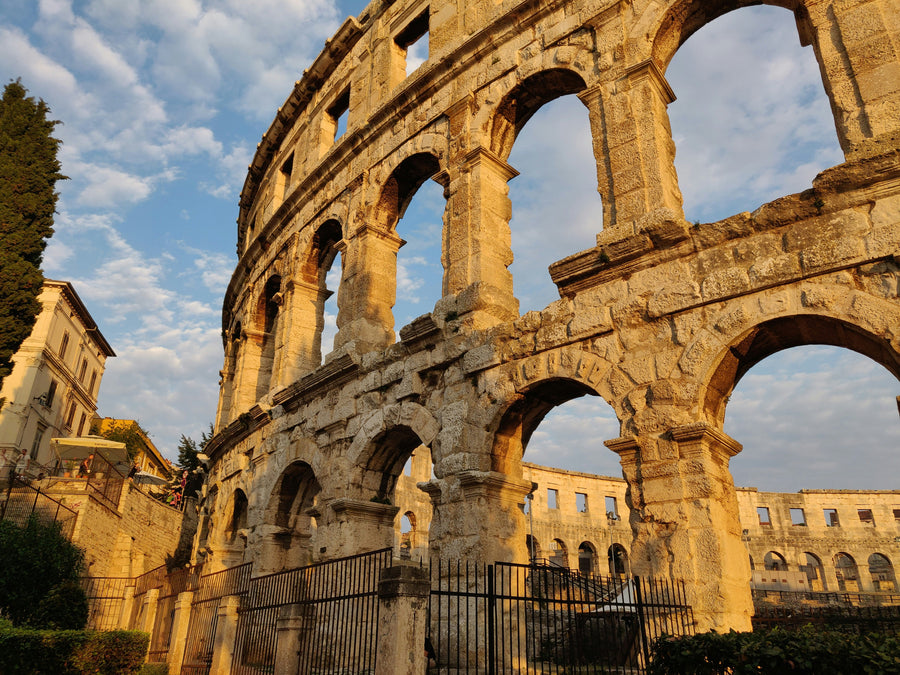
One of the best-preserved Roman amphitheatres, still used for events and performances.
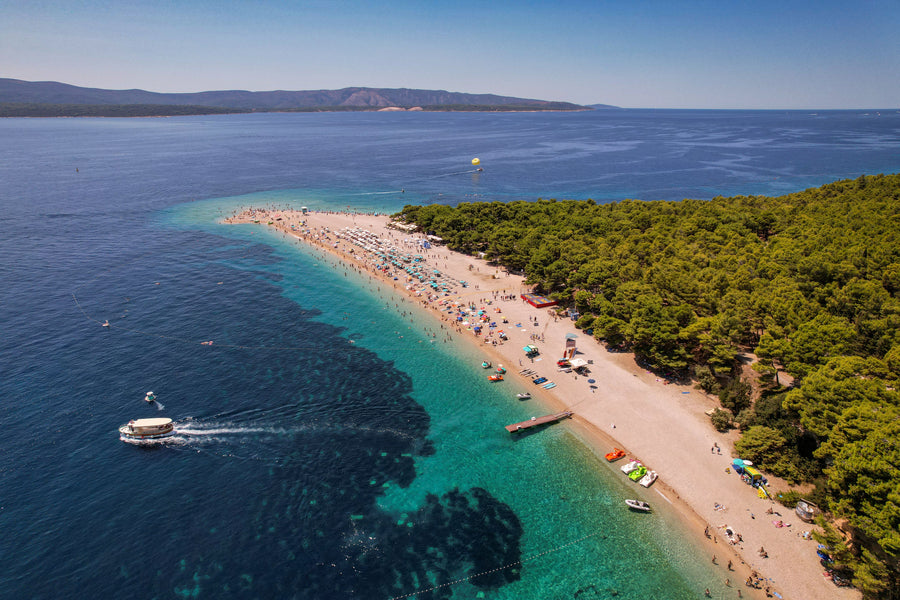
A distinctive pebble beach on Brač whose narrow spit changes shape with wind and currents.
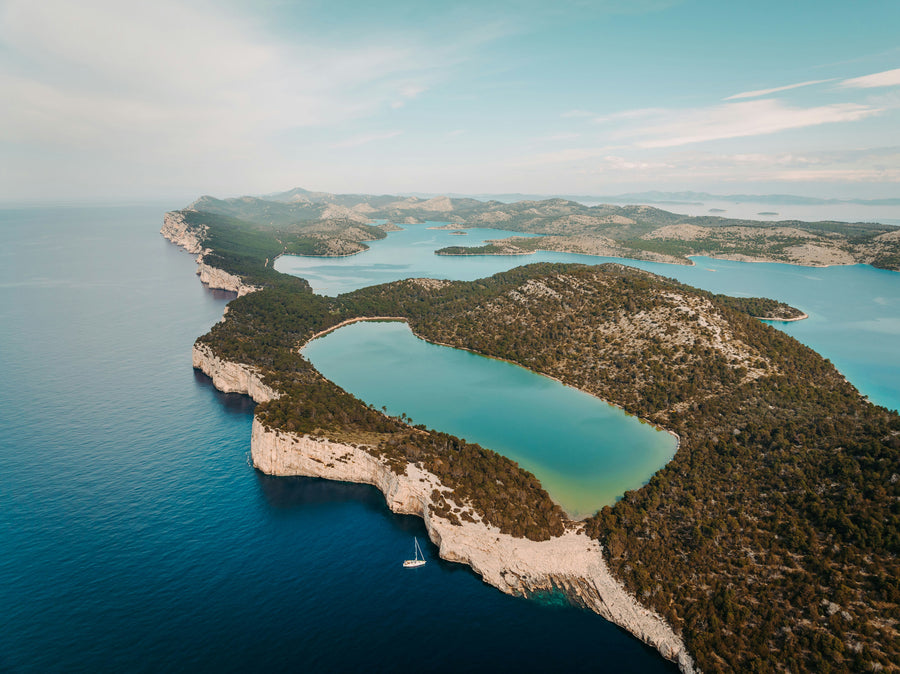
A striking archipelago of rocky islands and clear Adriatic water best explored by boat.
Compare seasons and plan the right time for your trip to Croatia.
A comfortable shoulder season with greener landscapes and lighter crowds.
Peak Adriatic season with warm sea temperatures, long days and the largest crowds.
September often retains summer warmth while October and November become quieter and cooler.
Quiet season for coastal towns and a good time for Zagreb and cultural travel.
Check dates and official sources before making travel decisions.
The U.S. Department of State lists Croatia at Level 1: Exercise Normal Precautions.
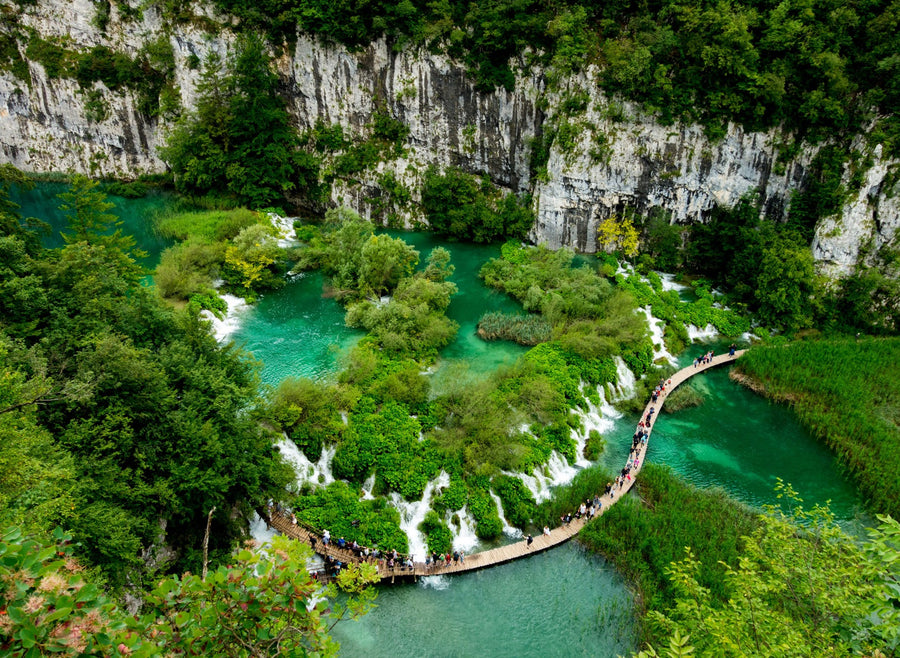
Plan your visit to Plitvice Lakes National Park with practical tips on entrances, walking routes, waterfalls, transport, the best time to go, what ...
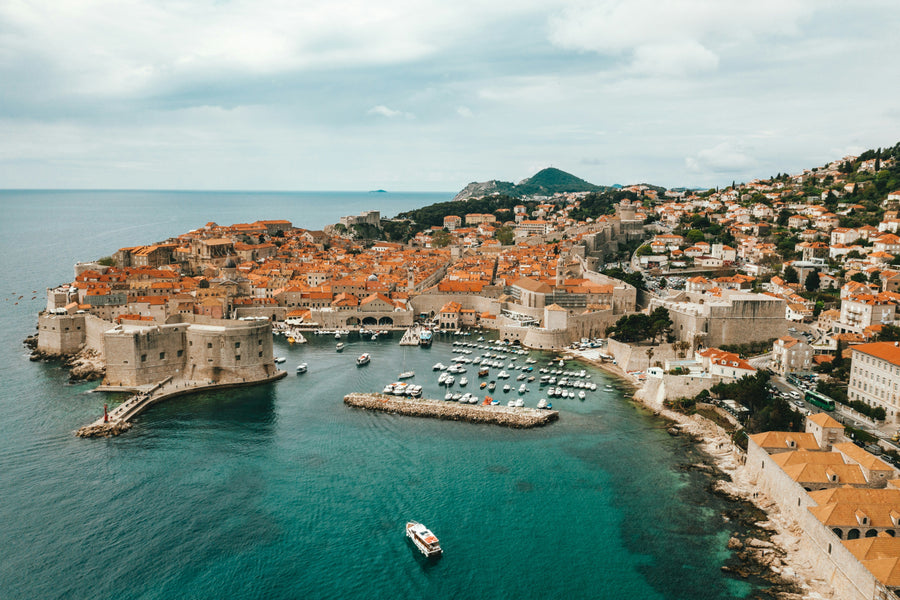
Plan a Dubrovnik trip with the best things to do, beaches, day trips, practical travel tips and Croatia eSIM options for staying connected.


