
Estland eSIM
Fixed data plansReliable data for your Estonia trip


Europe
Medieval Tallinn, Baltic islands and peaceful nature trails
Main international gateway and a practical first base.
Carry a payment card and a small cash backup.
English is widely used in visitor services.
UTC+2 in winter; UTC+3 during daylight saving time.
For emergency services.
Standard Type C Europlugs are compatible; check charger voltage.
Estonia brings together medieval streets, university culture, Baltic beaches and quiet forest landscapes within a manageable trip. Tallinn is an easy first base, but a longer stay lets you discover Tartu, the western coast and Saaremaa. Decide whether you want a city break, a mainland circuit or an island escape before booking: fitting every region into a few days leaves little time to enjoy them.
Allow two or three nights for the capital. Start around Town Hall Square, then walk the lanes of the UNESCO-listed historic centre up towards Toompea. Patkuli and Kohtuotsa viewpoints offer different perspectives over the roofs and towers. Cobbles, inclines and steps can affect accessibility; choose routes to suit your group. Check Visit Tallinn for attraction details rather than assuming that every tower or church is open daily.
Keep another half-day for Kadriorg's park paths and art museums, or explore the cafés and creative spaces around Telliskivi and Kalamaja. Kadriorg Park works as an outdoor break; its museums have separate admission and opening arrangements.

Tartu rewards one or two nights rather than a hurried turnaround from Tallinn. Walk around Town Hall Square and the Emajõgi riverfront, then climb towards the wooded paths and historic bridges of Toomemägi. Add museums or a café stop according to your interests. Use Visit Tartu for the current programme and visitor information; university buildings and venues are not all open for casual visits.
Pärnu is a natural choice for a summer coastal stay, with a sandy beach, parkland and an easy-going resort atmosphere. Outside beach season, focus on walks, food and a booked spa visit. Swimming conditions vary: check local information and any lifeguard flags. Visit Pärnu lists events and practical information. One or two nights is a useful starting point, with more time for a relaxed holiday.

Use Kuressaare as a base for its castle, cafés and waterfront before exploring more of Saaremaa. The island suits two or three nights, especially if you want countryside stops as well as town time. Check the official island guide and the castle's current visitor arrangements before setting out.
The usual mainland road route uses the ferry from Virtsu to Kuivastu on Muhu, followed by the road connection to Saaremaa. The crossing is only one part of the transfer: allow time for the drive to the port, check-in, queues and the onward journey to Kuressaare. Reserve busy vehicle crossings through Praamid. Do not plan Saaremaa as a quick add-on to a short Tallinn weekend.

Haapsalu combines wooden streets, castle heritage and a seafront promenade. It works well for an overnight coastal break or as part of a western Estonia route. Official Haapsalu information helps you match museum and dining stops to the season.
Viljandi offers castle ruins, lake views and a strong folk-culture identity. Allow time to wander the Castle Hills and explore the town rather than treating it as a photo stop. The official ruins listing explains the historic setting. Paths and slopes need extra care in wet or icy weather; festival dates can also put pressure on accommodation.
For a first nature outing from Tallinn, consider Lahemaa National Park. Viru Bog offers a boardwalk landscape of pools and low pines. RMK distinguishes the nature trail from the longer return loop; choose the actual route before estimating walking time. Read RMK's current trail and access notices, including construction or maintenance information. Stay on designated paths and arrange a return journey if travelling without a car.
For a different region, Riisa Bog in Soomaa National Park can fit a Pärnu-area nature day with arranged transport. The official Riisa trail page lists a 4.8 km route and a shorter accessible section. Confirm current conditions for your needs. Soomaa's flood season is variable: book guided water activities around actual conditions rather than fixed calendar expectations.

| Season | Trip ideas | What to plan around |
|---|---|---|
| March–May | City museums, spring walks and quieter touring | Variable thaw, wet paths and cool coastal wind; seasonal services may still be limited |
| June–August | Coast, islands, festivals and long outdoor days | Busy accommodation and ferries, insects and bright nights |
| September–November | Autumn colours, cafés, museums and spa stays | Shortening daylight, rain and reduced seasonal opening hours |
| December–February | Festive city breaks, saunas and winter scenery | Cold, slippery surfaces and short days; snow is not guaranteed |
June's long twilight is often called the white nights; Estonia does not have Arctic midnight sun. May and September can suit a quieter sightseeing trip, while a beach holiday needs more flexibility around weather. Check the Estonian Environment Agency forecast for each base. The guide's current-weather block uses Tallinn and does not represent every island or inland destination.
Tallinn Airport is the main international gateway. Ferries also connect Tallinn and Helsinki; compare the operator's sailing, terminal and check-in details for your date, and leave a buffer before onward travel. A combined trip can use our Finland guide; for a wider northern journey, see the Sweden guide.
Use Elron for rail routes such as Tallinn–Tartu and Tallinn–Viljandi, and Tpilet for coach options including coastal towns. A car is useful for dispersed rural sights, park trailheads and island touring. Verify the final connection to your accommodation: an intercity stop does not necessarily solve the last part of the journey.
In Tallinn, check the current visitor ticket rules and validate tickets as required. Do not assume public transport is free for tourists because some residents have free-travel rights. In winter, allow extra time for driving and choose a route that fits your experience and daylight.
Estonia uses the euro. Carry a payment card and a small cash backup for places where card payment is unavailable. Estonian is the official language; English is widely used in visitor services. The emergency number is 112. Check passport, visa and other entry requirements for your nationality through the Estonian Ministry of Foreign Affairs before booking.
For food, look for local menus featuring rye bread, fish and seasonal ingredients. Ask restaurants about allergens and dietary needs. Saunas and spas are an easy addition to a city or coastal stay; check reservations, swimsuit rules and what the venue supplies.
Budget around your route: island transfers, a rental car and multiple paid museums add different costs from a walking-focused city break. Compare accommodation near your preferred transport and book peak festival or summer-island dates early. Use current operator prices rather than a single nationwide daily-cost estimate.
Bring layers, a waterproof jacket and comfortable walking shoes throughout the year. Add sun protection and insect repellent for summer nature days, and warm footwear and gloves for winter. Download maps before rural outings and keep a power bank handy. Tell someone your nature route and return time, and follow local access and fire restrictions.
Estonia uses Type F sockets, compatible with standard Type C Europlugs, on a 230 V, 50 Hz supply. Bring a suitable adapter if your plug differs. Check your charger's input label: an adapter changes the plug connection and does not convert voltage.
Compare our Estonia fixed-data eSIM with the Estonia Unlimited eSIM. For travel beyond Estonia, compare the Europe eSIM and Europe Unlimited eSIM, checking that every country on your itinerary appears in the selected plan's coverage.
As a planning estimate, 5–10 GB can suit a week of maps, messaging and browsing; frequent video, uploads or hotspot use can require more. Unlimited options can have a daily high-speed allowance followed by reduced speeds. Review validity, activation and hotspot terms on the specific plan, confirm your phone is eSIM-compatible and network-unlocked, and follow the supplied installation instructions before departure.
Keep mobile data available for navigation, tickets and booking messages. Reception varies by location and terrain, so save essential details offline. Travel eSIM coverage relies on supported land-based networks: coverage near a port does not guarantee service at sea on a Helsinki crossing.
Yes for a short city break. Two or three nights lets you explore Old Town and another neighbourhood or museum area. Allow a week or more if you want several regions or an island stay.
Not usually for Tallinn and a rail-connected city such as Tartu. A car, tour or arranged transfer is useful for remote trailheads and island countryside. Check return services before heading out.
The usual mainland road journey takes the Virtsu–Kuivastu ferry to Muhu and continues by road to Saaremaa. Check ferry booking and vehicle check-in details, plus the drive on either side.
Yes. Tallinn–Helsinki ferries make a combined itinerary possible. Compare the actual sailing, terminals and check-in requirements and allow a buffer for onward connections.
June–August gives the strongest starting point for a summer trip, but warm water and sunshine are never guaranteed. Confirm seasonal accommodation and transport for your dates.
Some have accessible sections rather than an accessible full loop. Read RMK's current trail information and confirm surface conditions, assistance needs and any maintenance before visiting.
A country plan should not be assumed to cover neighbouring countries. Check the current coverage list of a regional Europe plan for a multi-country journey.
Do not rely on it offshore. A connection near a port or coast depends on access to a supported land-based network. Use the ferry's Wi-Fi if available and check its terms.
Ready to plan your trip? Choose your route and dates, then compare Estonia data plans or select a Europe plan for a covered multi-country itinerary.
Last reviewed: 23 October 2026. Check the linked official sources for current transport, entry requirements, opening times and outdoor conditions.
Get mobile data for your Estonia trip with a local or region-wide eSIM.
Reliable data for your Estonia trip

Unlimited data, no daily limits


TravelFi editorial destination ratings.
TravelFi editorial trip-fit score: medieval Tallinn, university Tartu and regional heritage; not a visitor rating.
TravelFi editorial trip-fit score: bogs, forests and island landscapes; suitable transport and conditions matter.
TravelFi editorial trip-fit score: parks, museums and coast; adapt activities to ages and season.
TravelFi editorial trip-fit score: Baltic beaches with a shorter, weather-dependent swimming season.
TravelFi editorial trip-fit score: useful city rail and coach routes; rural and island last-mile access needs planning.
230 V · 50 Hz
Two round pins. Usually ungrounded.
Two round pins with side grounding contacts. Often called the Schuko plug.
GroundedType F sockets accept standard Type C Europlugs. Bring a compatible adapter if your plug differs.
Check your charger's input label. A plug adapter does not convert voltage.
Forecast location: Tallinn, Estonia
Estonia has distinct seasons, long summer daylight and short winter days. Coastal and island weather can differ from inland locations; use a forecast for the actual base.
Loading current weather…
Places to include in your Estonia itinerary.
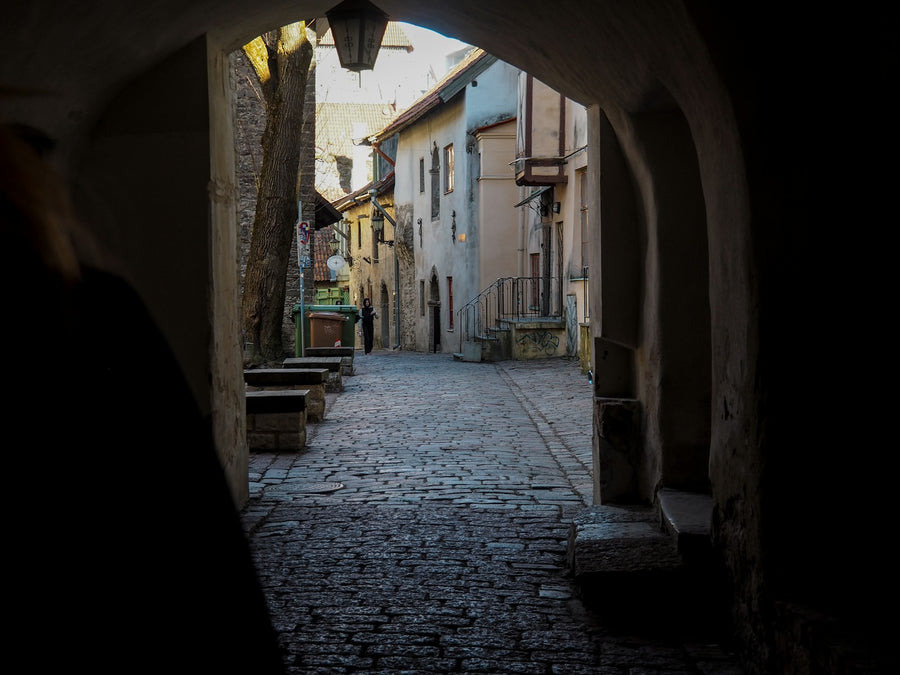
Medieval Old Town, Toompea viewpoints, Kadriorg and creative neighbourhoods make the capital a rewarding short break. Explore on foot and use local transport for longer hops.
Suggested stay: 2–3 nights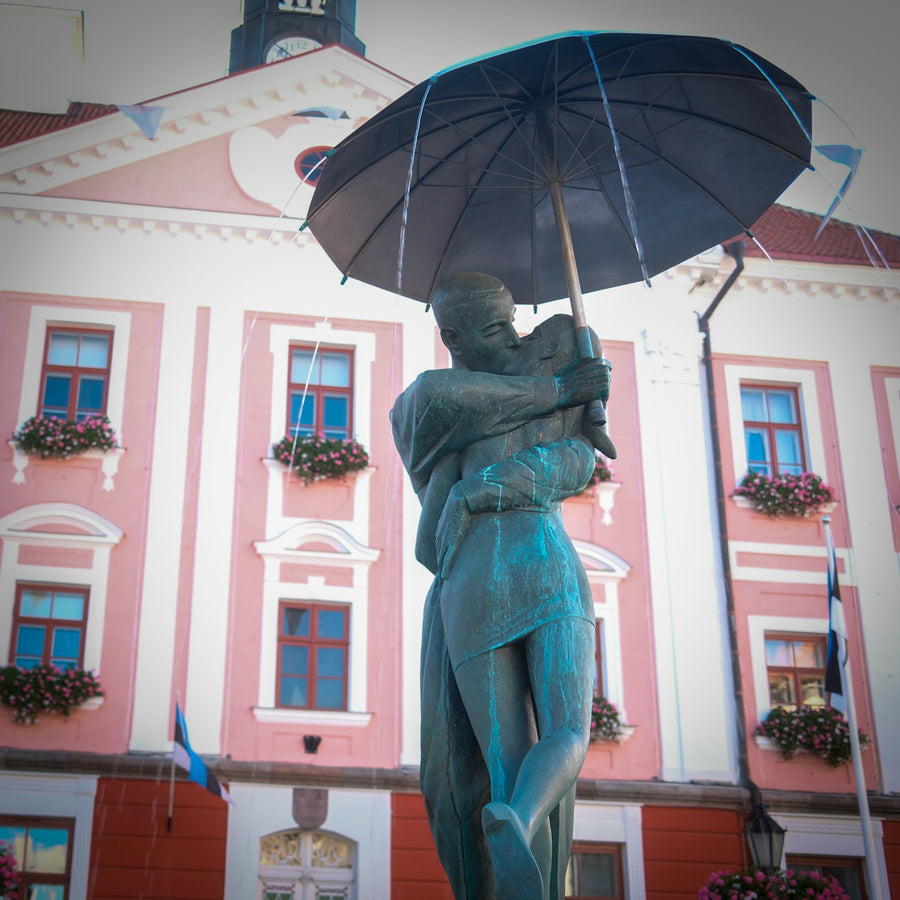
A university city with cafés, the Emajõgi riverfront, Town Hall Square and the leafy paths of Toomemägi. Stay overnight for a slower cultural stop.
Suggested stay: 1–2 nights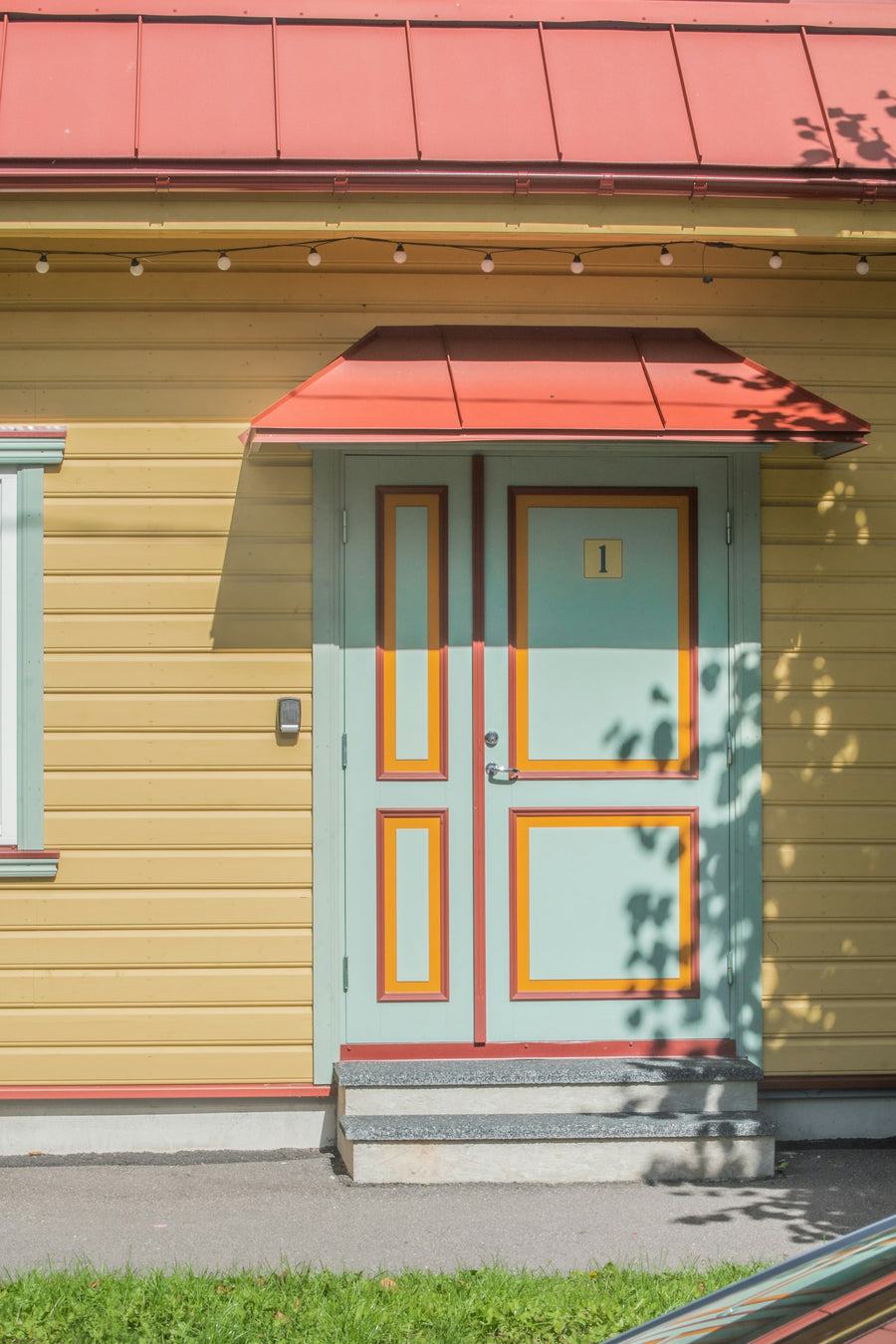
Estonia's seaside resort combines a long sandy beach, coastal walks, parks and spas. Summer suits beach stays; other seasons suit a quieter spa break.
Suggested stay: 1–2 nights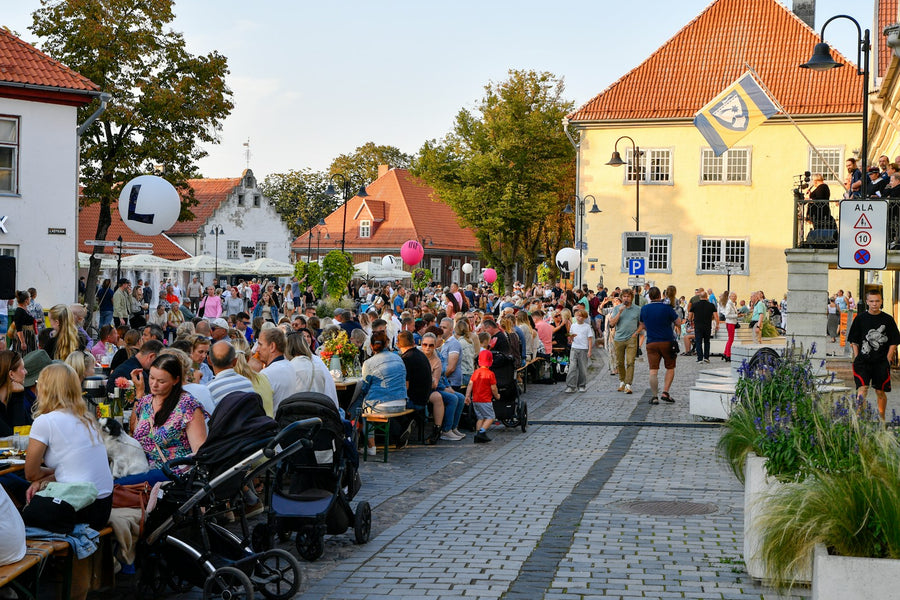
Saaremaa's main town is a convenient island base for its medieval castle, coastal walks and spas. Allow extra days for countryside trips and the mainland ferry.
Suggested stay: 2–3 nights on Saaremaa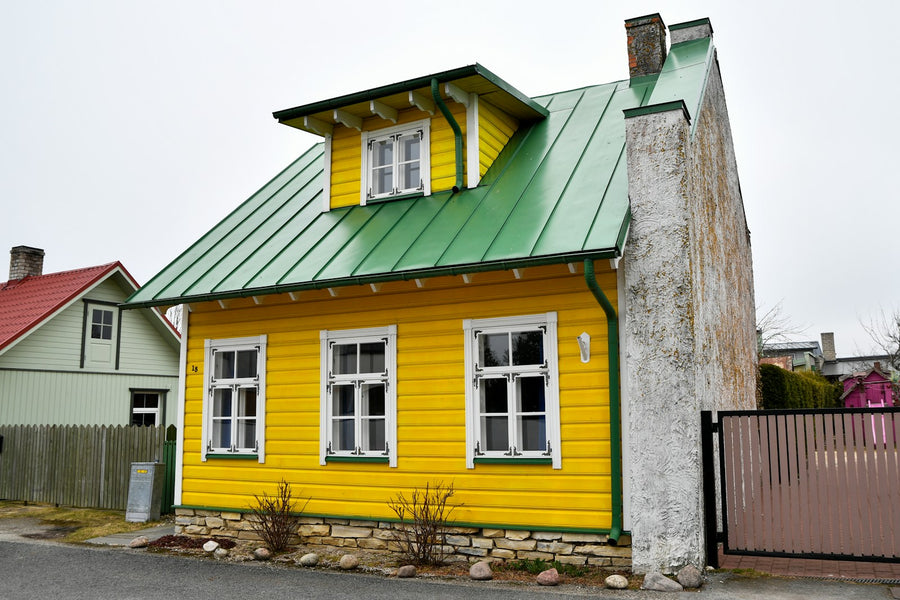
A relaxed western coastal town with wooden houses, castle heritage, a seafront promenade and spa stays. It pairs well with a slower mainland itinerary.
Suggested stay: 1–2 nights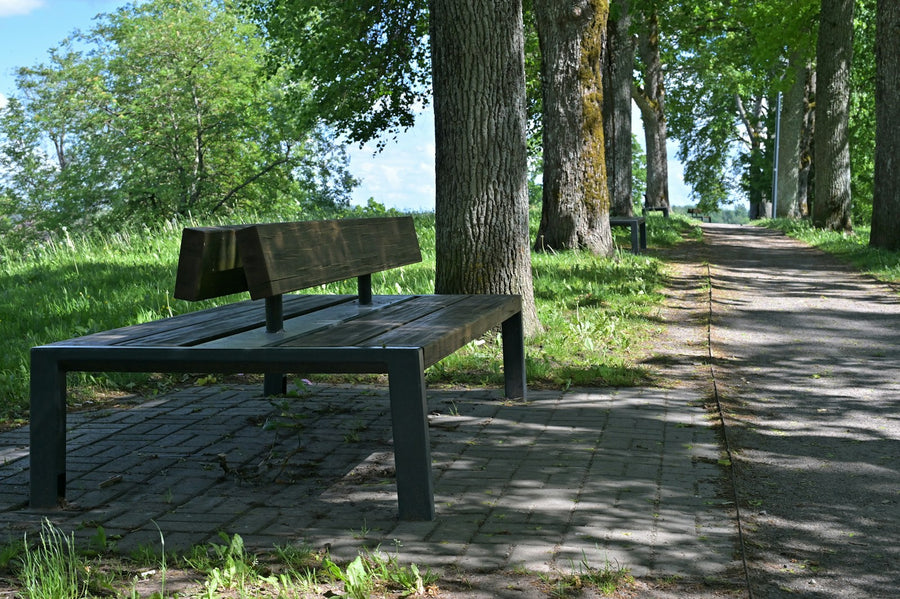
Castle hills above the lake, historic streets and folk culture make Viljandi an appealing small-town stop. Book ahead for major festivals.
Suggested stay: 1–2 nights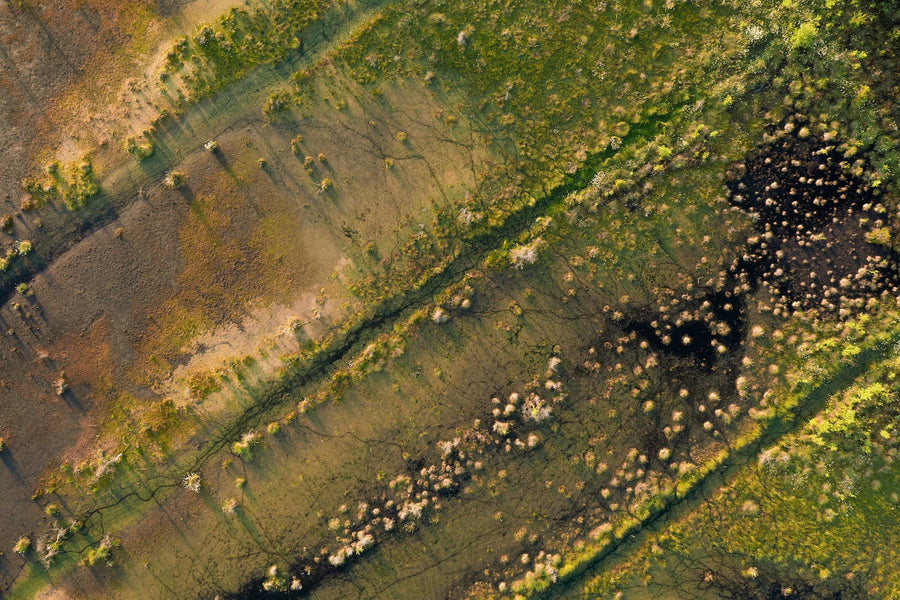
Kolga is a village in northern Estonia near Lahemaa's western side, a useful reference point for the Viru Bog area. The trailhead is outside the village and needs its own transport plan.
Suggested stay: Day visit or nearby nature stay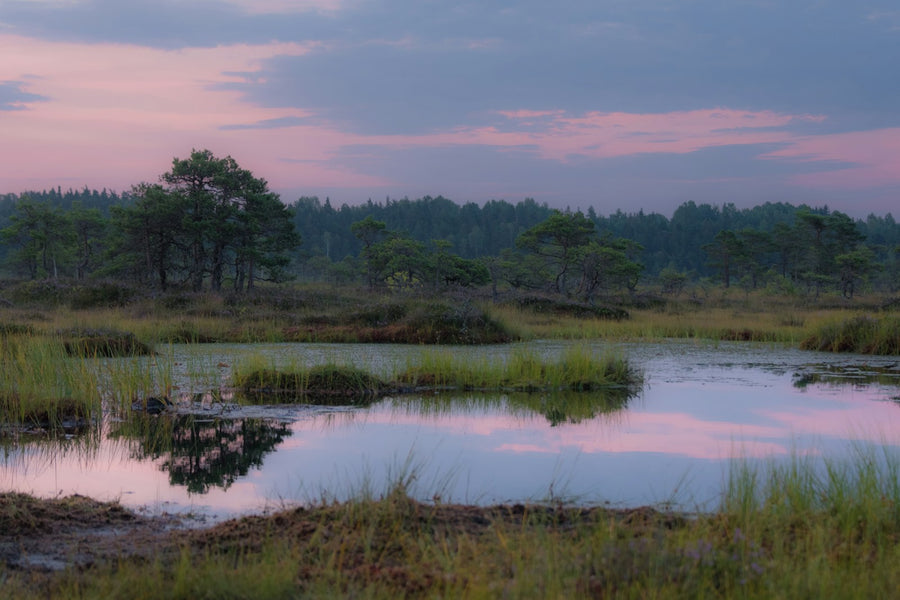
Riisa is a rural locality in the Soomaa area, not part of Pärnu city. Use the exact RMK trailhead location and arrange transport before travelling.
Suggested stay: Day visit or nearby nature stayFeatured experiences and landmarks.
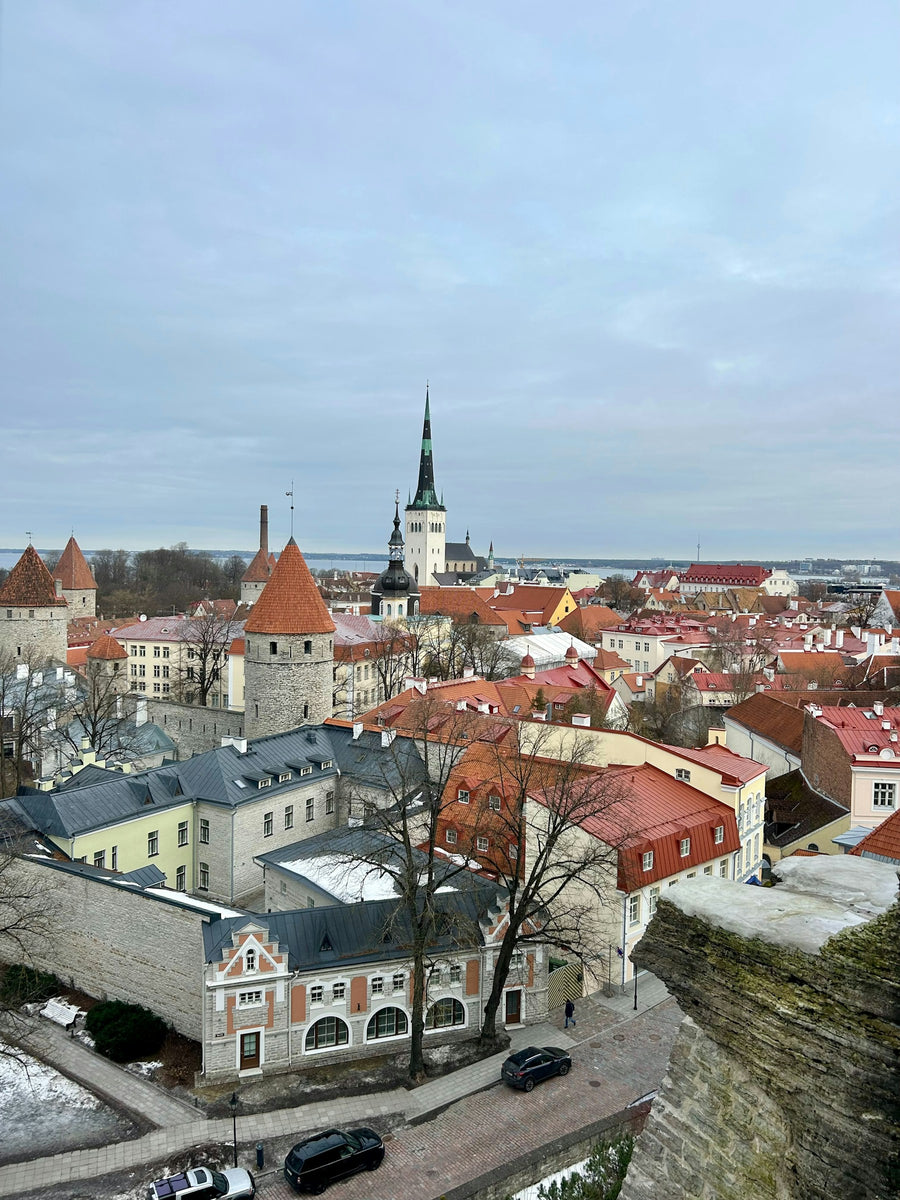
Walk the medieval lanes and Town Hall Square, then head towards Toompea's viewpoints. Check opening arrangements separately for churches, museums and towers.
Suggested visit: Half a day to a full day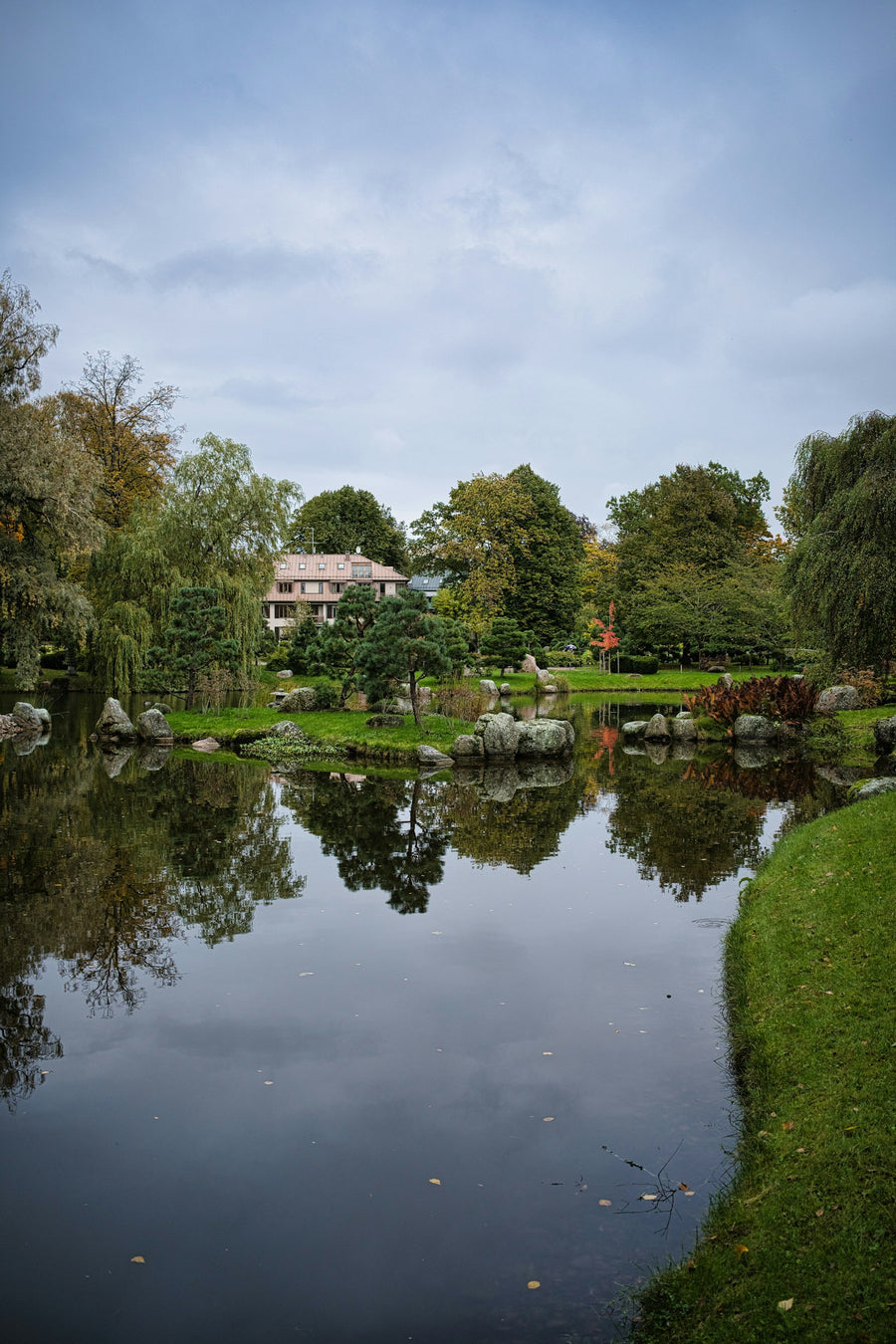
A park landscape with formal gardens, tree-lined paths and museums in Tallinn. Museum visits require separate planning and admission.
Suggested visit: 2–4 hours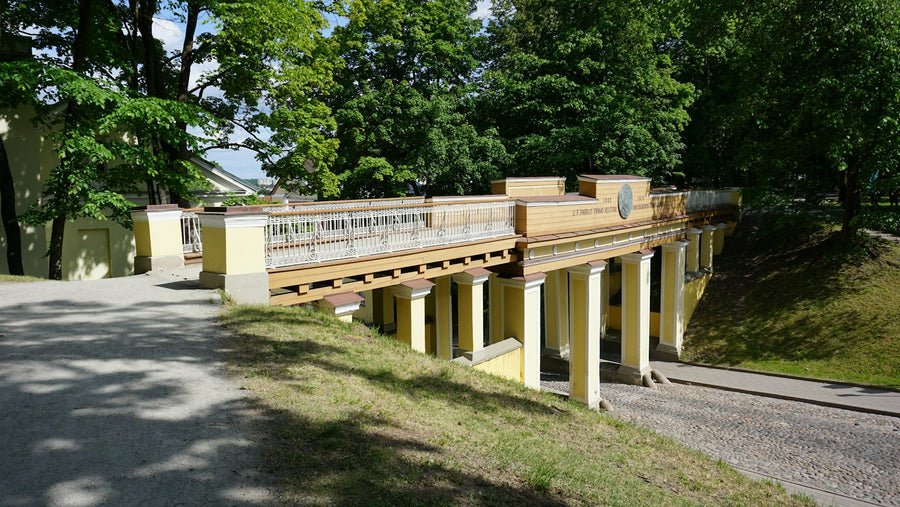
Leafy hill paths and historic bridges above central Tartu offer a peaceful walk between city sights. The photo shows a bridge on Toomemägi.
Suggested visit: 1–2 hours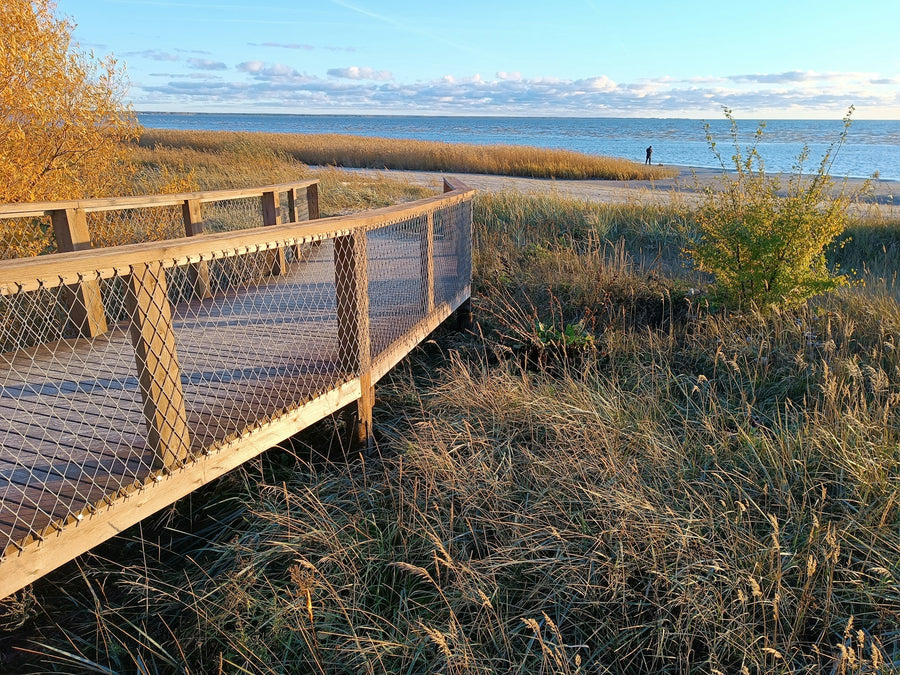
A sandy Baltic coast with parkland, beach paths and seasonal visitor services. Choose swimming around actual conditions and lifeguard guidance.
Suggested visit: 2–4 hours or a relaxed beach day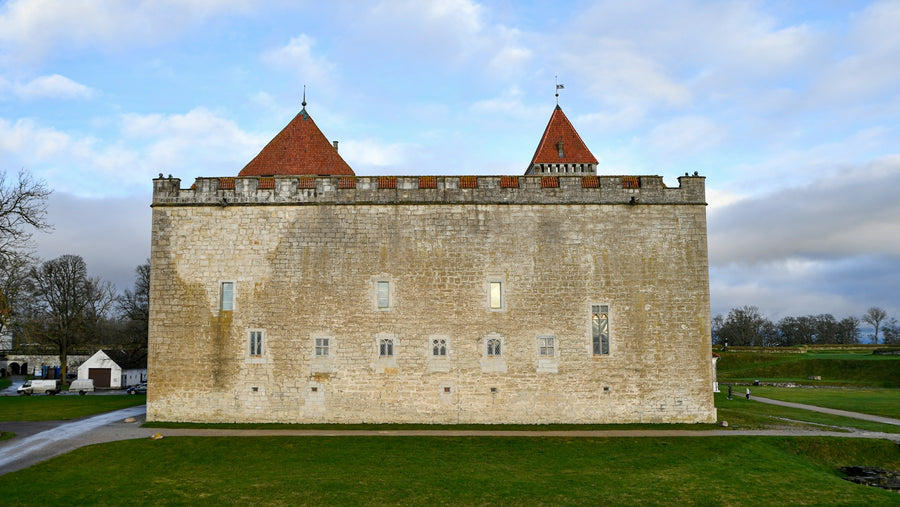
The medieval castle and surrounding grounds are a focal point of Kuressaare. Plan museum time separately from an outdoor walk and verify current hours.
Suggested visit: 2–3 hours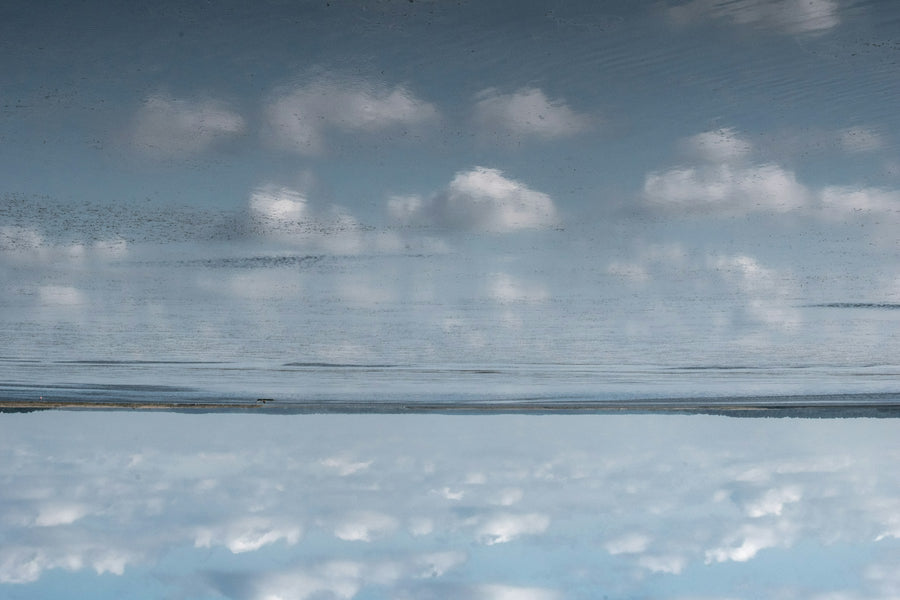
A relaxed seafront outing alongside Haapsalu's historic resort streets. Combine it with cafés and town sightseeing. The image shows the waterfront at Haapsalu.
Suggested visit: 1–2 hours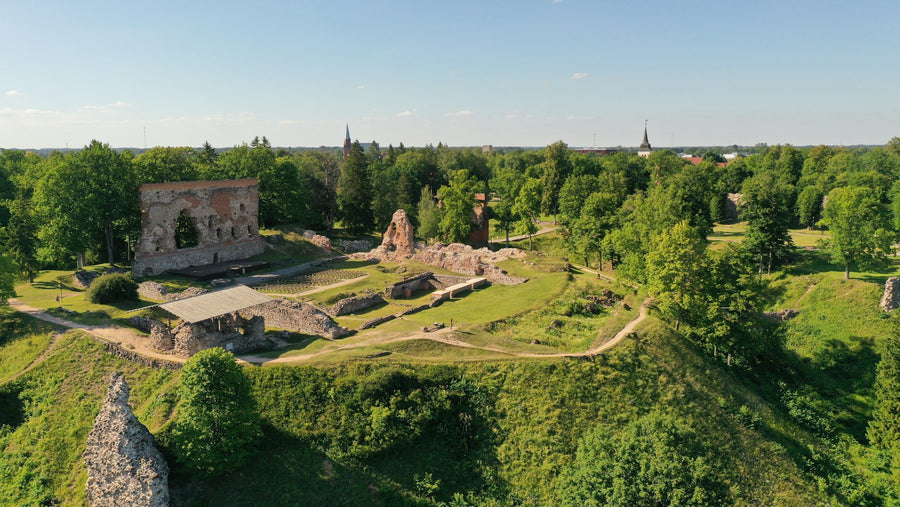
Explore ruined walls and landscaped castle hills above Lake Viljandi. Allow time for the town's streets and lake views.
Suggested visit: 1–2 hours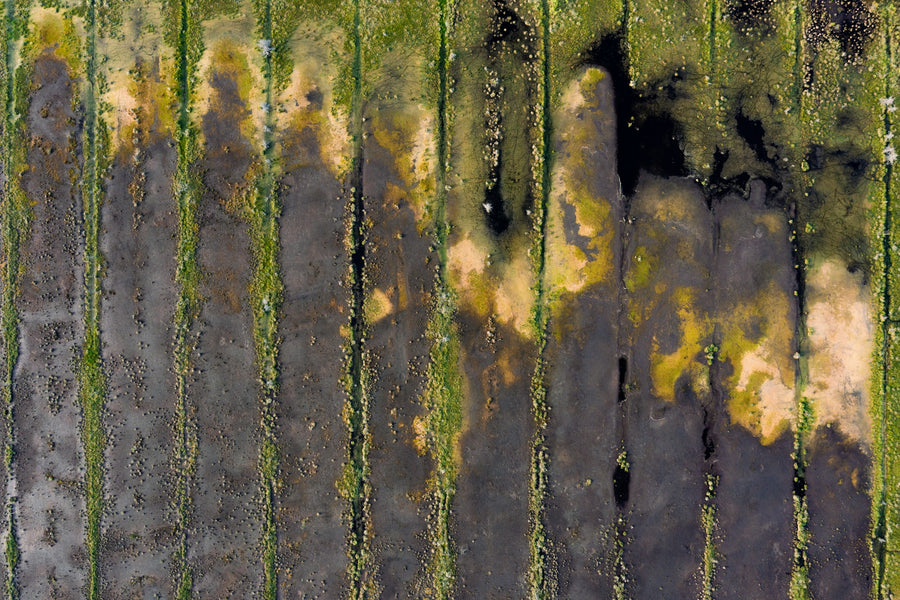
A Lahemaa National Park trail through forest and bog pools. This is outside Tallinn; arrange transport and follow RMK's current route and maintenance notices.
Suggested visit: 2–3 hours on site, plus transport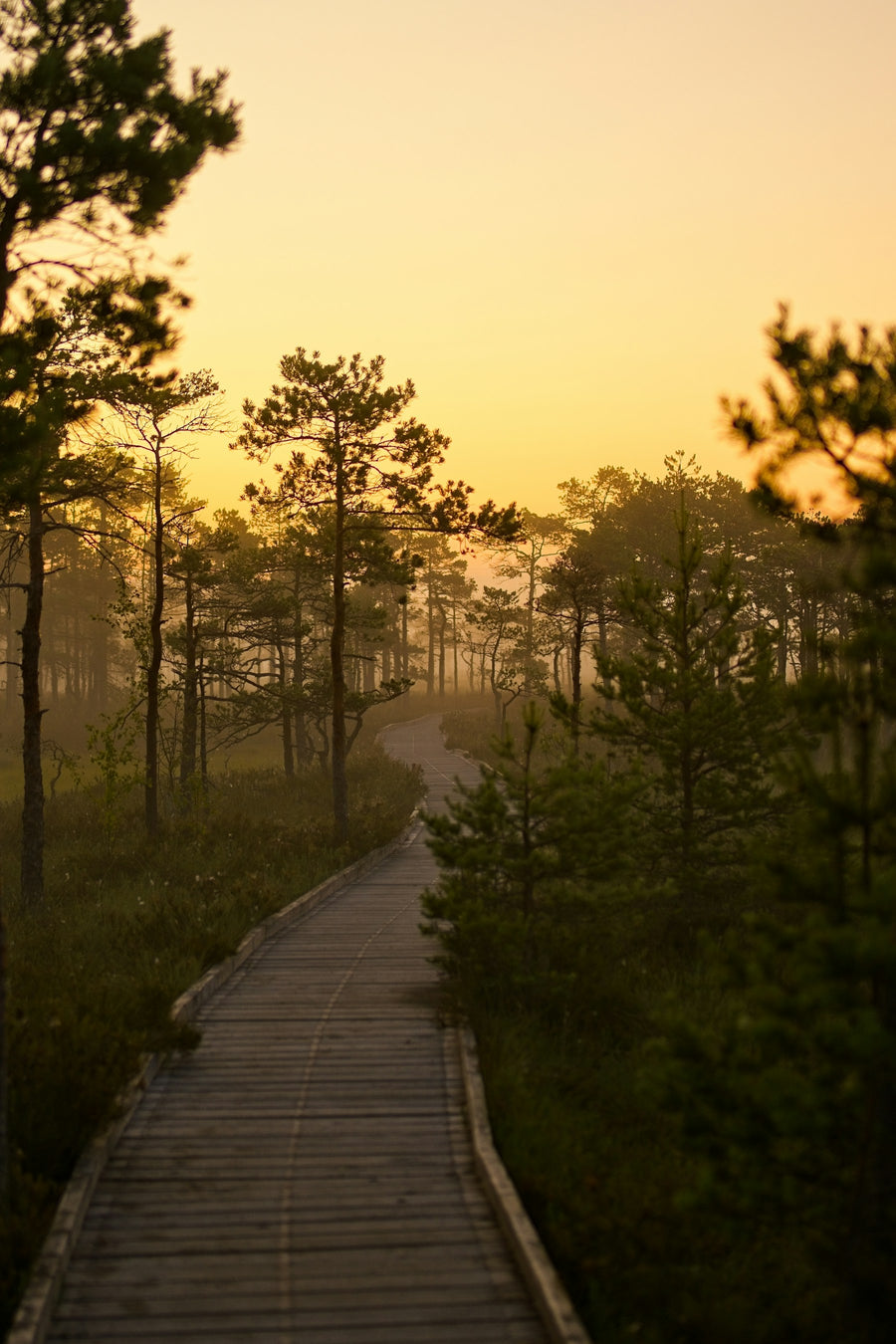
A 4.8 km bog and forest route in Soomaa National Park, outside Pärnu. Arrange last-mile transport, follow the boardwalk and check current RMK conditions.
Suggested visit: 2–3 hours on site, plus transportJune–August for long daylight, coast and islands; May and September for quieter sightseeing. Winter suits museums, spas and festive city breaks, with short days and variable snow.
Verify requirements and current information with official sources.
National tourism planning, destinations and seasonal ideas.
Visit resource →TransportCheck current rail services and the actual travel date.
Visit resource →TransportIntercity bus timetables and booking.
Visit resource →TransportMainland connections to Muhu, Saaremaa and Hiiumaa.
Visit resource →WeatherDestination forecasts, weather warnings and marine conditions.
Visit resource →Entry requirementsOfficial visa information; check the requirements for your nationality.
Visit resource →NatureOfficial route information, access guidance and current notices.
Visit resource →NatureOfficial Soomaa route, access guidance and current notices.
Visit resource →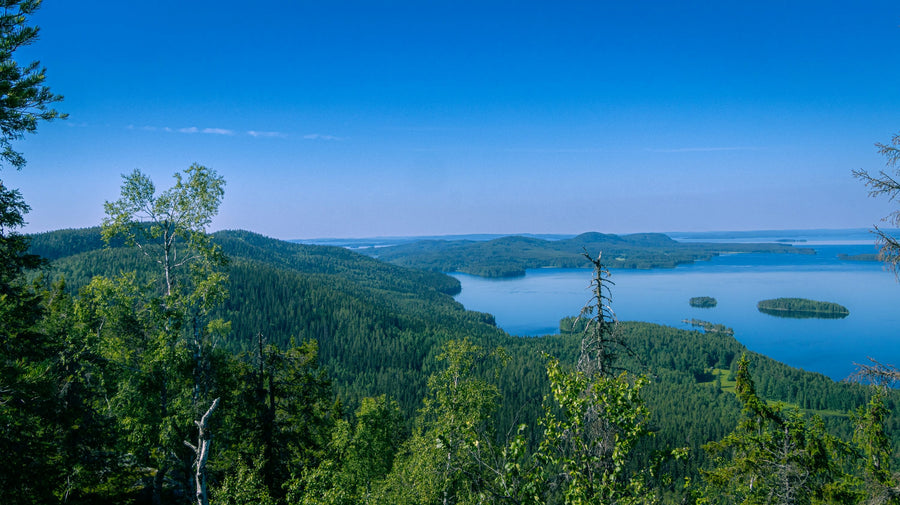
Plan Finland with Helsinki, Lapland, Levi, Lakeland and Koli: practical routes, seasonal advice, weather, transport, official resources and eSIM op...
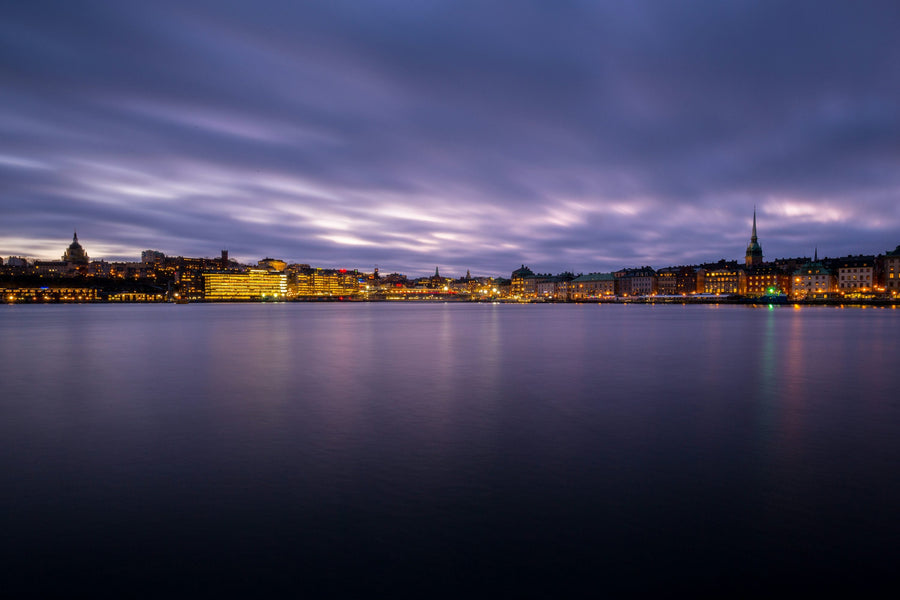
Plan Sweden with Stockholm, Gothenburg, Malmö, Gotland and Swedish Lapland: practical routes, seasonal advice, official resources, weather and eSIM...

