
Frankreich eSIM
Fixed data plansReliable data for your France trip


Europe
France combines world-famous cities, Mediterranean coastlines, Atlantic beaches, vineyards, historic villages, and Alpine landscapes. Its extensive rail network makes it practical to combine several regions in one trip.
France offers much more than a single city break. Combine Paris with the Mediterranean coast, vineyard regions, historic towns, Atlantic destinations, or the Alps using the country’s extensive rail network.
Paris is the main gateway for museums, landmarks, food, and architecture. Nice works well as a base for the French Riviera, Lyon is a strong choice for food and culture, Bordeaux provides access to wine regions and the Atlantic southwest, and Strasbourg combines Alsatian character with easy regional travel.
High-speed and regional trains connect many major destinations. Reserve popular long-distance journeys early when possible, and verify schedules before travel because engineering work or service disruption can affect some routes.
Conditions vary by region. Northern and central France are often mild and changeable, the Atlantic coast is generally wetter, the Mediterranean south is warmer and drier, and mountain regions are cooler with winter snow. Pack layers and check the local forecast for each stop.
France uses Type C and Type E outlets with 230 V electricity at 50 Hz. Travellers using other plug standards will usually need an adapter. Check that appliances support 230 V before connecting them.
A France eSIM provides mobile data for maps, rail bookings, messaging, attraction reservations, and navigation without relying entirely on public Wi-Fi. TravelFi offers fixed-data and unlimited-data options, with a Europe eSIM available for multi-country itineraries.
Seven to fourteen days works well for Paris plus one or two additional regions. A focused Paris trip can fit into three to five days.
Yes. Major cities and many regional destinations are connected by rail and local public transport. A car is more useful for rural areas, smaller villages, and flexible countryside routes.
Five to ten gigabytes is usually sufficient for a one-week trip using maps, messaging, browsing, and bookings. Choose more for streaming, hotspot use, or remote work.
Yes. Install it while you have reliable internet access, then follow the plan’s activation instructions when you arrive.
Get mobile data for your France trip with a local or region-wide eSIM.
Reliable data for your France trip

Unlimited data, no daily limits

TravelFi editorial destination ratings.
Strong mobile and Wi-Fi access across cities, transport corridors, and most tourist regions, with weaker service possible in remote mountain and rural areas.
Extensive high-speed rail, regional trains, metros, trams, and buses make many itineraries possible without a car.
Exceptional museums, architecture, cuisine, historic towns, landscapes, and regional experiences across the country.
Well suited to families through parks, beaches, castles, museums, efficient transport, and a broad range of accommodation.
Reliable connectivity, coworking options, and strong transport support longer stays, although accommodation costs can be high in major destinations.
230 V · 50 Hz
Two round pins. Usually ungrounded.
A grounded European plug with two round pins and a socket for the outlet's earth pin.
GroundedFrance primarily uses Type C and Type E outlets. Travellers using other plug standards will usually need a compatible adapter.
Confirm that chargers and appliances support 230 V and 50 Hz before connecting them. Most modern phone and laptop chargers support 100–240 V, but always check the label.
Forecast location: Paris, France
France has varied regional climates. Paris and much of northern France have mild, changeable conditions; the Atlantic west is wetter; the Mediterranean south is warmer and drier; and mountain regions experience colder temperatures and snow at altitude.
Loading current weather…
Places to include in your France itinerary.

France's capital is known for major museums, historic neighbourhoods, landmark architecture, food, shopping, and extensive public transport.
Suggested stay: 3–5 days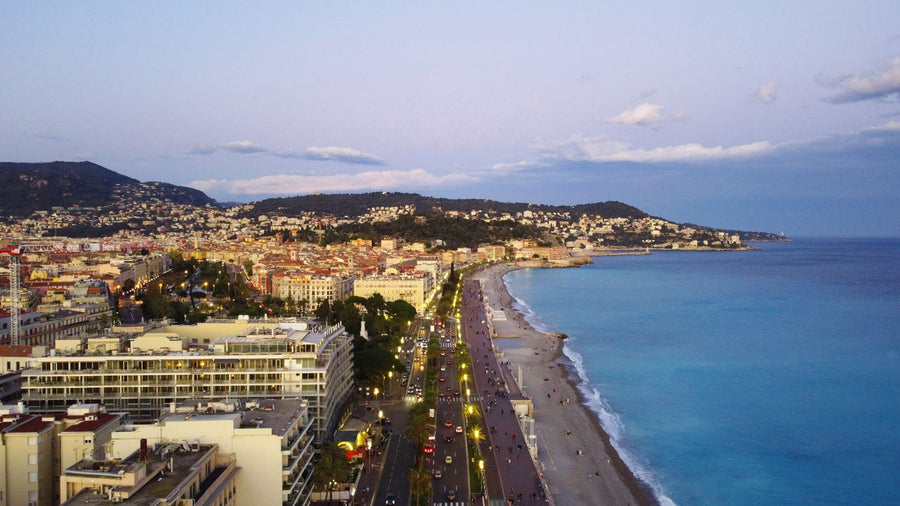
A Mediterranean base for beaches, the Promenade des Anglais, old-town streets, museums, and day trips across the French Riviera.
Suggested stay: 2–4 days
A major culinary and cultural city with Renaissance districts, riverside neighbourhoods, museums, and convenient rail links.
Suggested stay: 2–3 days
An elegant river city known for architecture, food, wine culture, museums, and access to surrounding vineyards and the Atlantic coast.
Suggested stay: 2–4 days
A walkable Alsatian city with canals, timber-framed streets, a celebrated cathedral, European institutions, and renowned Christmas markets.
Suggested stay: 2–3 daysFeatured experiences and landmarks.

Paris's best-known landmark, with observation levels overlooking the city and the River Seine.
Suggested visit: 2–3 hours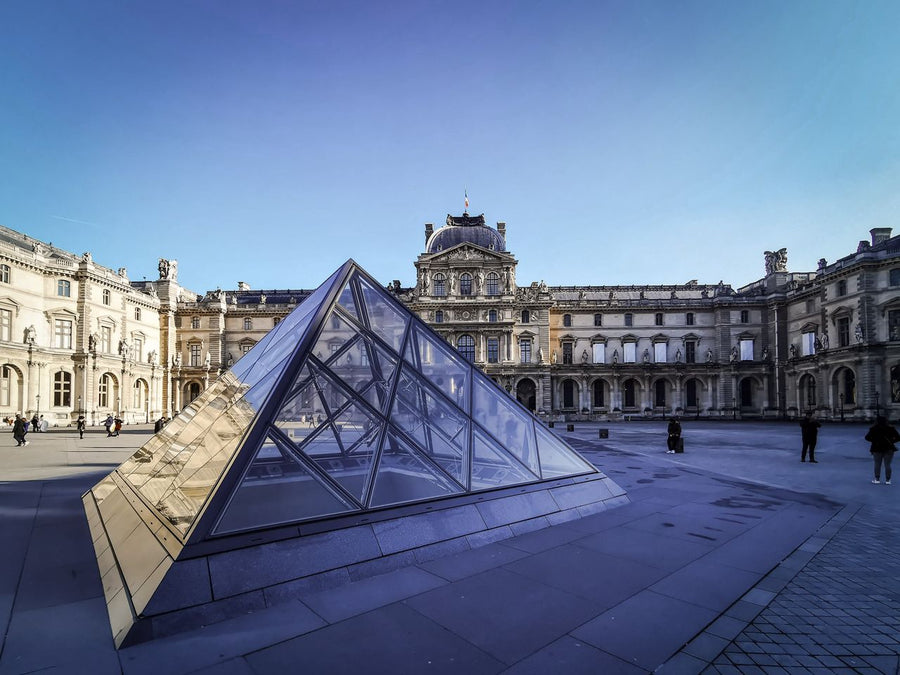
One of the world's largest museums, presenting art and archaeological collections in a former royal palace.
Suggested visit: 3–5 hours
A vast royal palace and garden complex near Paris, known for the Hall of Mirrors and formal landscaped grounds.
Suggested visit: Half day to full day
A tidal island and medieval abbey in Normandy, recognized for its dramatic setting and narrow historic streets.
Suggested visit: Half day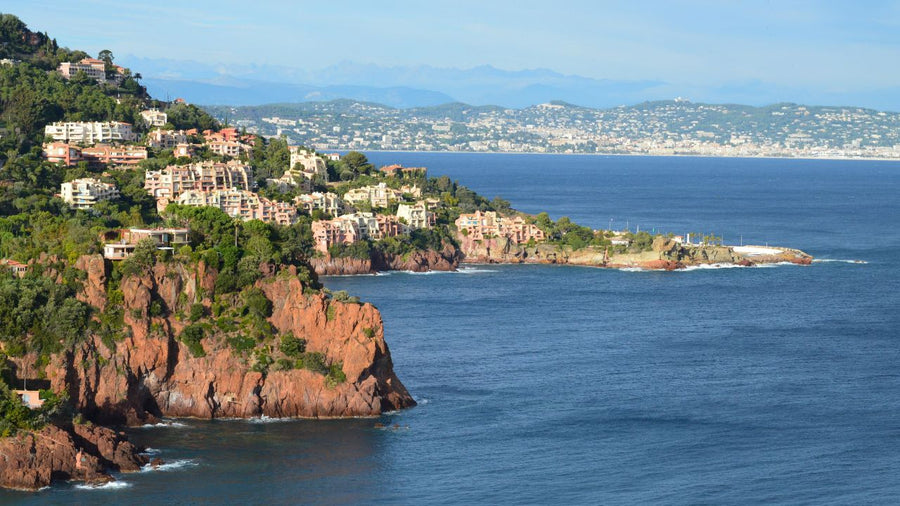
A Mediterranean coastline of beaches, resort towns, hilltop villages, coastal walks, and cultural destinations centred around Nice and Cannes.
Suggested visit: 3–7 days
A collection of historic castles, gardens, river landscapes, and towns that can be explored by car, rail, bicycle, or guided excursion.
Suggested visit: 2–4 daysApril to June and September to October usually offer pleasant weather and fewer crowds. July and August are busiest, especially in Paris and coastal areas. Winter is well suited to city breaks, Christmas markets, and Alpine travel.
Check dates and official sources before making travel decisions.
Rail engineering work, strikes, or local service changes can affect some routes. Verify schedules close to departure, especially for airport transfers and intercity journeys.

Plan a trip to France with practical guidance on cities, attractions, transport, weather, power plugs, mobile data, and France eSIM options.


