
Irland eSIM
Fixed data plansReliable data for your Ireland trip


Europe
Ireland combines lively cities, historic towns, castles, dramatic Atlantic scenery and memorable road trips. Reliable mobile data is valuable for navigation, accommodation, weather checks and rural itineraries.
Cards and contactless payments are widely accepted.
English is used throughout the country; Irish is the first official language.
Either number connects emergency services.
Type G plugs are used.
These months offer the longest daylight and best range of outdoor activities.
Road trips, weather checks and navigation may increase usage.
Ireland combines lively cities, historic towns, castles and dramatic Atlantic landscapes. This guide helps travellers plan Dublin, western road trips, seasonal travel and reliable mobile connectivity.
Allow two to four days for Trinity College, museums, Georgian streets, historic sites, food and music.
Galway is a lively base for Connemara, the Aran Islands and western cultural experiences.
Doolin provides convenient access to the Cliffs of Moher, traditional music and ferry routes when weather permits.
Killarney is one of Ireland’s strongest road-trip bases, with national-park scenery and the Ring of Kerry nearby.
Cork offers a strong food scene and coastal access, while Kilkenny and Waterford add medieval and Viking heritage.
May to September offers the longest daylight and broadest range of outdoor activities. Spring and early autumn bring fewer crowds. Rain and changing weather are possible in every season.
Most travellers need 5–10 GB for a one-week trip using maps, messaging, weather and bookings. Choose more data for long road trips, streaming or hotspot use.
Install your TravelFi eSIM before departure. Download offline maps for rural drives and remember that signal can vary in remote coastal and mountain areas.
Five to seven days works for Dublin plus one region. Ten days is better for a broader road trip.
Dublin and major cities are accessible without one, but a car gives greater flexibility for rural routes and the Wild Atlantic Way.
Coverage depends on the exact plan. Northern Ireland is part of the United Kingdom, so verify supported countries or choose a suitable Europe regional plan.
Stay connected: Compare TravelFi Ireland fixed-data and unlimited eSIM plans before your trip.
Get mobile data for your Ireland trip with a local or region-wide eSIM.
Reliable data for your Ireland trip

Unlimited data, no daily limits
TravelFi editorial destination ratings.
Outstanding Atlantic coast, green countryside, mountains and lake landscapes.
Compact distances and scenic regional routes make Ireland highly rewarding by car.
Strong music, literature, historic sites, pubs and local traditions.
Strong coverage in populated areas, with some variation along remote coasts and mountains.
Excellent experiences, though accommodation, dining and car rental can be expensive.
230 V · 50 Hz
Three rectangular pins arranged in a triangular pattern, commonly used in the United Kingdom and several other countries.
GroundedIreland uses Type G sockets. Travellers from continental Europe, North America, Asia and most other plug systems need a Type G travel adapter.
Ireland supplies 230 V at 50 Hz. Check that chargers and appliances support 220–240 V before use; a plug adapter does not convert voltage.
Forecast location: Dublin, Ireland
Ireland has a temperate maritime climate with mild temperatures, frequent changes and rainfall possible throughout the year. Western areas are generally wetter and windier than the east.
Loading current weather…
Places to include in your Ireland itinerary.

Ireland’s capital combines historic landmarks, museums, Georgian streets, pubs and a strong cultural scene.
Suggested stay: 2–4 daysA lively west-coast city known for music, food and access to Connemara and the Aran Islands.
Suggested stay: 2–3 daysA southern city with a strong food identity, riverside centre and access to coastal towns and heritage sites.
Suggested stay: 2–3 daysA popular County Kerry base for national-park scenery, lakes and the Ring of Kerry.
Suggested stay: 2–4 daysA compact medieval city known for its castle, historic streets, crafts and food.
Suggested stay: 1–2 daysA Shannon-region city with a medieval castle, riverside districts and access to western Ireland.
Suggested stay: 1–2 daysIreland’s oldest city features Viking history, museums and access to the southeast coast.
Suggested stay: 1–2 daysA northwest base for Atlantic scenery, surfing, mountains and literary heritage.
Suggested stay: 2–3 daysA small County Clare village known for traditional music and access to the Cliffs of Moher and Aran Islands.
Suggested stay: 1–2 daysFeatured experiences and landmarks.
A central Dublin landmark featuring a historic campus, library spaces and the Book of Kells exhibition.
Suggested visit: 1.5–2.5 hoursA multi-level Dublin attraction exploring the history and production of Guinness.
Suggested visit: 2–3 hoursDramatic Atlantic sea cliffs in County Clare with walking routes and expansive coastal views.
Suggested visit: 2–4 hoursA celebrated County Kerry driving circuit of coastline, mountains, villages and viewpoints.
Suggested visit: Full dayA landscape of lakes, woodland, mountains and historic estates beside Killarney.
Suggested visit: Half or full dayA dramatic hilltop complex of medieval religious buildings in County Tipperary.
Suggested visit: 1–2 hoursA restored riverside castle central to Kilkenny’s medieval heritage district.
Suggested visit: 1.5–2.5 hoursA rugged west-coast park of mountains, bogland, walking trails and wide scenic views.
Suggested visit: Half or full dayA prehistoric passage tomb in the Brú na Bóinne complex, older than the Egyptian pyramids.
Suggested visit: 3–4 hoursMay to September offers the longest daylight and generally mild conditions. April, May, September and October can provide fewer crowds, while rain and rapidly changing weather are possible throughout the year.
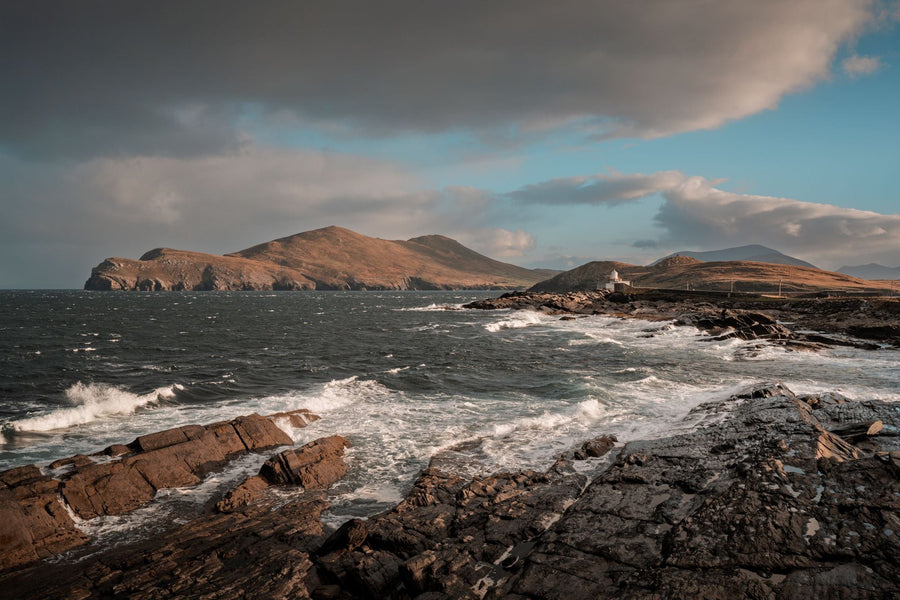
Plan a 7–10 day Wild Atlantic Way highlights road trip through Galway, Connemara, the Cliffs of Moher, Dingle, Killarney and Ireland’s southwest co...


