
Mexiko eSIM
Fixed data plansReliable data for your Mexico trip


North America
Mexico combines major cities, archaeological sites, Caribbean and Pacific beaches, colonial towns, distinctive food cultures and diverse landscapes. Reliable mobile data is useful for navigation, transport, reservations and multi-region itineraries.
Cards are common in major cities and resorts, but cash remains useful for markets, tolls and smaller businesses.
Indigenous languages are spoken regionally, and English is common in major tourist areas.
The national emergency number connects police, medical and fire services.
Type A and B plugs are commonly used.
These months are generally drier and more comfortable across many popular regions.
Choose based on trip length, navigation, streaming and hotspot use.
Mexico offers an exceptional mix of major cities, archaeological sites, Caribbean and Pacific beaches, colonial towns and regional food cultures. This guide helps travellers choose where to go, when to visit and how to stay connected.
Mexico works equally well for a city break, resort holiday, cultural itinerary or longer multi-region trip. Mexico City and Oaxaca are strong choices for museums and food, the Riviera Maya combines beaches with cenotes and Maya sites, while Puerto Vallarta and Los Cabos offer Pacific coast experiences.
November to April is generally the driest and most comfortable period in many popular regions. Summer and early autumn bring more humidity and rain in many coastal and southern areas. Conditions vary by altitude and region, so plan around the specific destinations on your itinerary.
Allow three to five days for museums, neighbourhoods, food, the Historic Centre and a day trip to Teotihuacán.
These Riviera Maya bases provide access to beaches, cenotes, islands and archaeological sites. Cancún is resort-focused, Playa del Carmen is walkable and central, and Tulum combines beach travel with the cliffside archaeological zone.
Oaxaca is one of Mexico’s strongest destinations for food, crafts, markets and regional culture, with Monte Albán and Hierve el Agua as popular excursions.
Mérida is a practical base for colonial architecture, regional cuisine, cenotes and archaeological sites including Chichén Itzá.
Puerto Vallarta combines beaches with an atmospheric old town, while Cabo San Lucas is known for resorts, marine excursions and dramatic coastal scenery.
Most travellers need 5–10 GB for a one-week trip using maps, messaging, bookings and ride-hailing. Choose 10–20 GB or unlimited data for longer trips, video, hotspot use or remote work.
Install your TravelFi eSIM before departure, then follow the activation instructions for your plan. Keep offline maps available for remote drives and archaeological areas where coverage can vary.
Yes. Mexico offers strong tourism infrastructure, varied destinations and itineraries for different budgets, though travellers should still plan transport and regional conditions carefully.
One week is enough for one region, such as Mexico City plus a nearby excursion or a Riviera Maya itinerary. Ten to fourteen days is better for combining regions.
A Mexico eSIM is usually best for a Mexico-only trip. A Latin America or multi-country plan can be more convenient when visiting additional countries.
Stay connected: Explore TravelFi Mexico and regional eSIM options before departure.
Get mobile data for your Mexico trip with a local or region-wide eSIM.
Reliable data for your Mexico trip

Unlimited data, no daily limits


TravelFi editorial destination ratings.
Strong coverage in cities and major tourism corridors, with more variation in remote areas.
Good range of accommodation, food and transport options across budgets.
Exceptional archaeology, museums, cuisine, festivals and regional traditions.
Caribbean, Pacific and Gulf coast options range from resorts to quieter coastal towns.
Good domestic links, though long distances and regional planning require extra time.
127 V · 60 Hz
Two flat parallel pins. Usually ungrounded.
Two flat parallel pins with a grounding pin.
GroundedMexico uses Type A and B sockets. Travellers using other plug systems need a Type A/B-compatible or universal adapter.
Mexico supplies about 127 V at 60 Hz. Devices designed only for 220–240 V may require a voltage converter.
Forecast location: Mexico City, Mexico
Mexico has highly varied weather shaped by altitude, latitude and coast. Northern areas are generally drier, central highlands are milder, and southern and coastal regions are warmer and more tropical.
Loading current weather…
Places to include in your Mexico itinerary.
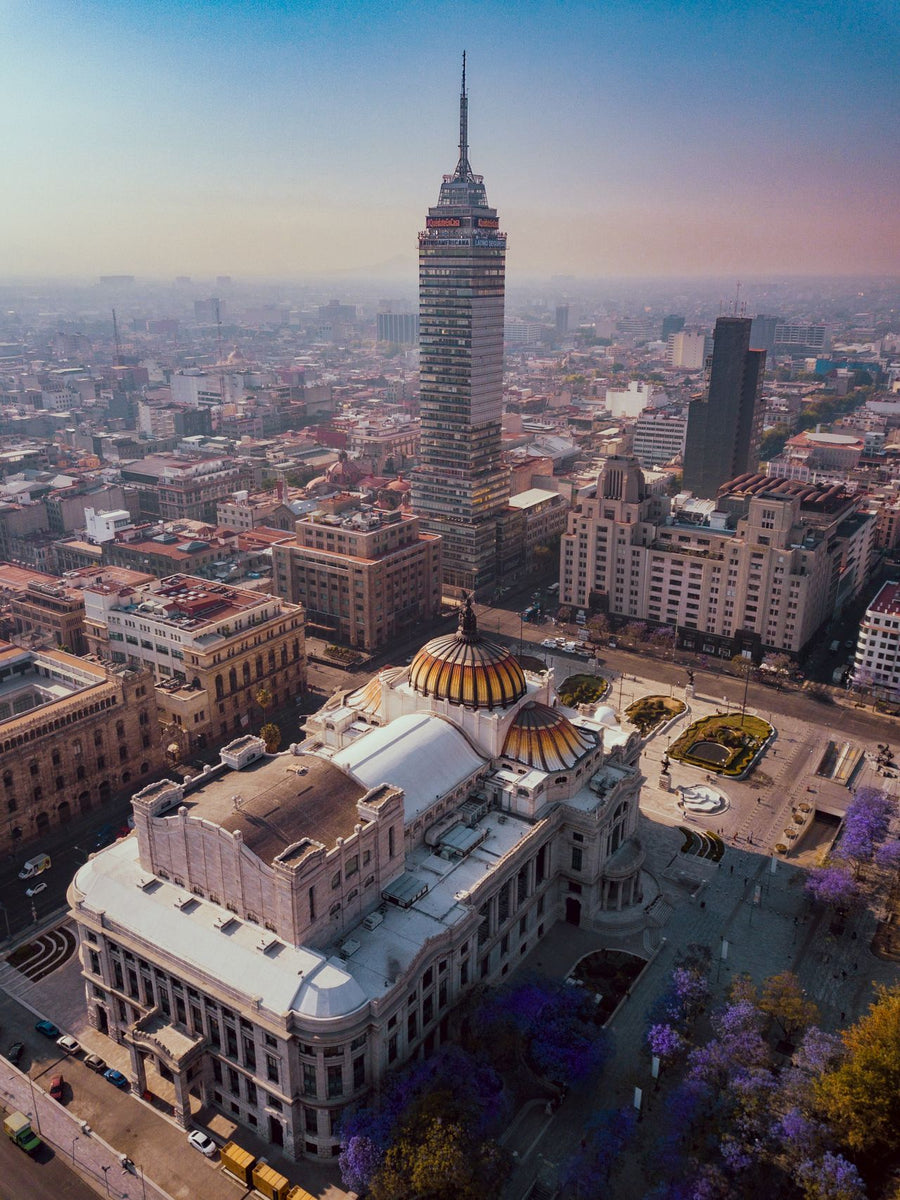
Mexico’s capital is a major centre for museums, neighbourhoods, food, architecture and nearby archaeological day trips.
Suggested stay: 3–5 days
A Caribbean resort hub with beaches, nightlife and easy access to islands, cenotes and Maya sites.
Suggested stay: 4–7 days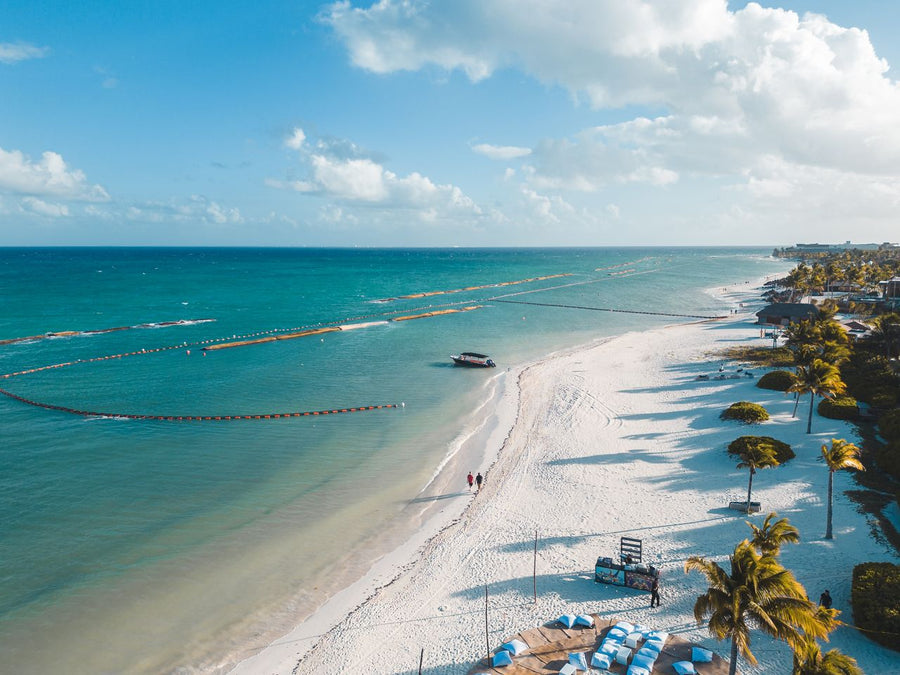
A walkable Riviera Maya base for beaches, cenotes, Cozumel ferries and regional excursions.
Suggested stay: 3–6 days
Tulum combines Caribbean beaches, cenotes and a cliffside Maya archaeological zone.
Suggested stay: 2–4 days
A heritage city known for regional cuisine, markets, crafts, festivals and nearby archaeological sites.
Suggested stay: 3–5 days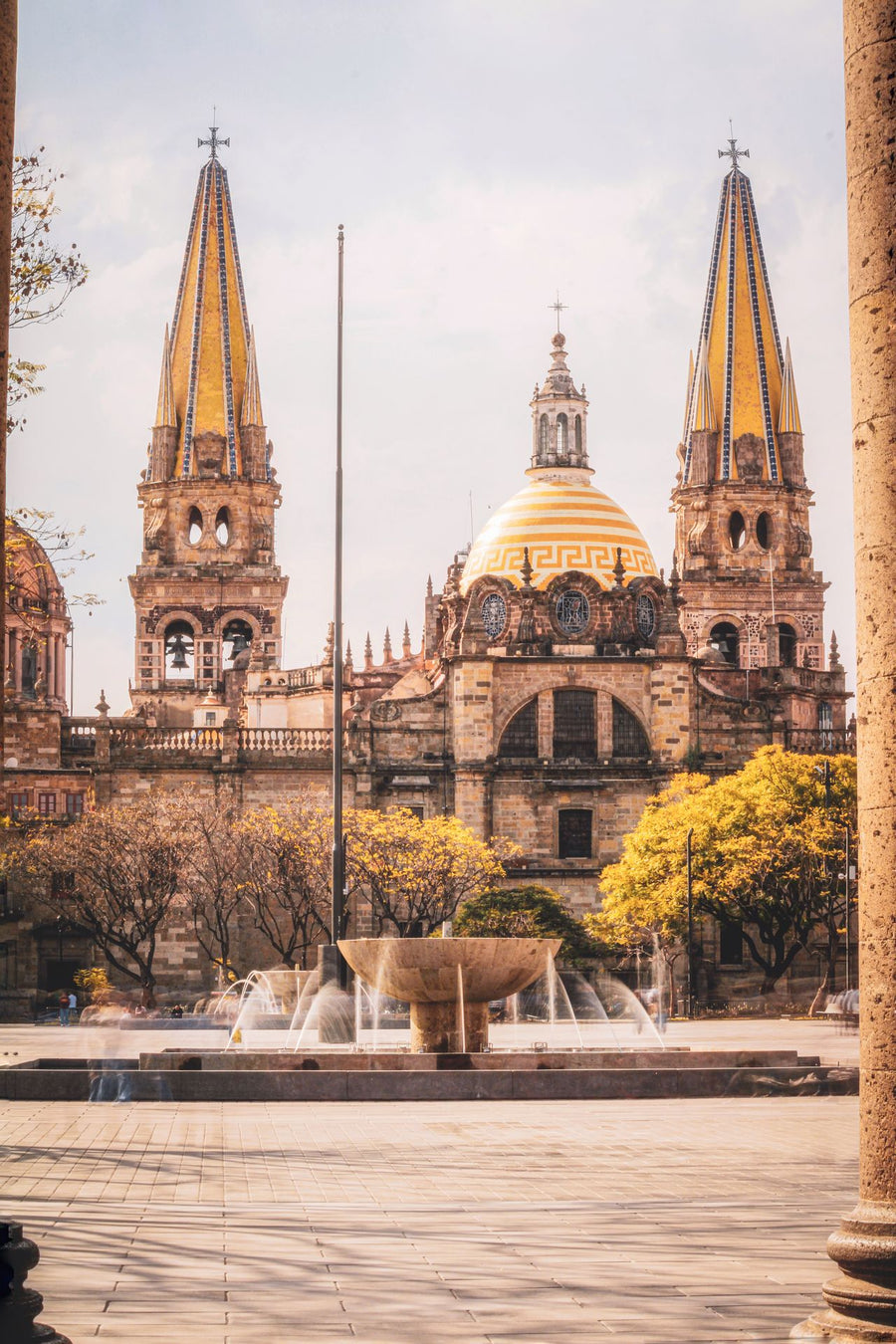
A major cultural city with historic architecture, food, music and access to Tequila and Lake Chapala.
Suggested stay: 2–4 days
A colourful colonial city known for architecture, galleries, rooftop dining and a relaxed walking-focused centre.
Suggested stay: 2–4 days
A Yucatán cultural base for colonial architecture, local cuisine, cenotes and archaeological day trips.
Suggested stay: 3–5 days
A Pacific coastal destination combining beaches, an atmospheric old town, dining and boat excursions.
Suggested stay: 4–7 daysFeatured experiences and landmarks.

Mexico City’s central square and surrounding historic core bring together monumental architecture, museums and major civic landmarks.
Suggested visit: 2–4 hours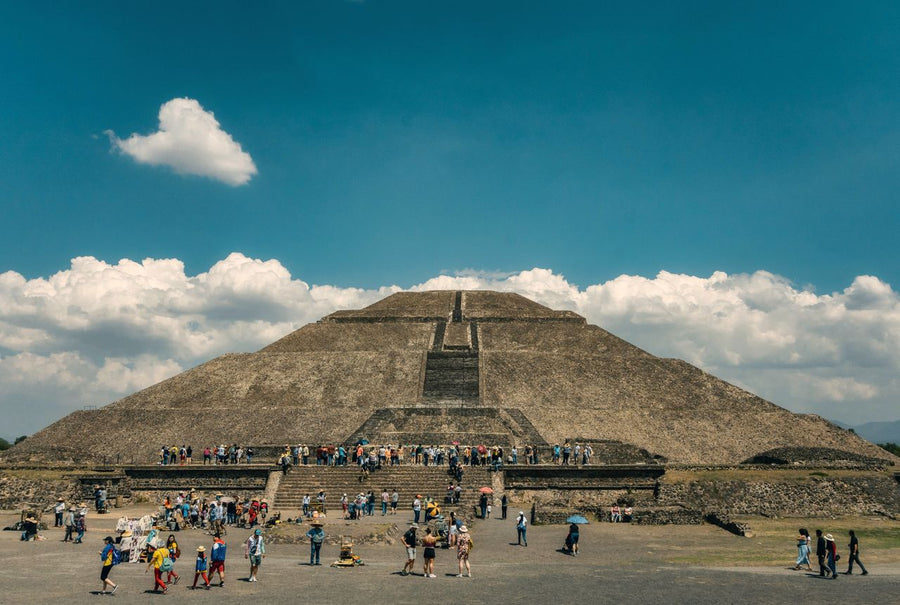
A vast ancient city near Mexico City known for the Pyramids of the Sun and Moon and the Avenue of the Dead.
Suggested visit: 4–6 hours
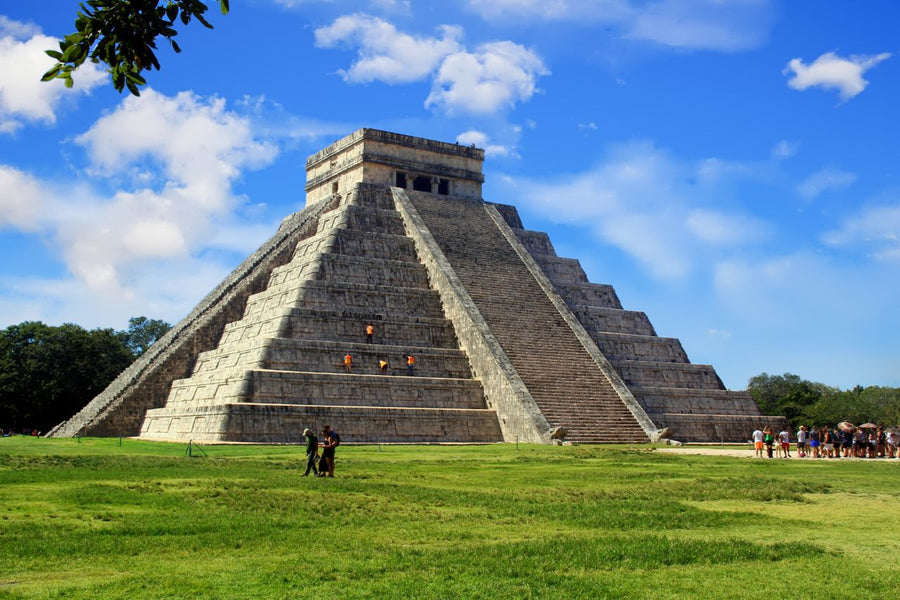
One of the best-known Maya sites in the Yucatán, centred on the monumental El Castillo pyramid.
Suggested visit: 3–5 hours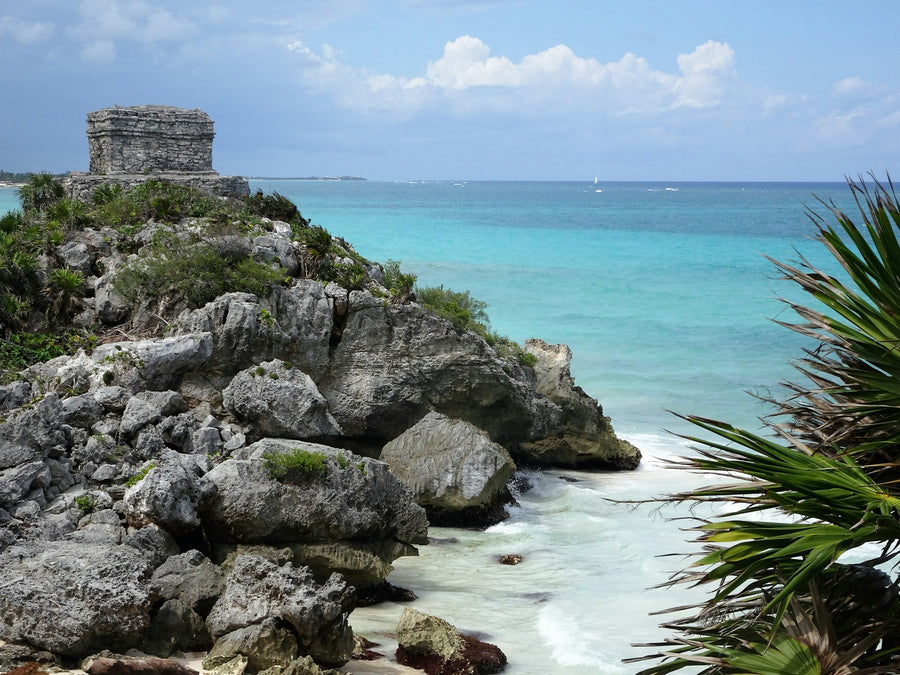
A compact Maya site positioned on cliffs above the Caribbean coast.
Suggested visit: 2–3 hours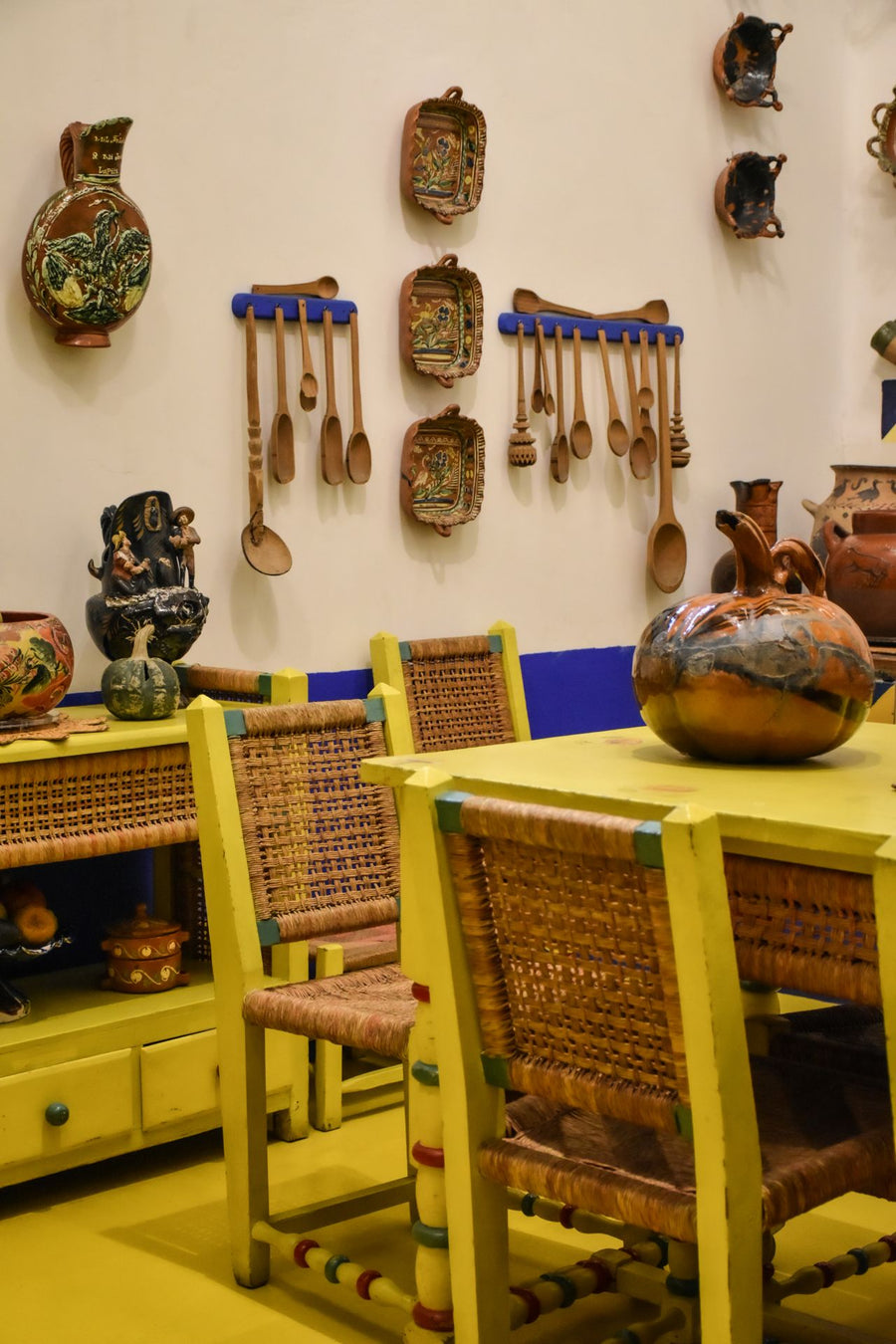
The artist’s former home in Coyoacán presents personal objects, artworks and context about her life.
Suggested visit: 1–2 hours
A hilltop Zapotec ceremonial centre with broad views over the Oaxaca Valley.
Suggested visit: 3–4 hours
Mineral formations and mountain pools in the Oaxaca region, reached by a scenic inland journey.
Suggested visit: Half day
A vast canyon system in northern Mexico, often explored by the scenic rail route and regional excursions.
Suggested visit: 2–4 days
A protected Caribbean landscape of wetlands, lagoons, forest and marine habitats south of Tulum.
Suggested visit: Half or full dayNovember to April is generally driest and most comfortable for many regions. Spring is warm and popular for beaches, while summer and early autumn bring higher humidity and rainfall in many coastal and southern areas. Conditions vary considerably by altitude and region.
Plan a Mexico trip with practical guidance on the best time to visit, top cities, beaches, archaeological sites, mobile data and eSIM options.

