
Polen eSIM
Fixed data plansReliable data for your Poland trip


Europe
Plan your Poland trip with practical guidance on historic cities, the Baltic coast, mountain travel, transport, power adapters, and connectivity.
Poland’s largest city and principal transport hub.
Cards are widely accepted; some cash remains useful.
English is commonly used in major tourist areas.
Central European Time, with daylight saving observed.
European emergency number for police, fire, and ambulance.
Poland combines historic cities, medieval castles, Baltic beaches, lake districts, national parks, and the Tatra Mountains. Its efficient rail network and generally good value make it practical for city breaks, family trips, outdoor adventures, and longer European itineraries.
This destination guide brings together practical travel information linked to TravelFi’s structured Poland destination data, including cities, attractions, weather, electricity, connectivity guidance, and recommended eSIM plans.
Install your Poland eSIM before departure while you have reliable internet access. Follow the selected plan’s activation instructions so it can connect to a supported Polish network when you arrive.
Typical mobile-data needs include:
Poland’s capital combines a carefully reconstructed Old Town with modern neighbourhoods, museums, parks, and a lively food scene. Highlights include the Royal Castle, Łazienki Park, the Vistula boulevards, and museums covering the city’s complex history.
Kraków is one of Poland’s most popular destinations. Its walkable historic centre includes the Main Market Square, St. Mary’s Basilica, Wawel Royal Castle, and the Kazimierz district. It is also a convenient base for visiting the Wieliczka Salt Mine.
Gdańsk offers colourful historic streets, maritime heritage, waterfront architecture, and access to the neighbouring coastal cities of Sopot and Gdynia. Summer is the busiest period for Baltic beaches and seaside travel.
Wrocław is known for its market square, river islands, bridges, Cathedral Island, and small bronze dwarf statues scattered around the city. Its compact centre works well for a weekend or two-day stop.
Zakopane is Poland’s best-known mountain base. Visitors come for hiking, cable cars, winter sports, traditional wooden architecture, and access to Tatra National Park. Conditions can change quickly at altitude, so check official forecasts and trail information.
Poznań combines a colourful Old Market Square, strong food traditions, museums, and convenient rail links. It is a useful stop between Warsaw, Berlin, Wrocław, and northern Poland.
May to June and September to early October usually offer comfortable sightseeing weather with fewer crowds. July and August are warmest and busiest, especially in Kraków, Gdańsk, and the Tatra Mountains.
December is popular for Christmas markets and seasonal city breaks. January and February are better suited to winter sports and snowy mountain travel, although shorter daylight and winter conditions require additional planning.
Intercity trains connect Warsaw, Kraków, Gdańsk, Wrocław, Poznań, and other major destinations. Popular long-distance journeys can sell out around weekends and holidays, so advance booking is useful. Regional buses and private coaches serve smaller towns and mountain destinations.
Public transport is widely available in major cities. A rental car is most useful for rural areas, national parks, lake districts, and flexible multi-stop routes. Keep mobile data available for tickets, platform changes, navigation, and live service information.
Poland has four distinct seasons. Summers can be warm, while spring and autumn are mild but changeable. Winters are cold, with snow more likely in southern mountain areas. Pack layers, comfortable walking shoes, rain protection, and appropriate mountain clothing when visiting the Tatras.
Poland uses the Polish złoty (PLN), not the euro. Cards and contactless payments are widely accepted in cities and tourist areas, but carrying a small amount of cash is useful for markets, kiosks, smaller businesses, and rural destinations.
Poland uses 230 V electricity at 50 Hz with Type C and Type E sockets. Travellers using other plug standards will normally need an adapter. Check that chargers and appliances support 230 V before connecting them.
Mobile service is generally reliable in cities, towns, and major transport corridors. Coverage can be weaker in remote forests, mountain valleys, and less-populated rural areas. Download offline maps before hiking or driving through remote regions.
A Poland-specific eSIM is usually the most direct choice for a single-country trip. A Europe eSIM may be better when Poland is part of a wider multi-country itinerary. TravelFi offers both fixed-data and unlimited-data Poland plans.
Seven to ten days works well for combining two or three major cities. A longer trip allows time for the Baltic coast, the Tatra Mountains, or the Masurian Lake District.
Yes. Major cities are well connected by rail and local public transport. A car is more useful for rural areas, national parks, and flexible countryside routes.
No. Poland uses the Polish złoty, abbreviated PLN.
Poland uses Type C and Type E sockets with 230 V electricity at 50 Hz.
Most travellers need about 5–10 GB for a one-week trip. Choose more data or an unlimited plan for streaming, hotspot use, or remote work.
Yes. Installing it before travel is recommended. Follow the activation instructions for the selected plan and enable it when appropriate for arrival.
Use the destination tools on this page to review quick facts, weather information, power requirements, featured cities and attractions, related Poland guides, and recommended Poland and Europe eSIM plans.
Get mobile data for your Poland trip with a local or region-wide eSIM.
Reliable data for your Poland trip

Unlimited data, no daily limits

TravelFi editorial destination ratings.
Poland is generally straightforward for visitors, with normal urban precautions recommended in busy centres and on public transport.
Accommodation, food, rail travel, and attractions often offer strong value compared with many Western European destinations.
Major cities have extensive local networks, while intercity trains and buses connect the country's principal destinations.
Traditional Polish cooking, regional dishes, bakeries, markets, and increasingly diverse city dining make food a major travel strength.
Walkable centres, parks, museums, castles, mountain activities, and manageable costs support varied family itineraries.
Reliable transport, compact city centres, hostels, and broad mobile coverage make Poland practical for independent travellers.
Mobile service is strong in cities and transport corridors, with some limitations possible in remote forests and mountain terrain.
The Tatra Mountains, Baltic coast, Masurian lakes, forests, and national parks provide strong outdoor variety.
Warsaw, Kraków, Gdańsk, and Wrocław offer active bar, club, music, and late-night dining scenes.
Poland combines historic cities, strong value, efficient transport, distinctive food, and varied nature in an accessible European destination.
230 V · 50 Hz
Two round pins. Usually ungrounded.
A grounded European plug with two round pins and a socket for the outlet's earth pin.
GroundedPoland commonly uses Type C and Type E sockets. Travellers from countries using other plug standards should bring a suitable adapter.
Check that chargers and appliances support 230 V before use; many modern phone and laptop chargers support 100–240 V.
Forecast location: Warsaw
Poland has a temperate climate with warm summers, cold winters, and meaningful regional differences between the Baltic coast, central lowlands, and southern mountains.
Loading current weather…
Places to include in your Poland itinerary.

Poland's capital combines a reconstructed UNESCO-listed Old Town, major museums, royal landmarks, green parks, and a modern business and dining scene.
Suggested stay: 2–3 days
Kraków is Poland's best-known historic city, with Wawel Castle, the vast Main Market Square, Kazimierz, excellent food, and easy access to Wieliczka and the Tatra region.
Suggested stay: 3 days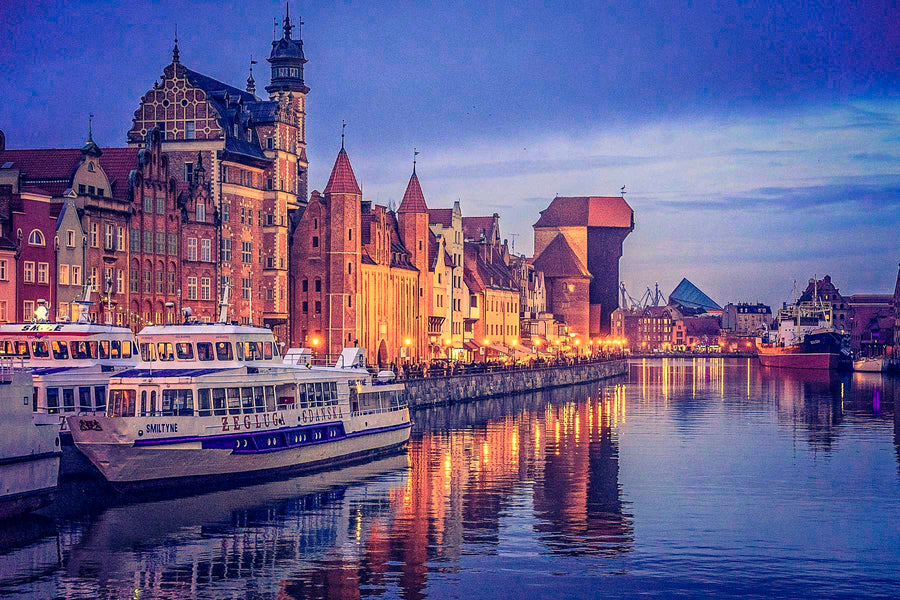
Gdańsk blends Hanseatic architecture, maritime history, amber traditions, museums, and easy access to Sopot and the Baltic coast.
Suggested stay: 2–3 days
Wrocław is known for its colourful Market Square, river islands, bridges, Cathedral Island, modern cultural venues, and distinctive dwarf-statue trail.
Suggested stay: 2 days
Zakopane is the main base for exploring the Polish Tatra Mountains, with hiking, cable cars, skiing, and distinctive highland culture.
Suggested stay: 2–4 daysFeatured experiences and landmarks.
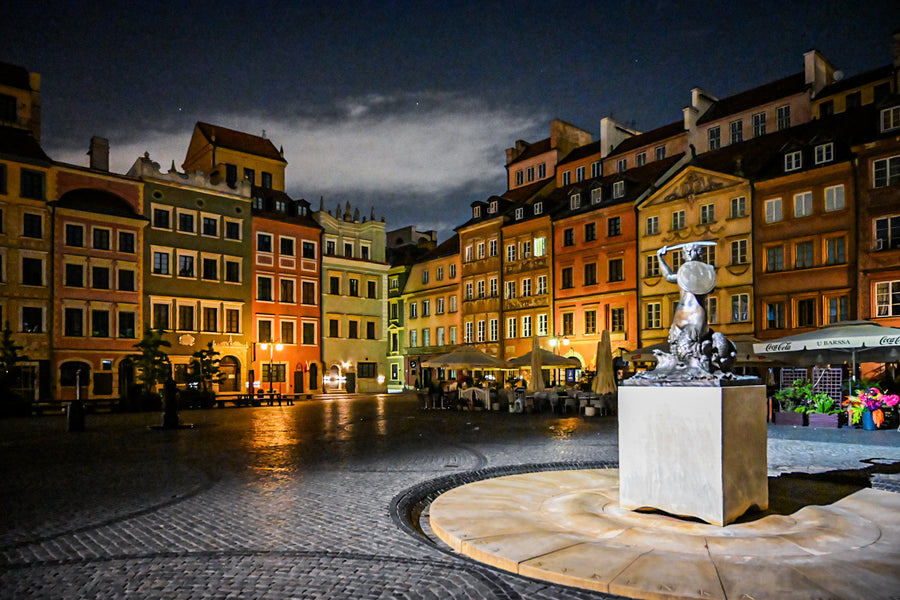
A carefully reconstructed historic centre with Castle Square, colourful townhouses, cafés, and medieval streets; part of Warsaw's UNESCO World Heritage listing.
Suggested visit: 2–3 hours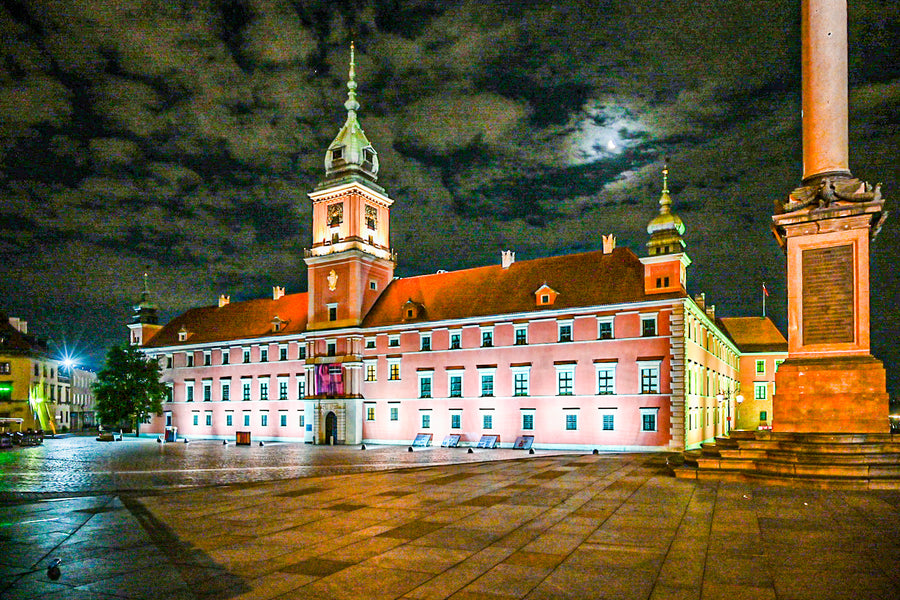
The former royal residence on Castle Square, reconstructed after World War II and now displaying state rooms, paintings, and Polish history collections.
Suggested visit: 1.5–2.5 hours
Warsaw's largest historic park, centred on the Palace on the Isle and known for gardens, monuments, peacocks, and seasonal Chopin concerts.
Suggested visit: 2–4 hours
A landmark royal and religious complex above the Vistula River, with castle exhibitions, cathedral spaces, courtyards, and panoramic viewpoints.
Suggested visit: 2–4 hours
One of Europe's largest medieval market squares, surrounded by the Cloth Hall, St. Mary's Basilica, townhouses, restaurants, and street life.
Suggested visit: 1–3 hours
A Gothic basilica overlooking Kraków's Main Market Square, noted for its twin towers, richly decorated interior, and Veit Stoss altarpiece.
Suggested visit: 45–90 minutes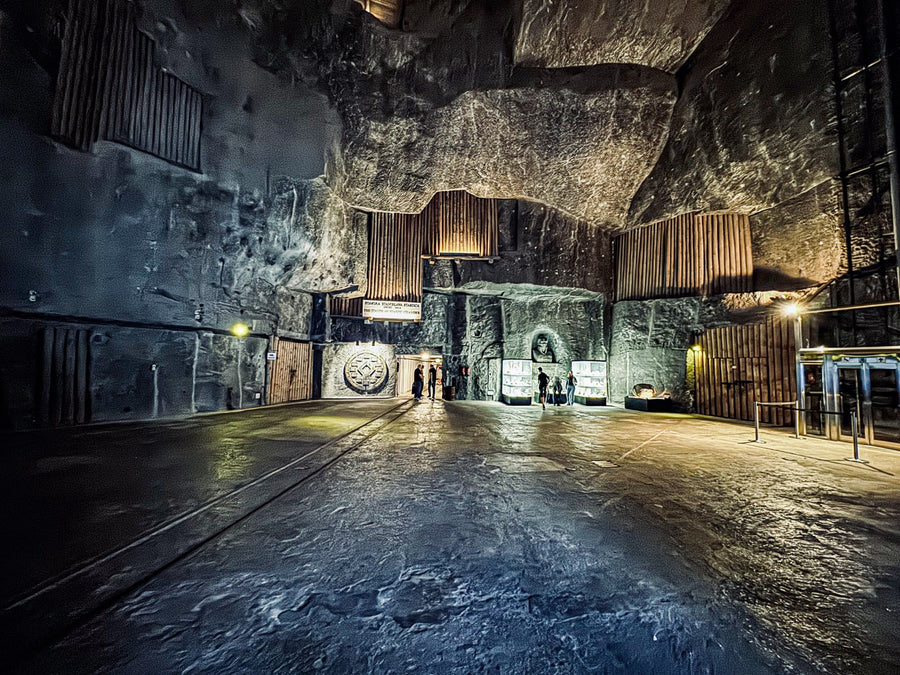
A UNESCO-listed underground mine near Kraków featuring historic chambers, saline lakes, sculptures, and the Chapel of St. Kinga.
Suggested visit: 3–4 hours including transport
The ceremonial heart of Gdańsk, lined with ornate façades and major landmarks including the Main Town Hall, Artus Court, and Neptune Fountain.
Suggested visit: 1–2 hours
A seventeenth-century bronze fountain on Long Market and one of Gdańsk's most recognisable symbols.
Suggested visit: 15–30 minutesMay to June and September to early October usually provide comfortable sightseeing weather with fewer crowds. July and August are warmest and busiest, especially in Kraków, Gdańsk, and the Tatra Mountains. December is popular for Christmas markets, while January and February suit winter sports and snowy city breaks.

Bleiben Sie mit diesem Reiseführer für Krakau und Zakopane auf dem Laufenden. Entdecken Sie Top-Attraktionen, Reisetipps und wie Sie mit einer zuve...

Entdecken Sie Danzig in Polen – einen baltischen Schatz, in dem mittelalterlicher Charme auf moderne Konnektivität trifft. Entdecken Sie Top-Sehens...

Eine eSIM für über 40 europäische Länder – wie Sie mit einem TravelFi Europa-Tarif ohne Roaminggebühren von Portugal nach Polen verbunden bleiben.
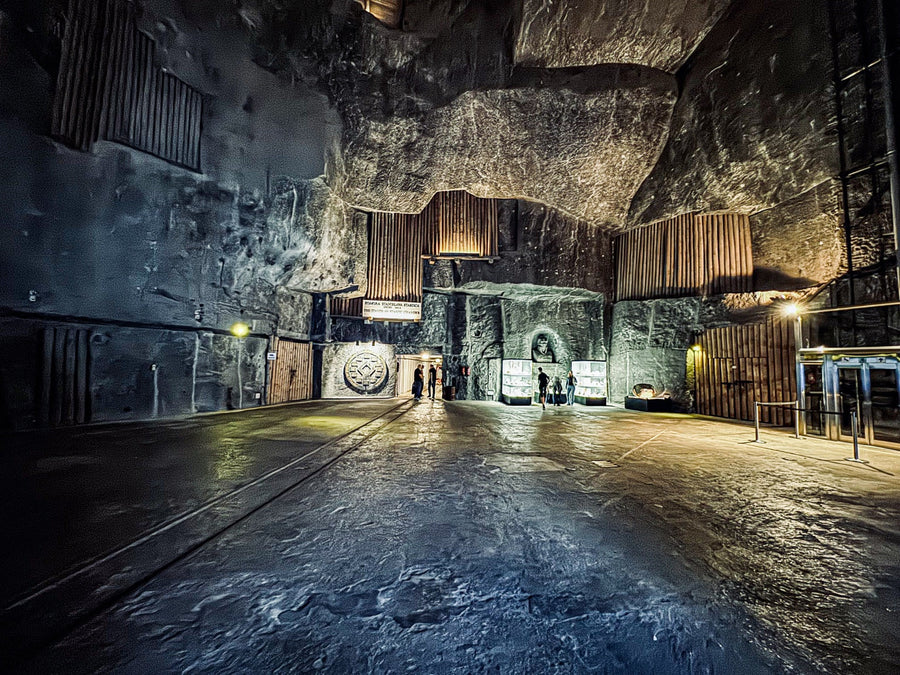
Explore the Wieliczka Salt Mine near Kraków, from the Chapel of St. Kinga and historic salt chambers to underground lakes, mining exhibits, tunnels...
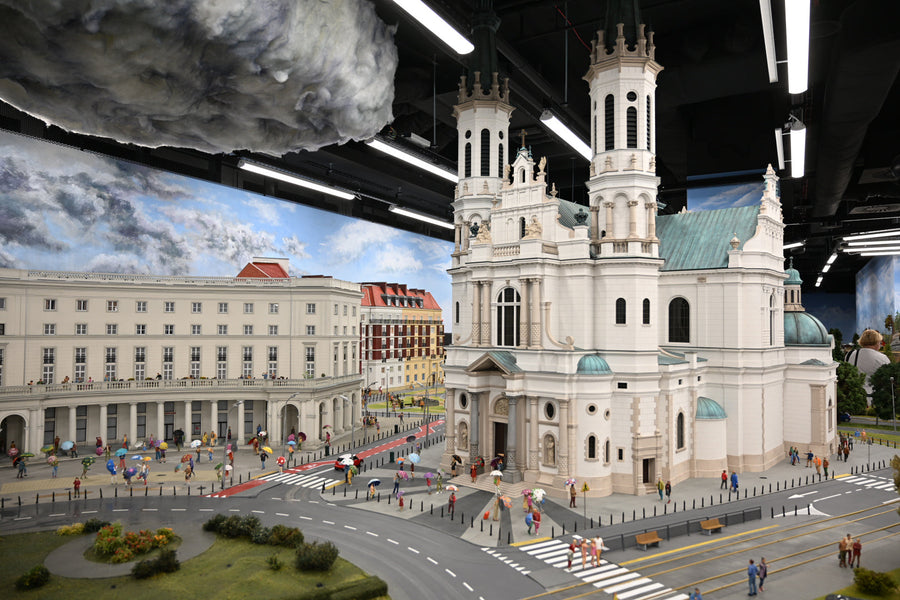
Planning a visit to Kolejkowo Warszawa? This guide covers what to see, how long to allow, practical ticket and location tips, photography ideas, an...

