
eSIM Bélgica
Fixed data plansReliable data for your Belgium trip


Europe
Plan Belgium’s best city breaks with practical advice on Brussels, Bruges, Ghent and Antwerp, rail travel, top attractions, trip length, power and eSIM connectivity.
Belgium packs an exceptional amount of culture into a compact country. Brussels, Bruges, Ghent and Antwerp are easy to combine by train, while Wallonia adds river valleys, fortresses and the wooded Ardennes.
Brussels is the natural starting point, with Grand-Place, museums and Art Nouveau architecture. Bruges offers famous medieval canal scenery. Ghent balances historic architecture with a lively atmosphere, while Antwerp is a major centre for art, fashion and design.
April to June and September to October are excellent for sightseeing. Summer brings festivals and long daylight but also higher visitor numbers. Winter is cool and damp, though Christmas markets make December attractive.
Belgium is particularly easy to explore by rail. Brussels, Ghent, Bruges, Antwerp and Leuven are connected by frequent trains. A car becomes more useful for rural Wallonia and the Ardennes.
Belgium uses 230 V at 50 Hz and Type C and E sockets. Travellers from Canada and the United States need a plug adapter and should verify that devices support 230 V.
Mobile data helps with rail schedules, maps and bookings. TravelFi offers fixed-data Belgium eSIM plans and unlimited Belgium eSIM plans.
For a four-to-seven-day city trip, 5–10 GB is usually comfortable. Unlimited data is useful for heavier streaming, hotspot use or work.
Four to seven days works well for Brussels plus Bruges, Ghent and Antwerp.
Not for the main cities. Belgium's rail network makes multi-city travel straightforward.
Dutch, French and German are official languages. English is commonly understood in visitor areas.
Dial 112 for general emergency services.
Fixed data suits predictable city-trip usage, while unlimited data is better for heavier use. Compare TravelFi Belgium eSIM options.
Ready for Belgium? Compare TravelFi plans before departure.
Get mobile data for your Belgium trip with a local or region-wide eSIM.
Reliable data for your Belgium trip

Unlimited data, no daily limits
TravelFi editorial destination ratings.
Several exceptional historic cities within short rail journeys.
Major art, architecture and layered European history.
Chocolate, beer, fries and a strong restaurant culture.
Dense rail network makes multi-city trips straightforward.
Mid-range Western European costs with good rail value.
230 V · 50 Hz
Two round pins. Usually ungrounded.
A grounded European plug with two round pins and a socket for the outlet's earth pin.
GroundedBelgium uses Type C and E sockets. Travellers from Canada, the United States, UK and other plug systems generally need an adapter.
Belgium uses 230 V mains power. Most modern phone and laptop chargers are dual-voltage, but verify the input rating before use.
Forecast location: Brussels
Belgium has a temperate maritime climate with mild summers, cool winters and precipitation possible throughout the year.
Loading current weather…
Places to include in your Belgium itinerary.
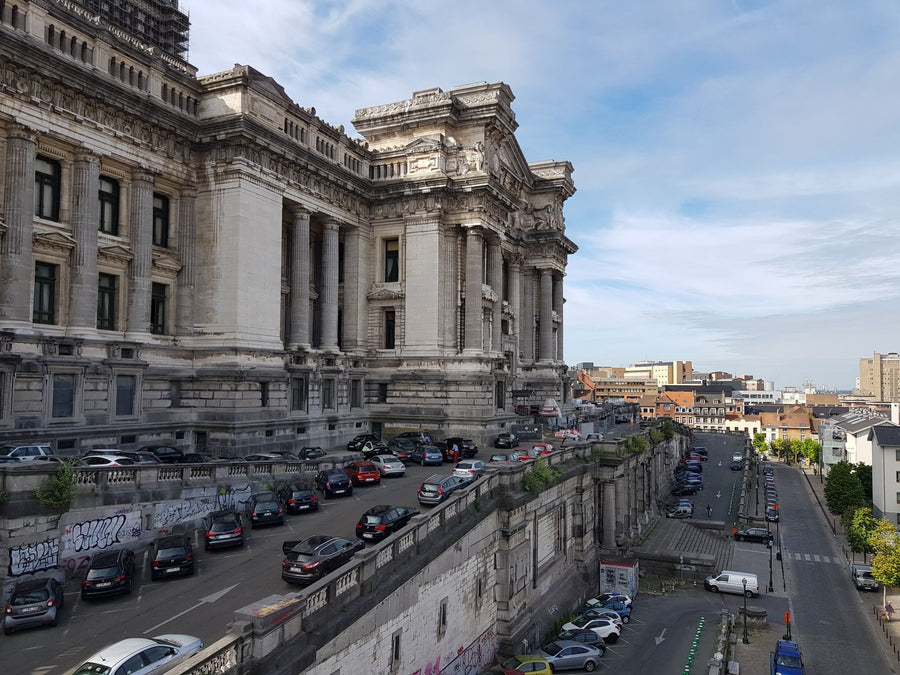
Belgium's capital and EU hub, known for Grand-Place, Art Nouveau, museums, chocolate and beer.
Suggested stay: 2–3 days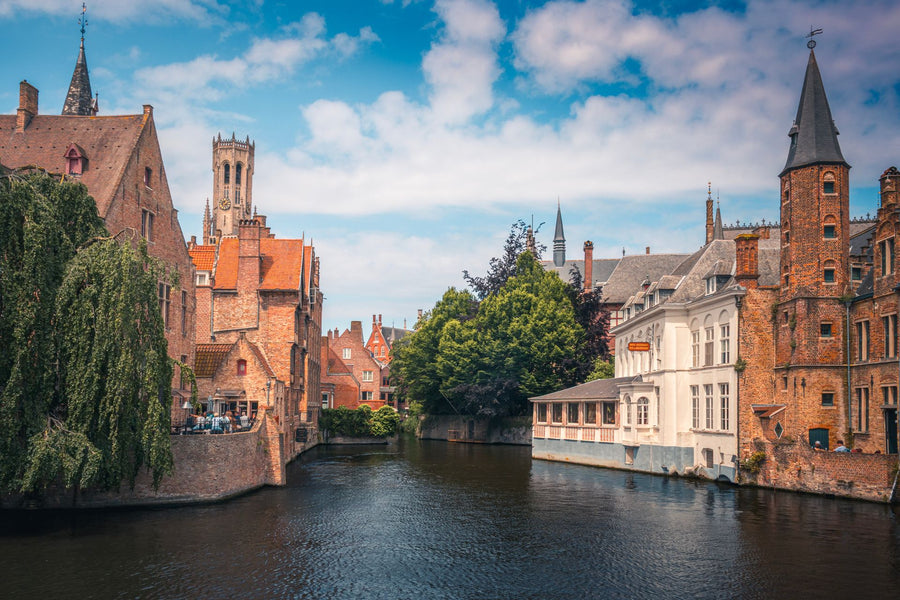
A remarkably preserved medieval canal city and one of Belgium's most popular visitor destinations.
Suggested stay: 1–2 days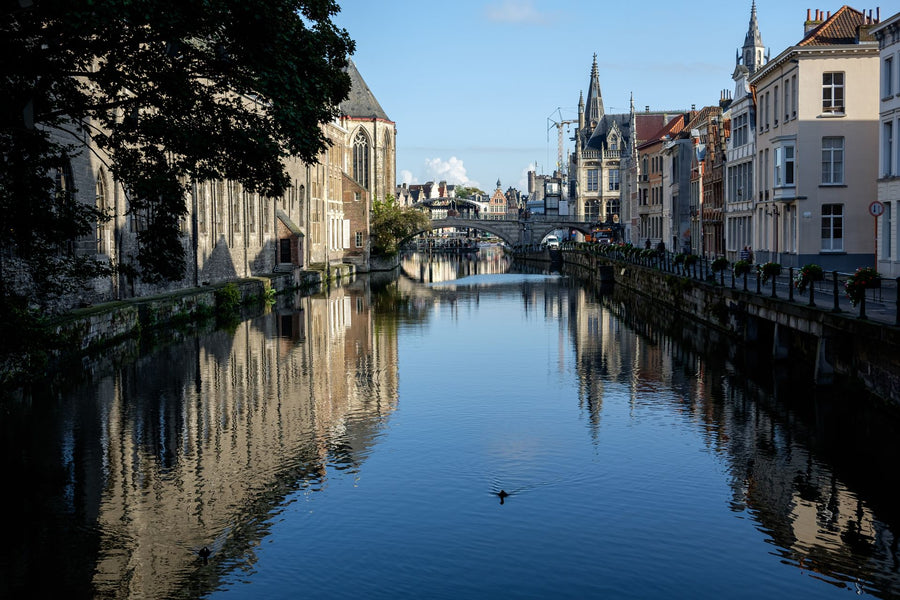
A lively university city with medieval architecture, canals and major art collections.
Suggested stay: 1–2 days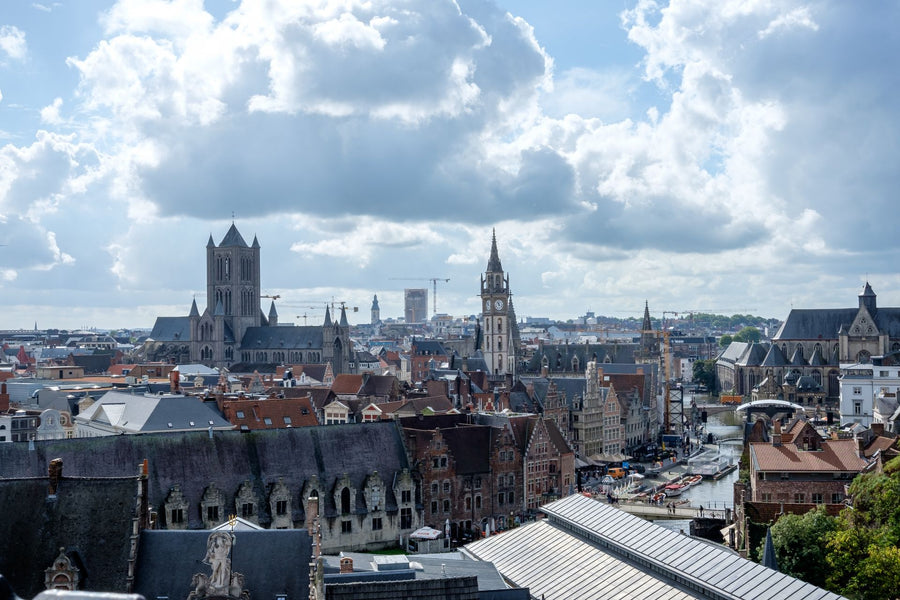
A major port and fashion city with Rubens heritage, museums and a striking historic centre.
Suggested stay: 1–2 days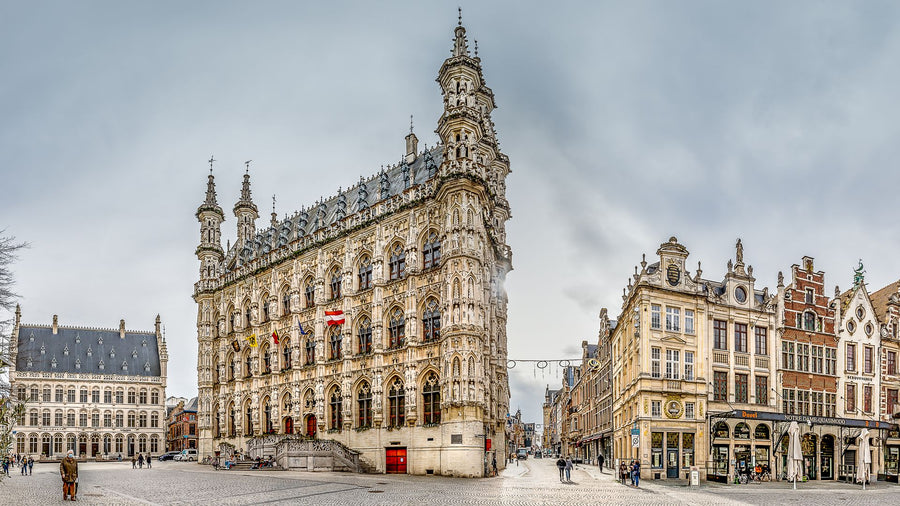
A historic university city with a spectacular Gothic town hall and lively café culture.
Suggested stay: 1 day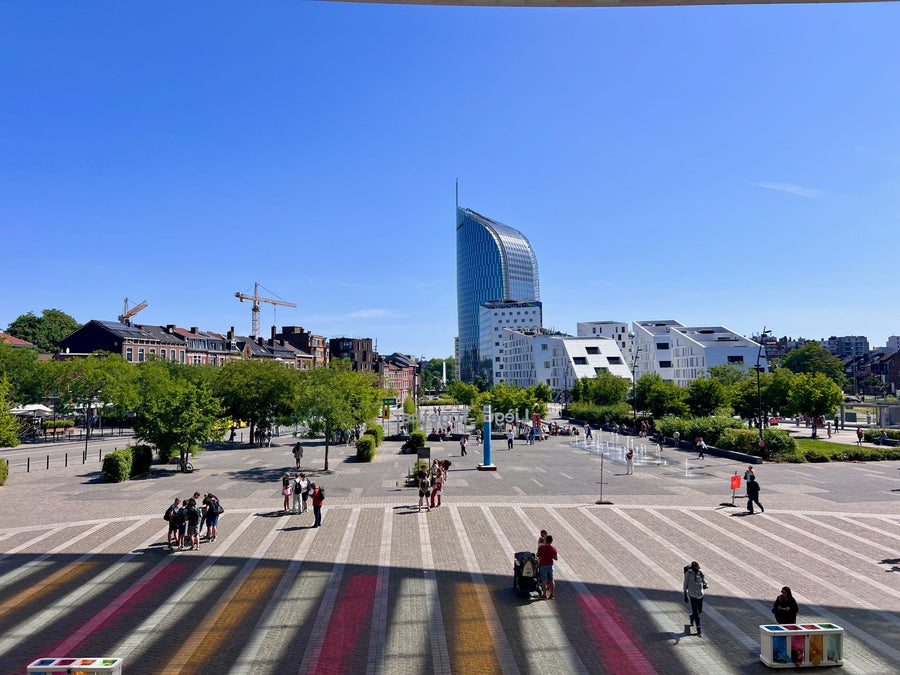
A characterful Walloon city on the Meuse with markets, museums and distinctive architecture.
Suggested stay: 1 day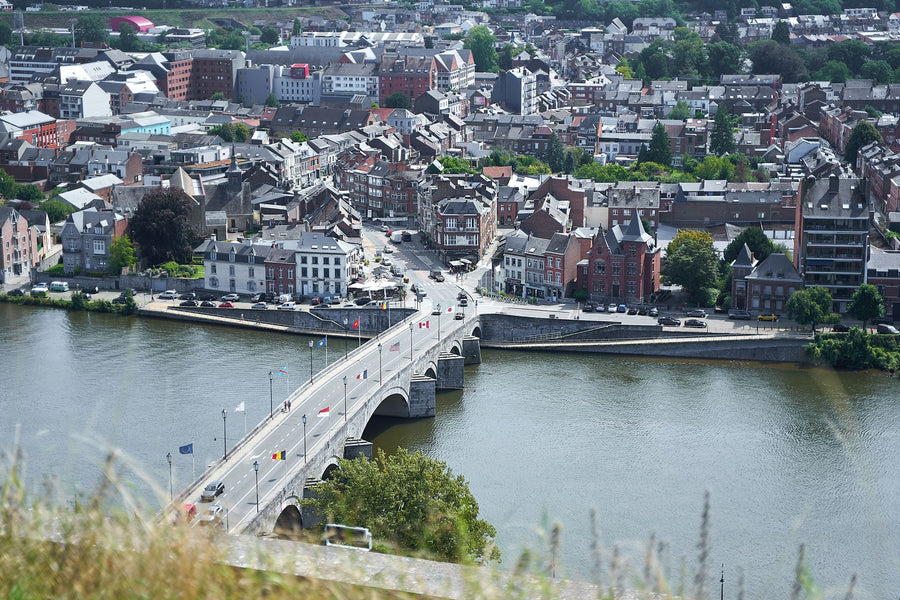
Wallonia's capital, dominated by its hilltop citadel at the meeting of the Sambre and Meuse rivers.
Suggested stay: 1 day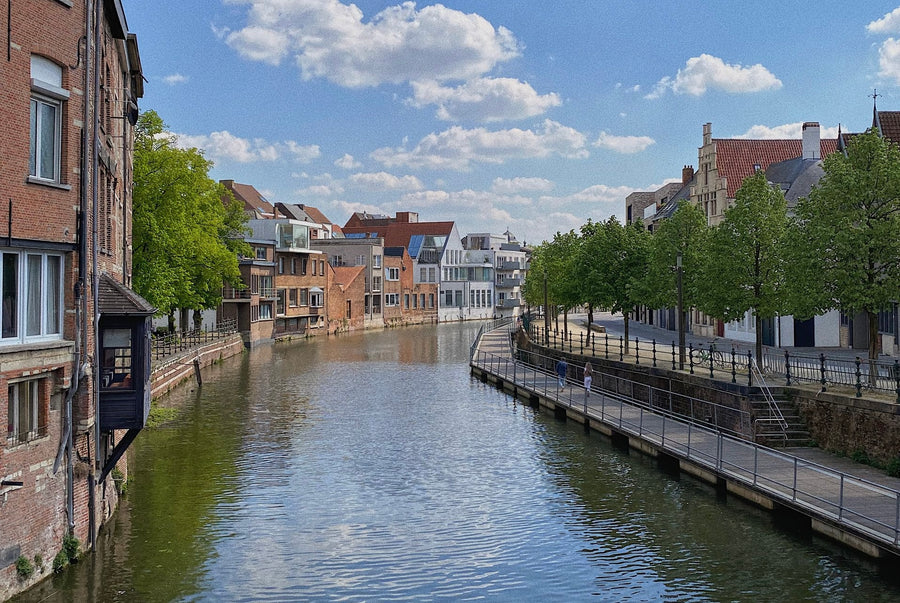
A compact historic city between Brussels and Antwerp, centred on St Rumbold's Cathedral.
Suggested stay: 1 day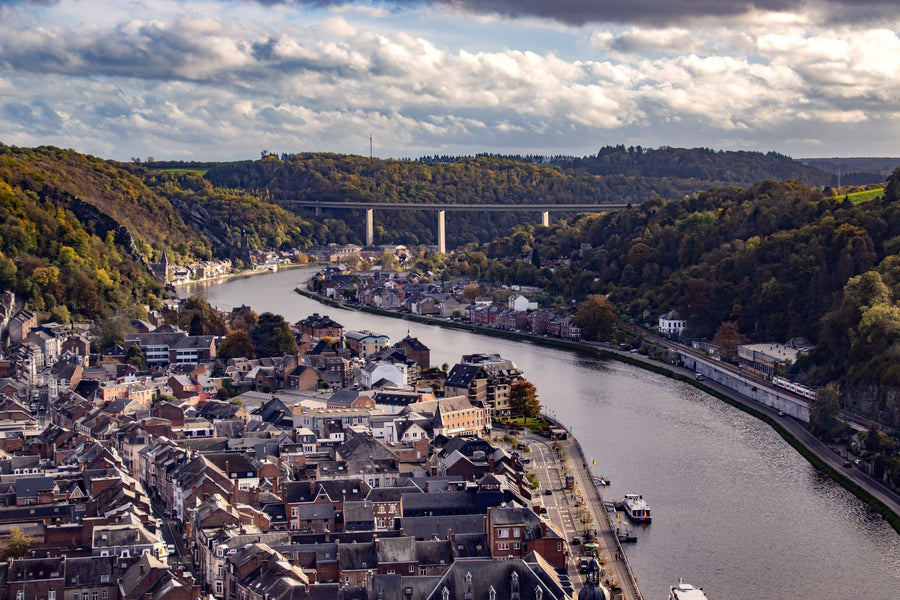
A scenic Meuse Valley town beneath a dramatic citadel and limestone cliffs.
Suggested stay: 1 dayFeatured experiences and landmarks.
Brussels' UNESCO-listed central square framed by ornate guildhalls and the Gothic Town Hall.
Suggested visit: 1–2 hoursBrussels' futuristic 1958 Expo landmark with exhibitions and panoramic views.
Suggested visit: 2 hoursA remarkably intact medieval centre of canals, market squares, churches and brick Gothic architecture.
Suggested visit: Full dayA restored medieval fortress in central Ghent with battlements and city views.
Suggested visit: 1–2 hoursThe Van Eyck brothers' celebrated polyptych, one of Europe's landmark works of early Netherlandish art.
Suggested visit: 1–2 hoursA monumental early-20th-century railway station renowned for its domed hall and layered platforms.
Suggested visit: 30–60 minutesAntwerp's striking riverside museum exploring the city's global connections and history.
Suggested visit: 2–3 hoursThe site of the 1815 Battle of Waterloo, with memorial mound, museum and interpretive attractions.
Suggested visit: 3–4 hoursA hilltop fortress above the Meuse with sweeping views over Dinant and the river valley.
Suggested visit: 2 hoursCompara las estaciones y planifica el mejor momento para tu viaje a Belgium.
Longer days, spring flowers and increasingly mild weather make this an excellent city-break season.
Long daylight, festivals and comfortable temperatures make summer lively, though rain remains possible.
September and early October can be excellent for city touring before cooler, wetter late autumn weather arrives.
Cool, dark winter days are balanced by Christmas markets, museums, cafés and fewer visitors after the holidays.
Check dates and official sources before making travel decisions.
Government of Canada advises travellers to exercise a high degree of caution in Belgium due to the threat of terrorism; transport strikes and demonstrations can also cause disruption.
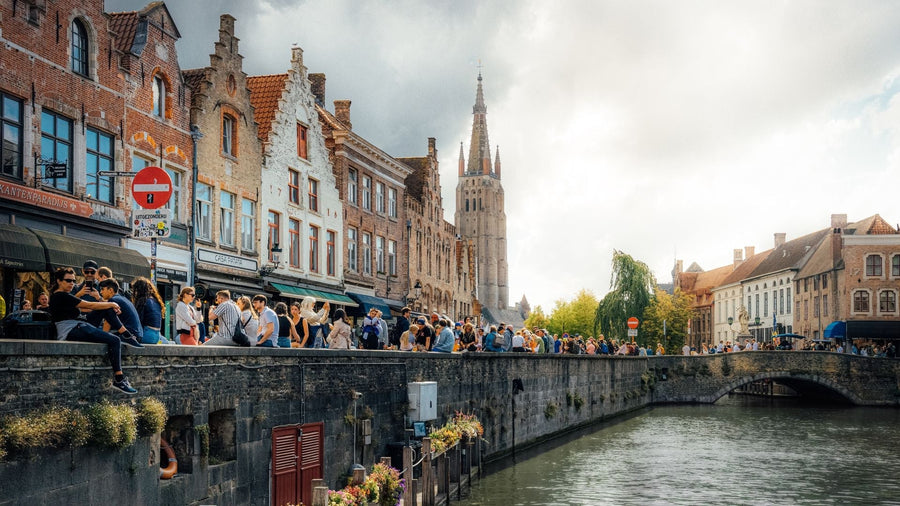
Plan a Belgium trip with practical guidance on Brussels, Bruges, Ghent, Antwerp, rail travel, weather, power and staying connected with an eSIM.


