
eSIM Irlande
Fixed data plansReliable data for your Ireland trip


Europe
Ireland combines lively cities, historic towns, castles, dramatic Atlantic scenery and memorable road trips. Reliable mobile data is valuable for navigation, accommodation, weather checks and rural itineraries.
Cards and contactless payments are widely accepted.
English is used throughout the country; Irish is the first official language.
Either number connects emergency services.
Type G plugs are used.
These months offer the longest daylight and best range of outdoor activities.
Road trips, weather checks and navigation may increase usage.
L'Irlande allie des villes animées, des villes historiques, des châteaux et des paysages atlantiques spectaculaires. Ce guide aide les voyageurs à planifier leurs séjours à Dublin, leurs road trips dans l'ouest, leurs voyages saisonniers et une connectivité mobile fiable.
Prévoyez deux à quatre jours pour Trinity College, les musées, les rues géorgiennes, les sites historiques, la gastronomie et la musique.
Galway est une base animée pour le Connemara, les îles d'Aran et les expériences culturelles de l'ouest.
Doolin offre un accès pratique aux falaises de Moher, à la musique traditionnelle et aux liaisons par ferry lorsque le temps le permet.
Killarney est l'une des meilleures bases pour les road trips en Irlande, avec des paysages de parcs nationaux et l'Anneau du Kerry à proximité.
Cork offre une scène culinaire riche et un accès côtier, tandis que Kilkenny et Waterford ajoutent un patrimoine médiéval et viking.
De mai à septembre offre les jours les plus longs et la plus large gamme d'activités de plein air. Le printemps et le début de l'automne apportent moins de foules. La pluie et les changements météorologiques sont possibles en toute saison.
La plupart des voyageurs ont besoin de 5 à 10 Go pour un voyage d'une semaine utilisant des cartes, la messagerie, la météo et les réservations. Choisissez plus de données pour les longs road trips, le streaming ou l'utilisation du point d'accès.
Installez votre eSIM TravelFi avant le départ. Téléchargez des cartes hors ligne pour les trajets ruraux et rappelez-vous que le signal peut varier dans les zones côtières et montagneuses reculées.
Cinq à sept jours conviennent pour Dublin plus une région. Dix jours sont préférables pour un road trip plus étendu.
Dublin et les grandes villes sont accessibles sans voiture, mais une voiture offre une plus grande flexibilité pour les itinéraires ruraux et le Wild Atlantic Way.
La couverture dépend du plan exact. L'Irlande du Nord fait partie du Royaume-Uni, alors vérifiez les pays pris en charge ou choisissez un plan régional européen approprié.
Restez connecté : Comparez les plans eSIM TravelFi Irlande avec données fixes et illimitées avant votre voyage.
Get mobile data for your Ireland trip with a local or region-wide eSIM.
Reliable data for your Ireland trip

Unlimited data, no daily limits
TravelFi editorial destination ratings.
Outstanding Atlantic coast, green countryside, mountains and lake landscapes.
Compact distances and scenic regional routes make Ireland highly rewarding by car.
Strong music, literature, historic sites, pubs and local traditions.
Strong coverage in populated areas, with some variation along remote coasts and mountains.
Excellent experiences, though accommodation, dining and car rental can be expensive.
230 V · 50 Hz
Three rectangular pins arranged in a triangular pattern, commonly used in the United Kingdom and several other countries.
GroundedIreland uses Type G sockets. Travellers from continental Europe, North America, Asia and most other plug systems need a Type G travel adapter.
Ireland supplies 230 V at 50 Hz. Check that chargers and appliances support 220–240 V before use; a plug adapter does not convert voltage.
Forecast location: Dublin, Ireland
Ireland has a temperate maritime climate with mild temperatures, frequent changes and rainfall possible throughout the year. Western areas are generally wetter and windier than the east.
Loading current weather…
Places to include in your Ireland itinerary.

Ireland’s capital combines historic landmarks, museums, Georgian streets, pubs and a strong cultural scene.
Suggested stay: 2–4 daysA lively west-coast city known for music, food and access to Connemara and the Aran Islands.
Suggested stay: 2–3 daysA southern city with a strong food identity, riverside centre and access to coastal towns and heritage sites.
Suggested stay: 2–3 daysA popular County Kerry base for national-park scenery, lakes and the Ring of Kerry.
Suggested stay: 2–4 daysA compact medieval city known for its castle, historic streets, crafts and food.
Suggested stay: 1–2 daysA Shannon-region city with a medieval castle, riverside districts and access to western Ireland.
Suggested stay: 1–2 daysIreland’s oldest city features Viking history, museums and access to the southeast coast.
Suggested stay: 1–2 daysA northwest base for Atlantic scenery, surfing, mountains and literary heritage.
Suggested stay: 2–3 daysA small County Clare village known for traditional music and access to the Cliffs of Moher and Aran Islands.
Suggested stay: 1–2 daysFeatured experiences and landmarks.
A central Dublin landmark featuring a historic campus, library spaces and the Book of Kells exhibition.
Suggested visit: 1.5–2.5 hoursA multi-level Dublin attraction exploring the history and production of Guinness.
Suggested visit: 2–3 hoursDramatic Atlantic sea cliffs in County Clare with walking routes and expansive coastal views.
Suggested visit: 2–4 hoursA celebrated County Kerry driving circuit of coastline, mountains, villages and viewpoints.
Suggested visit: Full dayA landscape of lakes, woodland, mountains and historic estates beside Killarney.
Suggested visit: Half or full dayA dramatic hilltop complex of medieval religious buildings in County Tipperary.
Suggested visit: 1–2 hoursA restored riverside castle central to Kilkenny’s medieval heritage district.
Suggested visit: 1.5–2.5 hoursA rugged west-coast park of mountains, bogland, walking trails and wide scenic views.
Suggested visit: Half or full dayA prehistoric passage tomb in the Brú na Bóinne complex, older than the Egyptian pyramids.
Suggested visit: 3–4 hoursMay to September offers the longest daylight and generally mild conditions. April, May, September and October can provide fewer crowds, while rain and rapidly changing weather are possible throughout the year.
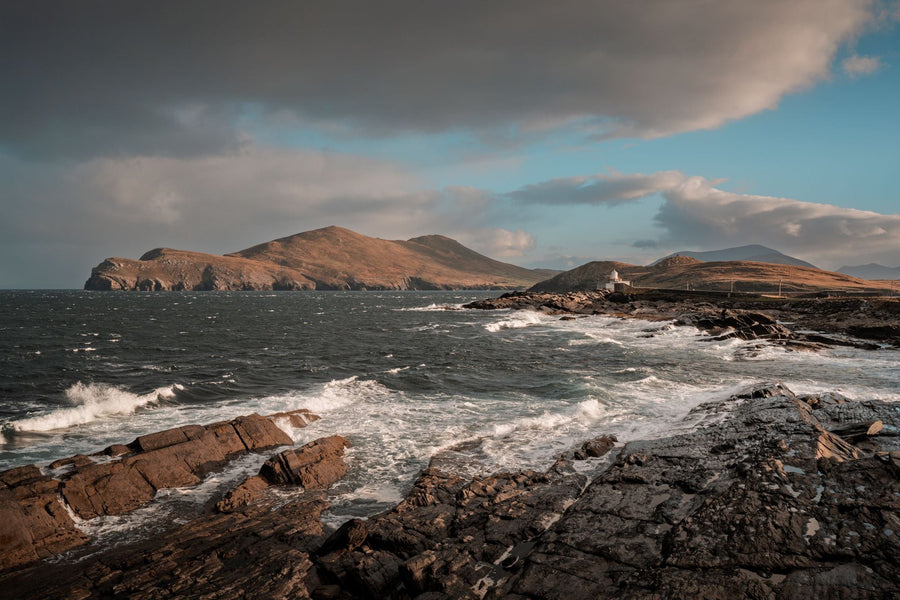
Plan a 7–10 day Wild Atlantic Way highlights road trip through Galway, Connemara, the Cliffs of Moher, Dingle, Killarney and Ireland’s southwest co...


