
Brazil eSIM
Fixed data plansReliable data for your Brazil trip


Latin America
Brazil combines energetic cities, Atlantic beaches, rainforest, wetlands, waterfalls and distinctive regional cultures. Reliable mobile data is especially useful for navigation, transport apps, reservations and long-distance itineraries.
Brazil's purpose-built federal capital in the country's central plateau.
Cards are common in cities and tourist areas; some cash remains useful.
Portuguese is the nationwide official language.
Most major visitor cities, including Rio and São Paulo, use Brasília Time.
Brazilian phone numbers also use regional two-digit area codes.
Brazil's scale rewards regional planning rather than trying to cover the whole country.
Brazil is a continent-sized destination of lively cities, Atlantic beaches, rainforest, wetlands, waterfalls and distinct regional cultures. Most travellers get more from the country by focusing on one or two regions rather than trying to cover everything in a single trip.
Reliable mobile data helps with maps, ride-hailing, accommodation messages, domestic transport and last-minute reservations. Compare the Brazil fixed-data eSIM and the Brazil unlimited-data eSIM before departure.
Allow three to five days for Christ the Redeemer, Sugarloaf Mountain, the waterfront neighbourhoods, museums and beaches. Reserve major attractions in advance during weekends and peak travel periods.
Brazil's largest city is strongest for food, museums, nightlife and neighbourhood exploration. It is also the country's main international aviation hub.
Salvador combines colourful colonial architecture, Afro-Brazilian heritage, music and distinctive Bahian cuisine. Add coastal time when your itinerary allows.
Foz do Iguaçu is the Brazilian gateway to one of the world's great waterfall systems. Plan at least two nights and check current park reservation requirements.
Manaus is a common gateway to Amazon river and rainforest experiences, while the Pantanal is especially rewarding for wildlife observation. Book reputable operators and download essential information for offline use before remote travel.
Brazil is visitable year-round, but seasons vary by region. December to February is hot, busy and popular for beaches and festivals. March to May and September to November often provide balanced weather and fewer crowds. June to August is drier across much of the interior and is excellent for Pantanal wildlife and many outdoor itineraries.
Domestic flights save time between distant regions. Intercity buses serve many routes, while urban transport and ride-hailing are useful in major cities. Keep mobile data available for live directions, transport changes and accommodation communication.
Brazil uses 60 Hz electricity, but local voltage may be 127 V or 220 V. Type N is the principal plug standard, and some sockets may accept Type C plugs. Check voltage before using single-voltage appliances.
For maps, messaging and routine bookings, a fixed plan is often sufficient. Travellers using video, hotspot sharing or remote-work tools may prefer the unlimited Brazil eSIM.
Ten to fourteen days works well for one major city plus one or two regional experiences. A two- to three-week trip allows a more relaxed multi-region itinerary.
Yes. Mobile data is valuable for maps, ride-hailing, airline updates, reservations and translation. Install your eSIM before departure and follow its activation instructions.
Most travellers use 10–20 GB over two weeks. Choose unlimited data for frequent streaming, hotspot use or remote work.
A Type N-compatible universal adapter is the safest choice. Confirm whether your device supports the local voltage.
There is no single nationwide answer. May to September is often drier in the interior, while beach and festival travel peaks during the southern summer.
Choose your plan before departure, install it while you have reliable Wi-Fi, and keep your primary SIM configured according to your roaming preferences.
Get mobile data for your Brazil trip with a local or region-wide eSIM.
Reliable data for your Brazil trip

Unlimited data, no daily limits


TravelFi editorial destination ratings.
Strong coverage in major cities and tourism corridors, with weaker service in remote rainforest and interior areas.
Good range of accommodation and food budgets, though domestic flights can add cost.
Exceptional biodiversity, beaches, waterfalls, wetlands, rainforest and national parks.
Major cities offer distinctive music, food, architecture, festivals and regional identity.
Excellent beaches, wildlife and family attractions, with careful itinerary and transport planning recommended.
127 V or 220 V depending on city and building · 60 Hz
Two round pins. Usually ungrounded.
Three round pins, with the central pin providing grounding. Brazil uses 10 A and 20 A versions.
GroundedBrazil primarily uses Type N sockets, while some accommodation may accept Type C plugs. Carry a Type N-compatible universal adapter.
Voltage is not uniform nationwide. Confirm the local supply before connecting single-voltage devices.
Forecast location: Brasília, Brazil
Brazil spans equatorial, tropical, semi-arid, highland and subtropical climates. Northern areas are hot and humid, the northeast includes drier zones, and southern Brazil has more distinct seasonal temperature changes.
Loading current weather…
Places to include in your Brazil itinerary.
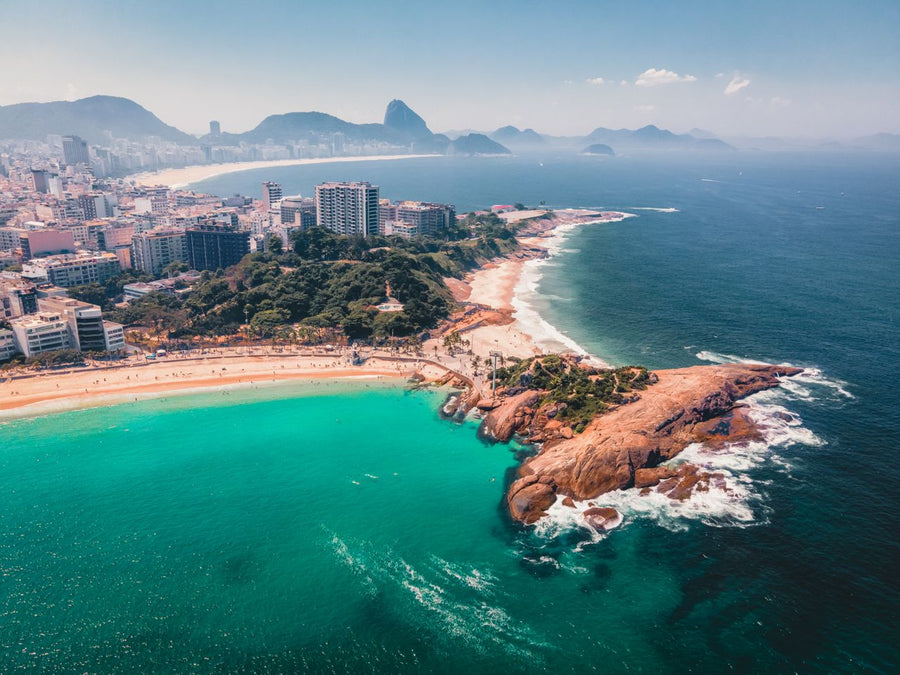
Brazil's best-known coastal city, combining beaches, mountain viewpoints, music, nightlife and major landmarks.
Suggested stay: 3–5 days
A vast cultural and culinary capital known for museums, neighbourhoods, nightlife and international transport connections.
Suggested stay: 2–4 days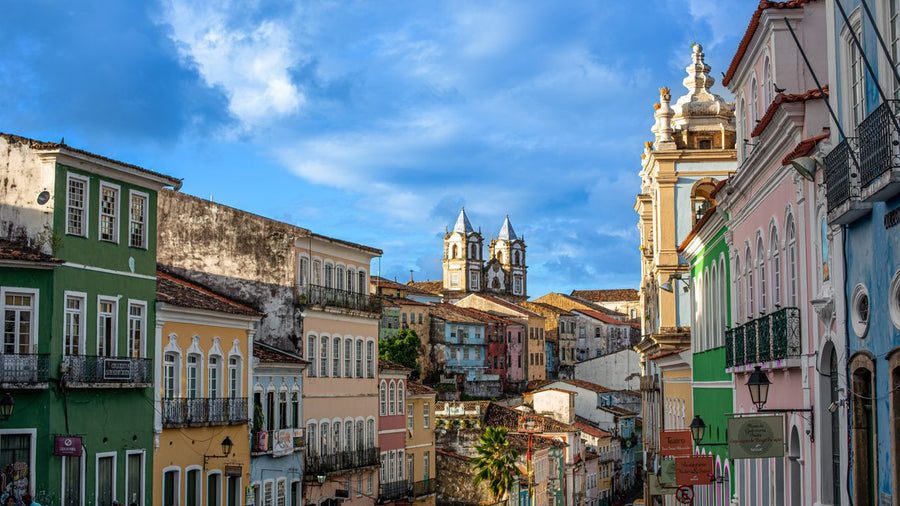
A historic coastal city celebrated for Afro-Brazilian culture, colourful architecture, music and Bahian cuisine.
Suggested stay: 3–4 days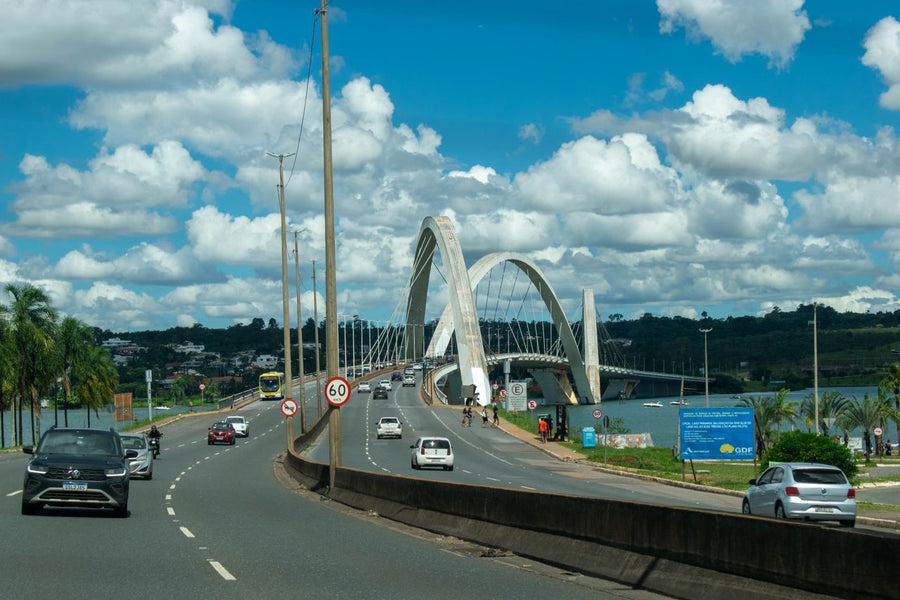
Brazil's planned capital, known for modernist architecture, civic landmarks and broad urban spaces.
Suggested stay: 1–2 days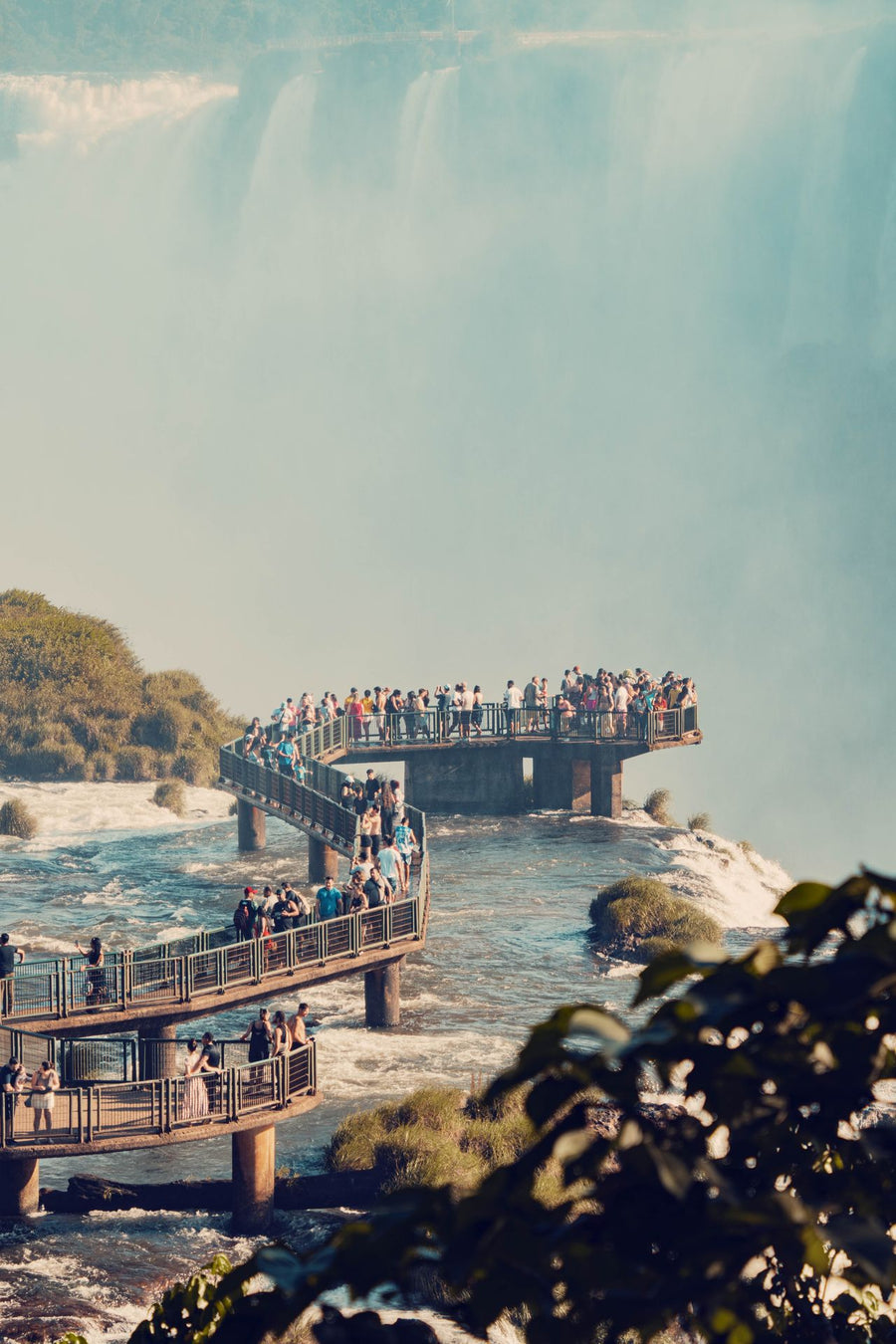
The principal Brazilian gateway to Iguaçu Falls and nearby cross-border attractions.
Suggested stay: 2–3 days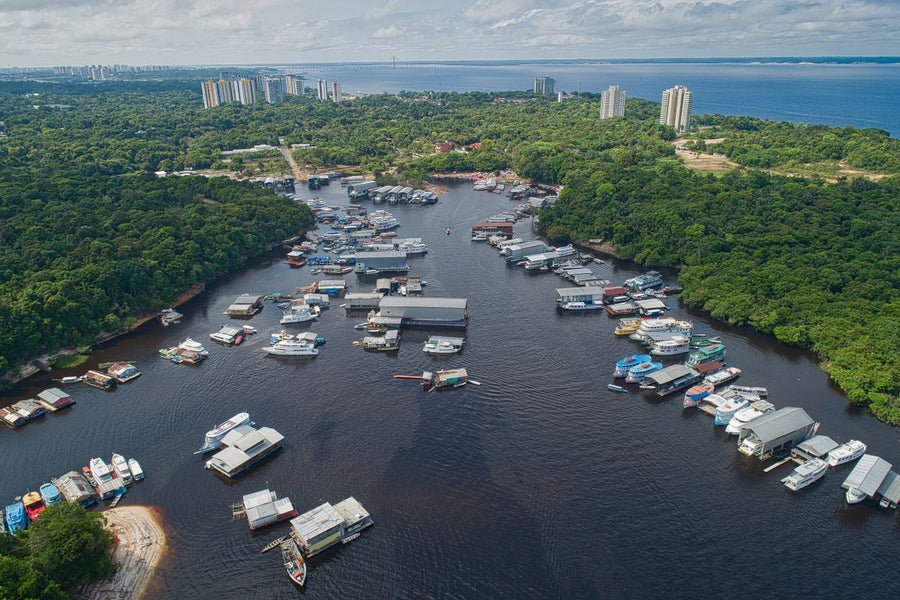
A major Amazon gateway with river excursions, rainforest lodges and a landmark opera house.
Suggested stay: 3–5 days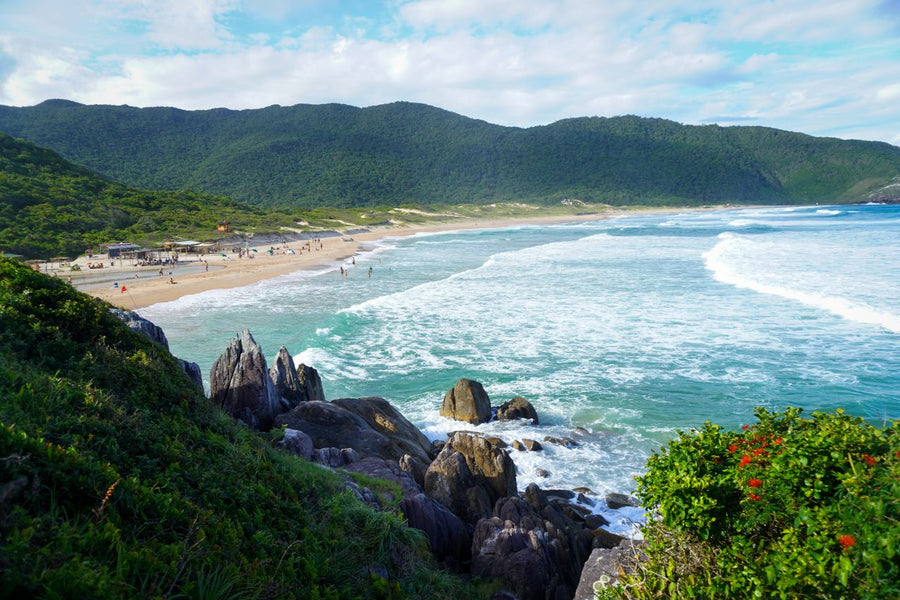
An island-focused southern city with beaches, surfing, seafood and outdoor activities.
Suggested stay: 3–5 days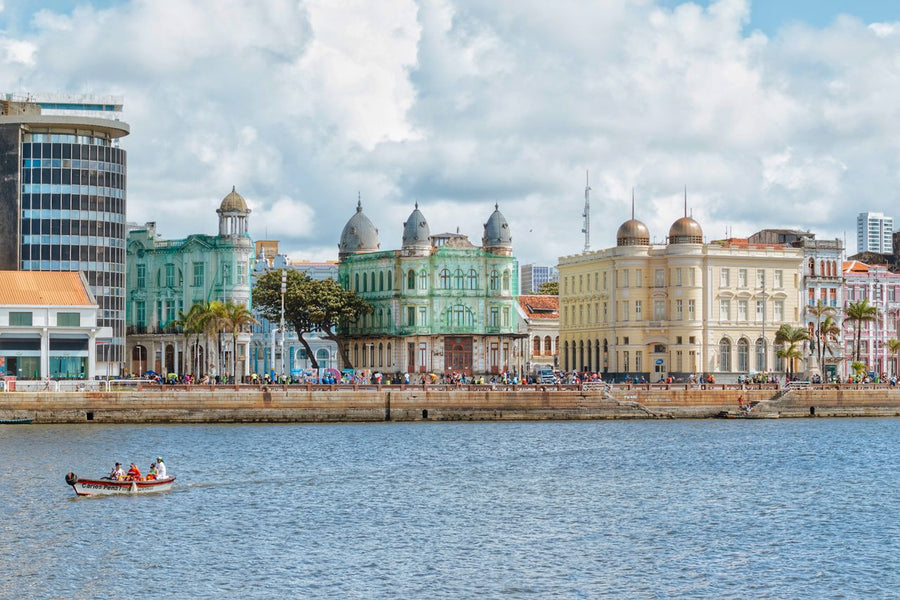
A northeastern coastal hub with historic districts, urban beaches and easy access to Olinda.
Suggested stay: 2–4 days
A sunny northeastern city and transport gateway for Ceará's beaches and dune landscapes.
Suggested stay: 2–4 daysFeatured experiences and landmarks.
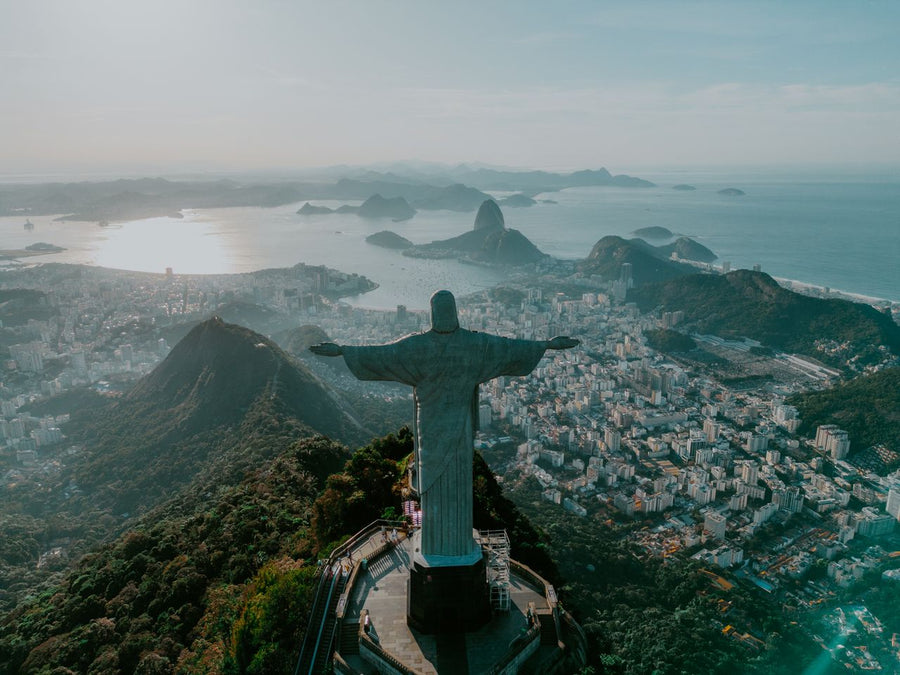
The iconic Art Deco statue overlooking Rio de Janeiro from Corcovado Mountain.
Suggested visit: 2–3 hours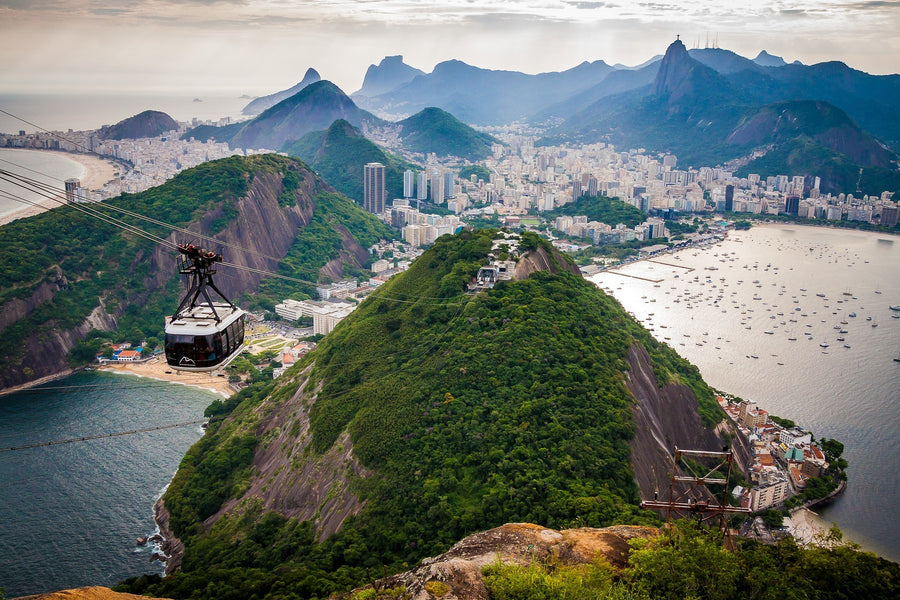
A cable-car-accessed granite peak with panoramic views over Rio's bay, beaches and skyline.
Suggested visit: 2–3 hours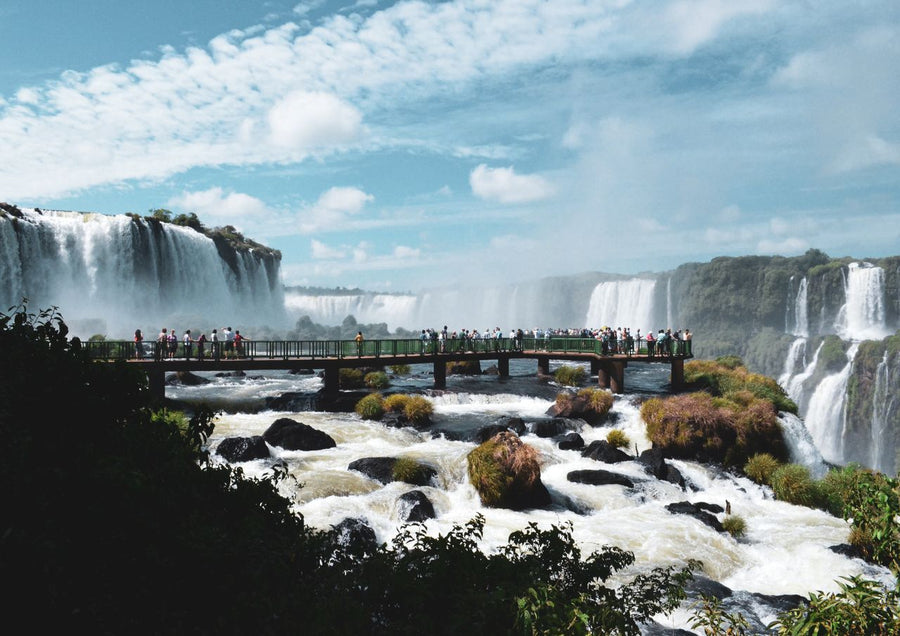
A vast system of waterfalls within protected Atlantic rainforest on Brazil's border with Argentina.
Suggested visit: 1 full day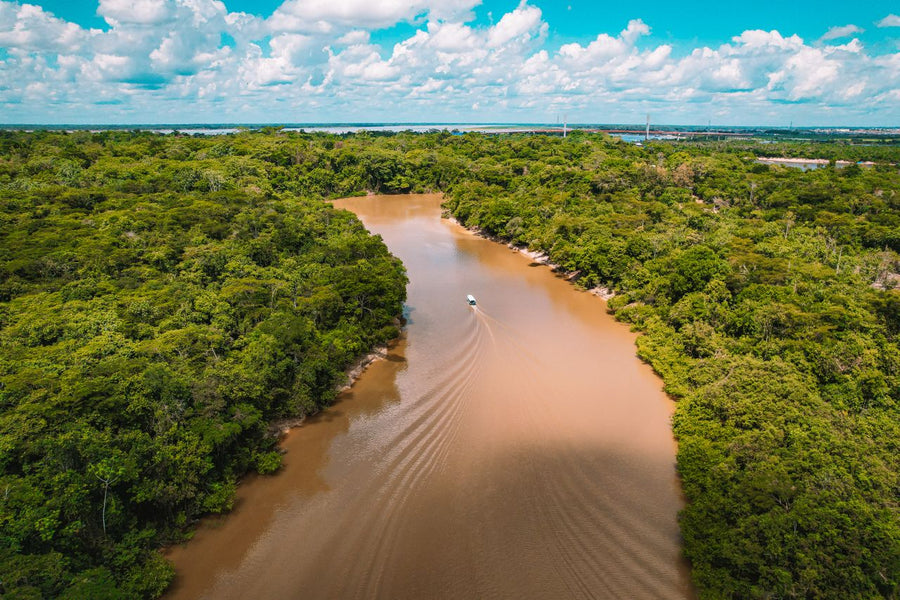
Immense tropical rainforest explored through river journeys, wildlife excursions and remote lodges from Manaus.
Suggested visit: 3–6 days
One of the world's largest tropical wetlands and a premier destination for wildlife observation.
Suggested visit: 3–5 days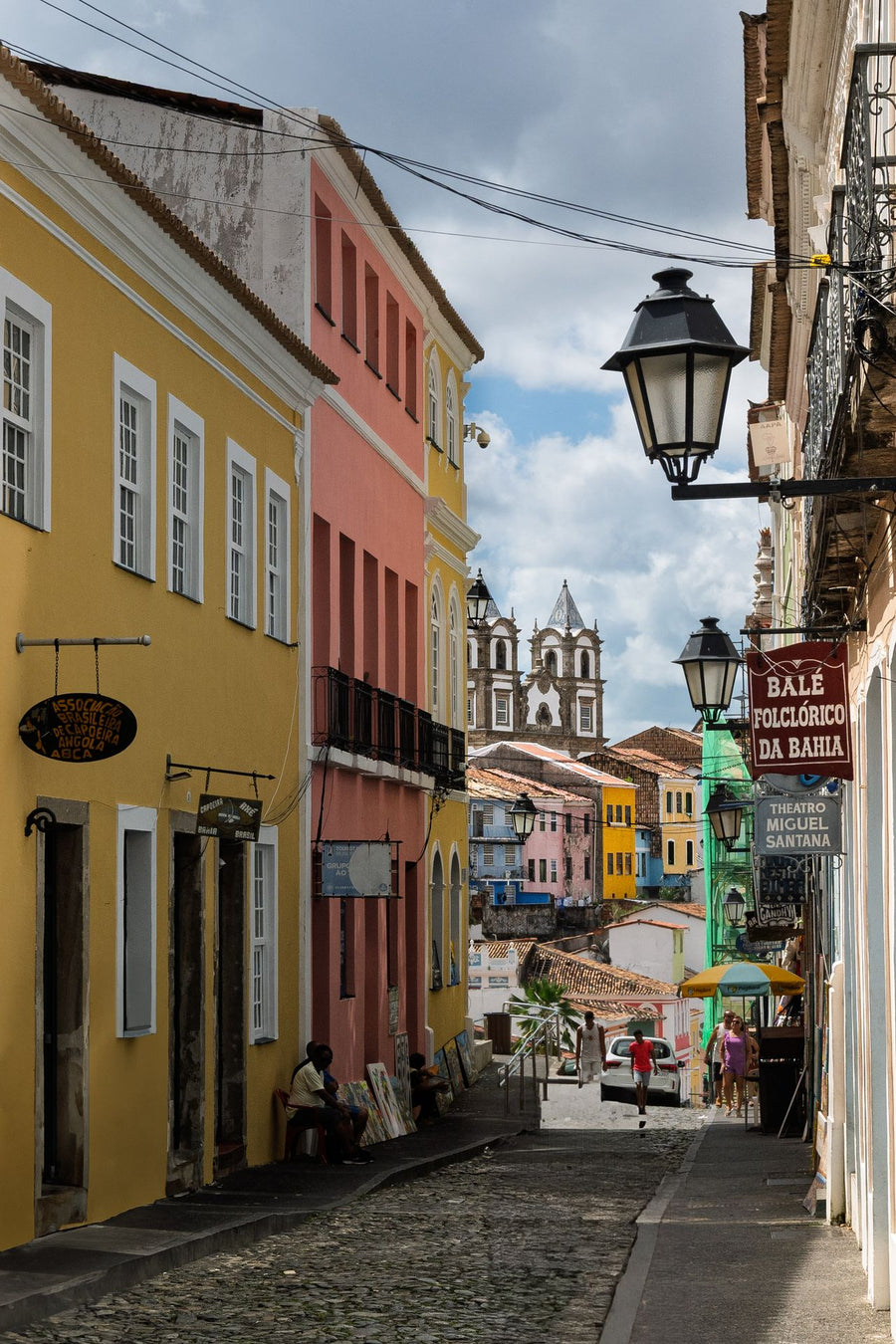
Salvador's colourful UNESCO-listed historic centre, rich in churches, music and Afro-Brazilian heritage.
Suggested visit: Half day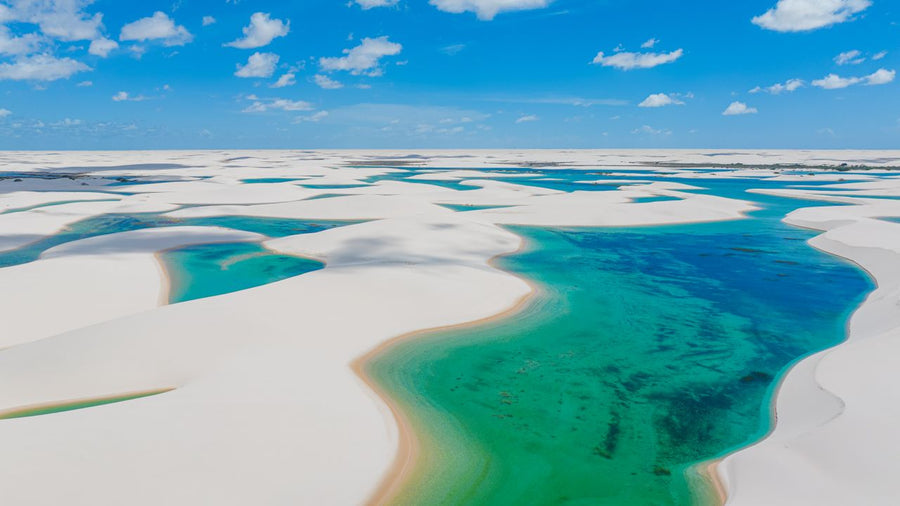
A striking landscape of white dunes and seasonal freshwater lagoons in northeastern Brazil.
Suggested visit: 2–4 days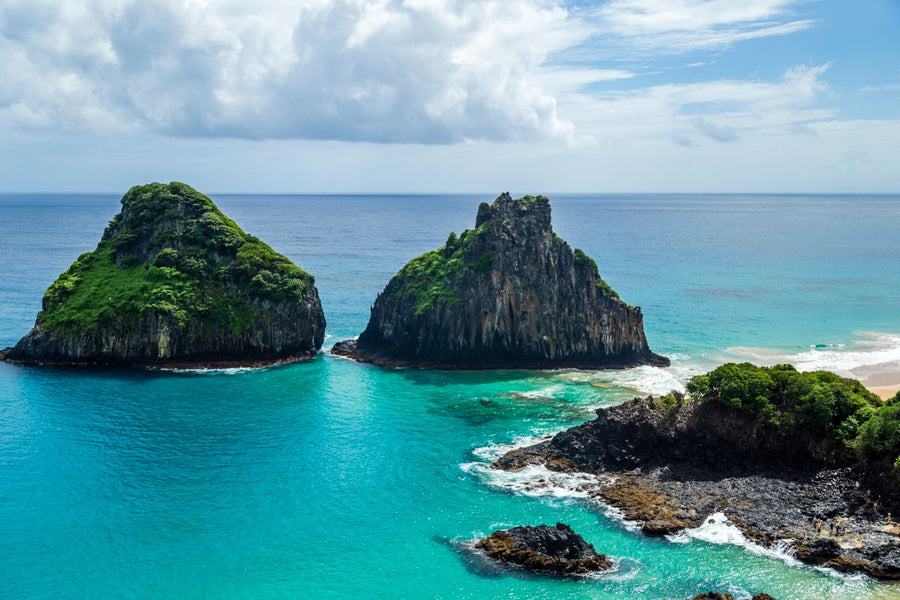
A protected Atlantic archipelago known for clear water, marine life, beaches and controlled visitor access.
Suggested visit: 4–7 days
A hilly colonial-era town in Minas Gerais with baroque churches, museums and preserved architecture.
Suggested visit: 1–2 daysCompare seasons and plan the right time for your trip to Brazil.
Spring brings warmer weather and good shoulder-season value before the main summer holiday period.
Use light clothing with rain protection and sun care.
Brazilian summer is hot and lively, with strong beach demand and frequent afternoon rain or thunderstorms in many regions.
Pack lightweight clothing, sun protection, insect repellent and a compact rain layer.
Autumn is a strong all-round travel period, with easing heat and generally lower crowds after the main summer holidays.
Bring breathable layers and light rain protection.
Winter is one of the best periods for wildlife and interior travel, with drier conditions across many major nature destinations.
Pack layers; southern cities can be cool while tropical regions remain warm.
Check dates and official sources before making travel decisions.
Travellers should review current official safety advice, use reputable transport, remain alert in urban areas and avoid specifically restricted high-risk areas.

Plan your trip to Rio de Janeiro with this practical guide to Christ the Redeemer, Sugarloaf Mountain, Copacabana, Ipanema, Santa Teresa, Tijuca Na...

