
Peru eSIM
Fixed data plansReliable data for your Peru trip


Latin America
Plan Lima, Cusco, Machu Picchu, the Andes and Amazon with practical advice on seasons, transport, power and eSIM connectivity.
Cards are common in cities, while cash remains useful for markets, small businesses and rural areas.
Spanish is widely used, with Quechua, Aymara and other Indigenous languages spoken regionally.
Police 105, fire 116 and medical assistance 106.
Type A, B and C plugs can be encountered.
The Andes are generally driest during these months, though conditions vary by region.
Suitable for maps, messaging and bookings; choose more for streaming or hotspot use.
Peru rewards a trip built around a few well-chosen regions: Lima’s food and coastal neighbourhoods, Cusco’s historic streets, the Sacred Valley and Machu Picchu, or a longer journey into the Andes and Amazon. Distances, altitude and different weather patterns make a realistic route more useful than a long checklist.
Choose Peru for archaeological heritage, mountain landscapes, regional food and rainforest experiences. A first visit can focus on Lima, Cusco, the Sacred Valley and Machu Picchu. With more time, add one region that matches your interests: Arequipa and Colca Canyon, Lake Titicaca, the Amazon, Huaraz’s trekking country or the northern archaeological route.
Check regional forecasts through SENAMHI. The forecast for Lima does not represent Cusco, high-altitude trekking routes or rainforest lodges.
Allow two to four days for the historic centre, museums, Miraflores and Barranco. Group sightseeing by neighbourhood to leave time for meals and avoid unnecessary cross-city journeys.

Plan several days in the Cusco region, allowing time to adjust to altitude before demanding activities. Combine historic streets with selected Sacred Valley stops such as Pisac or Ollantaytambo, then build the Machu Picchu journey around your confirmed entry ticket.
Book through the Ministry of Culture’s official Tu Boleto portal. Check the chosen circuit, route and entry time carefully: an entry ticket does not automatically include every viewpoint, mountain hike, train or bus. Confirm transport and any trekking permits separately.

Use Arequipa for white-stone architecture and regional food before heading into the Colca Valley. A viewpoint tour and a trek into the canyon have very different demands; compare walking, altitude and road time when choosing. Check visitor guidance with AUTOCOLCA.
Puno is a base for lake and island visits. Leave space for the high altitude, confirm boat arrangements and choose respectful community experiences. Ask before taking portraits and follow local guidance during village visits.
Iquitos and Puerto Maldonado serve different rainforest regions. Compare the actual lodge location, transfer arrangements, guiding and activities rather than choosing on the city name alone. For Tambopata, consult SERNANP’s visitor information and use an authorized operator. Reserve several days for a lodge stay.
Huaraz suits travellers making mountain walking a major part of the trip. Trujillo and Chiclayo suit archaeology, museums and northern food. Paracas offers desert-coast scenery; the land reserve and Ballestas Islands boat excursions are separate experiences. Nazca is a further southern stop, so allow time for the journey rather than treating it as part of Paracas itself.
Seven days: keep to Lima and the Cusco–Sacred Valley–Machu Picchu region, with travel and altitude adjustment built in. Ten to fourteen days: slow that route down or add one additional region. Two to three weeks: consider a wider circuit, while preserving buffer days for transfers and weather. These are planning suggestions, not fixed tour schedules.
Compare domestic flights for long distances. For buses, use reputable operators, favour daytime road travel and allow buffers. Arrange airport transfers through authorized services or your accommodation; avoid street-hailed taxis. Confirm train services directly with PeruRail or Inca Rail. Strikes, roadblocks and weather can disrupt connections, including access to Machu Picchu.
The currency is the Peruvian sol (PEN). Carry smaller notes for markets, small businesses and rural stops, and check payment arrangements before lodge stays or excursions. Keep a second payment method separately. Budget for the complete experience: entry tickets, guides, transport, park access and transfers can be separate purchases.
Peru’s standard supply is 220 V, 60 Hz. Type A and C outlets are common, and Type B can also be encountered. Bring an adapter appropriate to your accommodation and devices. A plug adapter changes the fit; it does not change voltage. Check each charger’s input label: equipment marked 100–240 V, 50/60 Hz is generally voltage-compatible, while 120 V-only appliances need a suitable voltage solution.
Check official entry information for your passport before departure. Requirements depend on nationality and trip purpose; do not assume that another traveller’s permitted stay applies to you.
Review the current Peru travel advisory, including regional restrictions. Avoid demonstrations, protect valuables and confirm local conditions before departure. For high-altitude activities, plan gradual adjustment and obtain travel-health advice appropriate to your itinerary. Choose insurance that covers your planned activities and altitude.
Emergency contacts include police 105 and fire 116. SAMU medical assistance uses 106 where available; confirm local arrangements with your accommodation or operator. A data-only eSIM does not provide a standard local voice number.
For a Peru-only trip, compare Peru fixed-data eSIM plans and Peru unlimited data eSIM plans. Fixed data suits a known allowance; unlimited plans have a selected daily high-speed allowance and fair-use conditions, so check the exact variant before buying.
For a multi-country route, compare South America (6 areas) fixed-data plans or South America (6 areas) unlimited plans. These cover Peru, Argentina, Brazil, Chile, Ecuador and Uruguay. Check every destination on your route; this six-country option does not cover all of South America.
As a starting estimate, consider 5–15 GB for maps, messages, bookings and browsing during a typical trip, then adjust for trip length and usage. Video, cloud backups and hotspot use can increase consumption substantially. Use our travel data guide to size your plan.
If setup fails, see eSIM troubleshooting.
Ten to fourteen days is a useful starting point for Lima and the Cusco region, with room to slow down or add one region. A seven-day trip works better with fewer stops.
No. The coast, Andes and Amazon have different patterns. Match your dates to the activities that matter most, then check forecasts close to departure.
Check official ticket availability and the circuit you want before committing to the surrounding itinerary. Coordinate trains, transfers and accommodation with the confirmed entry details.
Service depends on local network coverage and terrain. Plan for gaps and keep essential information offline; a travel eSIM is not an emergency satellite service.
Yes, if the regional plan explicitly covers every country you will visit. Compare the supported-country list, validity, high-speed allowance and hotspot terms for the selected plan.
Use Peru Travel for official tourism planning, Tu Boleto for cultural-site tickets, SERNANP for protected areas and SENAMHI for weather. Recheck access, transport and official advice before travelling.
Reviewed 22 October 2026. TravelFi planning suggestions are editorial guidance; conditions and availability can change.
Get mobile data for your Peru trip with a local or region-wide eSIM.
Reliable data for your Peru trip

Unlimited data, no daily limits


TravelFi editorial destination ratings.
Exceptional archaeological heritage, historic cities, cuisine and living regional traditions.
Andes, Amazon rainforest, desert coast, canyons and high-altitude lakes.
Strong trekking, mountain, rainforest and multi-day exploration opportunities.
Broad accommodation and transport choices, with premium costs on major routes.
Good in major cities and tourism corridors, with more variation in remote mountain and rainforest areas.
220 V · 60 Hz
Two flat parallel pins. Usually ungrounded.
Two flat parallel pins with a grounding pin.
GroundedTwo round pins. Usually ungrounded.
Peru uses Type A, B and C sockets. A universal adapter is recommended because outlet types vary between buildings.
Peru supplies 220 V at 60 Hz. North American 120 V-only appliances may require a voltage converter.
Forecast location: Lima, Peru
Peru spans three major climate zones: a generally dry Pacific coast, cooler high-altitude Andes and a warm, humid Amazon region. Conditions can differ sharply within the same trip.
Loading current weather…
Places to include in your Peru itinerary.
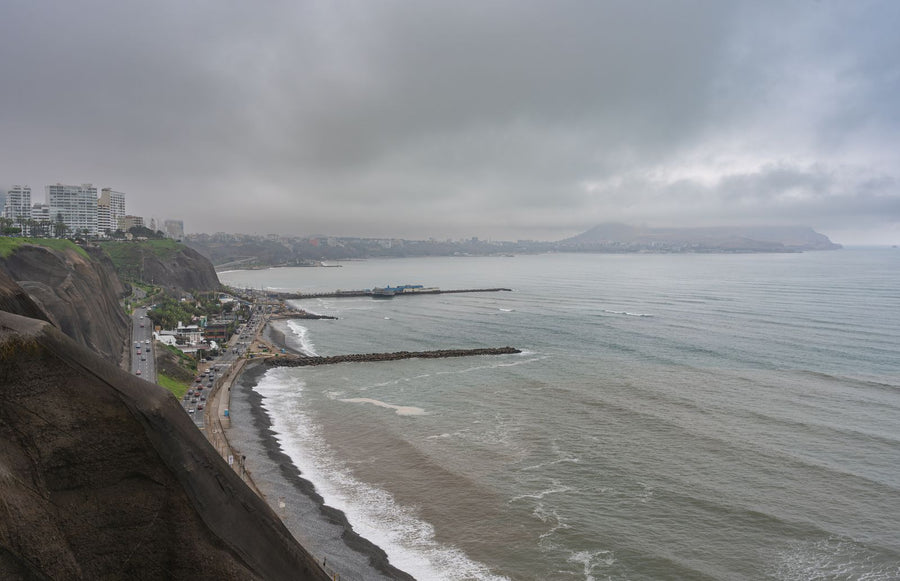
Peru’s capital is a major food, museum and coastal city, and the principal international gateway.
Suggested stay: 2–4 days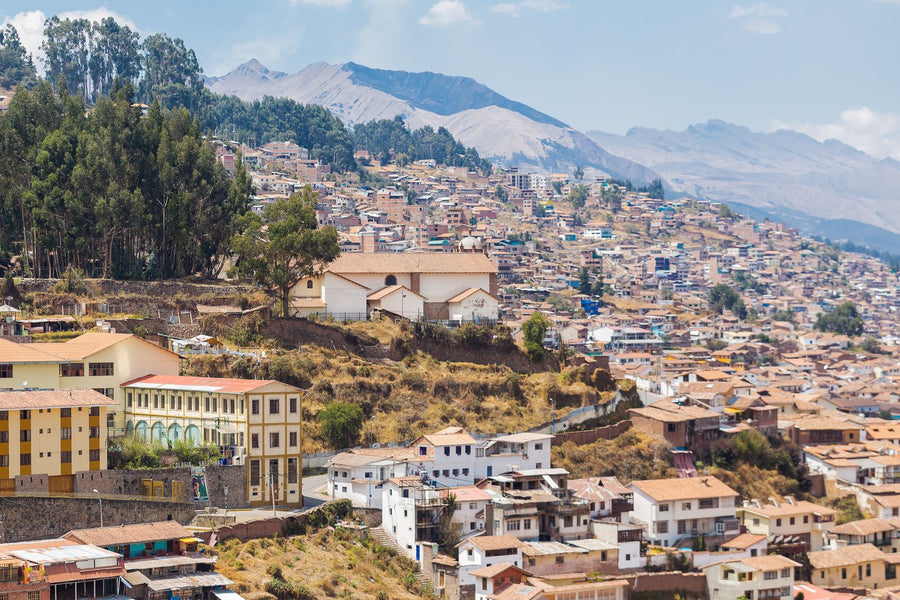
A historic Andean city and the main base for Machu Picchu and the Sacred Valley.
Suggested stay: 3–5 days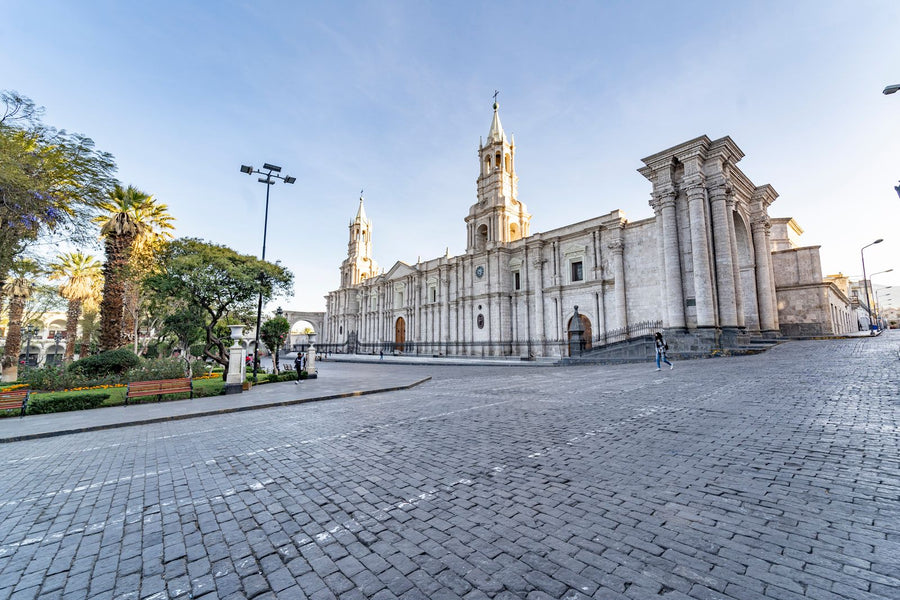
A colonial-era city of white volcanic stone and a gateway to Colca Canyon.
Suggested stay: 2–4 days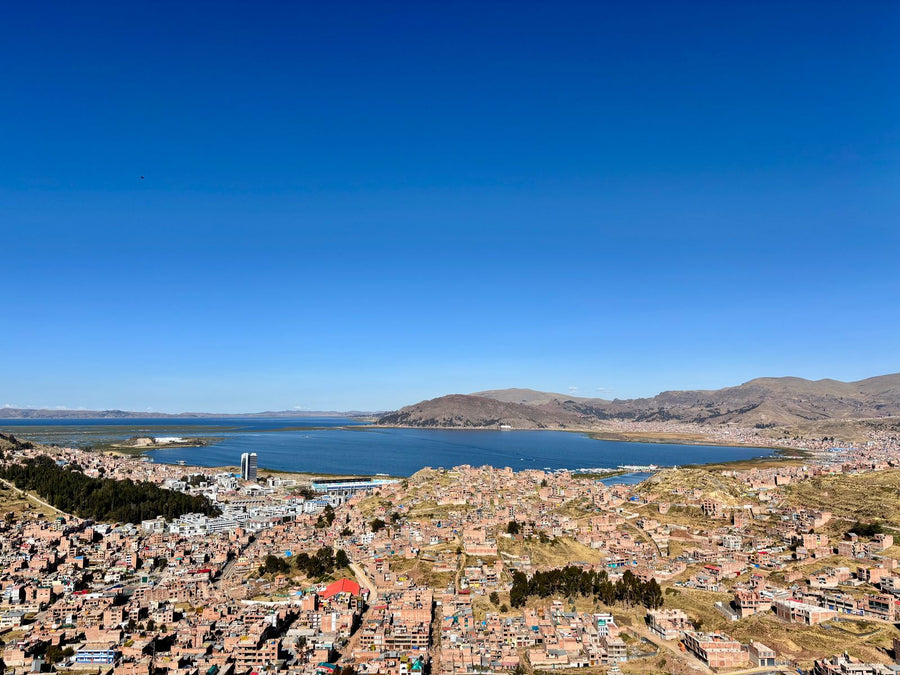
A high-altitude city serving as Peru’s main base for Lake Titicaca.
Suggested stay: 2–3 days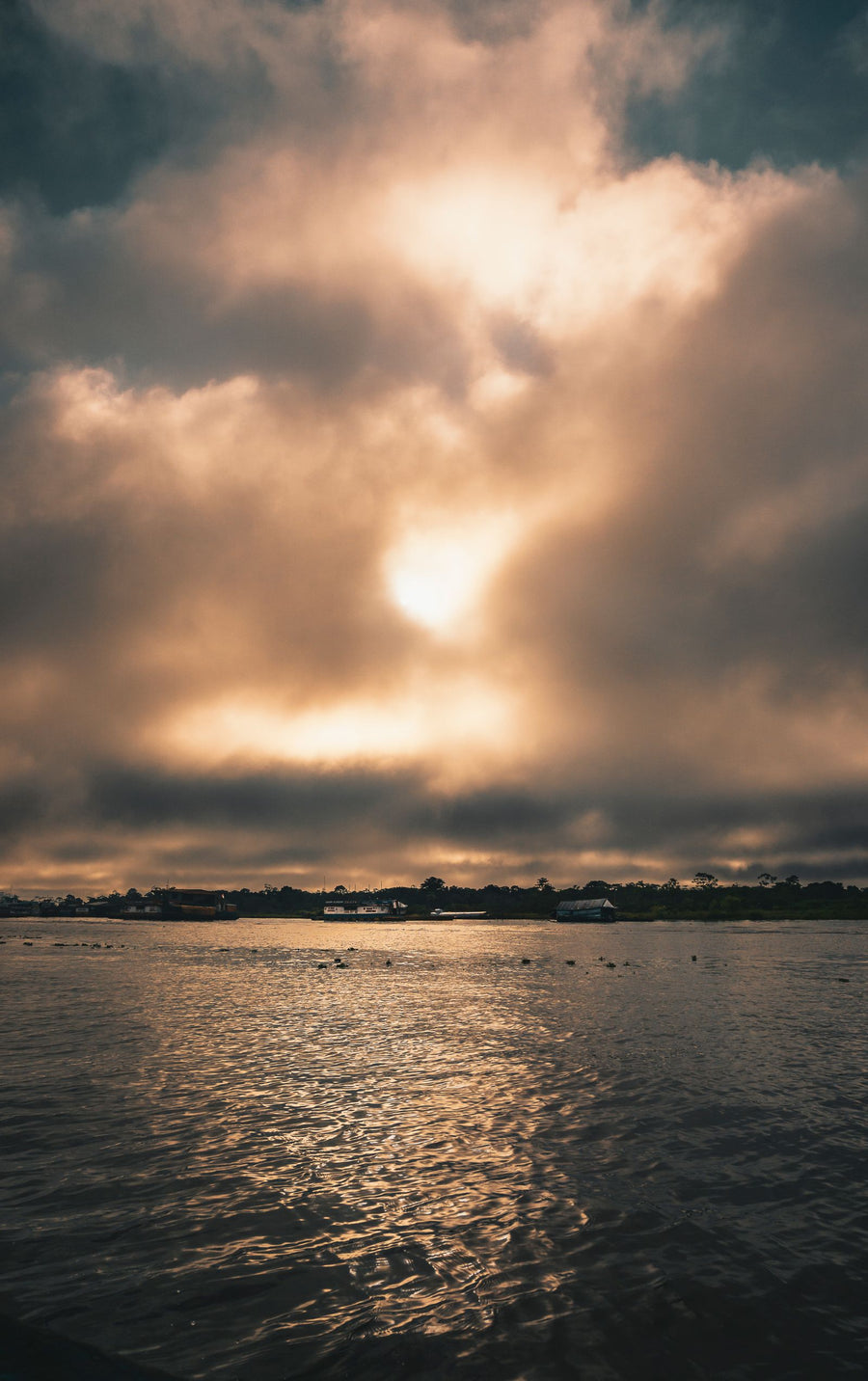
An Amazon city reached primarily by air or river and used as a base for rainforest lodges.
Suggested stay: 3–5 days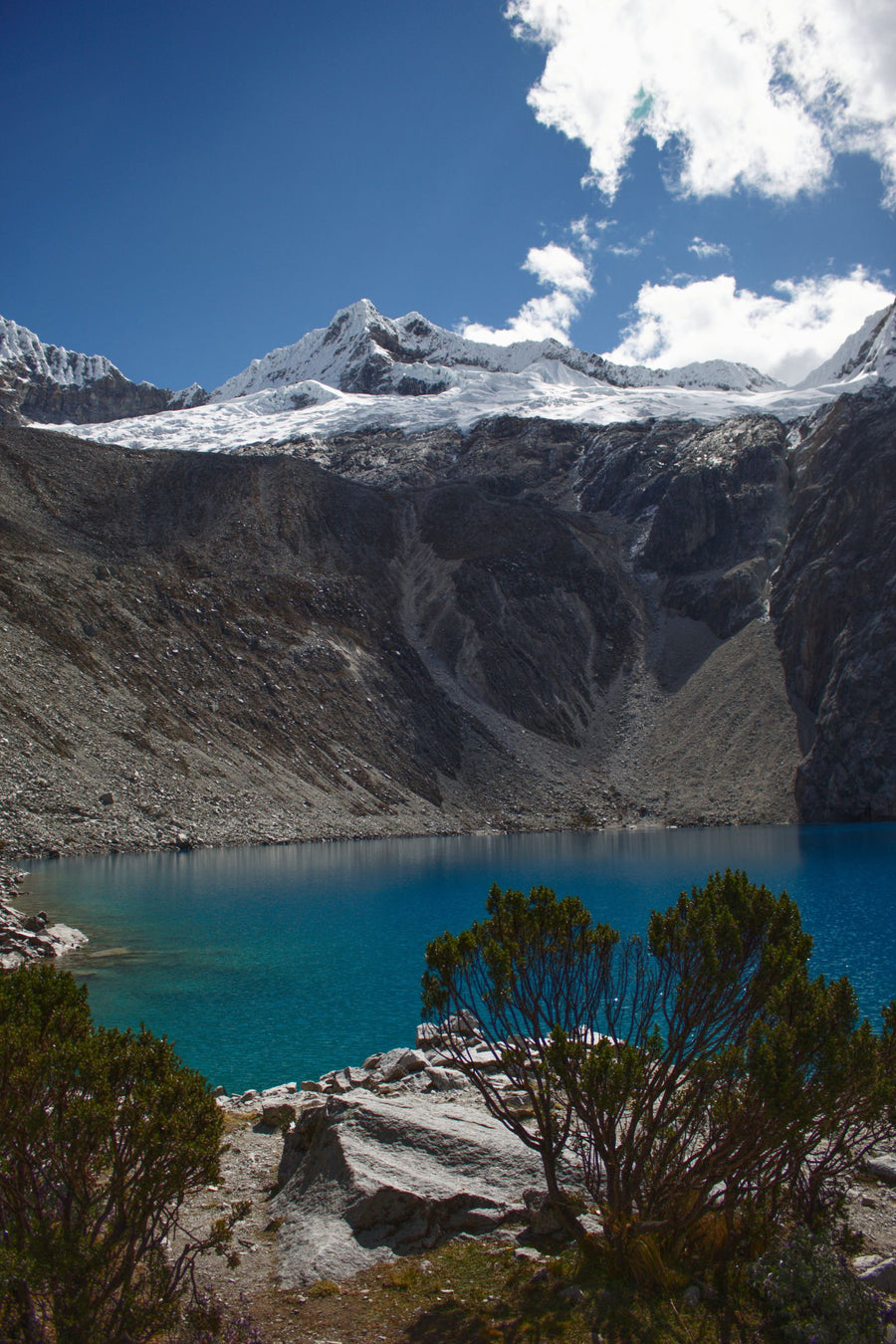
A mountain base for the Cordillera Blanca, Huascarán National Park and high-altitude trekking.
Suggested stay: 3–7 days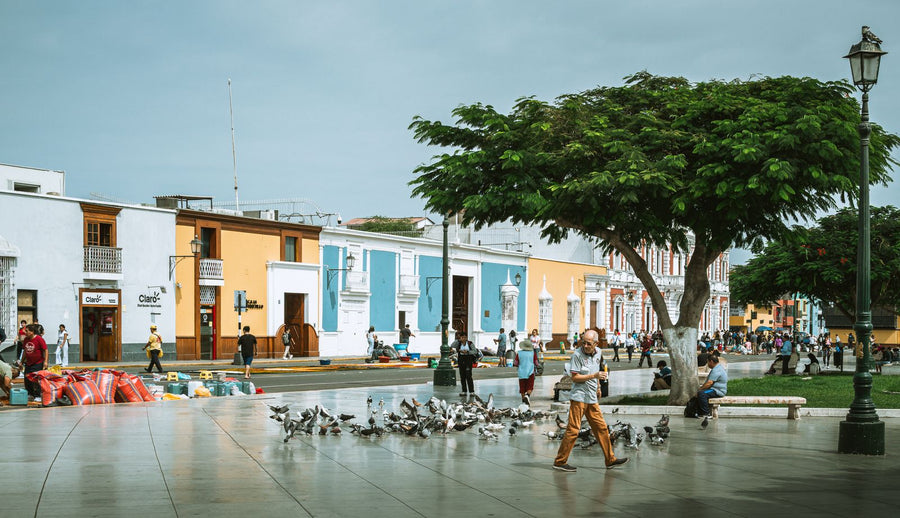
A northern coastal city near Chan Chan, Huaca de la Luna and beach communities.
Suggested stay: 2–3 days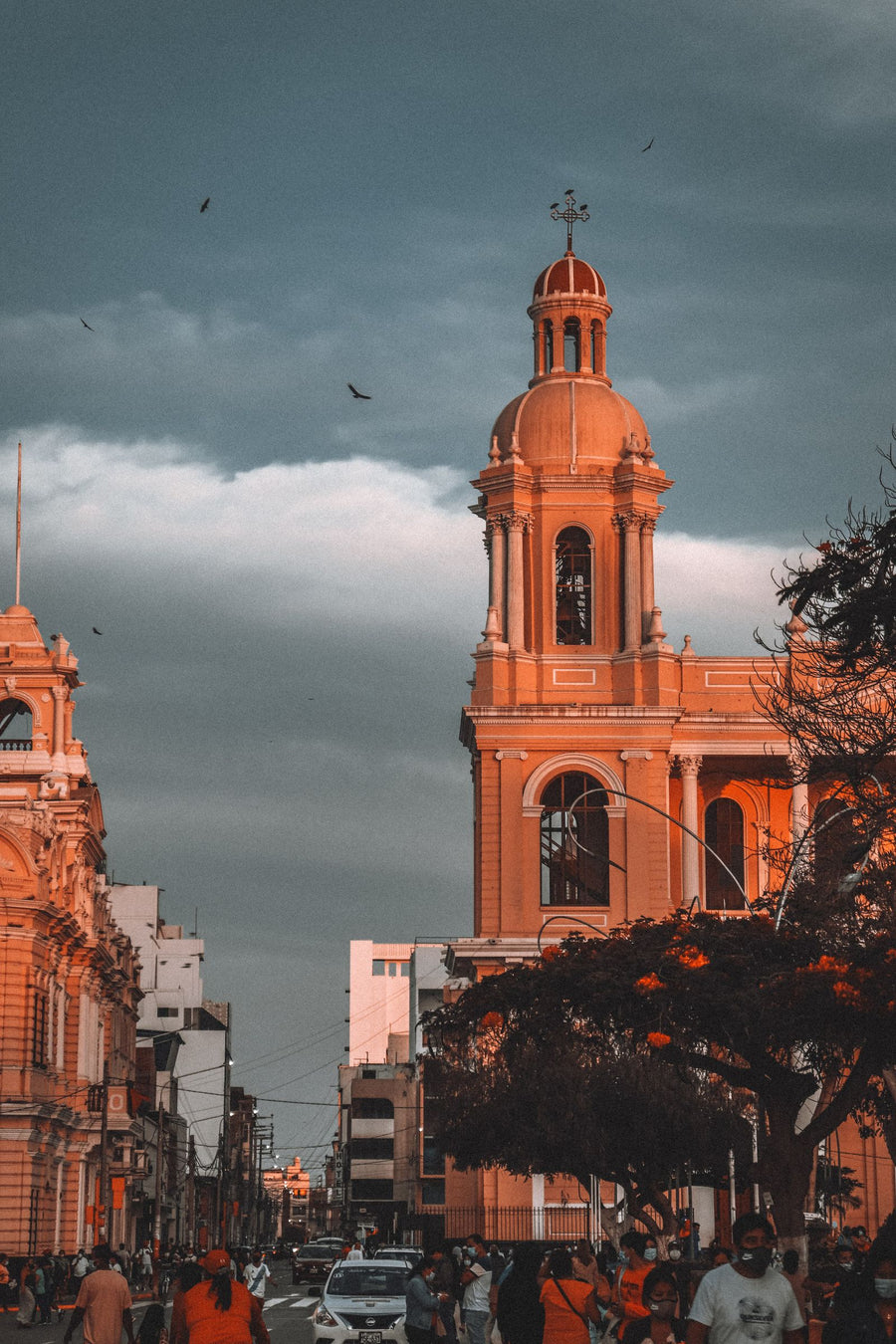
A northern city known for regional food and access to important archaeological museums and sites.
Suggested stay: 2–3 days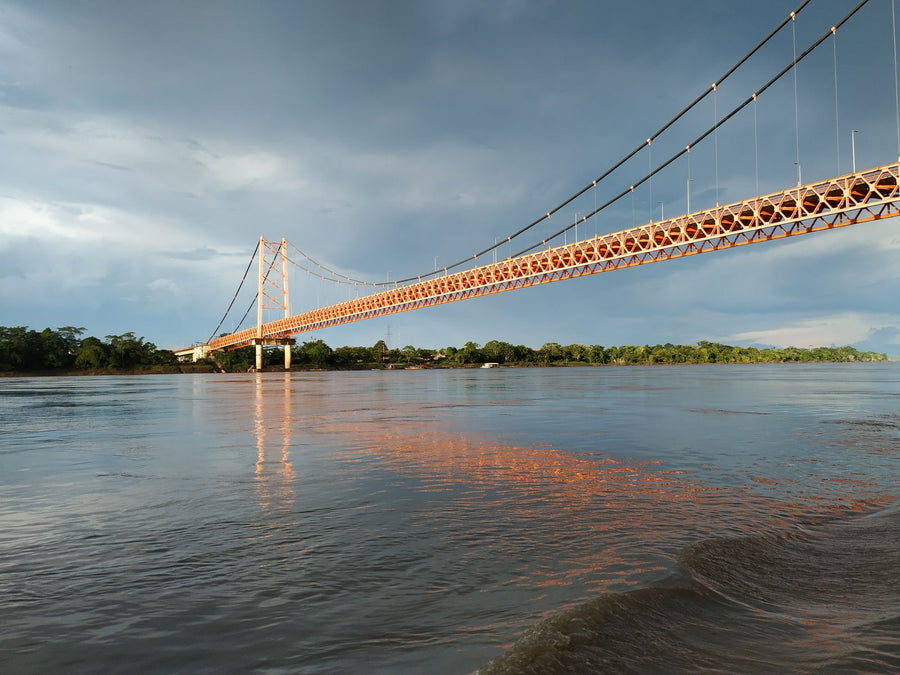
A southeastern Amazon gateway for rainforest lodges and Tambopata wildlife experiences.
Suggested stay: 3–5 daysFeatured experiences and landmarks.
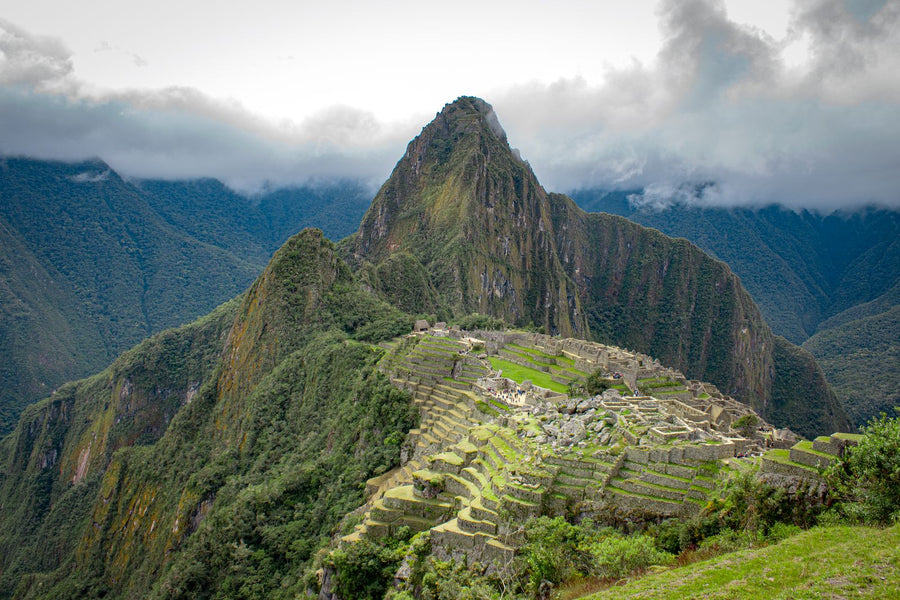
The iconic Inca citadel set in the Andes above the Urubamba Valley.
Suggested visit: Half or full dayA layered Andean city centre combining Inca foundations, colonial architecture, museums and markets.
Suggested visit: 1–2 days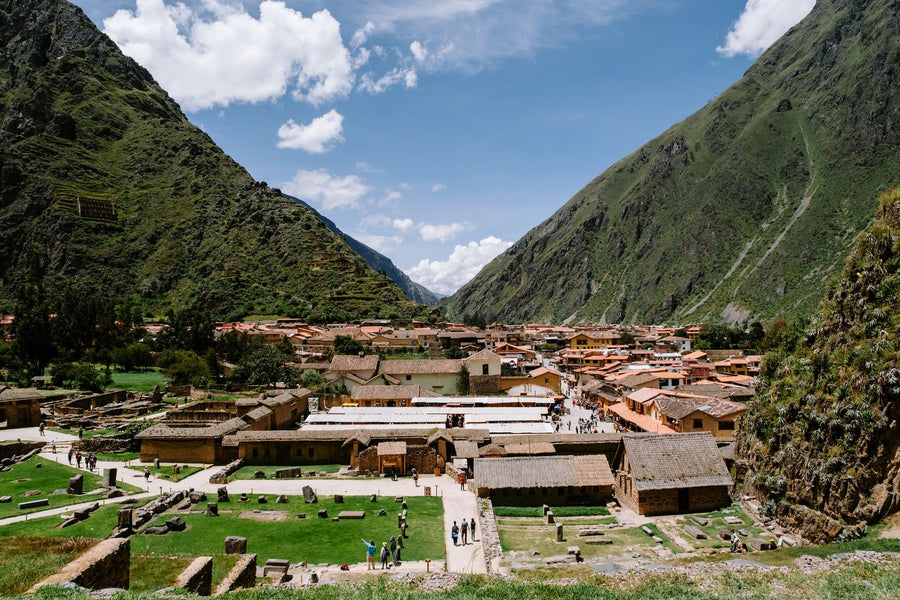
An Andean valley of villages, terraces, archaeological sites and rail connections toward Machu Picchu.
Suggested visit: 1–3 daysA vast high-altitude lake shared with Bolivia, visited from Puno for island and community experiences.
Suggested visit: 1–3 days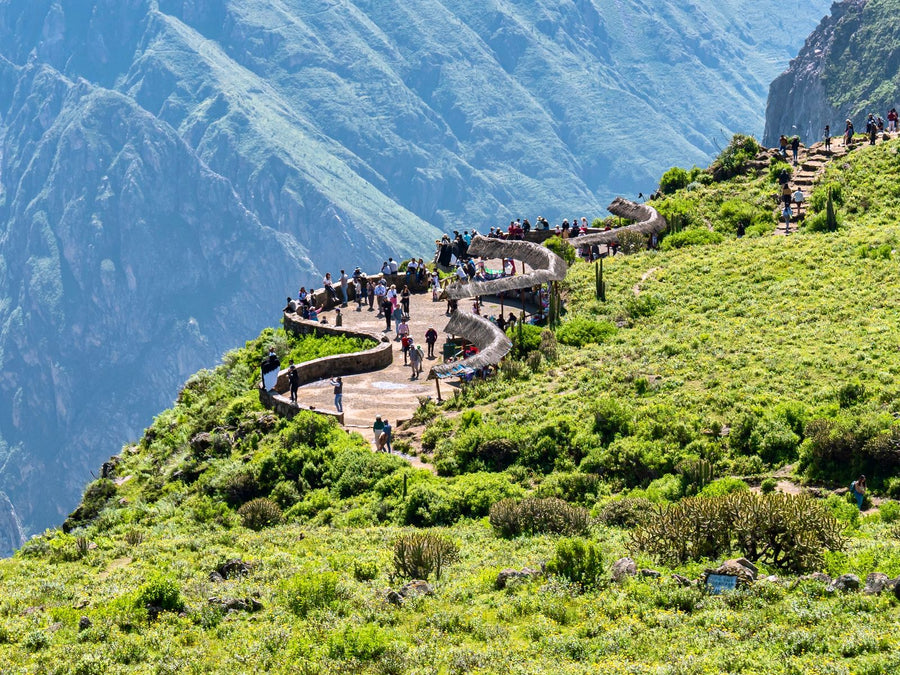
A dramatic Andean canyon region known for viewpoints, villages, hot springs and condor sightings.
Suggested visit: 1–3 days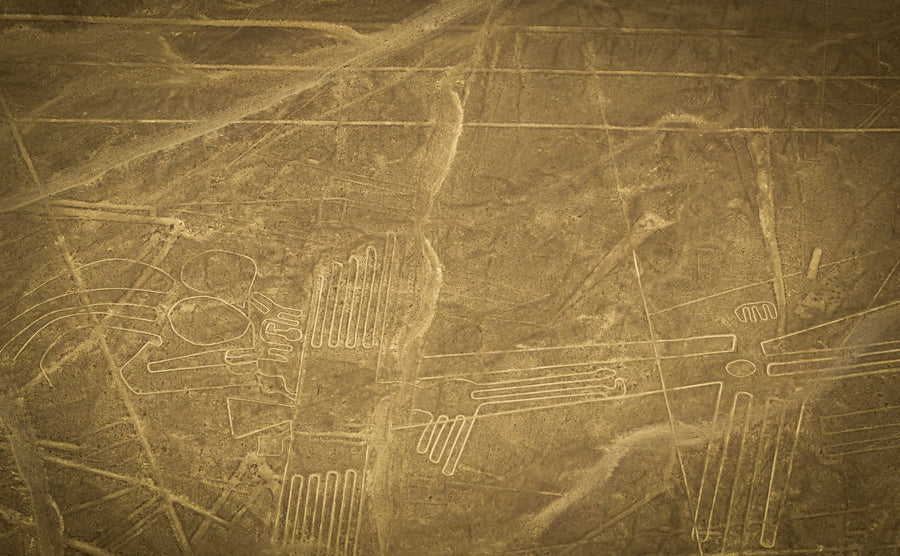
Large ancient geoglyphs across Peru’s southern desert, commonly viewed by scenic flight.
Suggested visit: Half dayA high-Andean protected landscape of glaciers, peaks, lakes and trekking routes in the Cordillera Blanca.
Suggested visit: 1–7 days
A protected desert coastline with dramatic cliffs, beaches, marine wildlife and archaeological heritage.
Suggested visit: Half or full day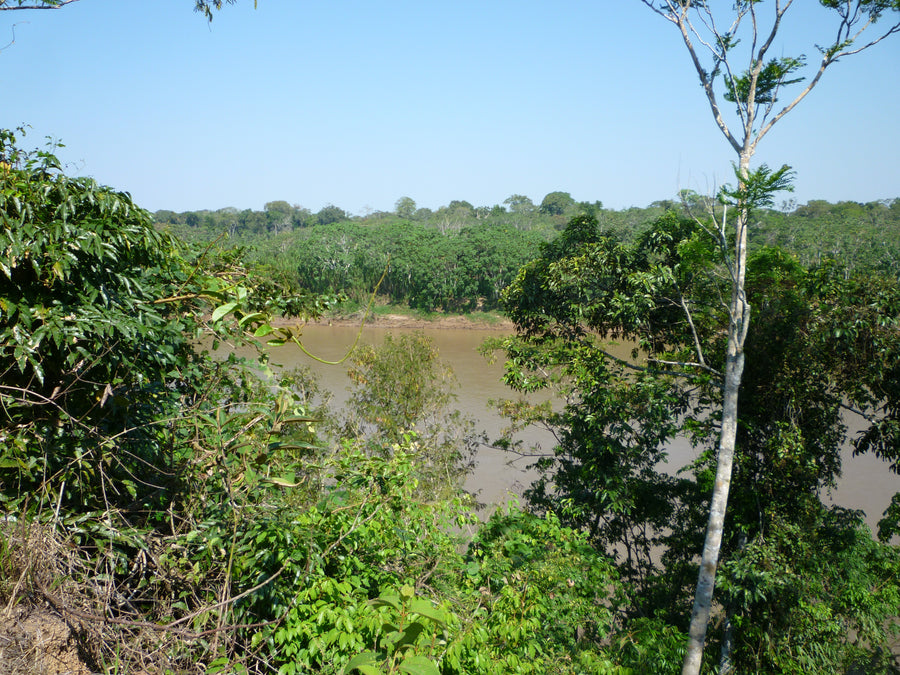
A biodiversity-rich Amazon reserve accessed from Puerto Maldonado through guided lodge-based experiences.
Suggested visit: 3–5 daysMay to September is generally the driest period in the Andes and is popular for Cusco, Machu Picchu and trekking. April and October can provide a good balance of conditions and crowds. Peru’s coast, mountains and Amazon have different weather patterns, so plan by region.
Check dates and official sources before making travel decisions.
Check current regional advice, road and rail operations, weather alerts and official attraction access before departure. Keep transfer buffers and confirm Machu Picchu arrangements against your entry ticket.
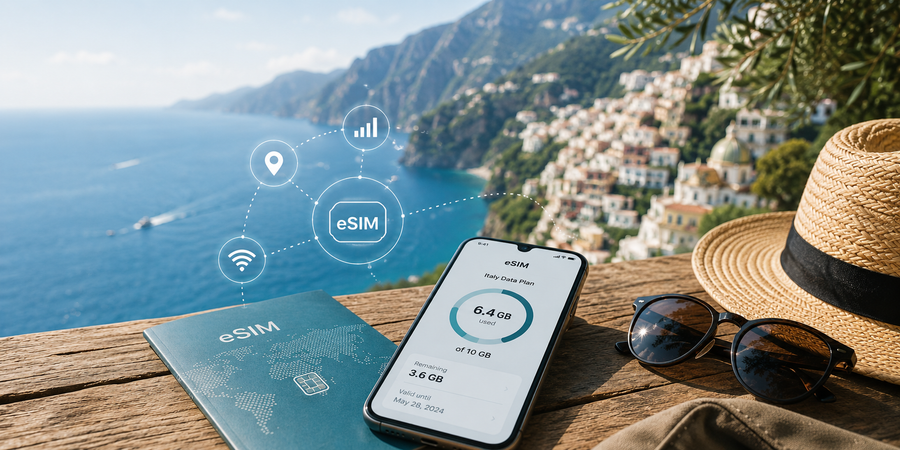
Travelers often overestimate how much mobile data they need abroad. In reality, most tourists use just a few hundred megabytes per day thanks to ho...
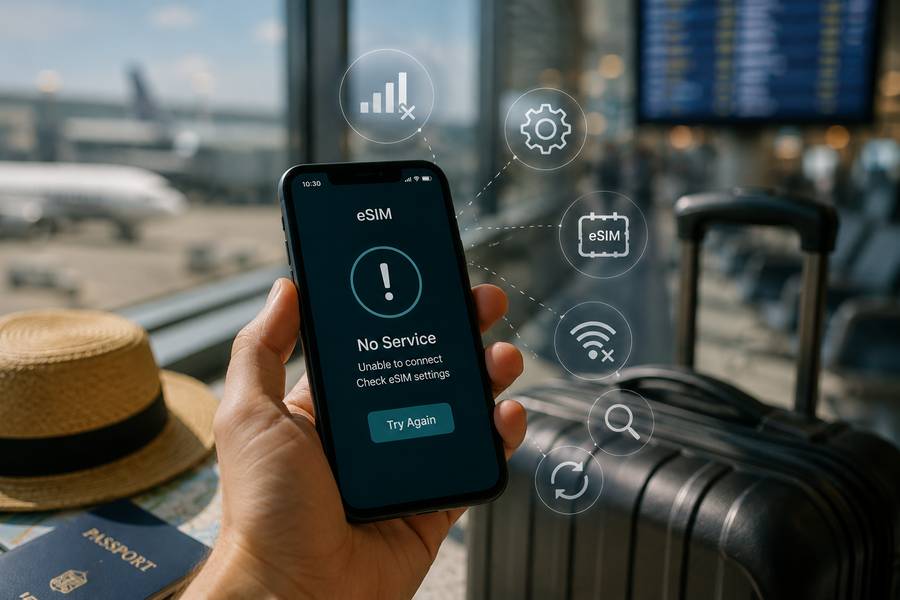
Activated your eSIM but can't connect? Here are the 7 most common eSIM problems travelers face — and exactly how to fix them fast.
Choose where and when to travel in Latin America, from Mexico and Costa Rica to Peru, Brazil and Patagonia. Compare highlights, seasons, itinerary ...

