
Norway eSIM
Fixed data plansReliable data for your Norway trip


Europe
Norway is known for fjords, scenic roads, Arctic landscapes, northern lights, compact cities and extensive outdoor travel. Mobile data helps with navigation, ferry and rail schedules, weather alerts and remote-area trip planning.
English is widely spoken in tourism and major cities.
Norway combines fjords, Arctic islands, scenic railways, dramatic roads, compact cities and four very different travel seasons. This guide helps you plan routes, weather, transport and mobile connectivity.
Norway’s capital is a practical starting point for waterfront architecture, museums, parks and easy train connections. Two to four days is comfortable.
Bergen is the main gateway for Nærøyfjord, Flåm, coastal travel and classic Norway-in-a-nutshell style routes. Expect frequent rain and keep flexible layers ready.
Northern Norway offers fishing villages, beaches, mountain scenery, midnight sun and northern lights. Tromsø is especially convenient for organised winter excursions.
Stavanger provides access to Lysefjord and Preikestolen. Ålesund works well for Geirangerfjord, while Trondheim adds history, food and a useful midpoint on longer rail or coastal routes.
Longyearbyen is a specialised High-Arctic destination. Activities outside the settlement generally require experienced local operators and conditions can change quickly.
June to August offers the longest daylight and broadest access to fjord roads and hiking routes. September to March is the main northern-lights period. Winter is ideal for skiing and Arctic activities, while spring and autumn provide fewer crowds but greater weather variability.
Combine Oslo, Bergen and one fjord route, or focus entirely on Tromsø and northern Norway in winter.
Add Stavanger, Ålesund, Trondheim or a Lofoten road trip, using flights or overnight transport to manage distance.
Link southern cities and fjords with northern Norway, but allow weather buffers for ferries, mountain roads and flights.
Norway’s trains, domestic flights, ferries and buses work well together, but rural frequencies can be limited. Rental cars provide freedom on scenic routes. Always check seasonal road openings, ferry schedules, parking rules and forecast conditions.
Weather can change quickly, especially on the west coast, in mountains and in Arctic regions. Pack waterproof outerwear, warm layers and sturdy footwear even in summer. Winter travel requires proper insulation and traction.
Norway uses Type C and Type F sockets at 230 V and 50 Hz. Travellers from North America, the United Kingdom and Australia normally need an adapter.
Reliable data is useful for ferry and train schedules, weather alerts, maps and accommodation communication. The Norway fixed-data eSIM is suited to normal navigation and messaging. The Norway Unlimited Data eSIM is better for frequent driving, video, hotspot use or remote work.
TravelFi tip: Download offline maps for remote routes because even strong national networks can have gaps in tunnels, mountains and sparsely populated Arctic areas.
Seven days covers Oslo, Bergen and one fjord route. Ten to fourteen days is better for multiple regions.
Dark nights from roughly September to March provide opportunities in northern Norway, but sightings depend on cloud cover and solar activity.
No for major city and rail itineraries. A car is helpful for Lofoten, scenic roads and flexible rural travel.
Costs are high, but advance transport bookings, self-catering and free outdoor experiences can control the budget.
Fixed data works for maps and messaging. Unlimited data suits heavy navigation, hotspot use, video and work.
Coverage is excellent in populated areas but cannot be guaranteed in remote mountains, tunnels, fjords or Arctic terrain.
View fixed-data plans or compare unlimited-data options before your trip.
Get mobile data for your Norway trip with a local or region-wide eSIM.
Reliable data for your Norway trip

Unlimited data, no daily limits
TravelFi editorial destination ratings.
Excellent coverage in populated areas and along major routes, with expected gaps in remote mountains and Arctic terrain.
Reliable public transport, clear information and strong digital services.
Outstanding fjords, mountains, islands, Arctic landscapes and seasonal outdoor experiences.
High costs are offset by excellent infrastructure, public access to nature and strong service quality.
Safe, organised and rich in family-friendly outdoor and cultural activities.
230 V · 50 Hz
Two round pins. Usually ungrounded.
Two round pins with side grounding contacts. Often called the Schuko plug.
GroundedNorway uses Type C and Type F sockets. Travellers with North American, British or Australian plugs should bring a compatible adapter.
Devices designed only for 100–120 V require a converter unless the charger supports 230 V.
Forecast location: Oslo, Norway
Norway has maritime, continental, mountain and Arctic climates. The west coast is mild and wet, inland valleys have colder winters and warmer summers, and northern regions experience polar night and midnight sun.
Loading current weather…
Places to include in your Norway itinerary.
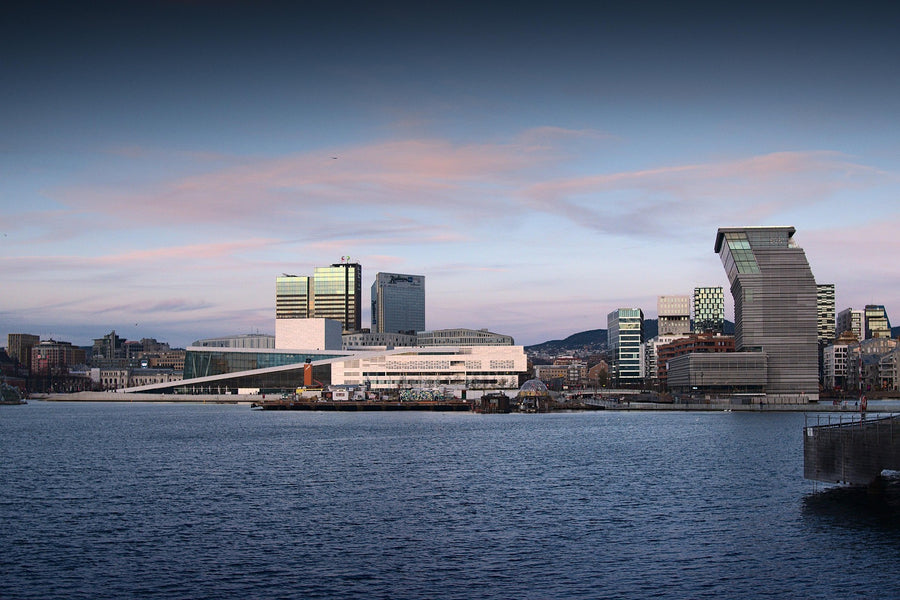
Norway’s capital combines waterfront architecture, museums, parks and easy access to forests and the Oslofjord.
Suggested stay: 2–4 days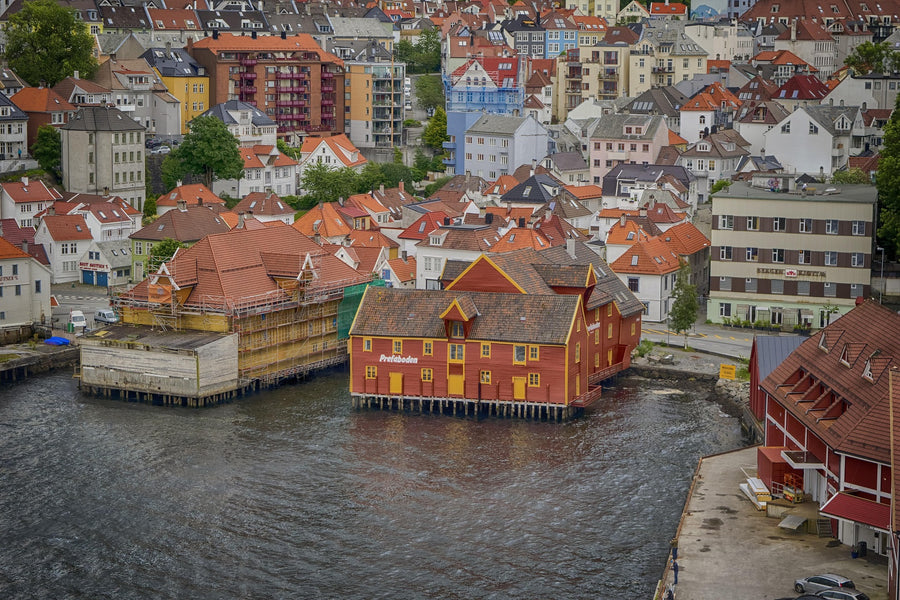
Historic west-coast city and major gateway to fjords, scenic rail journeys and coastal travel.
Suggested stay: 2–4 daysArctic city known for northern lights, midnight sun, winter activities and access to northern landscapes.
Suggested stay: 3–5 daysHistoric university city centred on Nidaros Cathedral, colourful riverfront districts and food culture.
Suggested stay: 2–3 daysSouthwestern coastal city serving as the main base for Lysefjord and Preikestolen.
Suggested stay: 2–3 daysArt Nouveau coastal city with island viewpoints and access to Geirangerfjord and Sunnmøre.
Suggested stay: 2–3 daysNorthern coastal hub with strong connections to the Lofoten Islands, Saltstraumen and Arctic nature.
Suggested stay: 1–3 daysMountain town associated with winter sports, open-air heritage and the Gudbrandsdalen valley.
Suggested stay: 1–3 daysSouthern coastal city with beaches, family attractions and ferry links to continental Europe.
Suggested stay: 1–3 daysFeatured experiences and landmarks.
UNESCO-listed fjord known for steep mountains, waterfalls, cruises and panoramic viewpoints.
Suggested visit: 1–2 daysNarrow UNESCO-listed fjord explored by boat, rail and road itineraries from Bergen and Flåm.
Suggested visit: Full dayArctic archipelago of fishing villages, dramatic peaks, beaches and scenic road trips.
Suggested visit: 3–7 daysGuided evening excursions seek dark skies and aurora activity around Tromsø during the Arctic winter season.
Suggested visit: EveningBergen’s UNESCO-listed Hanseatic wharf with colourful wooden buildings, museums and narrow passages.
Suggested visit: 2–3 hoursIconic cliff plateau above Lysefjord reached by a popular but exposed mountain hike.
Suggested visit: 5–8 hoursDramatic rock formation above Ringedalsvatnet reached by a long, demanding mountain hike.
Suggested visit: Full dayLarge Oslo park featuring Gustav Vigeland’s monumental sculpture installation.
Suggested visit: 1–3 hoursCoastal road linking small islands over distinctive bridges, with viewpoints and changing ocean conditions.
Suggested visit: Half to full dayJune to August offers long daylight, accessible mountain roads and classic fjord travel. September to March is better for northern lights, while winter supports skiing and Arctic experiences.
Check dates and official sources before making travel decisions.
Mountain weather, avalanche risk, seasonal road closures, ferries and Arctic conditions can change quickly. Review official forecasts and transport information before exposed hikes or remote road journeys.
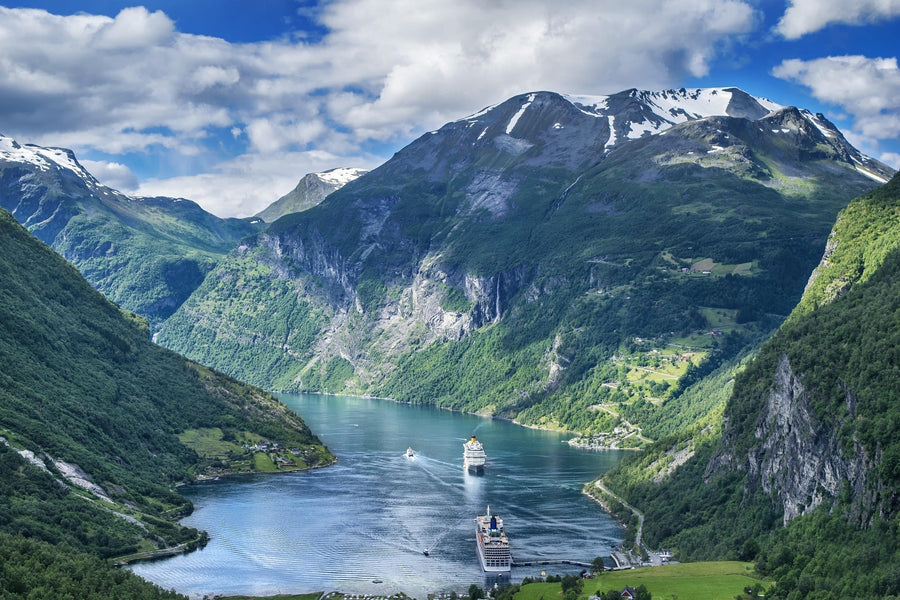
Plan Norway travel with fjords, northern lights, scenic roads, weather, power, transport and eSIM advice.


