
Switzerland eSIM
Fixed data plansReliable data for your Switzerland trip


Europe
Plan your Switzerland trip with practical guidance on scenic cities, Alpine attractions, transport, weather, power adapters, and connectivity.
Switzerland brings together historic cities, clear lakes, panoramic rail journeys, and dramatic Alpine scenery in a compact and highly connected destination. Efficient trains, buses, boats, and mountain transport make it practical to combine several regions in one trip without relying on a car.
This guide covers the essential information for planning your visit, including the best places to see, seasonal conditions, transportation, electricity, mobile connectivity, official resources, and recommended TravelFi eSIM options.
Install your Switzerland eSIM before departure so it is ready to connect when you arrive. Activation follows the terms of the selected plan, commonly beginning when the eSIM first connects to a supported network.
For a typical one-week trip, 5–10 GB is usually enough for maps, messaging, bookings, browsing, and moderate social media use. Choose a larger or unlimited plan for video, frequent hotspot use, or remote work.
Zurich combines a walkable old town, Lake Zurich, museums, shopping, restaurants, and Switzerland’s main international airport. It works well as an arrival point and as a base for day trips, including Rhine Falls.
Lucerne is known for the Chapel Bridge, preserved old town, lake cruises, and easy access to mountain excursions such as Pilatus and Rigi. Its compact centre makes it suitable for a two- or three-day stay.
Interlaken sits between Lakes Thun and Brienz and is a practical base for the Bernese Oberland. From here, travellers can reach Lauterbrunnen, Grindelwald, Mürren, and Jungfraujoch while also enjoying hiking, lake trips, and adventure activities.
Geneva offers a lakeside setting, international institutions, museums, and convenient access to French-speaking Switzerland. Nearby destinations include Lausanne, Montreux, and the Lavaux vineyard terraces.
Zermatt is a car-free mountain resort beneath the Matterhorn. It is popular for hiking, skiing, scenic rail travel, and high-altitude viewpoints. Accommodation and mountain transport should be booked early during peak seasons.
Rail travel is one of Switzerland’s defining experiences. Popular journeys include the Glacier Express, Bernina Express, GoldenPass routes, and regional mountain railways. Many scenic services require seat reservations even when the rail fare is covered by a travel pass, so check the specific operator before departure.
May through October is best for cities, lake cruises, scenic trains, and most hiking. July and August bring the warmest weather but also the highest visitor numbers. September often offers comfortable temperatures and fewer crowds.
December through March is the main season for skiing and winter travel. Conditions at altitude can differ significantly from nearby cities in every season, so check official forecasts and transport status before mountain excursions.
Switzerland’s coordinated rail, bus, boat, and mountain-transport network makes car-free travel straightforward. Major cities have frequent local transport, while intercity trains connect most popular destinations. Travel passes can be valuable for multi-stop itineraries, but mountain railways and cable cars may require supplements or separate tickets.
Download the relevant transport apps and keep mobile data available for platform changes, digital tickets, reservations, and live service information.
Weather varies considerably by altitude and region. Cities and lakes can be warm in summer while high mountain areas remain cool, windy, or snowy. Pack layers, a waterproof outer layer, comfortable walking shoes, and sun protection. For winter trips, confirm local road, rail, and mountain conditions before travelling.
Switzerland uses 230 V electricity at 50 Hz. Type J is the primary socket standard, and some Type C plugs may fit. Travellers should carry a Switzerland-compatible adapter when needed and confirm that chargers and appliances support 230 V before connecting them.
Mobile coverage is generally strong in cities, towns, and major transport corridors. Service can be reduced in tunnels, remote valleys, and high mountain terrain. A travel eSIM is useful for navigation, train schedules, accommodation details, attraction bookings, translation, and messaging throughout the trip.
TravelFi offers country-specific Switzerland plans as well as regional Europe options. A Switzerland plan is usually the most direct choice for a single-country trip, while a Europe eSIM may be better when Switzerland is part of a wider itinerary.
Seven to ten days is a practical length for combining two or three regions. Shorter trips can focus on one city and one Alpine base.
Yes. The public transport network is extensive and coordinated, making most popular routes practical by train, bus, boat, and mountain railway.
Switzerland primarily uses Type J sockets. Some Type C plugs fit, but travellers from other plug-standard regions should carry a compatible adapter.
Most visitors need about 5–10 GB for a one-week trip. Choose more data or an unlimited plan for streaming, hotspot use, or remote work.
Coverage is generally good near towns, resorts, and transport corridors, but signal can weaken in remote valleys, tunnels, and high-altitude areas.
Use the destination tools on this page to review quick facts, weather information, power requirements, featured cities and attractions, official resources, and recommended Switzerland and Europe eSIM plans.
Get mobile data for your Switzerland trip with a local or region-wide eSIM.
Reliable data for your Switzerland trip

Unlimited data, no daily limits

TravelFi editorial destination ratings.
Strong mobile connectivity in cities, towns, and transport corridors, with coverage potentially reduced in tunnels and remote mountain terrain.
Dense, coordinated train, bus, boat, and mountain-transport networks make multi-stop travel practical without a car.
Exceptional access to Alpine landscapes, lakes, hiking routes, skiing, glaciers, and scenic mountain excursions.
Clean, organized, and easy to navigate, with family-friendly rail journeys, lakes, museums, and outdoor attractions.
Excellent infrastructure and connectivity, although accommodation, dining, and everyday costs can be high.
230 V · 50 Hz
Two round pins. Usually ungrounded.
Three round pins with grounding.
GroundedSwitzerland primarily uses Type J sockets. A Type C plug may fit some sockets, but travellers should confirm compatibility and carry a Switzerland-compatible adapter when needed.
Check that your devices and chargers support 230 V before connecting them.
Forecast location: Zurich, Switzerland
Switzerland’s weather varies strongly with altitude and local topography. Conditions in lowland cities can differ substantially from nearby mountain destinations, and high-altitude weather can change quickly.
Loading current weather…
Places to include in your Switzerland itinerary.
Switzerland’s largest city combines a walkable old town, Lake Zurich, major museums, shopping, dining, and the country’s principal international air gateway.
Suggested stay: 2–3 days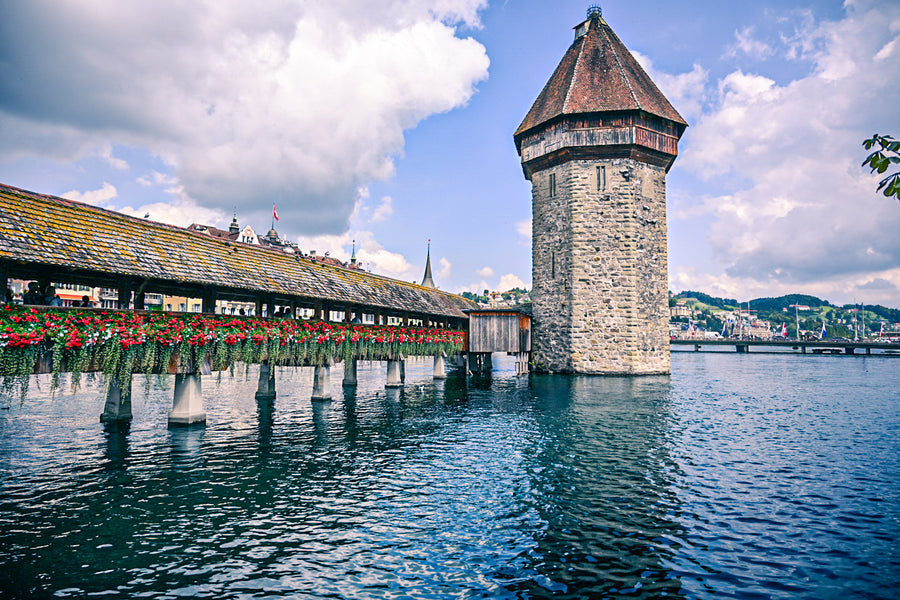
A compact lakeside city known for the Chapel Bridge, preserved old town, Lake Lucerne cruises, and easy mountain excursions to Pilatus and Rigi.
Suggested stay: 2–3 days
A Bernese Oberland base between Lakes Thun and Brienz, offering direct access to Alpine villages, hiking, adventure activities, and Jungfraujoch excursions.
Suggested stay: 3–5 daysSwitzerland’s federal capital is known for its UNESCO-listed medieval old town, arcaded streets, fountains, the Aare River, and a relaxed historic atmosphere.
Suggested stay: 1–2 daysAn international city on Lake Geneva with a historic old town, waterfront promenades, major museums, and landmarks including the Jet d’Eau.
Suggested stay: 2–3 daysA car-free Alpine resort beneath the Matterhorn, popular for mountain railways, hiking, skiing, glacier scenery, and panoramic viewpoints.
Suggested stay: 2–4 daysA lively hillside city overlooking Lake Geneva, known for its cathedral, Olympic Museum, waterfront at Ouchy, and easy access to the Lavaux vineyards.
Suggested stay: 1–2 daysA resort town on the Swiss Riviera with a flower-lined Lake Geneva promenade, mountain views, music heritage, and nearby Château de Chillon.
Suggested stay: 1–2 daysAn Alpine village in the Jungfrau region surrounded by dramatic peaks, with cable cars, hiking, skiing, and access to First and Jungfraujoch.
Suggested stay: 2–4 daysFeatured experiences and landmarks.
Europe’s largest waterfall by water volume, near Schaffhausen and accessible as a day trip from Zurich, with viewing platforms and seasonal boat experiences.
Suggested visit: 2–4 hours
A fjord-like lake surrounded by mountain scenery, offering cruises from Lucerne and connections to excursions around Rigi and central Switzerland.
Suggested visit: Half day to full dayA high-altitude rail excursion in the Jungfrau region with glacier and Alpine views, commonly visited from Interlaken via Grindelwald or Lauterbrunnen.
Suggested visit: Full dayInterlaken’s local mountain viewpoint, reached by the Harderbahn funicular. At 1,322 metres, Harder Kulm offers panoramic views over Interlaken, Lake Thun, Lake Brienz and the Eiger, Mönch and Jungfrau, with the Panorama Restaurant at the summit.
Suggested visit: 2–3 hoursOne of Switzerland’s signature mountain experiences, combining iconic Matterhorn views with the cogwheel railway from Zermatt to the panoramic Gornergrat ridge.
Suggested visit: Half day to full day
Lucerne’s landmark covered wooden bridge crosses the Reuss River beside the Water Tower and features historic painted panels beneath its roof.
Suggested visit: 30–60 minutesA classic excursion from Lucerne with panoramic views over central Switzerland, reached by cable car or the steep cogwheel railway from Alpnachstad.
Suggested visit: Half day to full day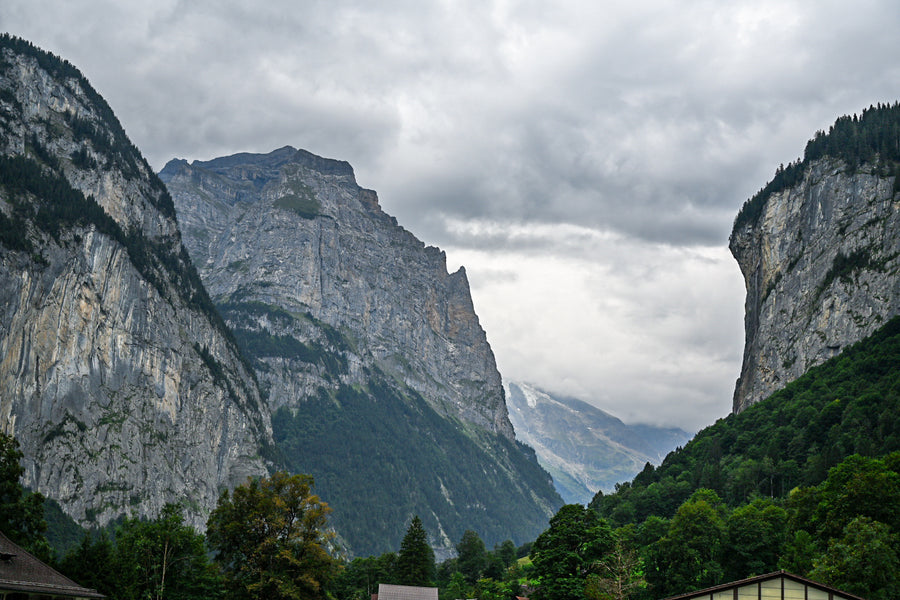
A dramatic glacial valley near Interlaken framed by steep cliffs, Alpine villages, and numerous waterfalls including Staubbach Falls.
Suggested visit: Half day to full dayWestern Europe’s largest Alpine lake anchors Geneva, Lausanne, and Montreux, with promenades, cruises, vineyard scenery, and views toward the Alps.
Suggested visit: Half day to full dayMay to October is ideal for cities, lakes, scenic trains, and hiking. December to March is best for skiing and winter travel. Mountain weather can change quickly in every season.
Check dates and official sources before making travel decisions.
Weather and operating conditions can change quickly in the Swiss Alps. Check official forecasts, railway status, and attraction information before mountain trips.
Explore selected local operators, distinctive routes and bookable experiences connected with this destination.

Provided by Ultimate Drives
A supported Alpine driving itinerary linking Germany, Switzerland, Italy and Austria through celebrated mountain roads, automotive landmarks and scenic overnight stops.
Experiences are provided by independent businesses or guides. TravelFi currently lists this provider editorially and does not claim a commercial partnership. Confirm availability, pricing, licensing and cancellation terms directly.

Plan your Switzerland trip with practical guidance on scenic cities, Alpine attractions, weather, public transport, power plugs, mobile connectivit...


