
Ungarn eSIM
Fixed data plansReliable data for your Hungary trip


Europe
Budapest, thermal baths, Danube landmarks and Central European culture
Hungary's largest city and main international gateway.
Cards are widely accepted in cities, but some cash is useful for smaller purchases.
English is commonly encountered in Budapest and major visitor areas.
112 is the general emergency number for police, ambulance and fire services.
UTC+1 in winter and UTC+2 during daylight saving time.
Hungary uses Type C and F power plugs.
Hungary is an easy Central European destination to combine into a city break or a longer regional trip. Budapest brings together monumental Danube architecture, thermal-bath culture, lively food and nightlife, while Eger, Pécs, Lake Balaton and the Danube Bend add wine country, history and outdoor escapes.
Start in Budapest with the Parliament riverfront, the Buda Castle District and at least one thermal bath. For extra time, visit Eger for its castle and wine region, Pécs for Roman and Ottoman heritage, or Lake Balaton for a relaxed summer escape.
Spring and early autumn are especially comfortable for sightseeing. Summer is warm and lively, with festivals and Lake Balaton in season. Winter is cold, but Budapest remains appealing for museums, cafés and thermal baths.
The currency is the Hungarian forint (HUF), the main language is Hungarian, and the European emergency number is 112. Hungary uses 230 V electricity at 50 Hz with Type C and Type F plugs.
A travel eSIM is useful for maps, messaging, transport information and bookings. TravelFi offers both fixed-data and unlimited-data Hungary eSIM options, so travellers can choose based on trip length and expected usage.
Get mobile data for your Hungary trip with a local or region-wide eSIM.
Reliable data for your Hungary trip

Unlimited data, no daily limits
TravelFi editorial destination ratings.
Budapest offers major architecture, museums, nightlife, cafés and thermal baths in a compact city-break format.
Hungary can offer good value relative to several major Western European city-break destinations.
Strong architectural, spa, culinary and Central European historical appeal.
Distinctive Hungarian cuisine, Budapest dining and established wine regions such as Eger and Tokaj add strong culinary appeal.
Hungary's thermal-bath culture makes Budapest and several regional spa towns particularly strong for wellness-focused trips.
230 V · 50 Hz
Two round pins. Usually ungrounded.
Two round pins with side grounding contacts. Often called the Schuko plug.
GroundedHungary uses Type C and Type F plugs. Travellers from Canada or the United States normally need a plug adapter; check that chargers support 230 V input.
North American 120 V-only appliances require a voltage converter, not just a plug adapter.
Forecast location: Budapest
Hungary has a continental climate with warm to hot summers and cold winters. Spring and autumn are generally mild and well suited to sightseeing.
Loading current weather…
Places to include in your Hungary itinerary.

Hungary's capital spans both banks of the Danube, combining Buda's hills and castle district with Pest's boulevards, cafés, Parliament and famous thermal baths.
Suggested stay: 3–4 days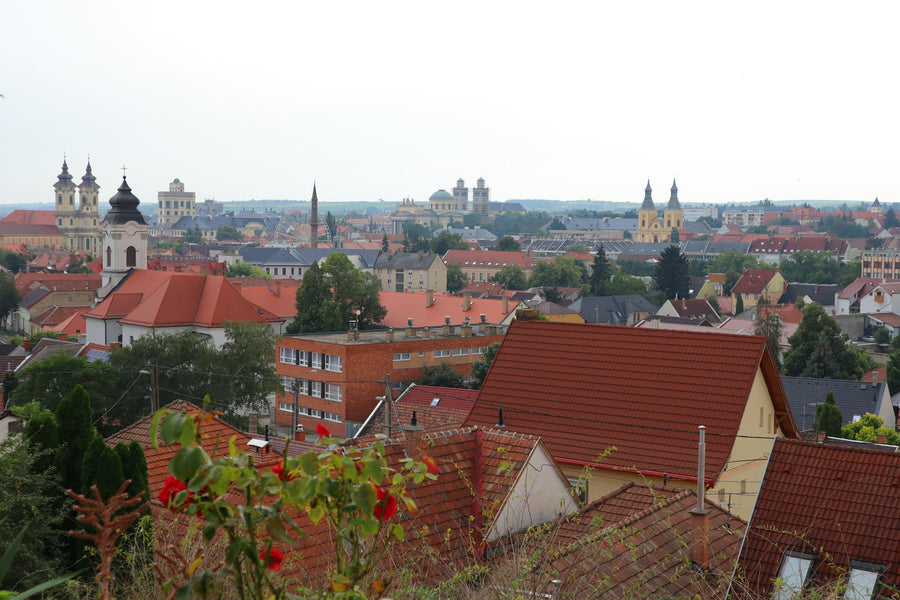
A compact historic city known for its castle, baroque centre, thermal bathing and the surrounding Eger wine region.
Suggested stay: 1–2 days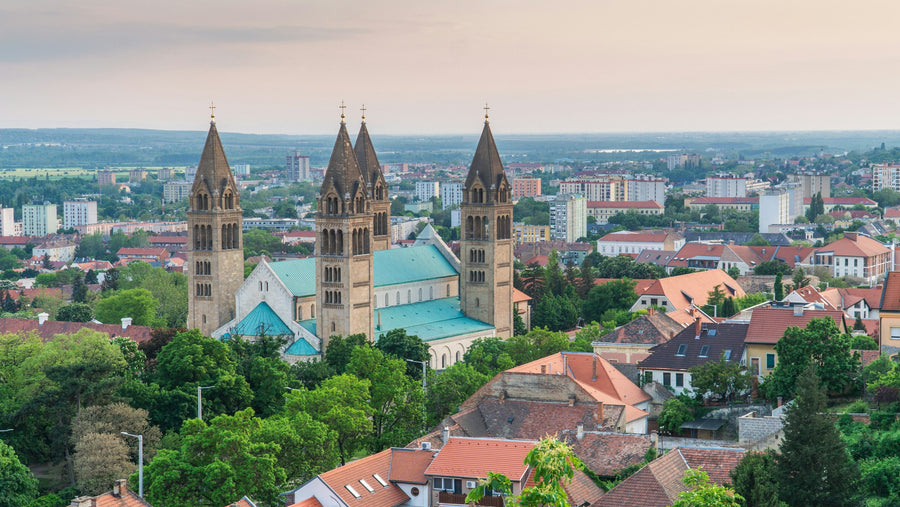
A relaxed southern city with Roman heritage, Ottoman-era landmarks, museums and a strong café and cultural scene.
Suggested stay: 1–2 days
Hungary's second-largest city, known for the Great Reformed Church, university life, museums and access to eastern Hungary.
Suggested stay: 1–2 days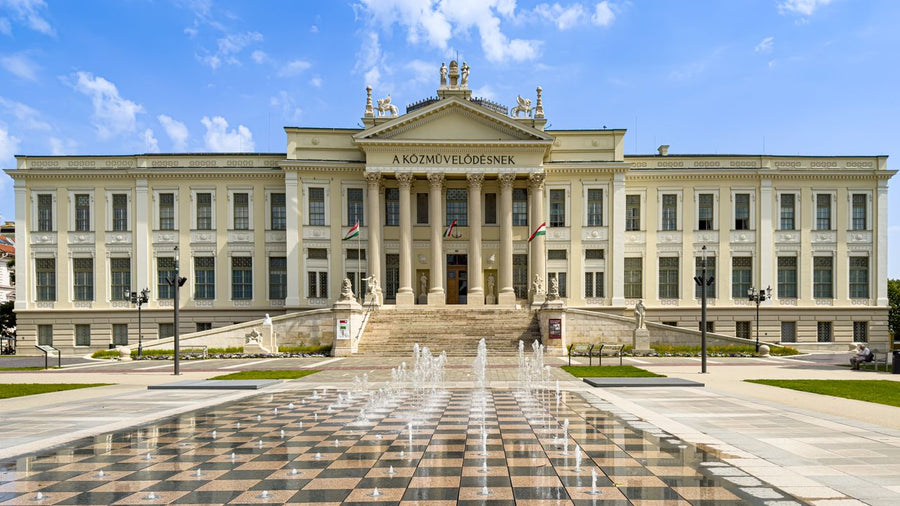
A sunny southern city on the Tisza River, known for Art Nouveau architecture, lively squares and a strong food culture.
Suggested stay: 1–2 days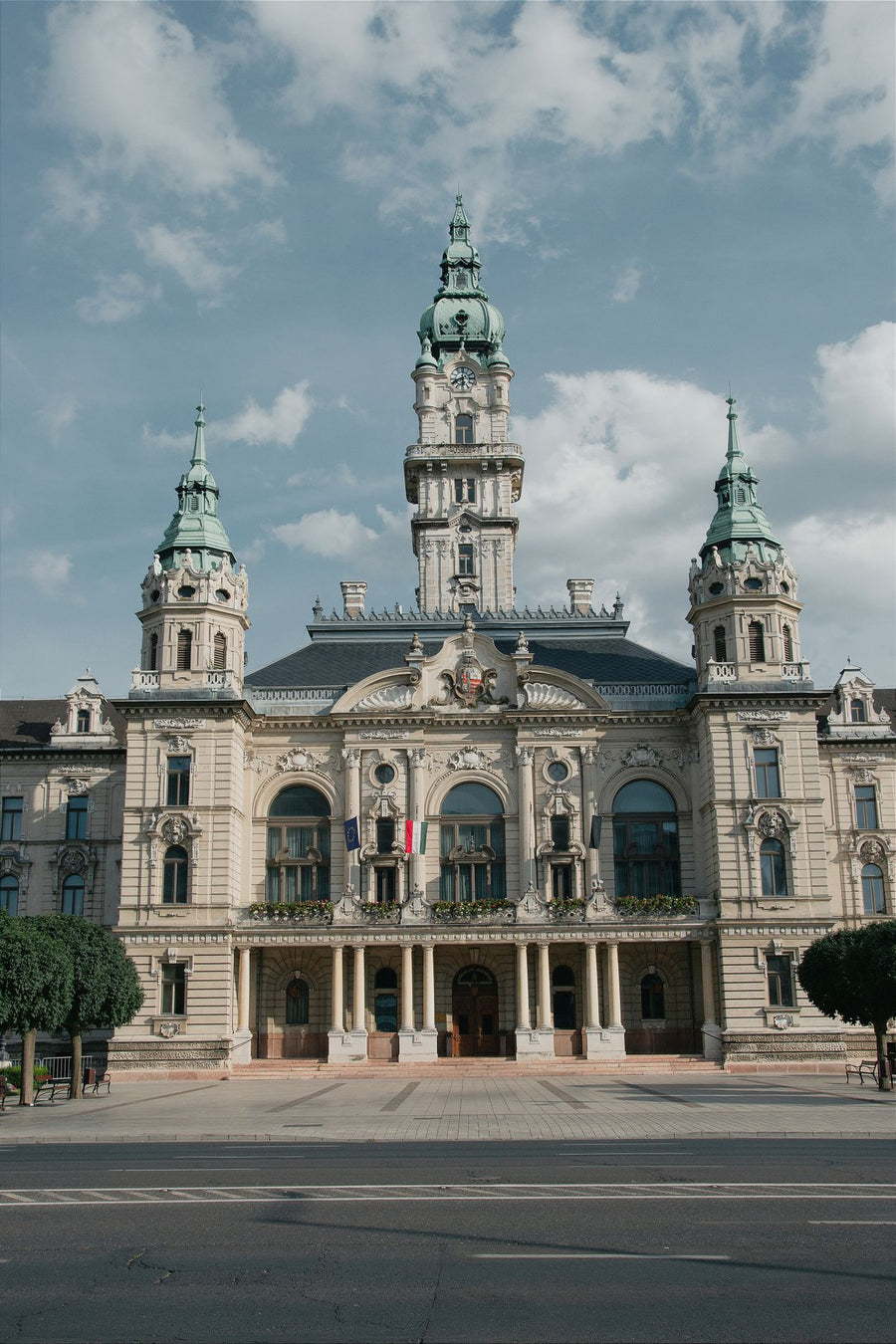
A compact Baroque city between Budapest and Vienna with an attractive old town and easy access to Pannonhalma.
Suggested stay: 1 day
A northeastern base for the Bükk Mountains, Lillafüred and cave-bath experiences around Miskolctapolca.
Suggested stay: 1–2 days
A Great Plain city known for colorful Secessionist architecture, local food traditions and nearby countryside.
Suggested stay: 1 day
A colorful Danube Bend town popular for galleries, cobbled streets, cafés and an easy day trip from Budapest.
Suggested stay: Half day–1 dayFeatured experiences and landmarks.
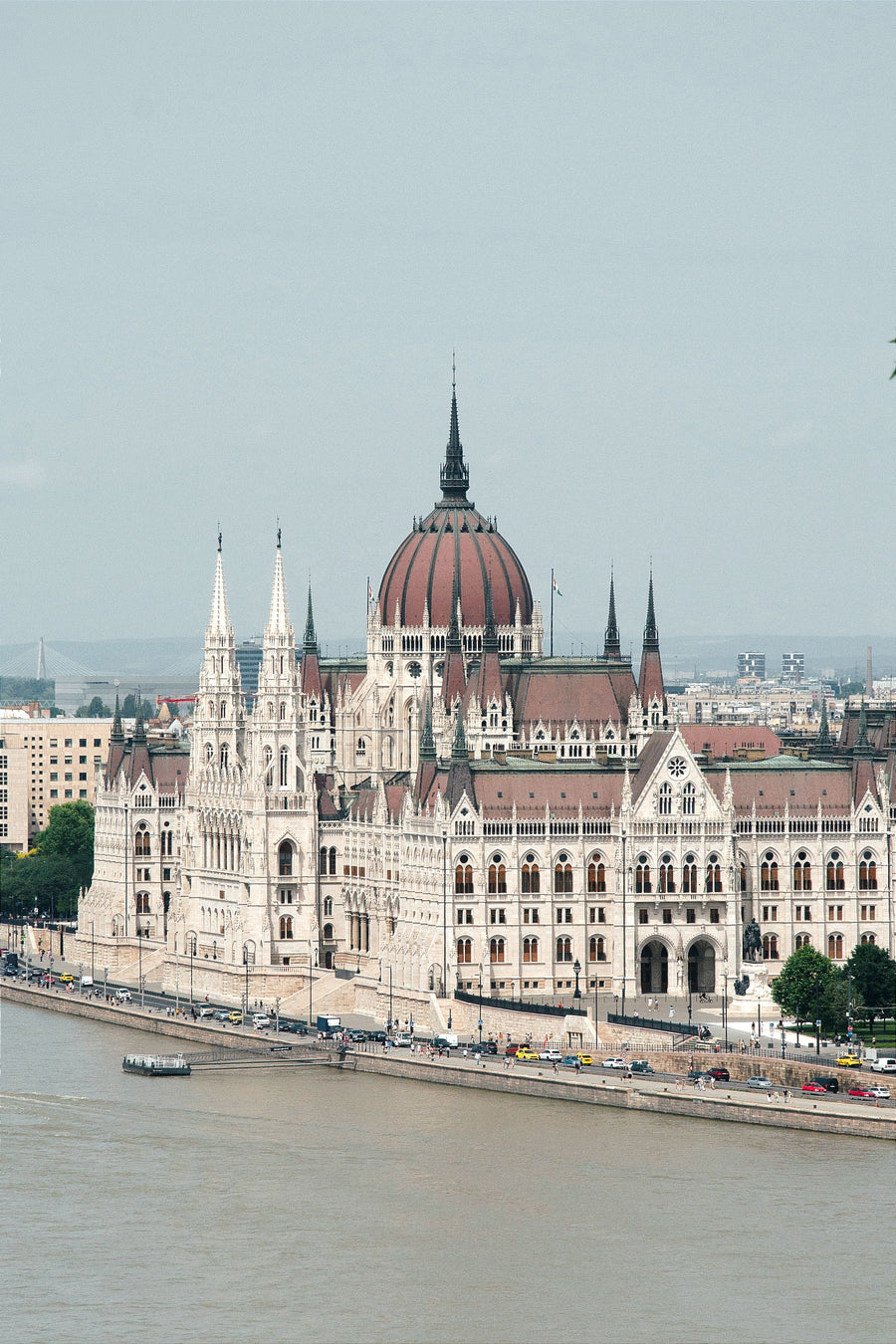
Budapest's landmark neo-Gothic parliament building dominates the Danube riverfront and is one of Hungary's most recognizable sights.
Suggested visit: 1–2 hours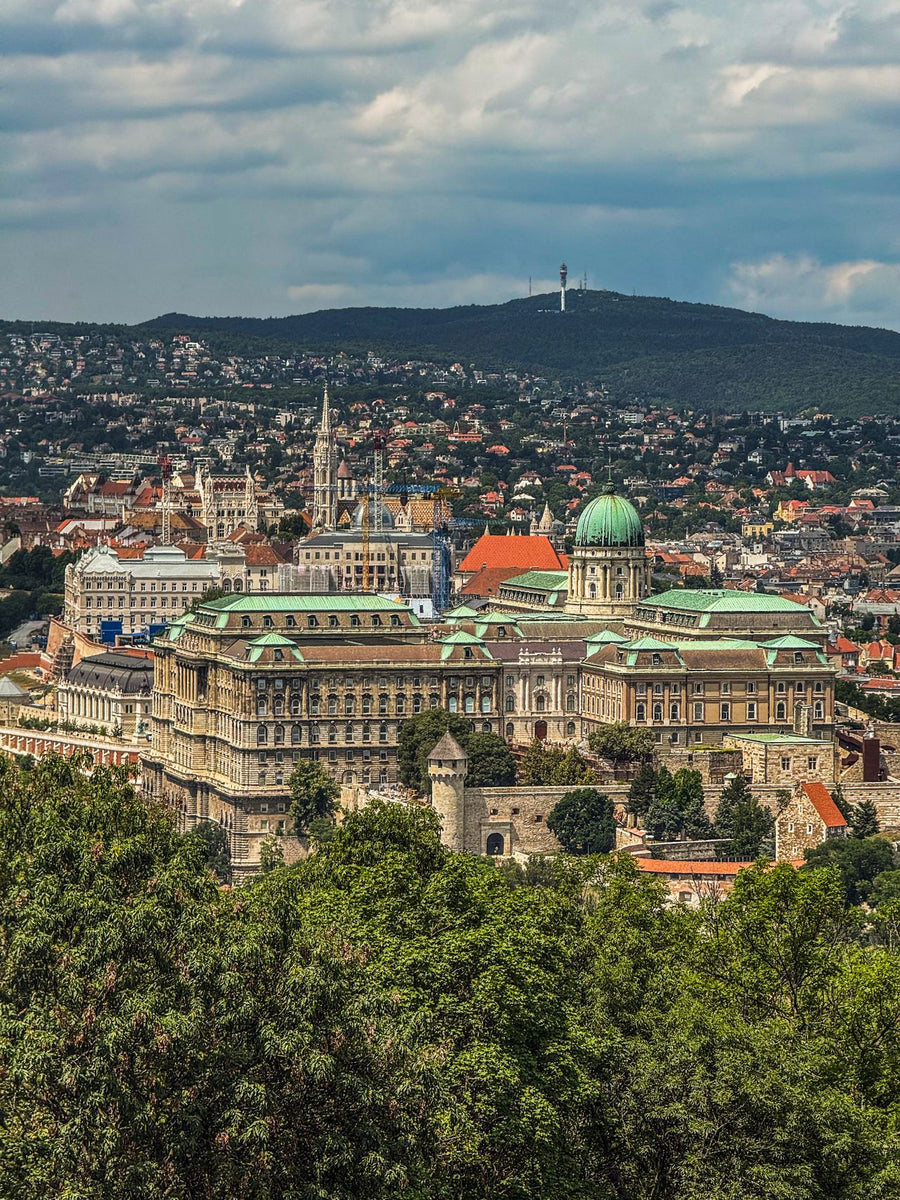
The hilltop historic quarter includes Buda Castle, Matthias Church, Fisherman's Bastion and broad views across the Danube to Pest.
Suggested visit: Half day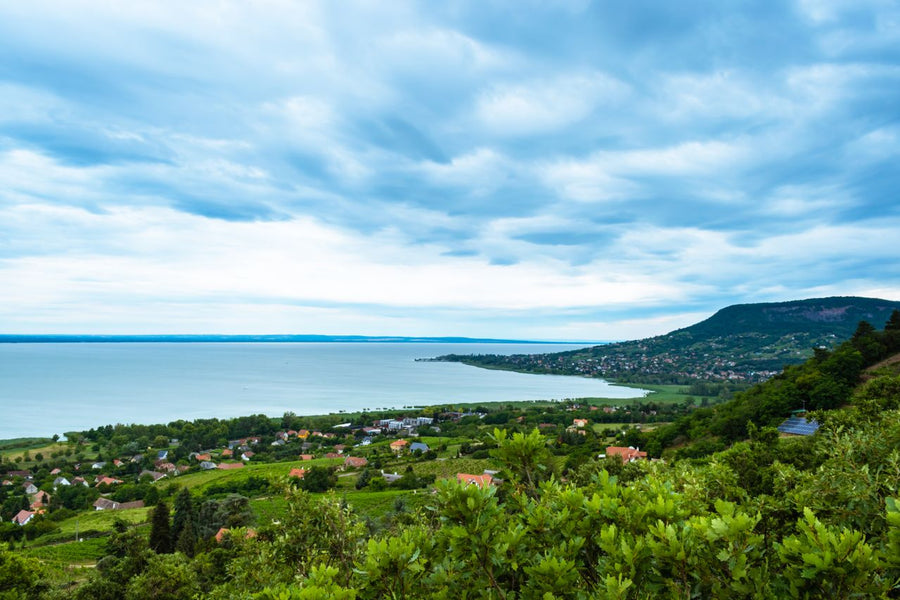
Central Europe's largest lake is Hungary's classic summer escape, with beaches, sailing, resort towns, vineyards and cycling routes.
Suggested visit: 1–3 days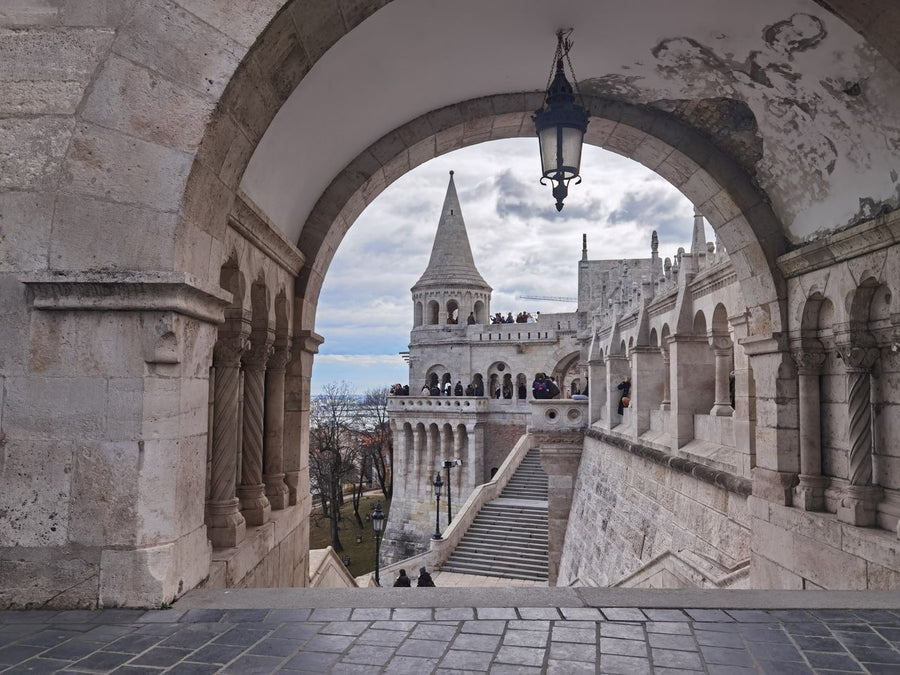
Neo-Romanesque terraces on Castle Hill with some of Budapest's best panoramic views across the Danube to Parliament.
Suggested visit: 1–2 hours
One of Budapest's best-known thermal-bath complexes, with indoor and outdoor pools in City Park.
Suggested visit: 2–4 hours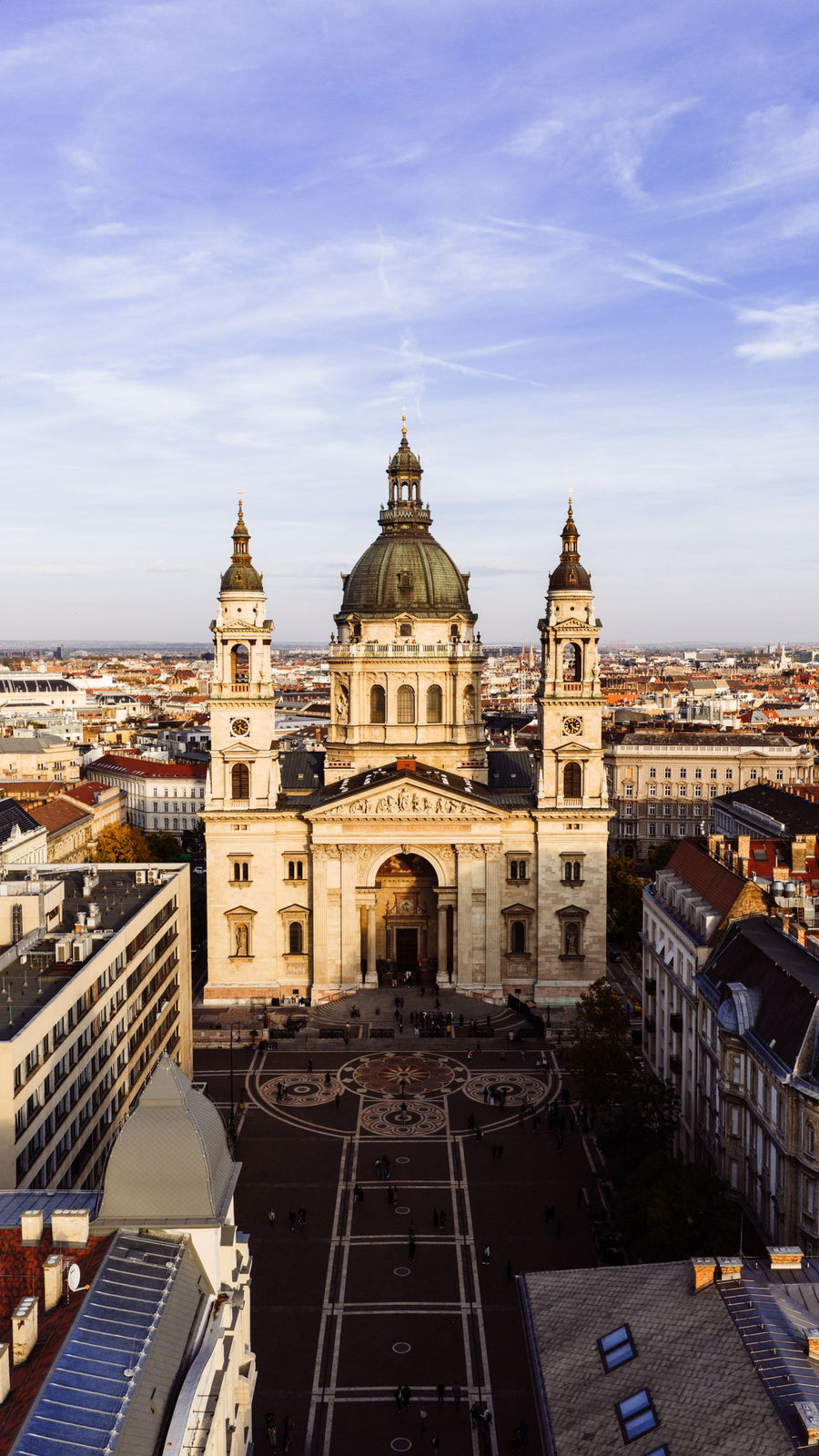
Budapest's monumental basilica, known for its grand interior and panoramic dome viewpoint over the city centre.
Suggested visit: 1–2 hours
A monumental Budapest square at the edge of City Park, framed by major museums and Hungary's Millennium Monument.
Suggested visit: 30–60 minutes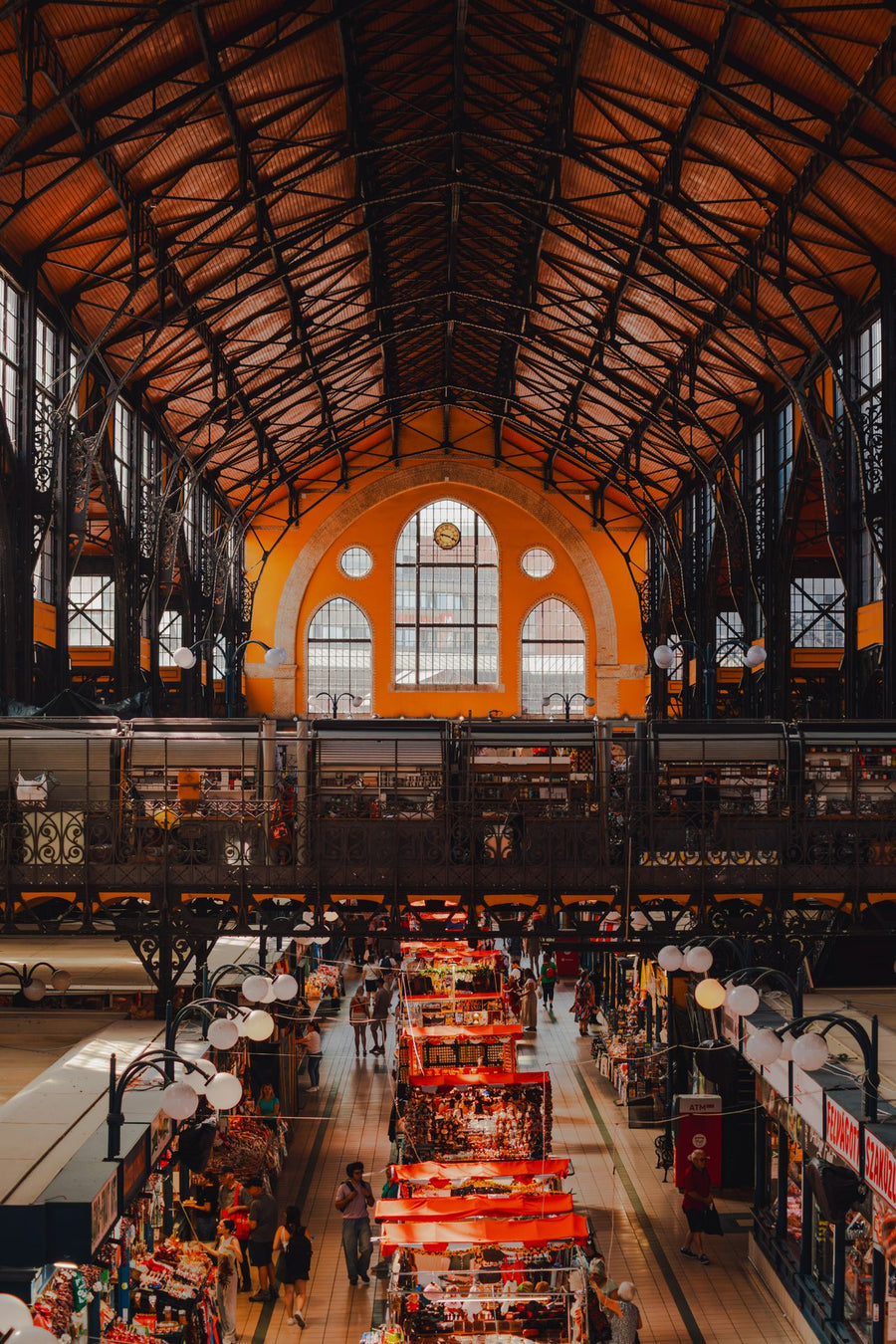
Budapest's landmark covered market, useful for Hungarian food specialties, produce, souvenirs and everyday local atmosphere.
Suggested visit: 1–2 hours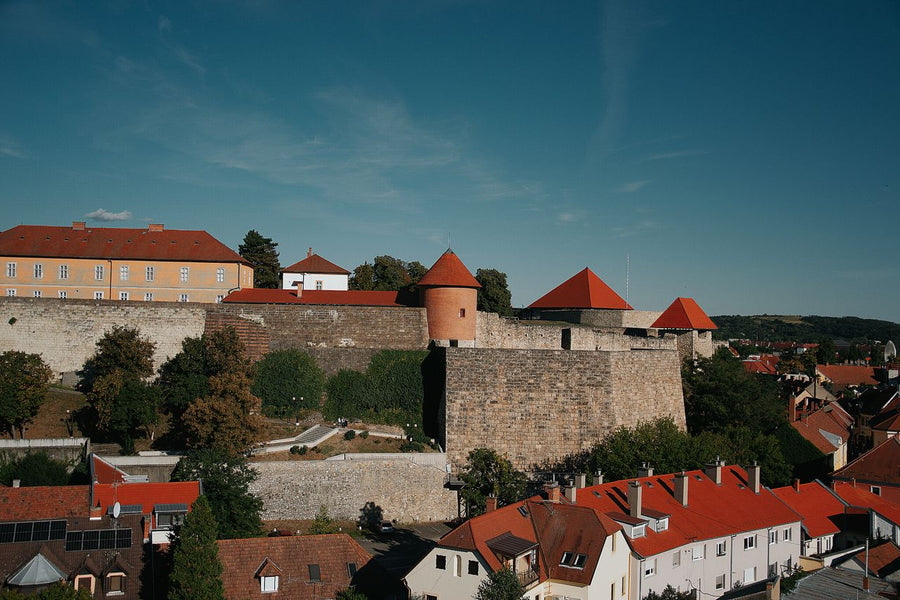
The historic fortress above Eger, associated with the city's famous 16th-century defense and offering museums and elevated views.
Suggested visit: 2–3 hoursApril to June and September to October offer comfortable weather for city breaks, thermal baths and countryside trips. Summer is lively and warm, while winter is quieter and well suited to Budapest's indoor attractions and thermal baths.

Plan a trip to Hungary with practical information on Budapest, Eger, Pécs, Lake Balaton, weather, power plugs and mobile connectivity.

