
Südafrika eSIM
Fixed data plansReliable data for your South Africa trip


Africa
Plan Cape Town, Kruger safaris, the Garden Route and South Africa road trips with practical connectivity and power guidance.
South Africa has separate executive, legislative and judicial capitals.
English is widely used in tourism alongside isiZulu, isiXhosa, Afrikaans and other official languages.
South Africa combines Cape Town’s mountain-and-ocean setting, wildlife reserves, the Cape Winelands, coastal road trips and cities with a complex, compelling history. The key to a good first trip is choosing a few regions and giving each enough time. A map can make a countrywide itinerary look easier than it is: flights, slow safari drives and long road distances need their own space.
This TravelFi guide brings together the main bases, seasonal differences and practical planning steps, with official links to check before booking. Start with a Cape-focused trip, a northeastern safari trip, or a combination joined by a domestic flight.
Allow four to six days for Cape Town, Table Mountain, the V&A Waterfront, Robben Island and a full-day Peninsula excursion. Keep mountain and ferry visits flexible because weather can affect operations. A cableway ticket and a hike are different undertakings: check the official cableway status, or choose a suitable walking route with local advice, preparation and company.
The Peninsula works best as a day with selected stops, rather than a race between viewpoints. Cape Point and penguin viewing at Boulders have their own access arrangements. Check Table Mountain National Park information for current notices. For Robben Island, book through the official museum and follow ferry reporting instructions.
Add one to three nights in the Winelands for historic towns, mountain views, restaurants and wine estates. Book sought-after tastings and restaurants, and arrange a driver or transfer if drinking. Stellenbosch and Franschhoek can be day trips, but an overnight stay leaves more time between stops. Hermanus offers a different coastal base, with seasonal whale-watching opportunities; sightings and boat departures depend on wildlife and sea conditions.
Three to five safari nights give more room for varied wildlife encounters than a rushed single day. Choose the actual camps and gates before booking flights or accommodation. Mbombela and Kruger Mpumalanga International Airport are gateways, not substitutes for checking the drive to your particular camp. Accommodation outside a gate can also involve a substantial daily transfer.
Pair the safari with Blyde River Canyon and selected Panorama Route viewpoints if you have extra nights. Avoid combining a long transfer, several viewpoints and a first game drive in one day. Use SANParks’ Kruger information and Mpumalanga’s reserve guidance for access and notices.
Allow several nights for the Garden Route, choosing bases around the places you want to explore. Knysna suits lagoon and forest outings; Wilderness and Tsitsikamma add different landscapes. Road time, walks and boat trips make a slower route more rewarding. See Garden Route National Park for park-specific arrangements.
Gqeberha, also widely known by its former name Port Elizabeth, is a useful Eastern Cape gateway. Addo Elephant National Park can be a day visit or a longer stay, depending on your arrival time and wildlife plans. Confirm the right entrance, vehicle access and gate hours through SANParks’ Addo page.
Johannesburg deserves time for contemporary history and museums, rather than serving only as an airport connection. The Apartheid Museum is a substantial visit; check its opening days before arranging transport. Pretoria can extend a Gauteng stay with monuments, architecture and seasonal jacaranda colour.
Durban offers an Indian Ocean city break, food and access to KwaZulu-Natal. Check current beach conditions before swimming. At uShaka Marine World, aquarium and waterpark areas have separate schedules and ticket choices. The operator currently states that admission tickets are sold on site, not online; avoid unofficial discount sites.
| Time available | Suggested focus | Planning approach |
|---|---|---|
| 7 days | Cape Town and the Winelands, or a northeastern safari trip | Choose one region. Leave arrival and departure time outside your busiest sightseeing days. |
| 10–14 days | Cape Town and safari, or Cape Town with a Garden Route drive | Fly between distant regions. For a road trip, allow several overnight bases and check one-way rental charges. |
| Three weeks | Cape Town, Winelands, Garden Route and Eastern Cape; or a slower Cape-and-Kruger combination | Add nights to the places that interest you rather than trying to cover every province. |
For example, a two-week Cape-and-safari trip might use five nights in Cape Town, two in the Winelands, a transfer day and four safari nights, with the remaining time protecting arrival and departure connections. Treat this as a planning outline, not a fixed transport schedule.
There is no single best season for the whole country. Cape Town and the Western Cape usually have warmer, drier summers, roughly November to March. Northeastern safari areas commonly favour the drier winter months, roughly May to September, for visibility. Spring and autumn can work well for mixed itineraries, but conditions differ by coast, elevation and province.
The current-weather block below uses Cape Town as its forecast location. It does not represent Kruger, Johannesburg or Durban. Check the South African Weather Service for your actual destinations, warnings and travel dates. Pack sun protection, rainwear suited to the region and warm layers for safari mornings or higher ground.
Check visa eligibility, passport validity, blank-page requirements, onward travel and any documents needed for children with the Department of Home Affairs or the relevant South African mission. Rules depend on nationality and circumstances. Allow time for applications and confirm airline requirements before departure; do not assume a regional border crossing has the same conditions.
Review your government’s current travel advisory and ask your accommodation about routes and local conditions. Use reputable transfers, favour daylight journeys and keep valuables out of sight. Check a navigation app’s route with a trusted local source, particularly around airports; the fastest shortcut may be unsuitable. Avoid demonstrations and unnecessary travel after dark.
For health preparation, discuss your itinerary with a qualified travel-health professional. Kruger lies in a malaria area; advice depends on the route and traveller. Arrange insurance appropriate to your activities. Consult official travel advice and SANParks’ malaria information before travel.
Inside parks, follow speed limits, wildlife distances and gate times. Stay in the vehicle except where leaving it is expressly allowed. Book camps and guided activities ahead when needed, and keep accommodation confirmations and park information offline.
Domestic flights are useful between distant regions. Main gateways include Cape Town (CPT), Johannesburg (JNB), Durban (DUR), Gqeberha (PLZ) and Kruger Mpumalanga (MQP). Compare the airport-to-accommodation journey as well as the fare, and leave sufficient connection time.
South Africa drives on the left. Before hiring a car, confirm licence and international-driving-permit requirements with the rental company, insurance exclusions, deposits, border permission and one-way fees. Plan daylight driving, fuel and rest stops. Safari roads and coastal sightseeing take longer than a simple distance estimate suggests. Verify road closures, weather and gate hours before each longer day.
Prices are in South African rand (ZAR). Cards are useful, but keep a modest cash reserve for smaller purchases and check card acceptance at remote stops. Compare complete trip costs: domestic flights, rental insurance, park conservation fees, tours and transfers can matter as much as hotel prices.
Choose accommodation for security, access and the activities you plan. Reserve popular safari camps and holiday-period stays early. For accessibility, ask about the specific room, bathroom, vehicle, path and boarding arrangements. A broadly accessible venue can still contain steps, uneven surfaces or activities requiring separate assistance.
South Africa uses 230 V at 50 Hz. Carry an adapter explicitly supporting South African sockets, including Type M or Type N as needed; a European-style adapter alone is not a reliable solution. Check that appliances accept 230 V. A power bank is useful for long drives and outings; follow airline battery rules.
Compare the South Africa fixed-data eSIM for a defined allowance with the South Africa Unlimited Data eSIM for a plan organised around your trip length and usage. Unlimited plans can have a daily high-speed allowance and reduced speeds afterwards; hotspot availability and limits depend on the selected plan. Check the current product terms before buying.
For multi-country travel, compare the linked Africa regional and global options and verify that every country on your route is included. Coverage can be limited in remote parks and rural areas. Download maps and tickets offline; an eSIM does not guarantee a signal everywhere.
TravelFi tip: Confirm your phone is eSIM-compatible and network-unlocked. Install using the supplied instructions before departure where recommended, check the plan’s activation trigger, and enable data roaming for the eSIM when instructed. Prevent unintended roaming on your home line.
Yes for one focused region. A first Cape Town-and-safari combination is easier with ten to fourteen days and a flight between regions.
It depends on the route. Transfers and tours can cover a city-focused stay; a rental car adds flexibility on the Garden Route and some self-drive safaris, with extra planning responsibilities.
Reserve safari accommodation and time-sensitive experiences early. Check each attraction’s official booking process; weather and operating notices can still change plans.
No. It shows Cape Town. Check separate forecasts for each region on your itinerary.
Do not rely on continuous coverage. Keep maps, reservations and emergency contacts available offline and follow the park’s communication guidance.
Reviewed by TravelFi: 22 October 2026. Entry rules, operating hours, tickets, transport and plan terms can change. Confirm details with the linked official sources before booking.
Destination photography from Pexels and Unsplash: cape town table mountain; johannesburg; durban; pretoria; stellenbosch; franschhoek; gqeberha; knysna; hermanus; mbombela; kruger; cape peninsula; robben island; blyde river canyon; addo; apartheid museum; ushaka.
Get mobile data for your South Africa trip with a local or region-wide eSIM.
Reliable data for your South Africa trip

Unlimited data, no daily limits


TravelFi editorial destination ratings.
Strong urban and highway coverage, with more limited service in some remote parks and rural areas.
Good overall value for accommodation, dining and experiences compared with many long-haul destinations.
Exceptional safari, coastline, mountain and biodiversity experiences.
Highly diverse cultural heritage, cuisine, wine regions, music and history.
Strong family options, though long distances and wildlife logistics require planning.
230 V · 50 Hz
Two round pins. Usually ungrounded.
Three large round pins arranged in a triangular pattern, designed for higher-current appliances.
GroundedThree round pins, with the central pin providing grounding. Brazil uses 10 A and 20 A versions.
GroundedSouth Africa uses Type M and the newer Type N standard, while Type C sockets may also be encountered. Carry an adapter explicitly compatible with South African sockets.
Travellers from 100–120 V countries should verify that chargers and appliances support 230 V.
Forecast location: Cape Town, South Africa
South Africa spans Mediterranean, subtropical, semi-arid, highveld and coastal climates. The Western Cape has wetter winters and drier summers, while many northeastern safari regions receive summer rainfall and have dry winters.
Loading current weather…
Places to include in your South Africa itinerary.
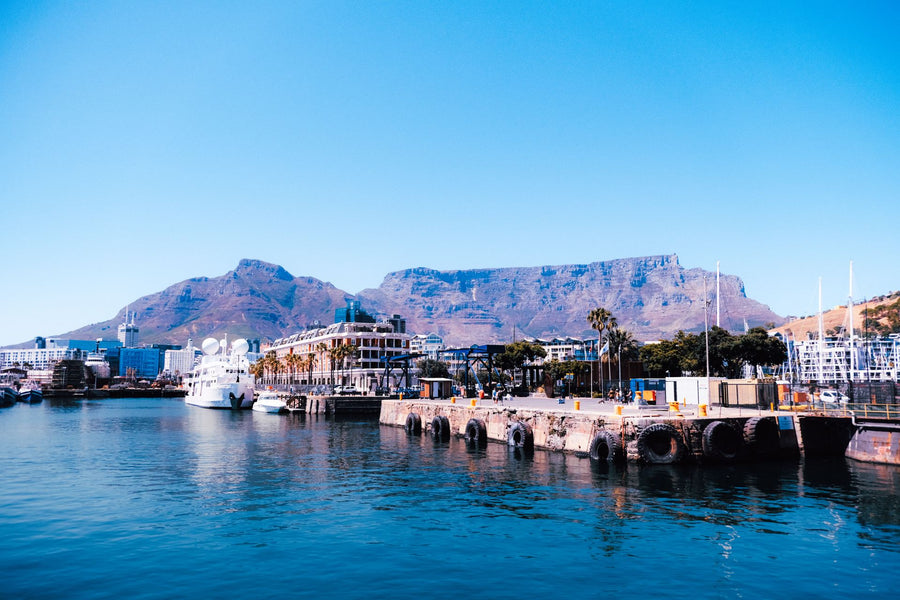
Coastal city known for Table Mountain, beaches, food, culture and access to the Cape Peninsula and Winelands.
Suggested stay: 4–6 days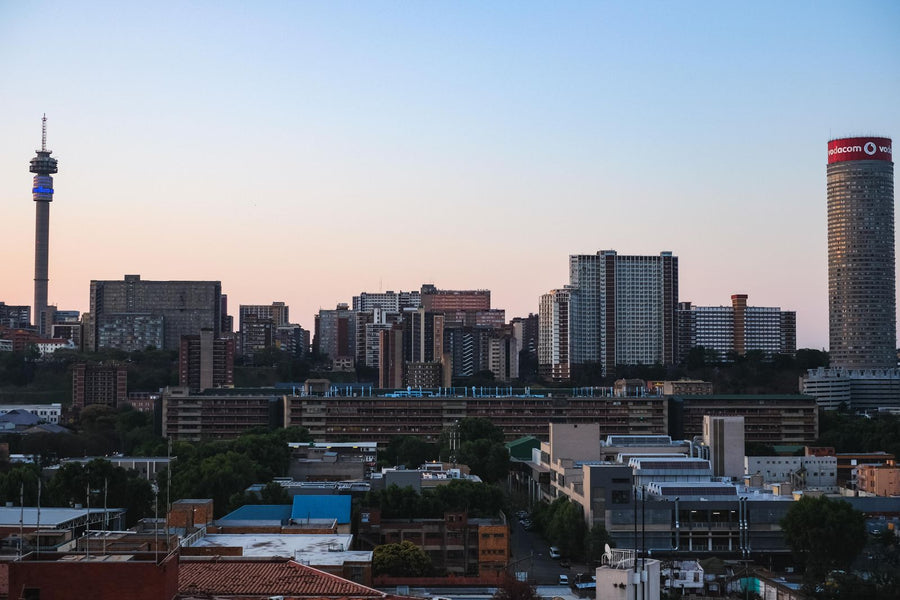
South Africa’s largest urban hub, with major museums, neighbourhoods and convenient connections to safari regions.
Suggested stay: 2–3 days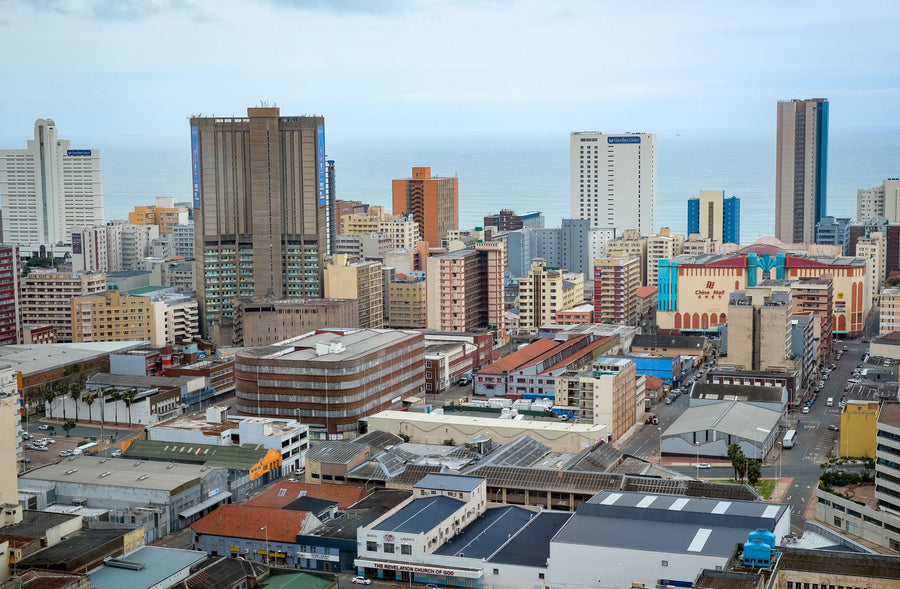
Warm Indian Ocean city with beaches, multicultural cuisine and access to KwaZulu-Natal attractions.
Suggested stay: 2–4 days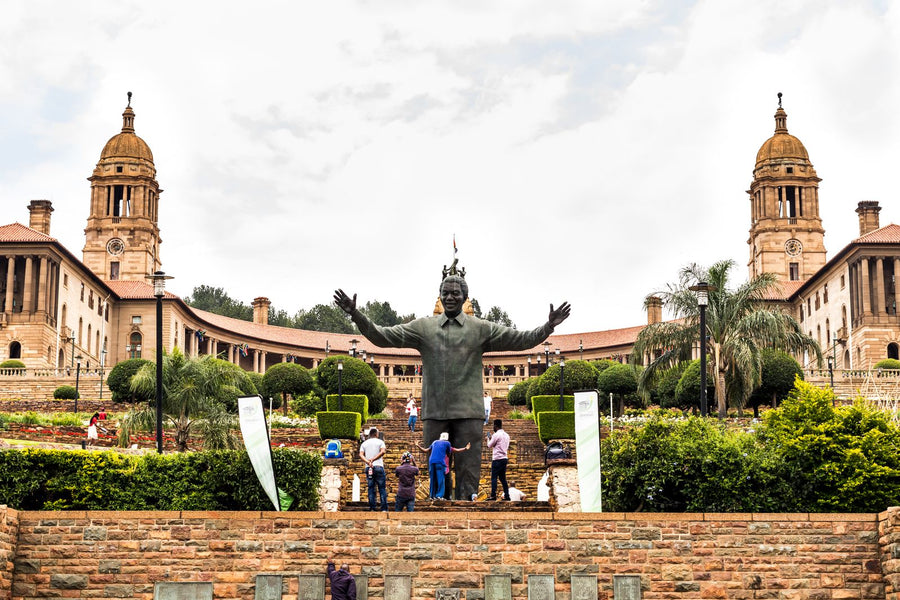
Administrative capital with historic architecture, jacaranda-lined streets and museums.
Suggested stay: 1–2 days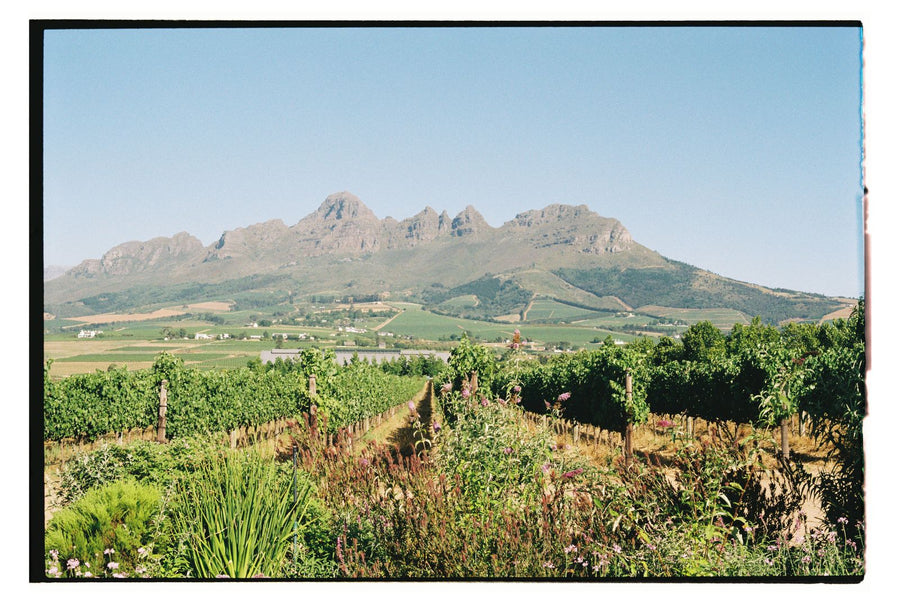
Historic university town at the centre of the Cape Winelands, surrounded by vineyards and mountains.
Suggested stay: 1–3 days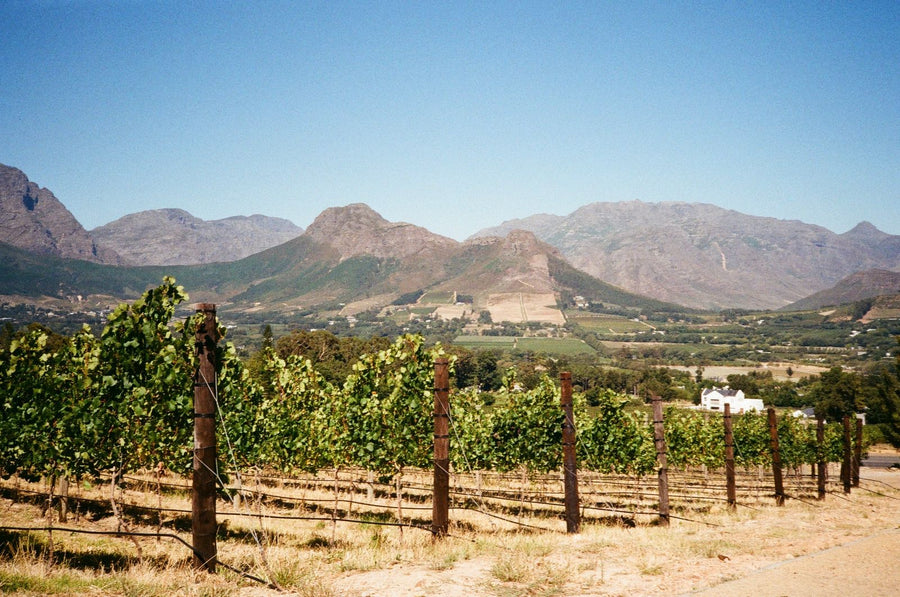
Compact Winelands destination known for restaurants, wine estates and mountain scenery.
Suggested stay: 1–2 days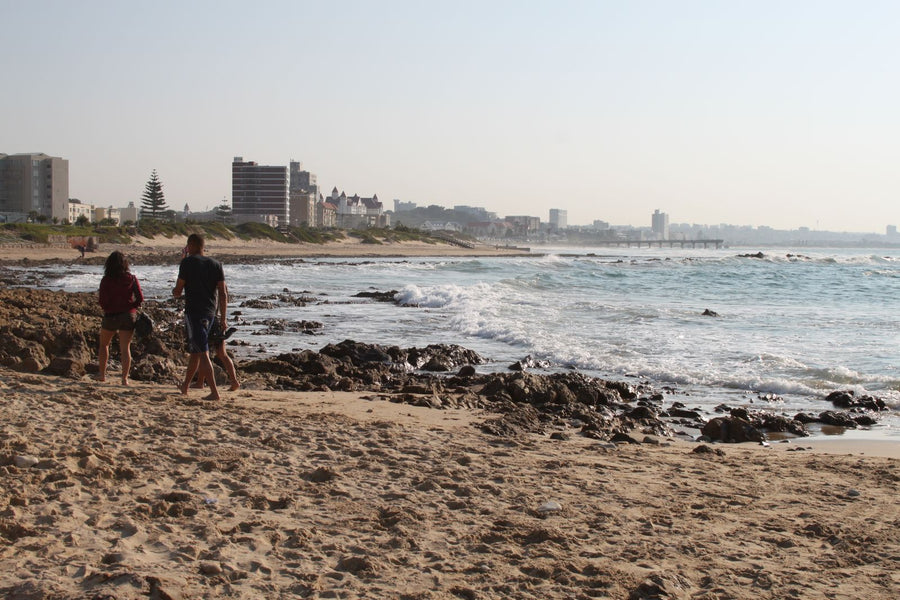
Eastern Cape coastal city with beaches and convenient access to Addo Elephant National Park.
Suggested stay: 1–3 days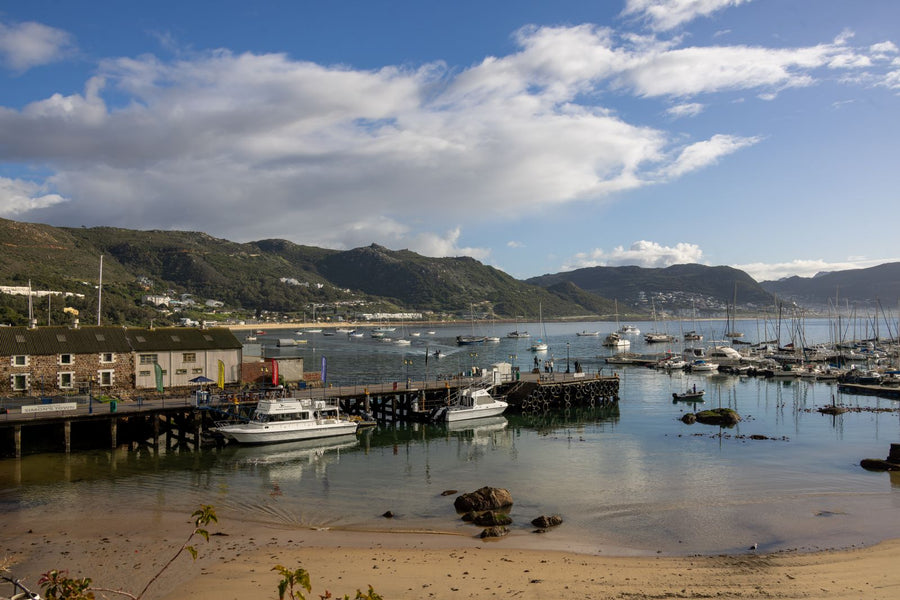
Garden Route town set around a lagoon, with forests, viewpoints and coastal excursions.
Suggested stay: 2–3 days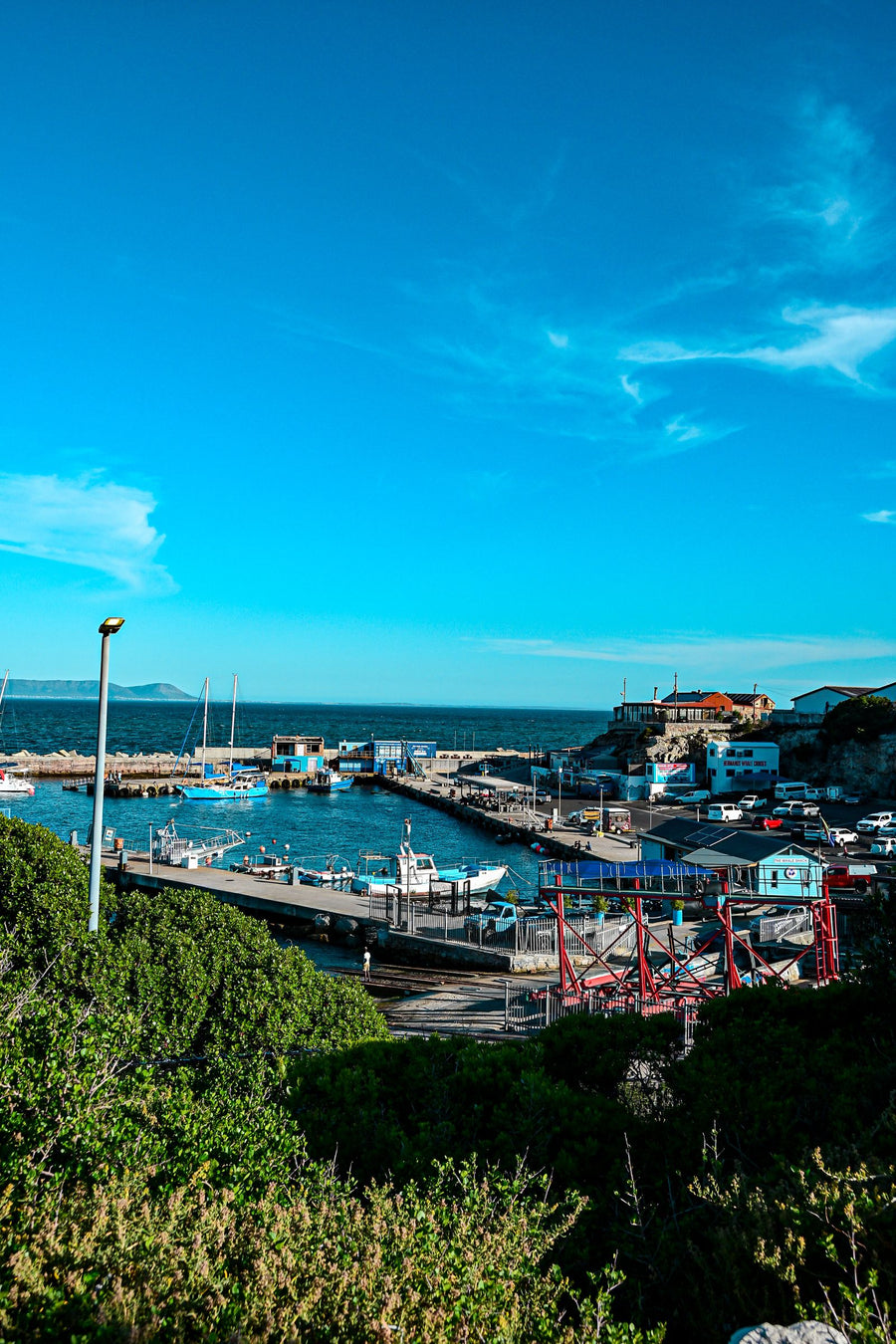
Coastal town celebrated for land-based whale watching, cliffs and nearby wine valleys.
Suggested stay: 1–2 daysFeatured experiences and landmarks.
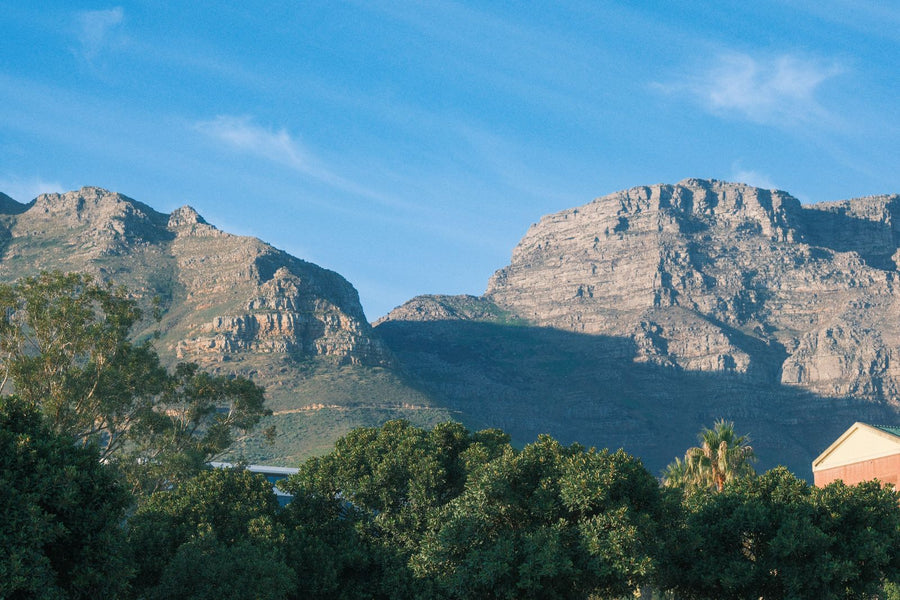
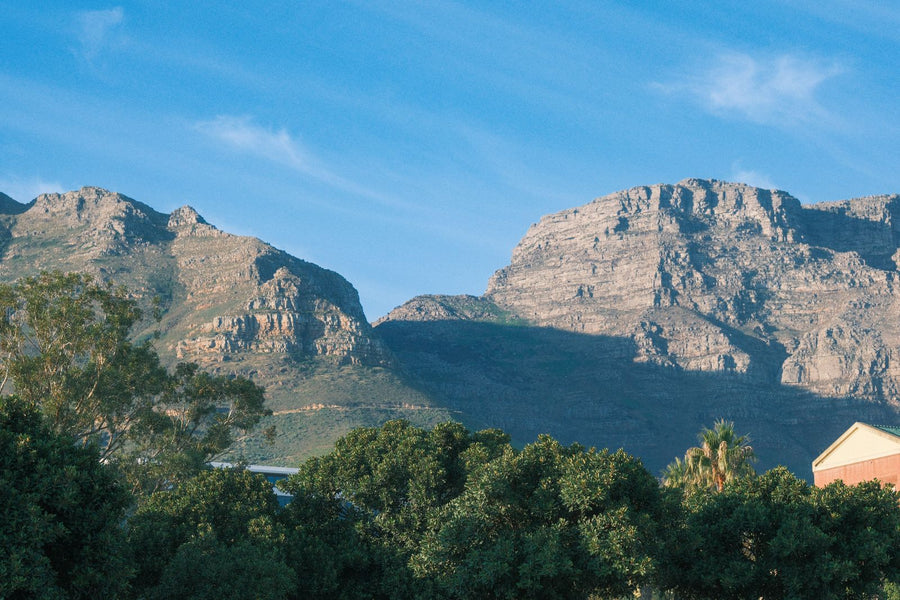
Cape Town’s landmark flat-topped mountain, reached by cableway or hiking routes, with panoramic city and ocean views.
Suggested visit: 3–5 hours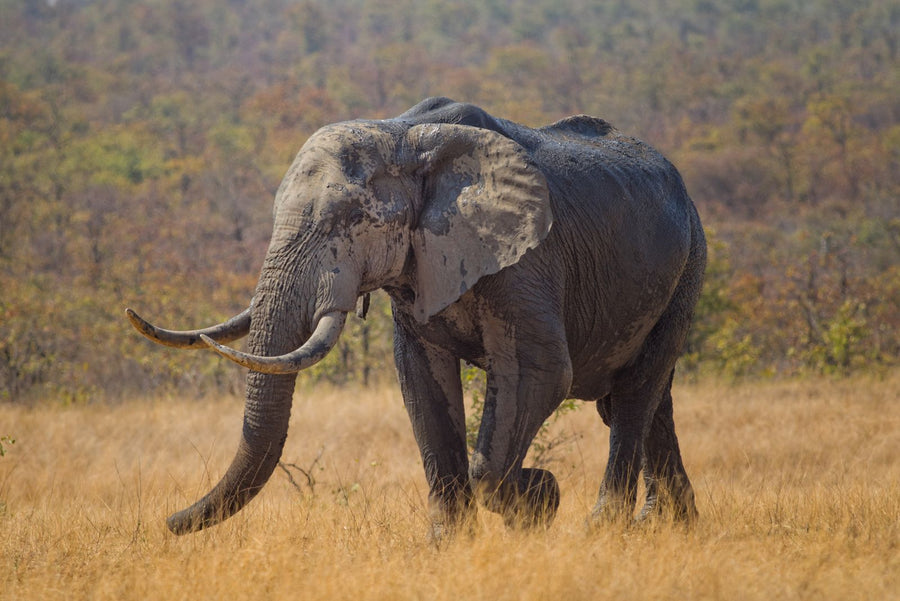
One of Africa’s best-known safari destinations, with extensive wildlife viewing, rest camps and guided or self-drive routes.
Suggested visit: 3–7 days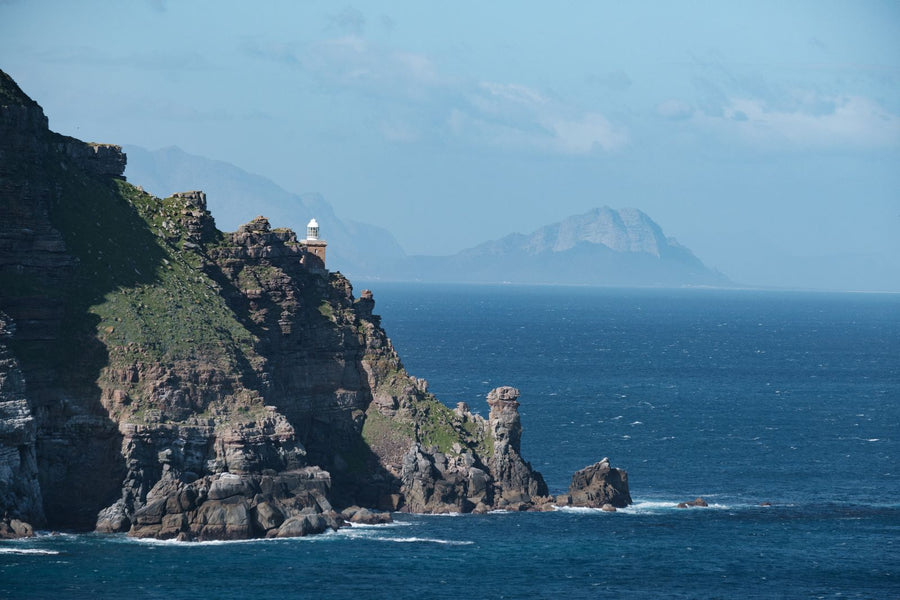
Classic coastal route featuring Cape Point, dramatic cliffs, beaches, penguins and scenic drives.
Suggested visit: Full day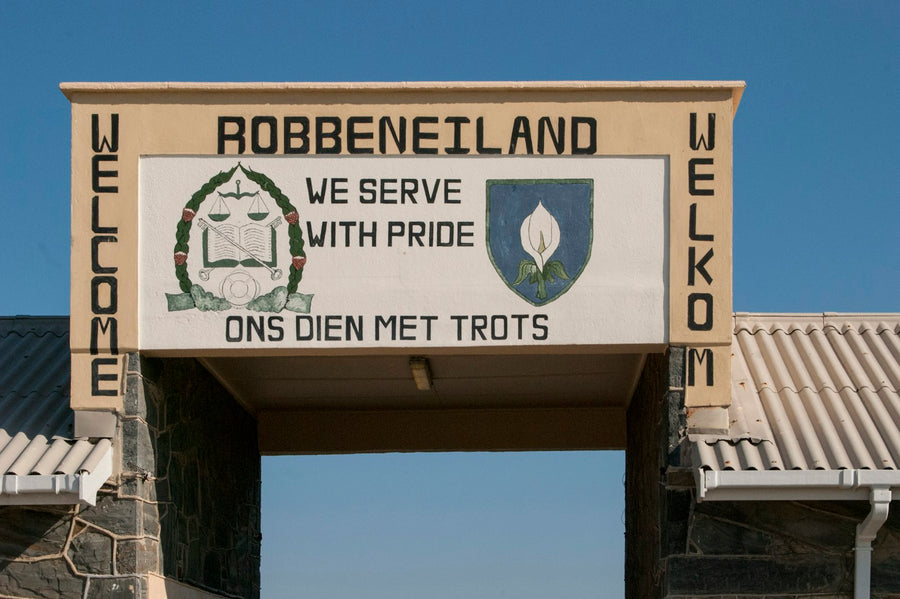
UNESCO-listed island museum central to South Africa’s political history, reached by scheduled ferry from Cape Town.
Suggested visit: 3.5–4 hours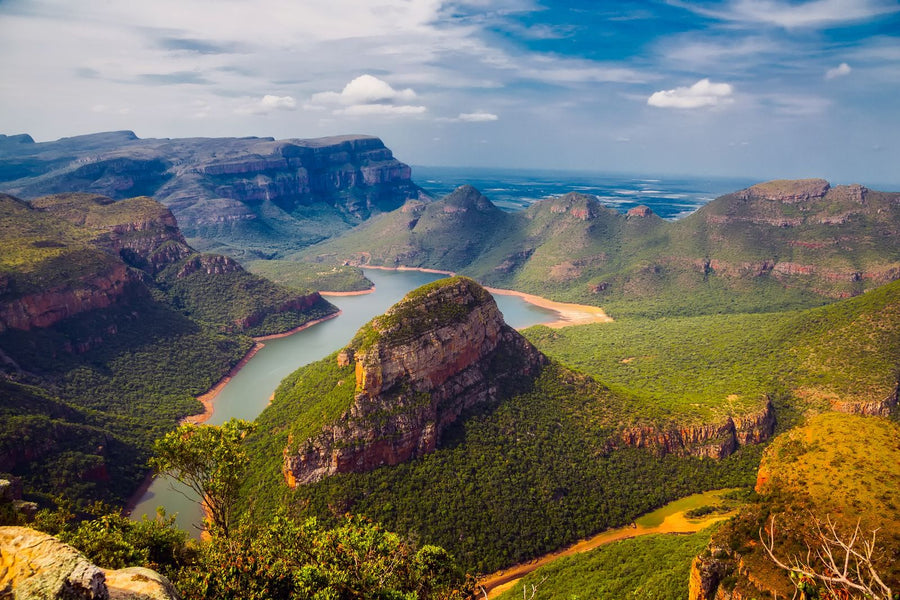
Panorama Route highlight with escarpment viewpoints, waterfalls and dramatic canyon scenery.
Suggested visit: Full day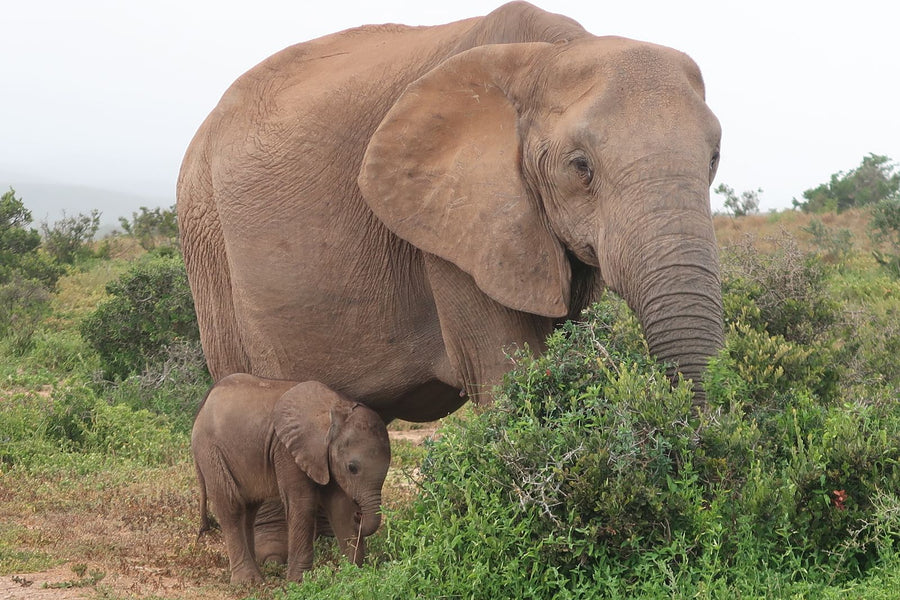
Eastern Cape national park known for elephants and accessible self-drive wildlife viewing.
Suggested visit: 1–3 daysPopular coastal road-trip corridor combining lagoons, forests, beaches, adventure activities and small towns.
Suggested visit: 3–6 days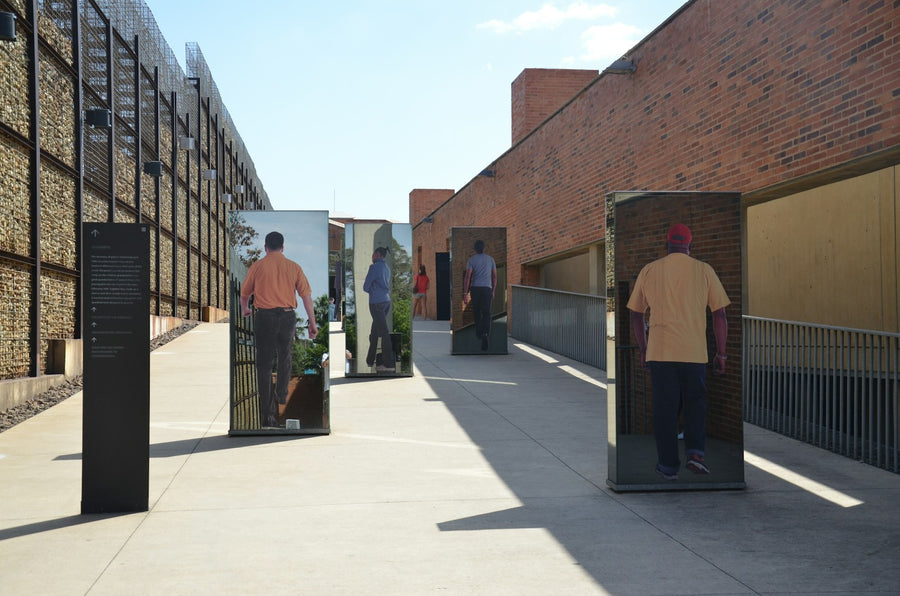
Major Johannesburg museum documenting apartheid, resistance and South Africa’s transition to democracy.
Suggested visit: 2–4 hours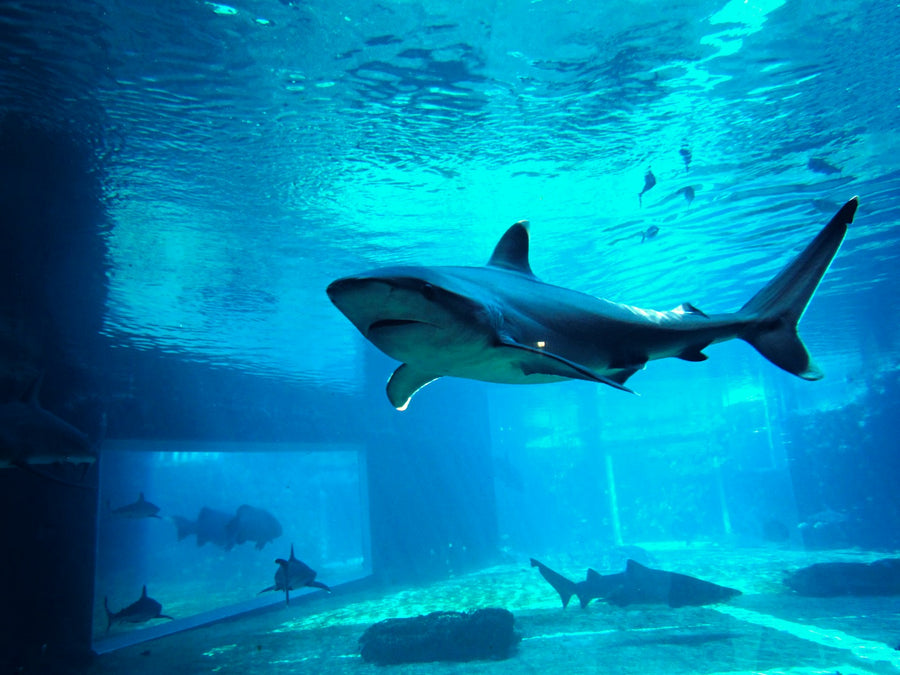
Durban beachfront marine and water-park complex with aquarium exhibits and family activities.
Suggested visit: Half to full dayMay to September is ideal for dry-season wildlife viewing in many safari regions, while Cape Town and the Western Cape are especially attractive from November to March. Conditions vary significantly by coast, elevation and province.
Check dates and official sources before making travel decisions.
Entry requirements, severe-weather warnings, wildfire or flood conditions and national-park operations can change. Review official sources before departure and before long road or safari journeys.
Plan South Africa with Cape Town, Kruger safaris, the Garden Route and Winelands, plus practical itineraries, entry preparation, safety, weather an...


