
eSIM de China
Fixed data plansReliable data for your China trip


Asia
Beijing, Shanghai, high-speed rail, heritage sites and practical China travel planning
Beijing is China's political and historic capital.
Mobile payment is widespread, while international visitors should also keep a supported card and some cash.
Mandarin is the national standard language, with many regional languages also spoken.
One official time zone is used nationwide.
Local numbers use city or mobile prefixes after the country code.
High-speed rail makes multi-city itineraries practical, but distances remain substantial.
China combina capitales imperiales, megaciudades modernas, sitios arqueológicos, montañas, paisajes fluviales y cocinas regionales muy variadas. Su sistema de trenes de alta velocidad hace que los viajes a varias ciudades sean prácticos, pero la planificación anticipada es importante para los billetes, las reservas de atracciones y los servicios digitales locales.
Los datos móviles son compatibles con mapas, traducciones, planificación ferroviaria y comunicación con el alojamiento. Compara la eSIM de datos fijos para China y la eSIM de datos ilimitados para China antes de la salida.
Reserva de cuatro a cinco días para la Ciudad Prohibida, el Templo del Cielo, las zonas de hutong, los museos y una excursión de un día a la Gran Muralla. Muchas atracciones importantes requieren reserva anticipada y datos de identificación.
Shanghái combina el Bund, el horizonte de Pudong, museos, compras y gastronomía. También funciona bien como base para destinos cercanos como Suzhou y Hangzhou.
Xi'an es una parada esencial para el Ejército de Terracota, las murallas de la ciudad y la historia de la Ruta de la Seda. Dos o tres días son suficientes para la mayoría de las primeras visitas.
Chengdu es conocida por los pandas gigantes, las casas de té y la cocina de Sichuan. También es una puerta de entrada útil para viajes regionales de montaña y patrimonio.
Guilin y Yangshuo ofrecen paisajes kársticos de piedra caliza y viajes fluviales. Zhangjiajie, Jiuzhaigou y otros parques nacionales recompensan la planificación adicional y la investigación estacional.
De abril a mayo y de septiembre a octubre son generalmente los mejores periodos para viajes a varias ciudades. El verano es caluroso, húmedo y lluvioso en muchos destinos del este y del sur. El invierno es frío y seco en el norte de China, pero puede ser adecuado para museos, paisajes invernales y escapadas urbanas al sur.
El tren de alta velocidad conecta muchos destinos importantes. Reserva rutas populares durante las vacaciones, mantén los datos del pasaporte consistentes en todas las reservas y deja tiempo para la seguridad en la estación. Los sistemas de metro son extensos en las grandes ciudades, mientras que los datos móviles ayudan con la navegación y la información de transporte en tiempo real.
Las normas de visado y exención de visado dependen de la nacionalidad, el itinerario y el propósito. Los viajeros elegibles que transitan a un tercer país o región pueden calificar para la política de tránsito sin visado de 240 horas de China a través de puertos designados y áreas permitidas. Confirma los requisitos con las autoridades oficiales de inmigración o consulares antes de reservar.
China utiliza 220 V a 50 Hz. Se encuentran tomas de corriente de tipo A, C e I, por lo que un adaptador universal es práctico. Verifica que los dispositivos de países de 100-120 V admiten 220 V.
Un plan fijo es adecuado para mapas, mensajería y viajes rutinarios. La traducción frecuente, el vídeo, el uso compartido de puntos de acceso o el trabajo remoto pueden justificar la eSIM ilimitada para China.
Diez a catorce días permiten un itinerario inicial centrado en Pekín, Xi'an y Shanghái. De dos a tres semanas permiten una ruta más lenta con Chengdu, Guilin o parques nacionales.
Sí. Los datos móviles son particularmente valiosos para mapas, traducciones, transporte y comunicación con el alojamiento. Confirma los servicios admitidos por el plan e instálalo antes de la salida.
Calcula entre 10 y 20 GB para un viaje turístico de dos semanas. Los datos ilimitados son mejores para vídeo frecuente, uso de puntos de acceso o trabajo remoto.
Un adaptador universal compatible con tomas de corriente tipo A, C e I es la opción más práctica. Confirma que tus dispositivos aceptan 220 V.
Depende de la nacionalidad y el itinerario. Algunos viajeros califican para políticas de entrada sin visado o tránsito, incluyendo itinerarios de tránsito de 240 horas elegibles. Verifica las normas oficiales actuales antes de viajar.
Selecciona tu plan antes de la salida, instala la eSIM a través de una Wi-Fi fiable y conserva el código QR y las instrucciones de configuración para futuras consultas.
Get mobile data for your China trip with a local or region-wide eSIM.
Reliable data for your China trip

Unlimited data, no daily limits


TravelFi editorial destination ratings.
Strong urban and transport-corridor connectivity, with planning needed for app access and remote regions.
Broad accommodation and dining choices, with efficient rail travel between major cities.
Exceptional imperial, archaeological, religious and Silk Road heritage across the country.
Karst scenery, high mountains, river valleys, forests and national parks provide exceptional variety.
Strong rail links, museums, parks and major attractions support family trips, with language and app preparation helpful.
220 V · 50 Hz
Two flat parallel pins. Usually ungrounded.
Two round pins. Usually ungrounded.
Type I has two flat pins arranged in an inverted V, with an optional vertical grounding pin.
GroundedType A, C and I socket forms are encountered. A universal adapter is the most practical choice for multi-city travel.
Travellers from 100–120 V countries should verify that chargers and appliances support 220 V before use.
Forecast location: Beijing, China
China has highly diverse climates, from cold continental conditions in the north and west to humid subtropical and tropical climates in the south. Elevation, monsoon patterns and distance from the coast strongly shape local conditions.
Loading current weather…
Places to include in your China itinerary.

China's capital, combining imperial landmarks, hutong neighbourhoods, museums and access to the Great Wall.
Suggested stay: 4–5 days
A global waterfront metropolis known for the Bund, modern architecture, shopping, dining and nearby water towns.
Suggested stay: 3–4 days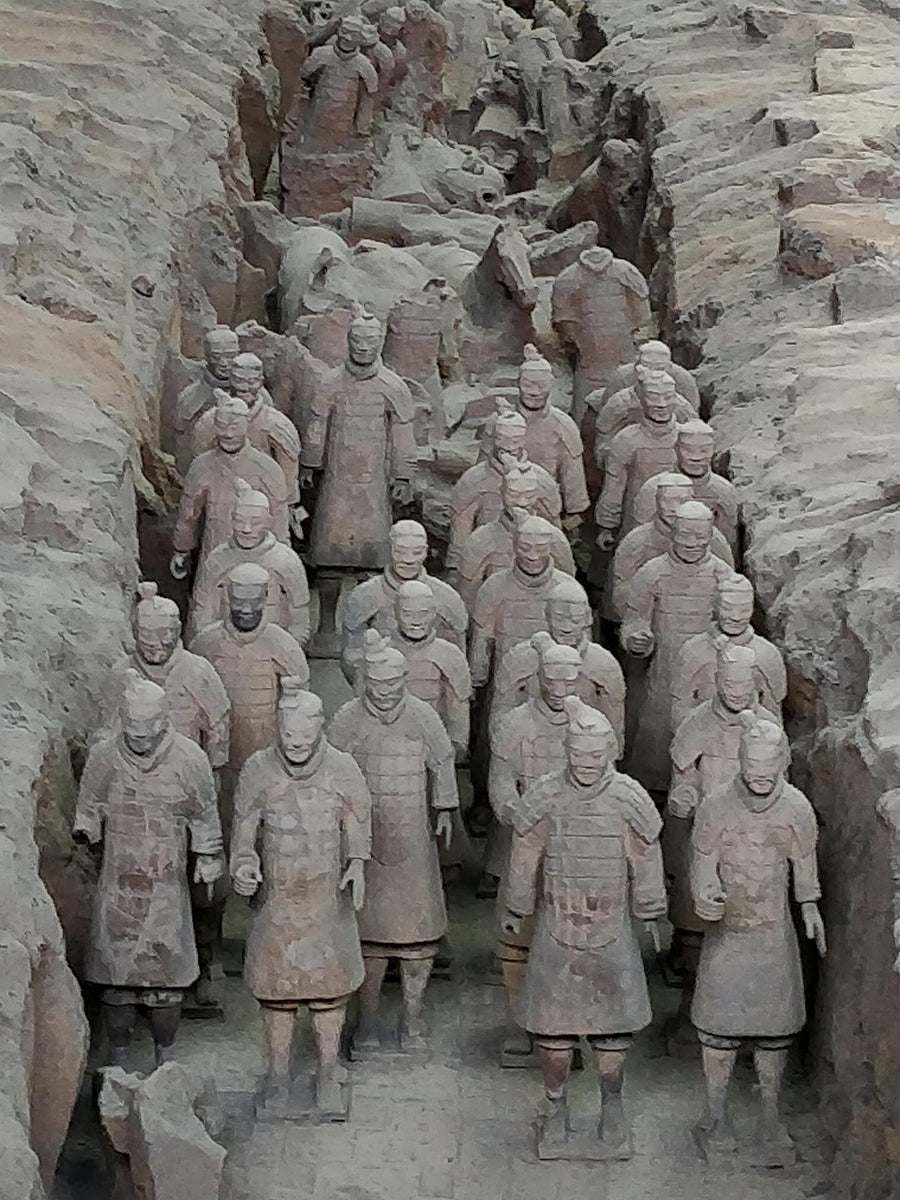
An ancient capital and Silk Road gateway, best known for the Terracotta Army and preserved city walls.
Suggested stay: 2–3 days
A relaxed Sichuan capital famous for giant pandas, teahouses, spicy cuisine and regional day trips.
Suggested stay: 3–4 days
A major southern city known for Cantonese cuisine, riverfront districts, trade and historic temples.
Suggested stay: 2–3 days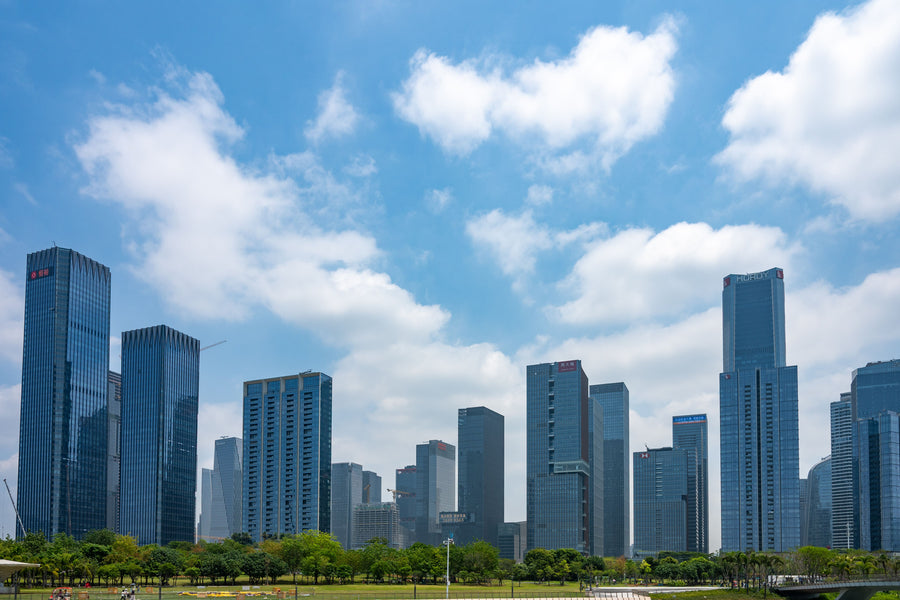
A fast-moving technology city with contemporary architecture, parks, shopping and easy regional connections.
Suggested stay: 1–3 days
A scenic city centred on West Lake, historic temples, tea culture and convenient high-speed rail.
Suggested stay: 2–3 days
A gateway to karst peaks, the Li River, Yangshuo and some of China's most recognizable landscapes.
Suggested stay: 3–4 days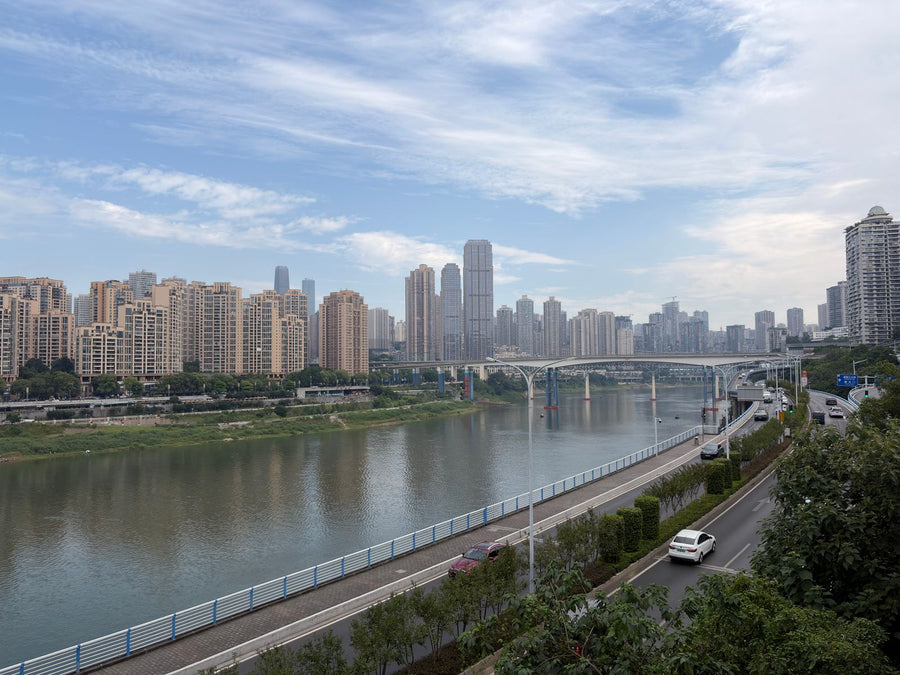
A dramatic hillside megacity known for river views, hotpot, layered streets and Yangtze cruise connections.
Suggested stay: 2–4 daysFeatured experiences and landmarks.
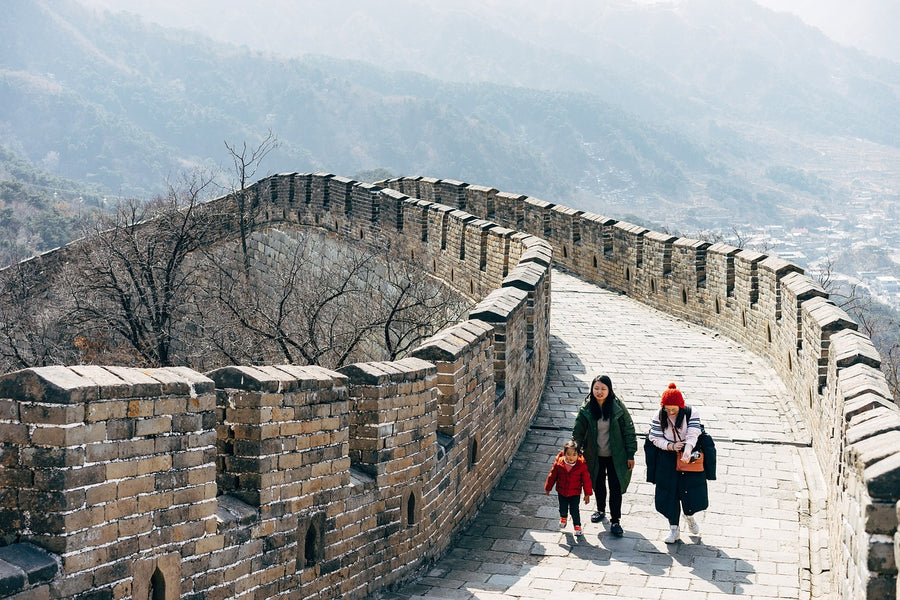
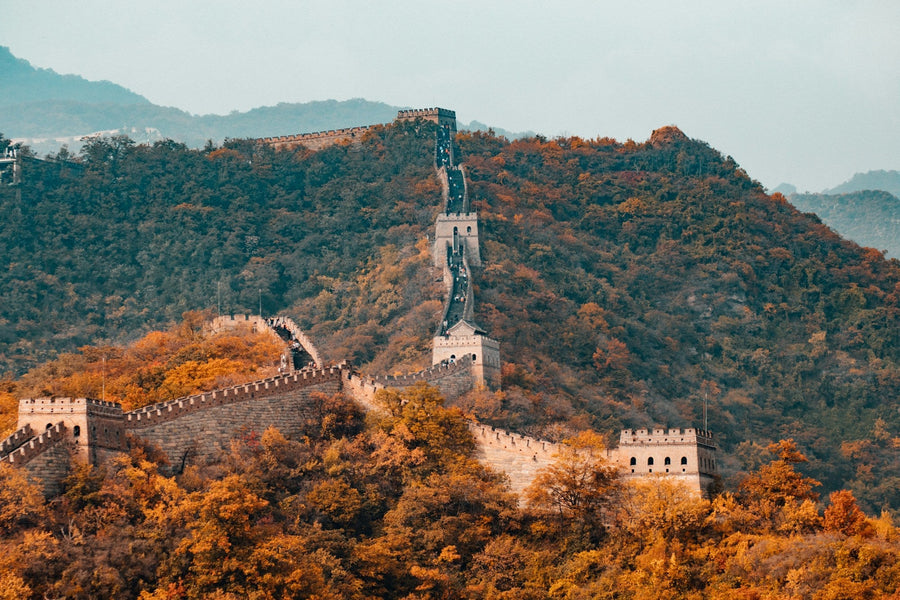
China's most famous fortification, with accessible sections near Beijing ranging from restored to rugged.
Suggested visit: Half to full dayThe monumental imperial palace complex at the heart of Beijing, now home to the Palace Museum.
Suggested visit: 3–5 hoursThousands of life-sized terracotta soldiers and horses created for the mausoleum of China's first emperor.
Suggested visit: Half dayShanghai's landmark riverfront promenade, facing the futuristic Pudong skyline across the Huangpu River.
Suggested visit: 2–3 hoursA major conservation and research centre where visitors can observe giant pandas in landscaped habitats.
Suggested visit: 3–4 hoursHangzhou's celebrated lake landscape of causeways, gardens, temples and historic viewpoints.
Suggested visit: Half to full dayA celebrated river journey through limestone karst scenery between Guilin and Yangshuo.
Suggested visit: 1 day
A dramatic protected landscape of sandstone pillars, forests, cableways and elevated viewpoints.
Suggested visit: 2–3 days
A high-altitude valley renowned for colourful lakes, waterfalls, forests and Tibetan cultural landscapes.
Suggested visit: 2–3 daysCompara las estaciones y planifica el mejor momento para tu viaje a China.
Spring is one of China's strongest seasons for city travel and outdoor sightseeing, though regional weather varies widely.
Pack layers and rain protection; northern mornings can remain cool.
Summer is hot, humid and rainy across many major cities, while higher-altitude and northern destinations can be more comfortable.
Bring breathable clothing, sun protection, hydration supplies and rain gear.
Autumn is widely considered the best season for China, with comfortable temperatures and strong conditions for cities and landscapes.
Bring layers; conditions cool quickly from north to south as the season progresses.
Winter brings severe cold to northern China, milder conditions in the south and distinctive snow and ice experiences.
Pack insulated layers for the north and lighter layers for southern destinations.
Check dates and official sources before making travel decisions.
Eligible nationals transiting to a third country or region may use China's 240-hour visa-free transit policy through designated ports and permitted areas. Requirements and eligibility should be checked before booking.
Planifica un viaje a China con orientación sobre las principales ciudades, el tren de alta velocidad, las estaciones, la planificación de la entrad...


