
Denmark eSIM
Fixed data plansReliable data for your Denmark trip


Europe
Copenhagen, Funen and Jutland — cities, castles and coastal routes
Denmark works well as a compact city break or a longer journey through Zealand, Funen and Jutland. Copenhagen offers canals, food, design and royal history; farther afield, you can add Viking ships, art museums, family attractions and coastal towns without turning the whole trip into a checklist.
For a first visit, allow three or four nights in Copenhagen, or seven to ten days for two or three regional bases. This guide covers mainland Denmark and its nearby islands. Greenland and the Faroe Islands need separate planning for transport, entry requirements and mobile coverage.
Start with Nyhavn’s colourful waterfront, then leave time for neighbourhood walks, museums, food and design. Copenhagen is more rewarding when you give it several days rather than using it only as an arrival point. Tivoli Gardens is a separate half- or full-day visit: check its seasonal opening calendar, and distinguish garden admission from ride products before buying.
Roskilde combines an old town with the Viking Ship Museum. The original ships are the centrepiece; outdoor boatbuilding and sailing activities vary by season. Helsingør is the base for Kronborg Castle, with a harbour setting and time for a town walk. Choose one excursion per day rather than compressing both into a rushed schedule.
Odense is a practical rail stop between Copenhagen and Jutland, with Hans Christian Andersen connections and an easy city-break feel. Svendborg offers a maritime base for South Funen and island outings. Egeskov Castle is near Kværndrup, not in central Odense or Svendborg: include the last-mile transport and check which castle, garden and exhibition areas are open.
Aarhus suits a two-night cultural stop. At ARoS, allow time for exhibitions as well as the rooftop panorama, and check current access notices. Aalborg adds a North Jutland base with historic streets and waterfront areas. Distances are manageable, but every additional base still uses travel time.
Billund is a family-focused stop rather than a substitute for Copenhagen. LEGO House and LEGOLAND are separate attractions, with separate tickets and calendars. Include bus or road connections in your route. Ribe offers a contrasting heritage stay, with streets and cathedral surroundings best explored slowly; nearby Wadden Sea excursions need their own tide-aware planning.

Skagen rewards a coastal overnight rather than a very long out-and-back detour. At Grenen, the Skagerrak and Kattegat meet; official visitor guidance prohibits swimming because of dangerous currents. Follow present-day signs, not what other visitors may be doing.
Møns Klint is on eastern Møn near Borre, away from the main intercity route. Plan transport, daylight and walking ability before including it. The Danish Nature Agency warns about cliff collapse and requires visitors to respect barriers and marked paths. Keep away from edges and cliff bases; beach access includes long stairways.
These are TravelFi planning suggestions. Confirm actual schedules, opening days and travel times before booking.
If beaches, cliffs or smaller islands are the priority, reduce the number of city stops and give weather-sensitive outings flexible dates.
Late spring through early autumn is a practical starting point for cycling, city walks and coastal routes because daylight is longer. Summer is popular, so reserve accommodation and major family attractions early when dates are fixed. May or September can suit travellers looking for a mix of outdoor time and city sightseeing without building the trip around peak summer.
Autumn and winter work for museums, food and design, but outdoor days are shorter and some attractions have seasonal closures. December can be atmospheric in Copenhagen, provided the events you want are operating. Check the actual calendar rather than assuming a garden, castle or theme park is open every day.
Denmark’s maritime weather can change during a sightseeing day. Pack layers, windproof rain protection and comfortable shoes even in summer. Add warm clothing for winter and exposed coastal walks. Check DMI forecasts and warnings before outdoor activities. The live weather block below uses Copenhagen; it is not a forecast for all of Denmark.
For Copenhagen, Odense, Aarhus and other main rail-connected stops, compare public transport before hiring a car. Use DSB for rail tickets and service information, and Rejseplanen for complete journeys involving trains and buses. Check ticket conditions rather than assuming the cheapest fare is flexible.
A car can make rural Jutland, Møn and smaller coastal stops easier, but include parking, bridges, ferries and return logistics in the decision. Billund and some attractions require a bus or road connection from the rail network. In cities, watch for cycle lanes before stepping across them; if cycling, learn local signals and lane conventions first.
Denmark uses the Danish krone (DKK), not the euro. Plan accommodation, restaurants, attractions and intercity transport as separate budget categories. A centrally located stay can save enough local travel time to be worthwhile on a short trip. Mix booked attractions with waterfront walks, neighbourhood exploration and public outdoor spaces.
For food-focused travel, leave time for bakeries, smørrebrød and regional dining rather than booking every meal around a landmark. Reserve specific restaurants if they are an important part of your trip, and check opening days.
Requirements depend on nationality, passport, purpose and length of stay. Start with the Danish Immigration Service. Short visa-free visits for eligible travellers generally follow the Schengen limit of 90 days in any rolling 180-day period, counting time in other Schengen countries too.
Check the official EU EES/ETIAS portal for current border procedures and travel-authorisation requirements before departure. EES border registration and ETIAS travel authorisation are different systems. Do not buy an authorisation from an unofficial site or assume a launch date from an old article. Travelling to Greenland or the Faroe Islands requires a separate entry check.
The power profile below lists Denmark’s 230 V, 50 Hz supply. Two-pin Europlug chargers are commonly used, while grounded outlets can use Danish Type K or other approved systems. If an appliance requires an earth connection, make sure the adapter preserves earth and matches the actual socket: a plug fitting physically does not prove it is correctly grounded.
Check each device’s input label. A charger marked 100–240 V generally accepts the local voltage; a plug adapter does not convert voltage for a 110 V-only appliance.
For a Denmark-only trip, compare Denmark fixed-data eSIM plans and Denmark Unlimited Data eSIM plans. Fixed data can suit maps, messaging, bookings and browsing. For frequent video, uploads or hotspot use, compare larger allowances or unlimited tiers and read the selected plan’s daily high-speed and fair-use terms.
For a wider European route, the Europe (35 areas) eSIM lists Denmark among its supported countries. Confirm every stop and the plan’s validity before purchase. Do not assume Greenland or the Faroe Islands are included simply because a product covers Denmark.
Check that your phone supports eSIM and is network-unlocked. Install on reliable Wi-Fi before departure, following the plan’s activation instructions. Download essential maps and tickets offline; coverage varies and mobile data is not a substitute for safe route planning.
At this review, the Government of Canada advises exercising a high degree of caution in Denmark due to the threat of terrorism. Check the latest advice before leaving, follow local authorities and keep valuables secure in busy transport and sightseeing areas. For coasts and cliffs, obey weather warnings and local restrictions.
Four days works for Copenhagen and one excursion. Seven to ten days allows two or three regional bases without changing hotels every night.
Not for a city-focused rail route. A car can help with rural Jutland, Møn and coastal stops, but compare it with complete public-transport journeys and include parking and ferry costs.
No. The currency is the Danish krone, DKK.
No. Official guidance prohibits swimming because of dangerous currents. Follow all local signs and keep a safe distance from rough water.
Check their individual calendars. Tivoli operates in defined opening seasons, while LEGO House has its own date-specific opening and ticket arrangements.
Not necessarily. Choose by your use of maps, browsing, video and hotspotting. Read the daily high-speed allowance and fair-use terms for the selected unlimited tier.
Do not assume so. Check the product’s explicit coverage list for each destination before buying.
Once your route is set, compare Denmark fixed-data plans, Denmark unlimited plans and the European regional option. Match the validity and data allowance to your trip, then install according to the plan instructions before departure.
Nick Karvounis / Unsplash; Stefan Szankowski / Unsplash; Thuận Minh / Unsplash; Robert Katzki / Unsplash; Svend Nielsen / Unsplash; Sandra Grünewald / Unsplash; Uladzislau Petrushkevich / Unsplash; Richard von Pfeil / Unsplash; John / Unsplash; Julia Taubitz / Unsplash; Wolfgang Weiser / Unsplash; Andreas Helveg Rudolph / Pexels. Images used under the respective Unsplash and Pexels licenses.
Grenen photograph: EHRENBERG Kommunikation / VisitDenmark, CC BY-SA 2.0. Reduced-size and automatically cropped display versions retain this license. This historical photograph is not advice on present-day water access. Stays and visit durations are TravelFi planning estimates.
Get mobile data for your Denmark trip with a local or region-wide eSIM.
Reliable data for your Denmark trip

Unlimited data, no daily limits

TravelFi editorial destination ratings.
230 V · 50 Hz
Two round pins. Usually ungrounded.
A grounded European plug with two round pins and a socket for the outlet's earth pin.
GroundedTwo round pins with side grounding contacts. Often called the Schuko plug.
GroundedThree-pin grounded Danish plug standard.
GroundedTwo-pin Europlug chargers are commonly used. Denmark also has Danish Type K grounded sockets alongside other approved grounded systems. For equipment requiring earth, use an adapter that preserves earthing and matches the actual socket; physical fit alone does not guarantee earth.
Check each appliance’s input rating. A plug adapter does not convert voltage. Dual-voltage chargers marked 100–240 V usually need only the correct plug adapter.
Forecast location: Copenhagen
Denmark has a temperate maritime climate moderated by surrounding seas, with relatively mild winters, cool-to-warm summers, wind and changeable weather throughout the year.
Loading current weather…
Places to include in your Denmark itinerary.
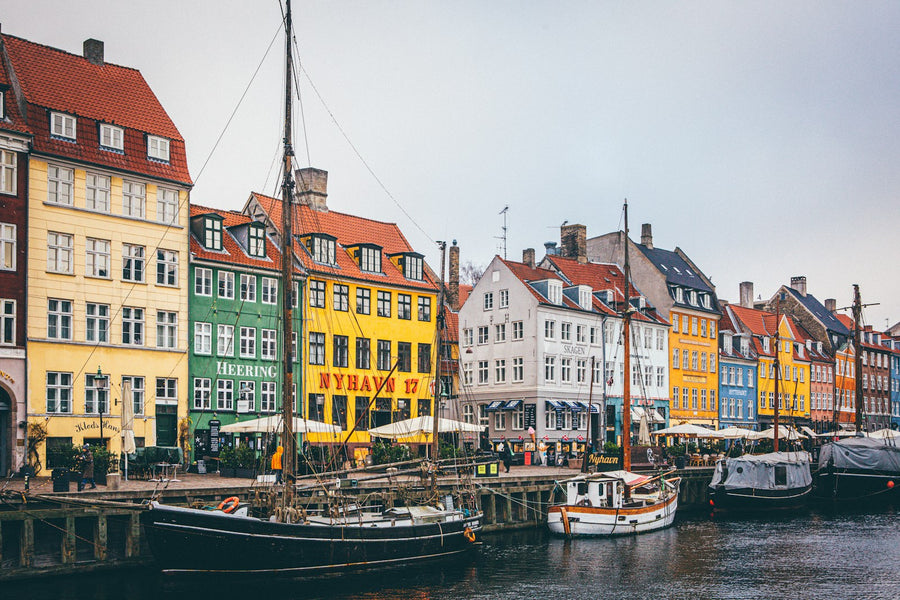
Denmark's capital for canals, design, cycling, food and royal history.
Suggested stay: 3–4 nights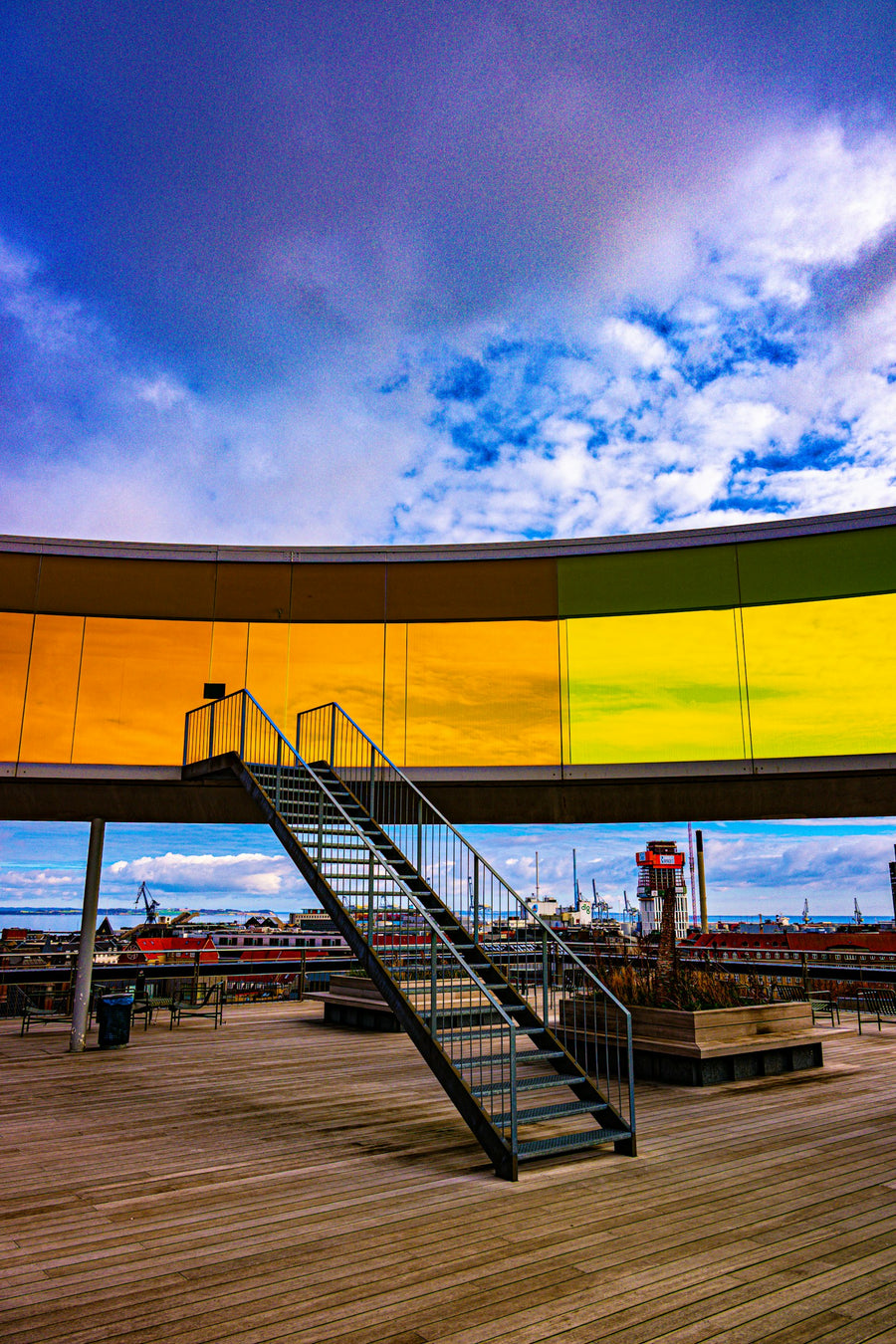
A lively Jutland city known for museums, architecture, food and waterfront culture.
Suggested stay: 2 nights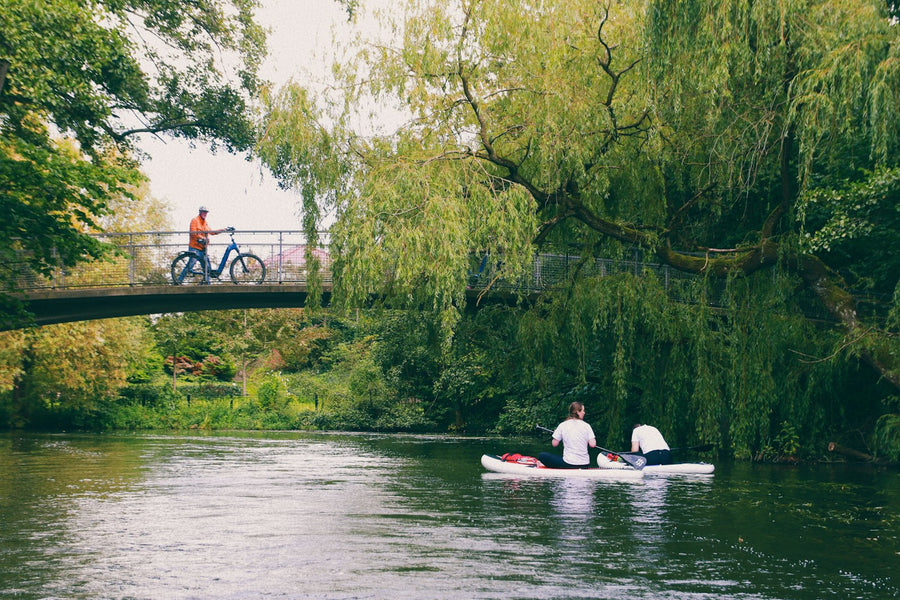
Historic Funen city closely associated with Hans Christian Andersen.
Suggested stay: 1–2 nights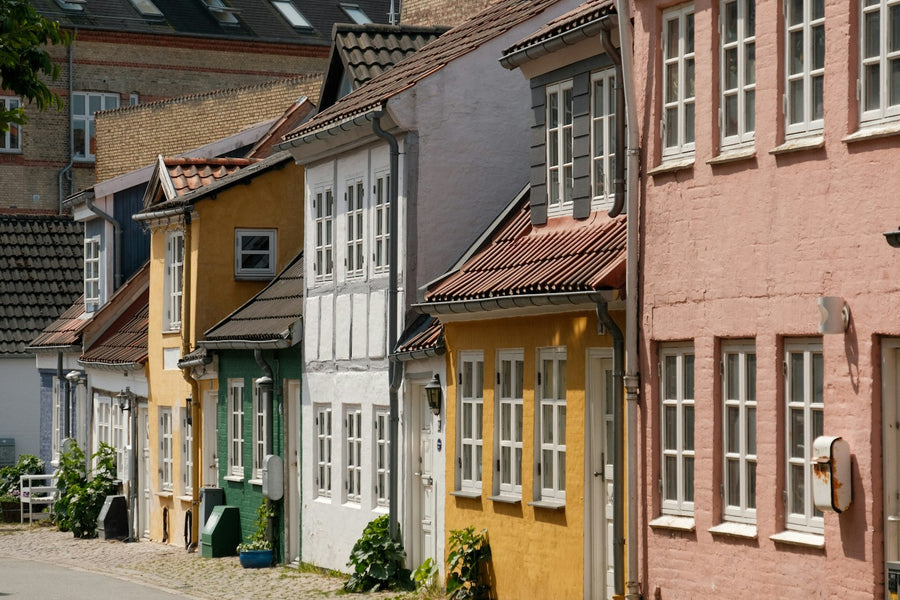
North Jutland hub with waterfront redevelopment, culture and easy regional access.
Suggested stay: 1–2 nights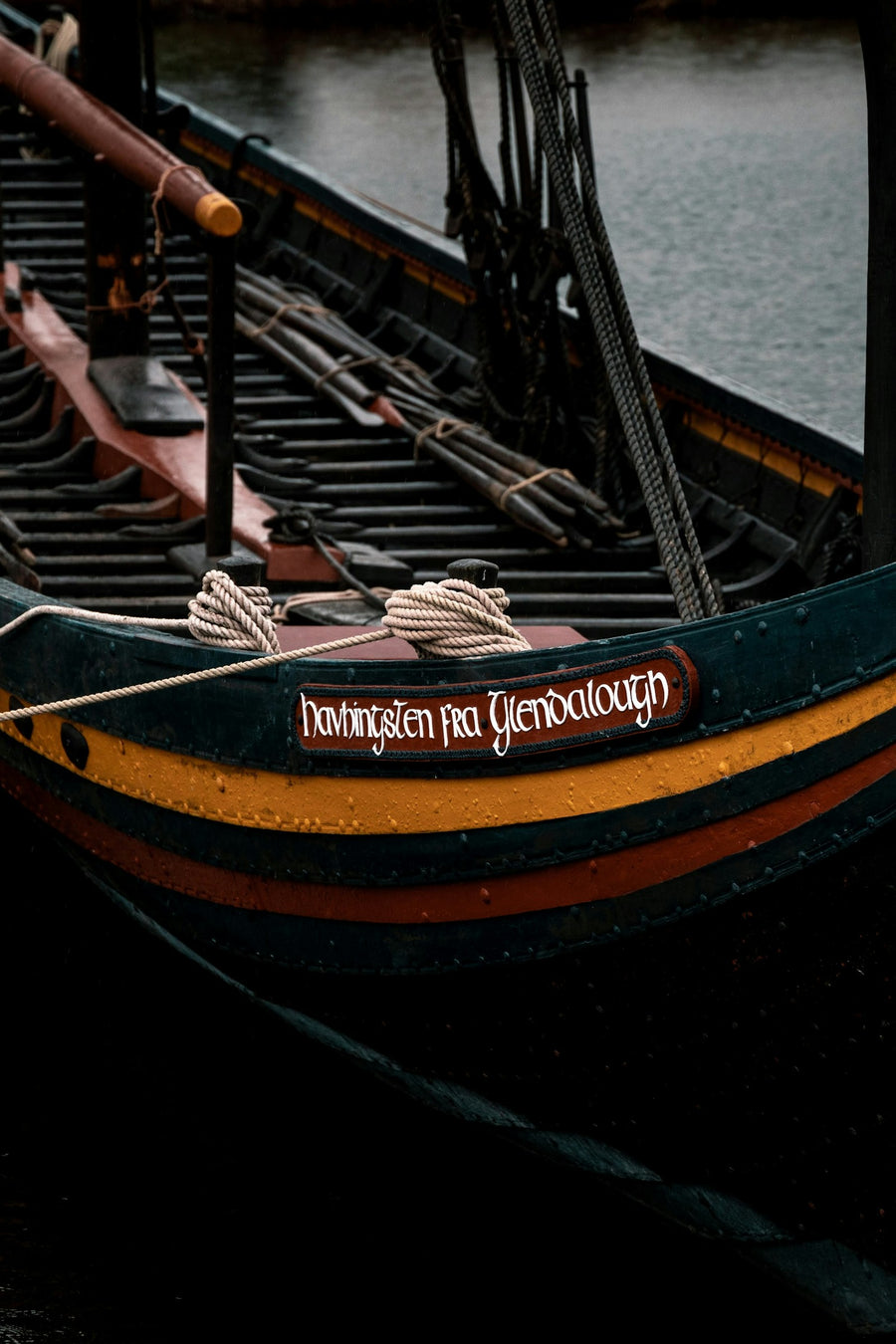
Historic city known for its cathedral, Viking Ship Museum and major summer festival.
Suggested stay: Day trip or 1 night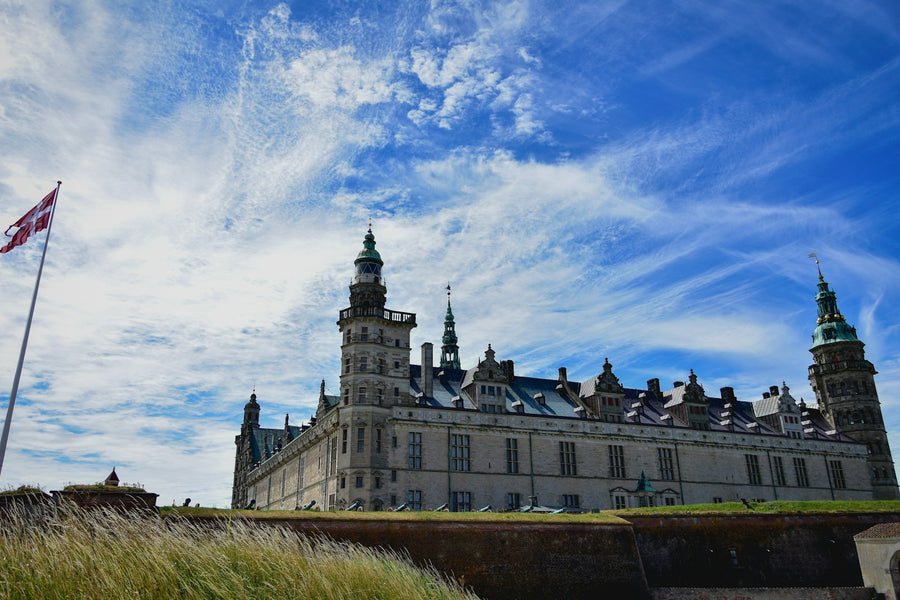
Coastal city home to Kronborg Castle and a quick ferry link to Sweden.
Suggested stay: Day trip or 1 night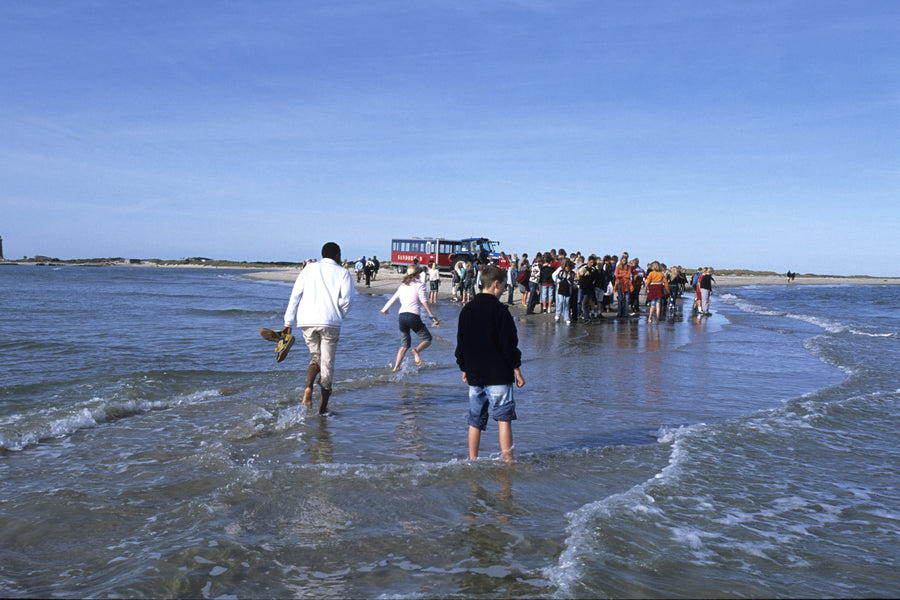
Northern tip destination famous for beaches, artists and the meeting of two seas at Grenen.
Suggested stay: 1–2 nights
Family travel hub best known for LEGOLAND and LEGO House.
Suggested stay: 1–2 nights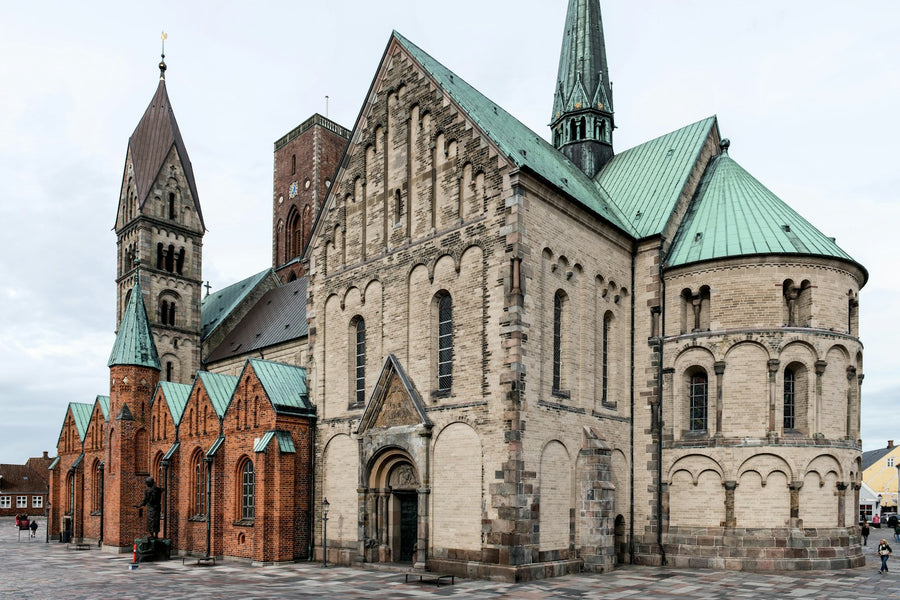
One of Denmark's oldest towns, with medieval streets and strong Viking heritage.
Suggested stay: 1–2 nightsFeatured experiences and landmarks.
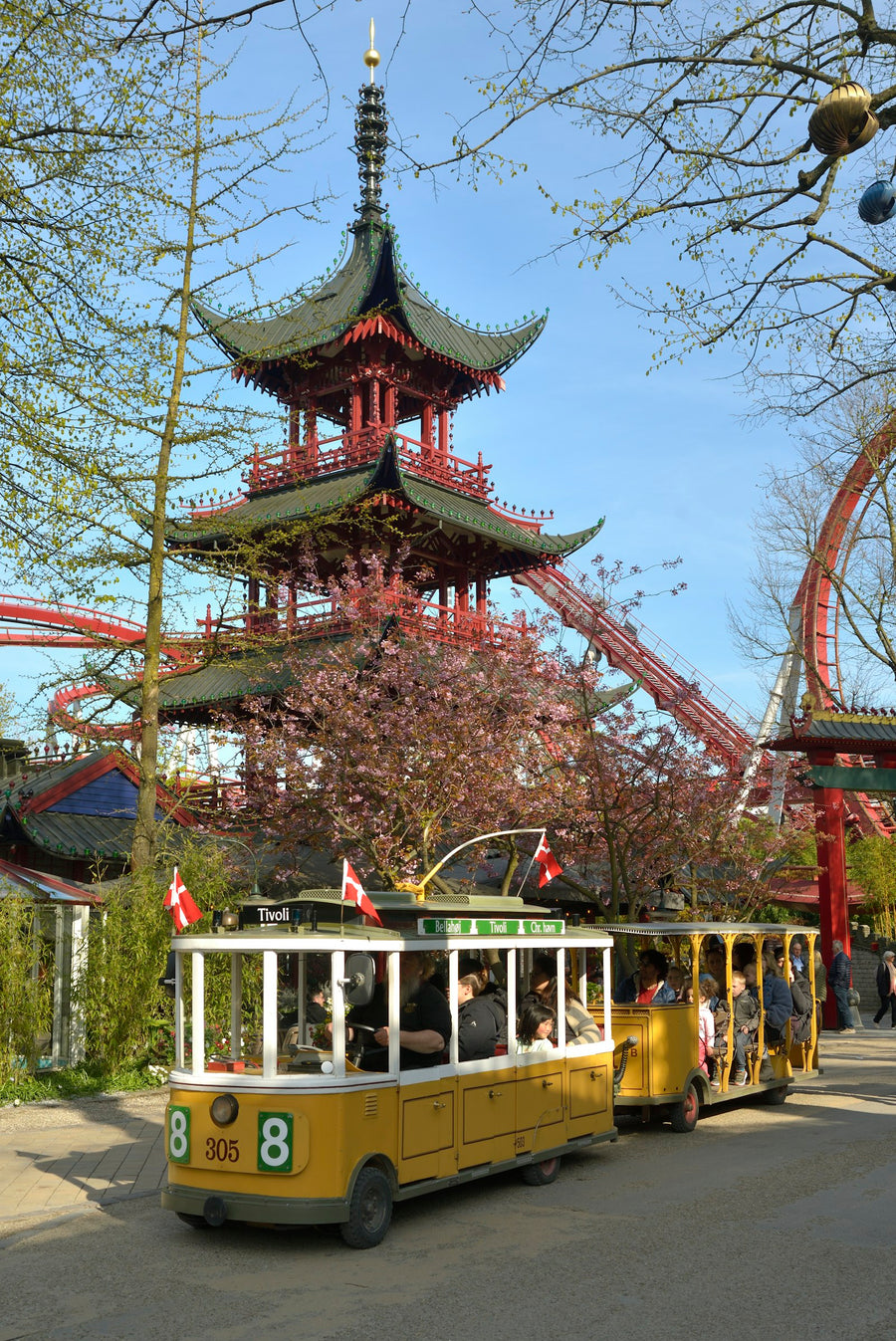
Historic amusement garden in central Copenhagen.
Suggested visit: Half to a full dayColorful historic canal and one of Copenhagen's signature sights.
Suggested visit: 1–2 hoursUNESCO-listed Renaissance castle at Helsingør, associated with Shakespeare's Hamlet.
Suggested visit: 2–3 hoursRoskilde museum centered on original Viking ships and maritime archaeology.
Suggested visit: 2–3 hours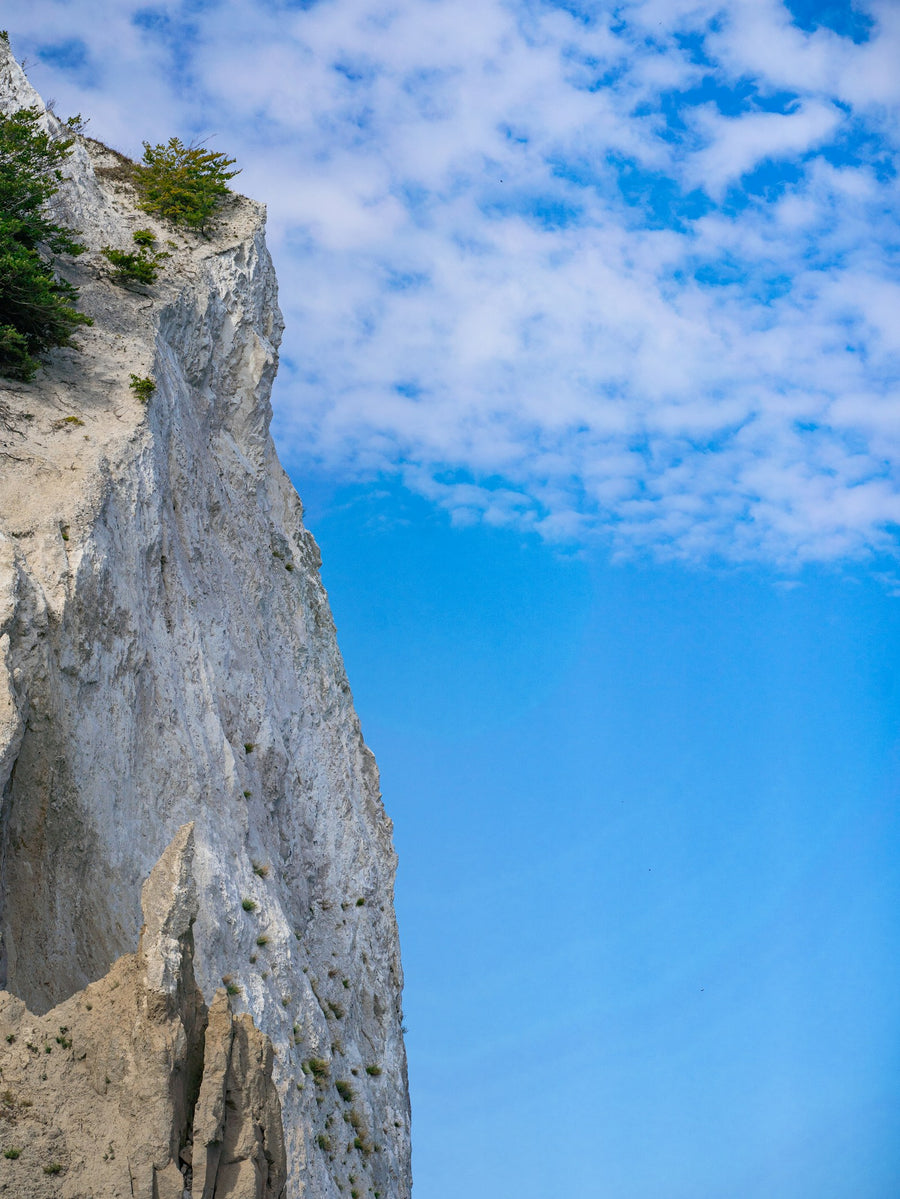
Dramatic white chalk cliffs above the Baltic Sea.
Suggested visit: Half to a full daySandy northern tip of Denmark where the Skagerrak and Kattegat meet.
Suggested visit: 2–3 hoursInteractive LEGO experience in Billund for families and design fans.
Suggested visit: Half to a full dayMajor contemporary art museum known for its rooftop rainbow panorama.
Suggested visit: 2–3 hours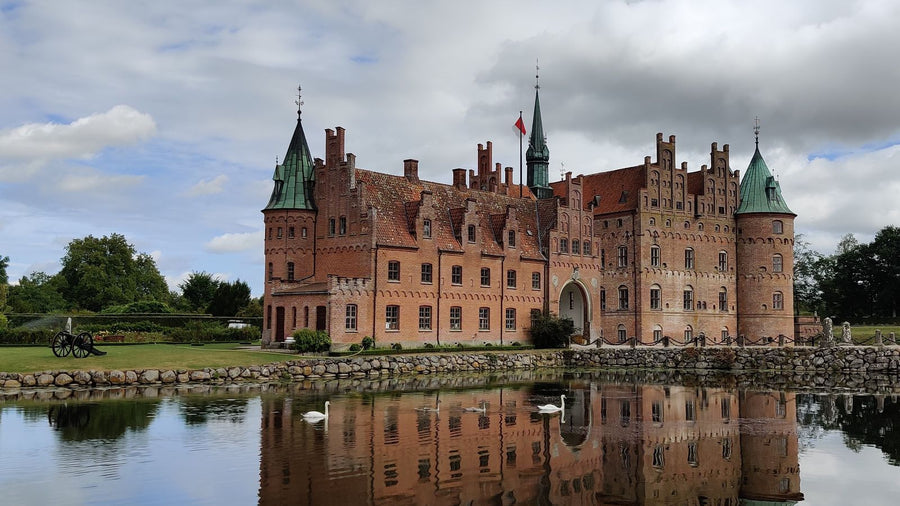
Renaissance water castle and gardens on Funen.
Suggested visit: Half to a full dayMay to September is ideal for long days, cycling and coastal trips; December is popular for Christmas atmosphere in Copenhagen.
Check dates and official sources before making travel decisions.
The Government of Canada advises exercising a high degree of caution in Denmark due to the threat of terrorism. Review the latest official advice before departure and follow local authorities’ instructions.
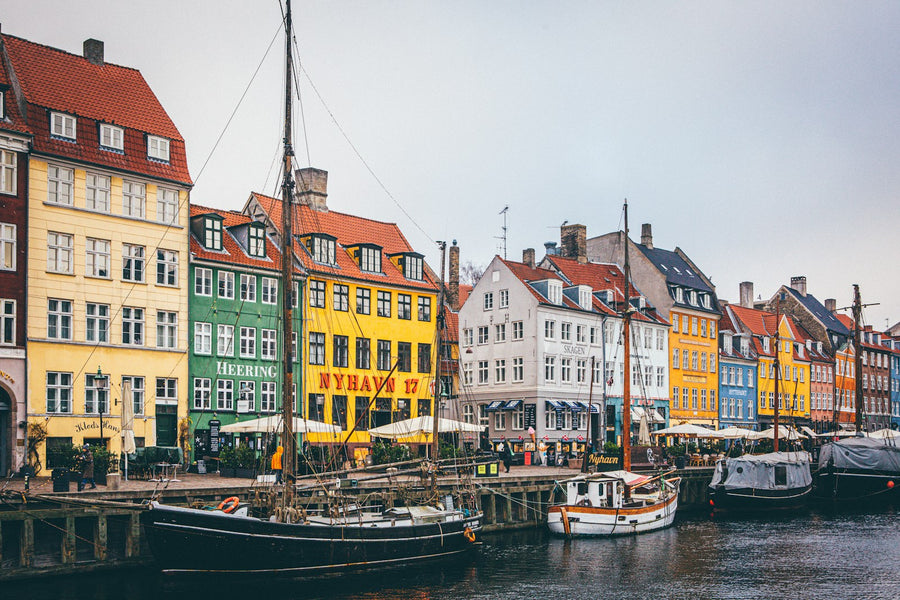
Explore Copenhagen, Funen and Jutland with practical Denmark itineraries, seasonal planning, official resources and verified eSIM options.


