
Finland eSIM
Fixed data plansReliable data for your Finland trip


Europe
Helsinki, Lapland, lake escapes and practical travel planning
Finland uses the euro. Check card acceptance and keep a backup payment method for remote stops.
Finnish and Swedish are official languages. English is widely used in visitor services, with availability varying by location.
Helsinki is the capital and a practical starting point for southern Finland.
Call 112 for emergencies. Save your accommodation address and precise activity location.
230 V, 50 Hz; Types C and F. A plug adapter does not convert voltage.
June–August suits cities and lakes; winter activities are strongest in Lapland. Northern aurora opportunities run roughly late August–April and need darkness and clear skies.
Finland is a country of Baltic islands, forest trails, lakefront saunas and Arctic seasons. Helsinki makes an easy introduction, while Lakeland rewards slower summer journeys and Lapland suits trips built around snow, fell scenery or dark autumn nights. The best itinerary starts with a choice of season and region: a summer lake holiday and a winter stay in Levi need different transport, clothing and expectations.
Allow two or three nights for Helsinki's design districts, market halls, waterfront and public saunas. Visit Senate Square and Helsinki Cathedral, checking current sightseeing hours and admission around services. Take the ferry to Suomenlinna for an island walk through the historic sea fortress. The HSL ferry runs year-round from Market Square, but wind, daylight and winter surfaces affect the experience. Check official arrival guidance and buy the appropriate transport ticket before boarding.

Rovaniemi is a practical base for Santa Claus Village and guided Arctic outings. The village operates year-round; individual businesses have separate schedules, prices and booking arrangements. Snow activities depend on seasonal conditions. Levi is a separate resort in Kittilä, with skiing, winter excursions and fell walks. It is not a quick neighbourhood stop from Rovaniemi: choose your base deliberately and arrange transfers. Three or four nights in one base gives more flexibility if weather affects an activity.
Turku combines its medieval castle with the Aura riverside and onward archipelago trips. Allow extra time for seasonal island connections. Tampere works well for a one- or two-night break focused on museums, rapids, lakes and sauna culture. Porvoo is a rewarding Helsinki day trip or overnight stay: explore the historic streets, riverside and cafés, allowing for cobbles and hills. Check the local visitor guide for sights and practical planning.
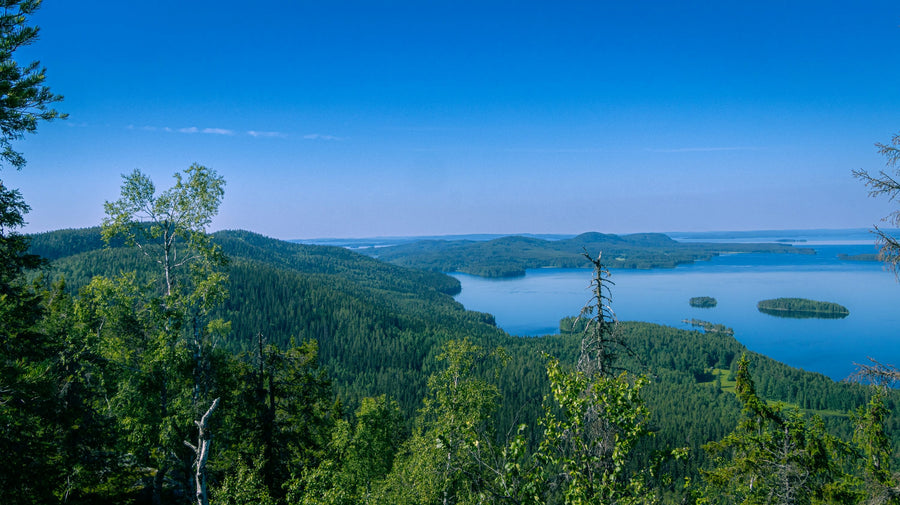
Savonlinna is a useful Lake Saimaa base, pairing Olavinlinna Castle with seasonal cruises and quiet lake time. Kuopio offers another Lakeland stop, with harbour life and Puijo views. Jyväskylä suits architecture and waterfront walks. Koli National Park overlooks Lake Pielinen in North Karelia; its gateway village is in Lieksa, rather than Kuopio. Check park notices and route conditions before choosing a viewpoint walk. Vaasa is a gateway to the Kvarken Archipelago, which needs onward transport and its own weather-aware outdoor plan. Oulu offers an alternative northern coastal city stop.
| Season | Good trip focus | Plan around |
|---|---|---|
| March–May | Southern city breaks and, earlier in the period, late-season Lapland snow activities | Different thaw dates; snow, ice and muddy trails can coexist across regions |
| June–August | Cities, lakes, islands, hiking and long daylight | Seasonal boats, summer events, insects and bright nights |
| September–November | Autumn colours, museums and northern aurora opportunities | Shortening days, variable trail conditions and limited snow early in the season |
| December–February | Lapland winter stays, skiing and guided snow experiences | Cold, limited daylight and peak holiday bookings; southern snow is less dependable |
Northern Lights opportunities in northern Finland run roughly from late August to April. Darkness, clear skies and aurora activity must align, so no sighting is guaranteed. The midnight sun is an Arctic summer phenomenon; southern Finland has very long daylight without the same continuous sun. Use Visit Finland's seasonal guidance to match experiences to your dates and location.

Helsinki Airport is the main international gateway. Rail is useful between many major cities, while domestic flights can reduce long north–south journeys. VR night trains serve northern destinations including Rovaniemi, Kolari and Kemijärvi; the station is not necessarily your final resort, so check onward buses or transfers. Book the actual route and date before committing to accommodation.
For Helsinki, use HSL's journey planner and ticket guidance for airport links, local transport and the Suomenlinna ferry. Intercity buses fill gaps in the rail network. A car helps with remote cottages, parks and some lake itineraries, while city breaks can be straightforward without one. In winter, consider your driving experience and check Fintraffic road information. Leave time for changing conditions and do not assume a summer driving schedule will work in snow.
The current weather block uses Helsinki as its reference location. It should not be treated as a forecast for Rovaniemi, Levi or every lake district. Check the Finnish Meteorological Institute for your exact destination, warnings and outdoor conditions. Winter cold, wind and short daylight affect both sightseeing and phone battery life.
Pack layers and a waterproof outer shell throughout the year. Summer lake trips benefit from insect repellent and an eye mask. Winter trips need insulated footwear, thermal layers, mittens and a warm hat; check which clothing your excursion operator supplies. Use appropriate traction on icy paths and follow local guidance. Frozen lakes and sea ice are not automatically safe walking routes. For parks, check current closures, fire warnings and protected-area restrictions before setting out.
Finland uses the euro (EUR). Finnish and Swedish are official languages, and English is widely used in visitor services. Emergency assistance is reached on 112. Confirm passport, visa and other entry requirements for your nationality through Finland's Ministry for Foreign Affairs before travel.
Reserve popular winter excursions, peak holiday accommodation and major summer events early. For castles, churches, museums and cruises, check current hours and admission rather than assuming every attraction operates daily. Olavinlinna's towers require a guided tour; historic buildings and cobbled towns can have access limitations. Ask venues about your specific mobility needs. For a public sauna, check booking rules, swimsuit policy and what to bring; follow the venue's guidance on swimming and cold-water access.
Finland uses Type C and F plugs with a 230 V, 50 Hz supply. Bring an appropriate adapter if your plugs differ. Check each charger's input label: a plug adapter changes the connection but does not convert voltage. A power bank is useful for long outings, especially in cold weather.
Compare the Finland eSIM for a defined data allowance with the Finland Unlimited eSIM. For a multi-country itinerary, compare the Europe eSIM and Europe Unlimited eSIM, checking the selected plan's current country coverage before purchase.
As a planning estimate, 5–10 GB can suit a week of maps, messaging and browsing; video, uploads and hotspot use can consume much more. Read the selected plan's validity, activation, hotspot and fair-use terms. Unlimited plans can include a daily high-speed allowance followed by reduced speeds. Confirm that your device supports eSIM and is network-unlocked, follow installation instructions and keep a copy available offline. Download maps before remote trips; mobile reception varies by location and terrain.
Usually not for Helsinki or a route between major cities. A car or arranged transfer can help with cottages, national parks and remote Lapland stays. Check last-mile connections before booking.
Rovaniemi suits Santa Claus Village and a city-based Lapland stay. Levi suits a resort-based trip with skiing and winter excursions. They are separate bases; choose around activities, arrival airport and transfers.
Sightings can occur, but northern Finland is a stronger choice for an aurora-focused trip. Allow several dark nights and keep expectations flexible around cloud and solar activity.
No. It is a year-round destination, but individual businesses and snow activities have their own operating schedules and booking requirements.
No. Check a local forecast for each base, especially when travelling between the southern coast and the far north.
Match the allowance and validity to your actual usage. Compare fair-use and hotspot terms for heavier use, and confirm country coverage for a regional Europe plan.
Last reviewed: 19 October 2026. Transport schedules, opening hours, entry rules and plan details can change. Check the linked official sources and current product terms before booking.
Get mobile data for your Finland trip with a local or region-wide eSIM.
Reliable data for your Finland trip

Unlimited data, no daily limits


TravelFi editorial destination ratings.
TravelFi editorial planning score, not an official rating. Strong city breaks in Helsinki, Turku and Tampere.
TravelFi editorial planning score, not an official rating. Extensive forests, lakes and national parks; seasons and access affect activities.
TravelFi editorial planning score, not an official rating. Lapland offers varied winter experiences; suitable clothing, bookings and weather flexibility matter.
TravelFi editorial planning score, not an official rating. Family-friendly museums and seasonal experiences; check operator age and safety requirements.
TravelFi editorial planning score, not an official rating. Good city and intercity connections; remote parks and resorts require last-mile planning.
230 V · 50 Hz
Two round pins. Usually ungrounded.
Two round pins with side grounding contacts. Often called the Schuko plug.
GroundedFinland uses Type C and F sockets. Travellers from North America, the UK and many other regions need a plug adapter.
Check the input label on each device. A plug adapter does not convert voltage; equipment must support Finland's 230 V, 50 Hz supply.
Forecast location: Helsinki
Helsinki's maritime conditions do not represent all Finland. Inland areas and Lapland can be much colder, with different snow and daylight patterns. Check the exact destination forecast and warnings before outdoor travel.
Loading current weather…
Places to include in your Finland itinerary.
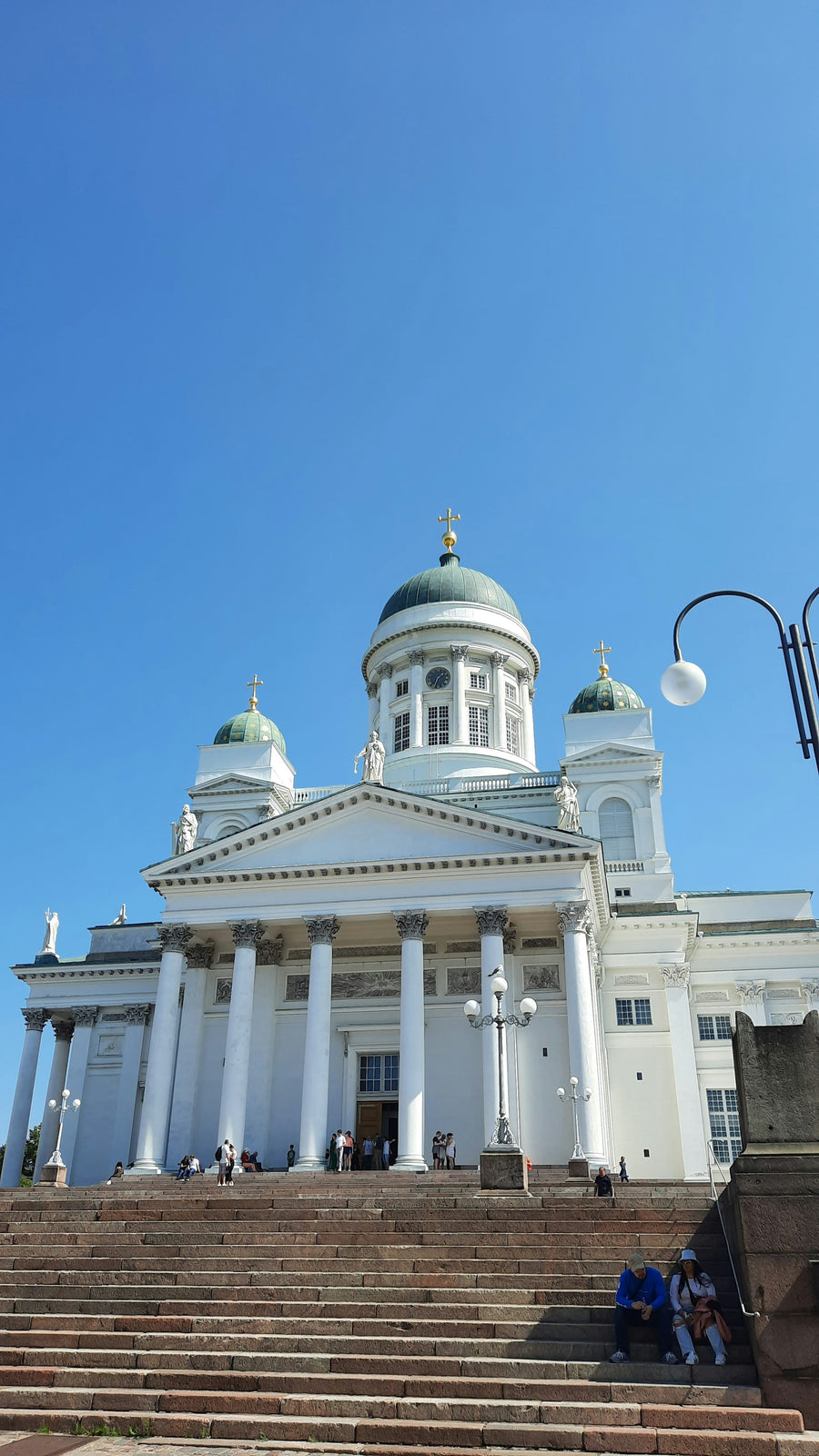
Finland's capital for design, architecture, islands, food and public saunas.
Suggested stay: 2–3 nights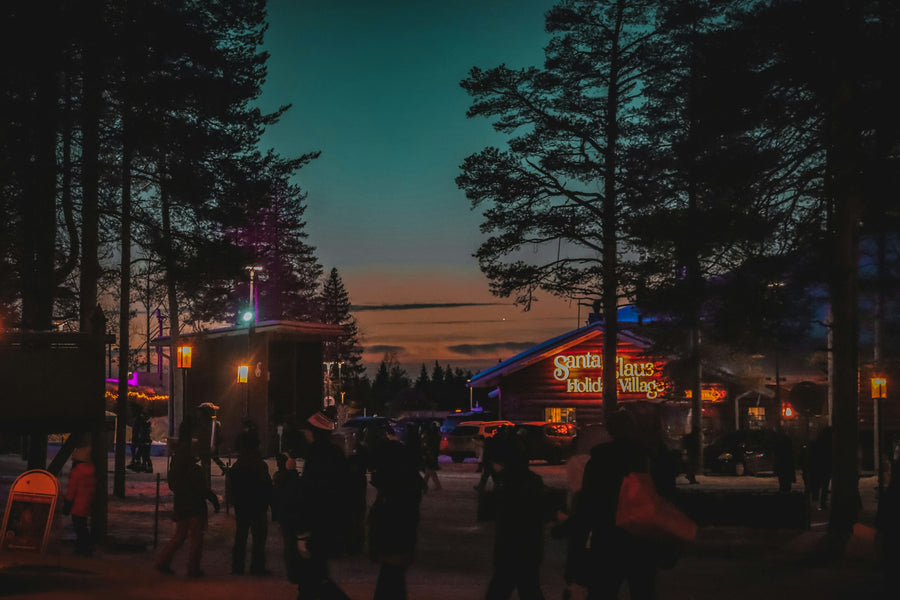
Lapland gateway for Arctic winter experiences, Santa Claus Village and Northern Lights trips.
Suggested stay: 3–4 nights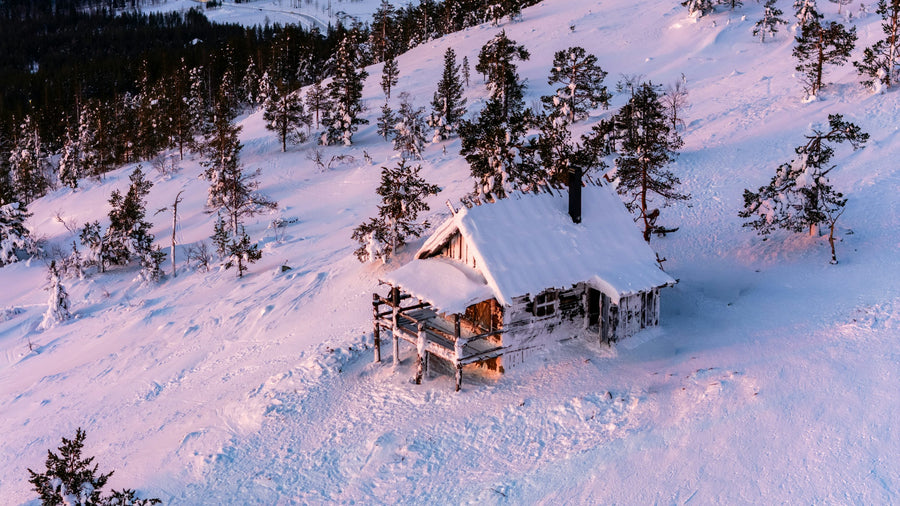
Resort village in Kittilä for skiing, winter excursions and fell landscapes.
Suggested stay: 3–4 nights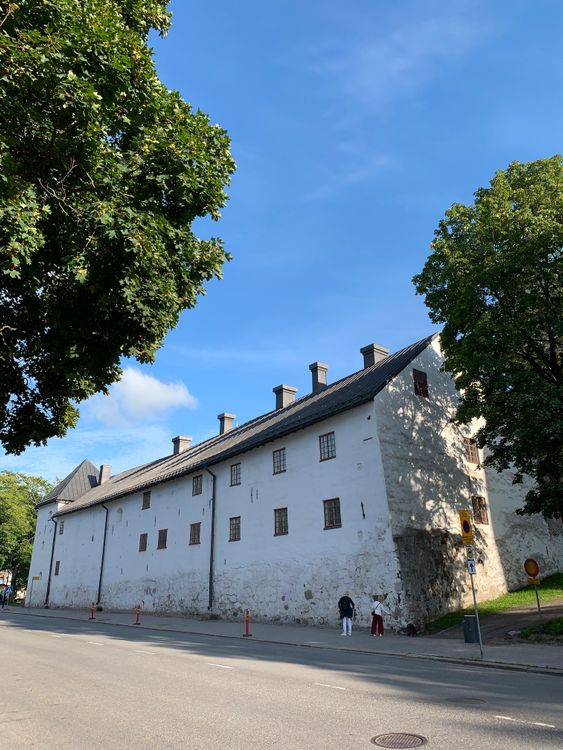
Historic former capital and gateway to Finland's southwest archipelago.
Suggested stay: 1–2 nights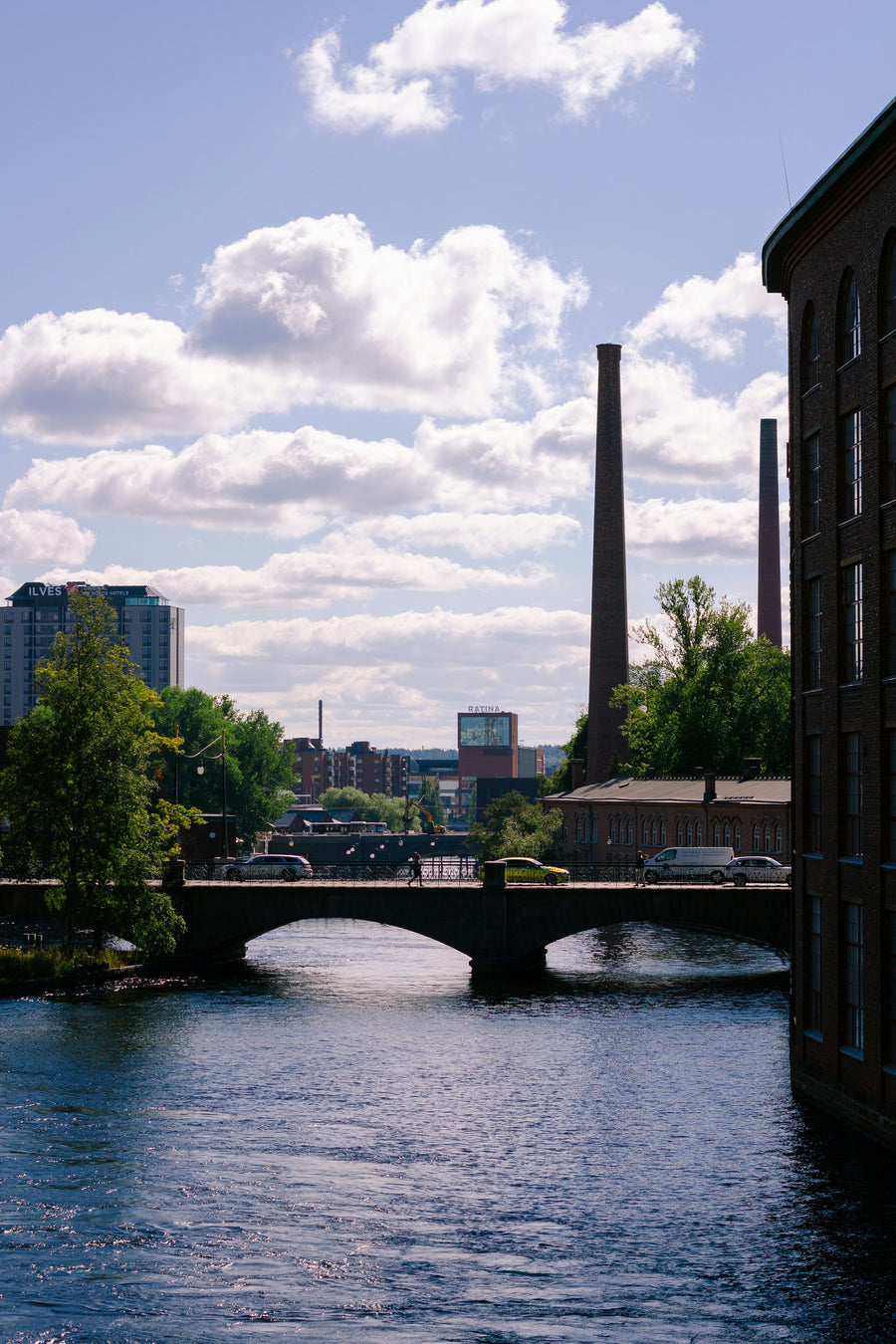
Lakeside city known for sauna culture, museums and industrial heritage.
Suggested stay: 1–2 nights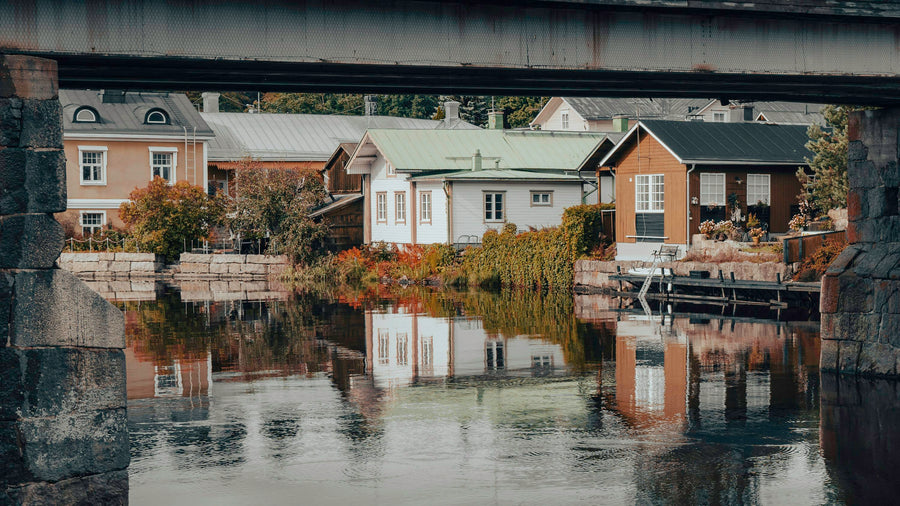
Picturesque old town of wooden houses and riverside warehouses near Helsinki.
Suggested stay: Day trip or 1 night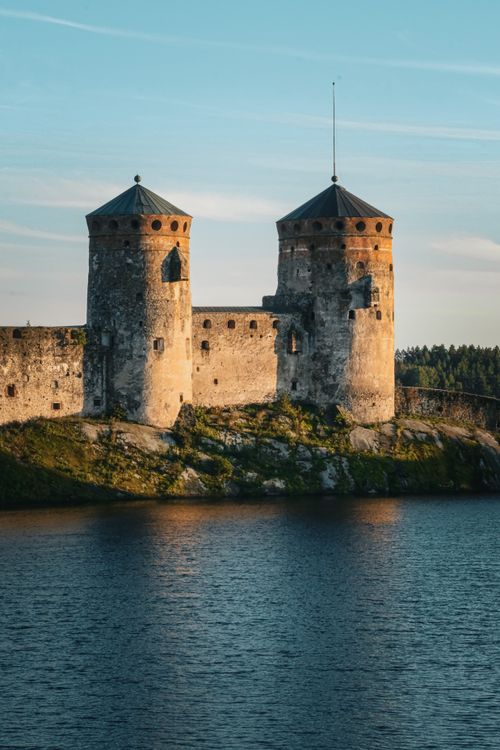
Lake Saimaa destination dominated by medieval Olavinlinna Castle.
Suggested stay: 2–3 nights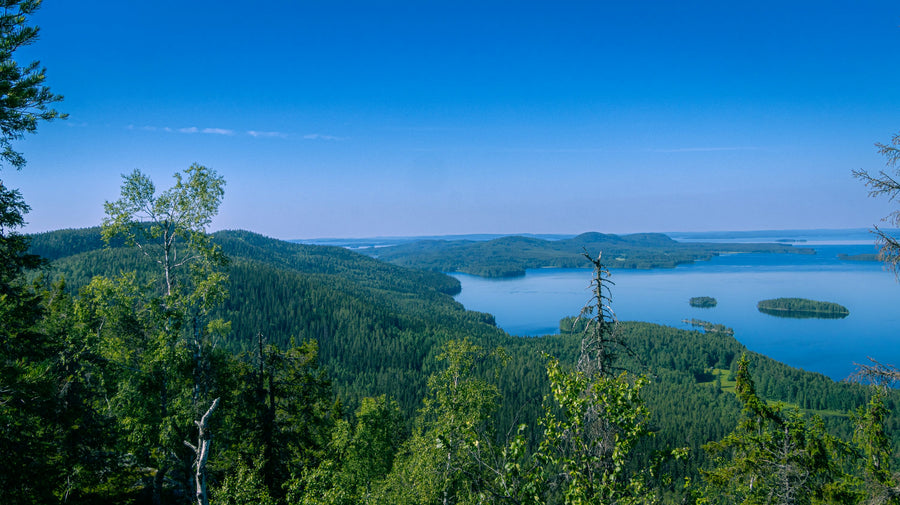
Village in Lieksa and gateway to Koli National Park and Lake Pielinen.
Suggested stay: 1–2 nights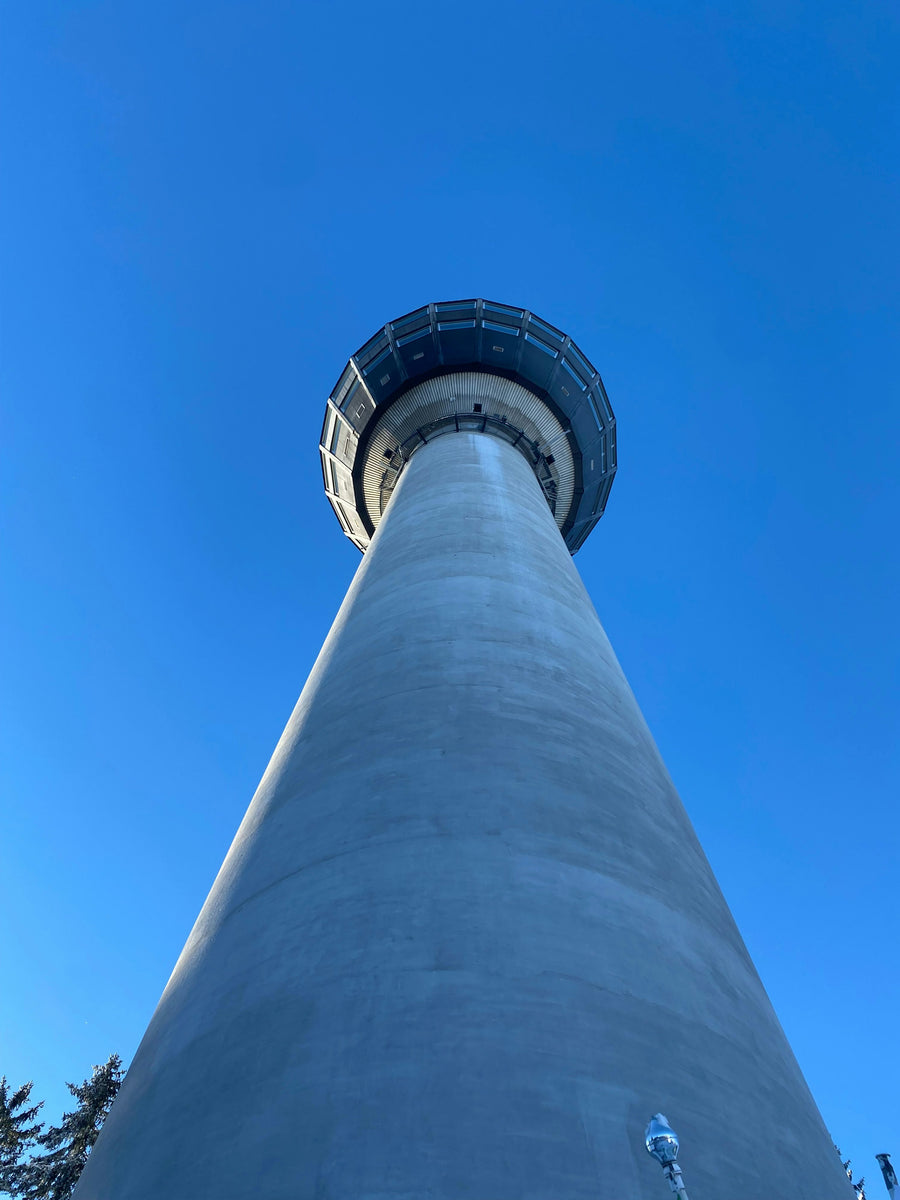
Eastern Lakeland city surrounded by forests and water, with strong sauna and outdoor culture.
Suggested stay: 1–2 nightsFeatured experiences and landmarks.
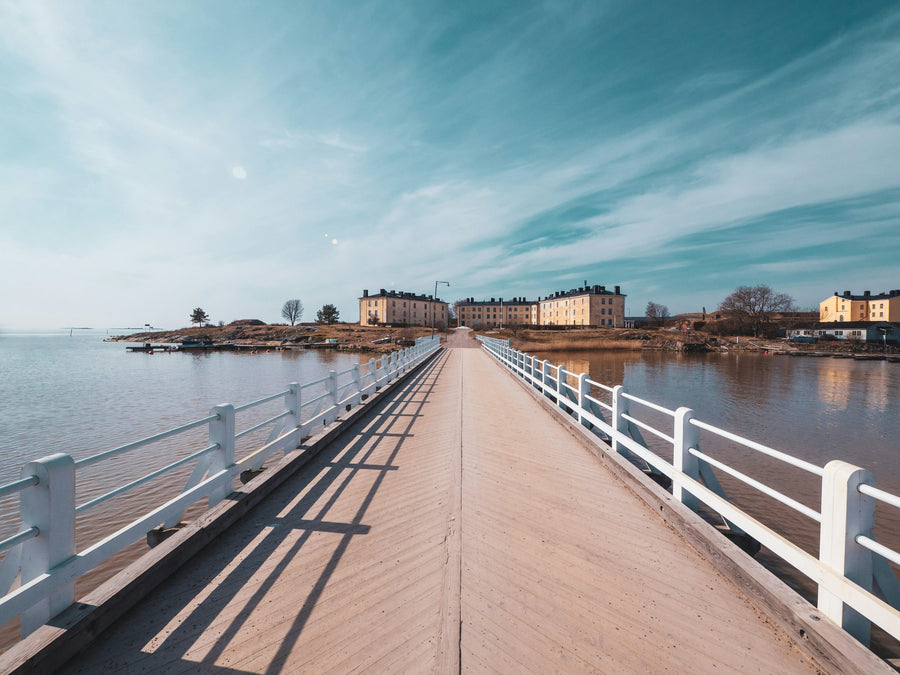
Historic island fortress reached by ferry from central Helsinki.
Suggested visit: 3–4 hoursArctic Circle attraction in Rovaniemi and a major Lapland winter destination.
Suggested visit: Half to full dayMajor Lapland base for skiing, aurora viewing and Arctic activities.
Suggested visit: 3–4 nightsNeoclassical landmark ensemble in central Helsinki.
Suggested visit: 1–2 hoursMedieval island castle at Savonlinna in Finnish Lakeland.
Suggested visit: 2–3 hoursClassic Finnish lake-and-forest panoramas with hiking and winter activities.
Suggested visit: Half to full dayLarge medieval castle illustrating centuries of Finnish history.
Suggested visit: 2–3 hoursWooden old town with cobbled streets and iconic riverside warehouses.
Suggested visit: Half day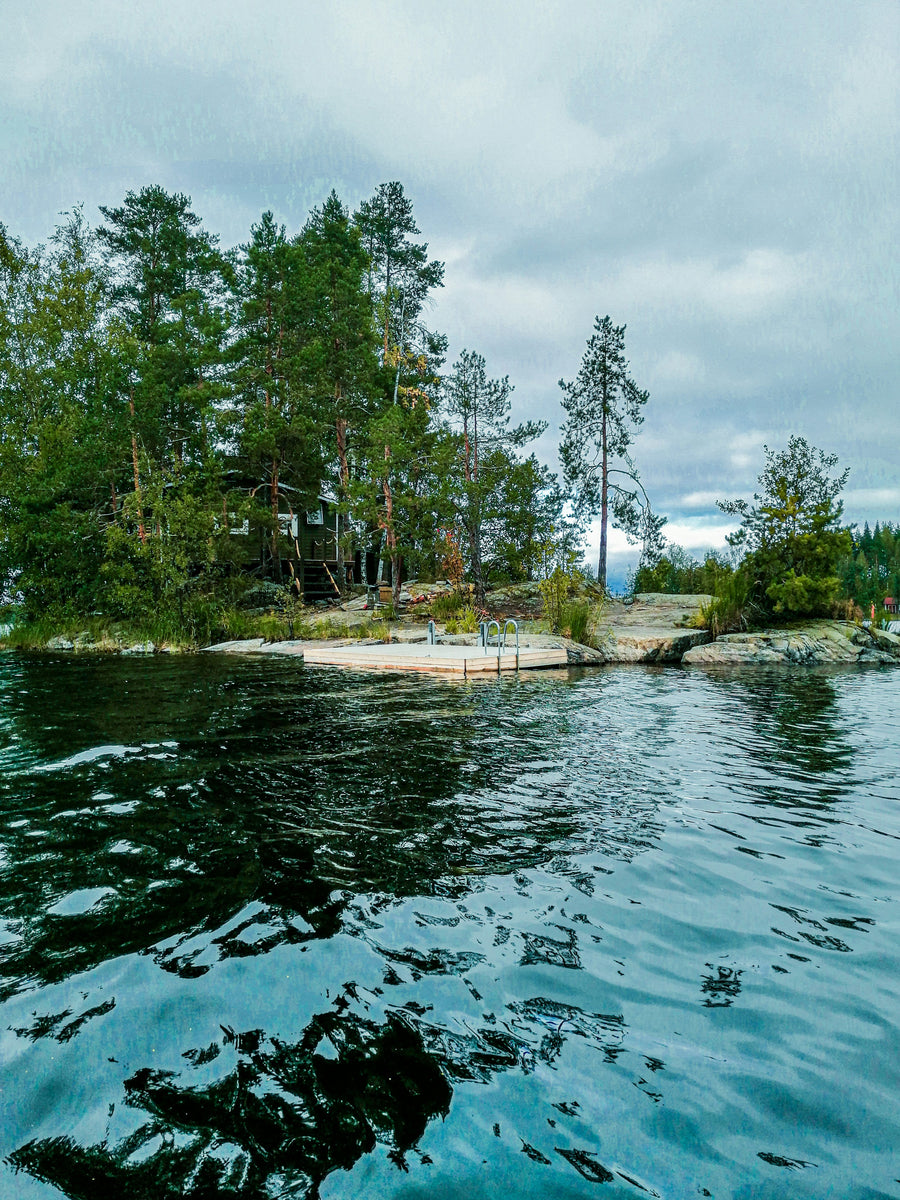
Finland's largest lake region for cottages, boating, sauna and wildlife.
Suggested visit: 1–3 daysJune–August for cities, islands and lakes. December–March for Lapland winter activities, subject to snow and operator schedules. Northern Lights opportunities in the north roughly late August–April require dark, clear skies and are never guaranteed.
Check dates and official sources before making travel decisions.
As of August 10, 2026, Government of Canada advice for Finland is to take normal security precautions. Review official guidance before departure.
Plan Finland with Helsinki, Lapland, Levi, Lakeland and Koli: practical routes, seasonal advice, weather, transport, official resources and eSIM op...


