
Indonesia eSIM
Fixed data plansReliable data for your Indonesia trip


Asia
Bali, Java, volcanoes, islands and practical trip planning
Indonesia's principal capital and largest metropolitan area.
Cards are common in major cities and resorts, while cash remains useful on smaller islands and in local markets.
Many regional languages are also spoken across the archipelago.
Indonesia spans three official time zones.
Use +62 before Indonesian phone numbers when calling internationally.
Longer trips allow travellers to combine Bali or Java with another island region.
Indonesia is a vast archipelago combining Bali beaches, Javanese temples, active volcanoes, marine parks, rainforest and distinctive island cultures. Because journeys often involve flights, ferries and local transfers, dependable mobile data is especially useful for maps, ride-hailing, accommodation messages and schedule changes.
Get connected before arrival: compare the Indonesia fixed-data eSIM and the Indonesia unlimited-data eSIM. Travellers combining several Asian countries can also consider the Asia regional fixed-data eSIM or Asia regional unlimited eSIM.
Combine Ubud's temples and rice terraces with southern beaches, cultural performances and day trips. Denpasar is the main air gateway, while Ubud is a practical inland base.
Yogyakarta is a major centre for Javanese arts, food and heritage. Borobudur and Prambanan are the headline day trips, and advance booking is sensible during busy periods.
Mount Bromo and Ijen Crater are among Indonesia's most memorable volcanic landscapes. Surabaya and Malang provide useful transport connections, but early departures and weather-ready packing are important.
Labuan Bajo is the gateway to Komodo National Park. Boat itineraries range from day trips to multi-day cruises, and reservations should be made with reputable operators.
Lake Toba offers volcanic scenery and Batak culture, while Raja Ampat is a premium remote destination for diving and marine biodiversity. These regions require additional transport planning and offline backups.
May to September is generally the driest period across Java, Bali and many central islands. October and November are transitional, while December to March is wetter in many popular western destinations. Regional patterns differ, so check forecasts for each island rather than relying on one national outlook.
Indonesia generally uses Type C and Type F sockets with 230 V and 50 Hz electricity. Travellers using other plug shapes should carry a universal adapter and confirm that devices support 230 V.
For a typical two-week itinerary, 10–20 GB is suitable for maps, messaging, bookings and moderate social media use. Unlimited data is better for frequent video, hotspot use, remote work or navigation-heavy multi-island travel.
View fixed-data Indonesia plans or compare unlimited Indonesia plans. Install before departure and follow the plan's activation instructions.
Yes. Mobile data is useful for navigation, transport apps, translation, bookings and communication across a multi-stop itinerary.
Fixed data is usually economical for maps, messaging and normal browsing. Unlimited data is better for video, hotspot use or remote work.
May through September generally provides the driest conditions, although July and August are among the busiest months.
Travellers whose devices do not use Type C or F plugs generally need an adapter. Check voltage compatibility as Indonesia uses 230 V.
Yes, but avoid adding too many transfers. Ten to twenty-one days allows a more comfortable combination of Bali or Java with one additional island region.
Ready to travel? Select an Indonesia eSIM plan and keep maps, reservations and messages available throughout your trip.
Get mobile data for your Indonesia trip with a local or region-wide eSIM.
Reliable data for your Indonesia trip

Unlimited data, no daily limits


TravelFi editorial destination ratings.
Strong in cities and established tourism areas, with more variable service on remote islands.
Accommodation, food and local transport can offer excellent value outside premium resort zones.
Volcanoes, reefs, rainforest, beaches and wildlife create exceptional outdoor variety.
Distinct island traditions, temples, historic sites, crafts and food cultures.
Resorts, beaches, wildlife and cultural activities suit families, though transfers between islands require planning.
230 V · 50 Hz
Two round pins. Usually ungrounded.
Two round pins with side grounding contacts. Often called the Schuko plug.
GroundedIndonesia generally uses Type C and Type F sockets. Travellers using North American, British or Australian plugs should carry a compatible universal adapter.
Devices designed only for 100–120 V require a voltage converter unless their power adapter explicitly supports 230 V.
Forecast location: Jakarta, Indonesia
Indonesia has predominantly tropical climates shaped by monsoon patterns, elevation and island geography. Temperatures are warm year-round, while rainfall timing differs substantially between western, central and eastern islands.
Loading current weather…
Places to include in your Indonesia itinerary.
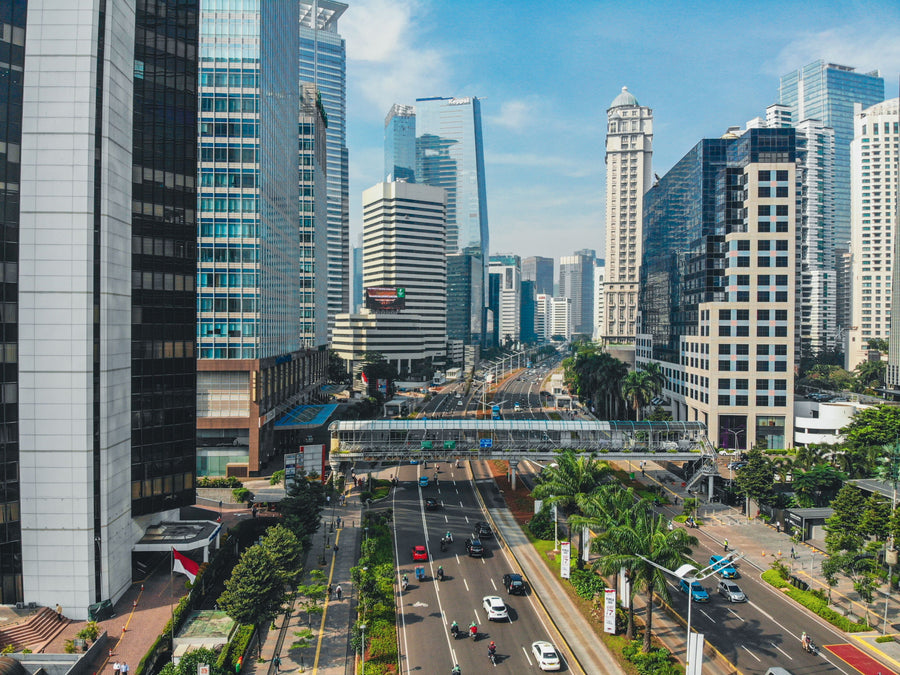
Indonesia's largest city and main international gateway, known for museums, shopping, food and urban culture.
Suggested stay: 2–3 days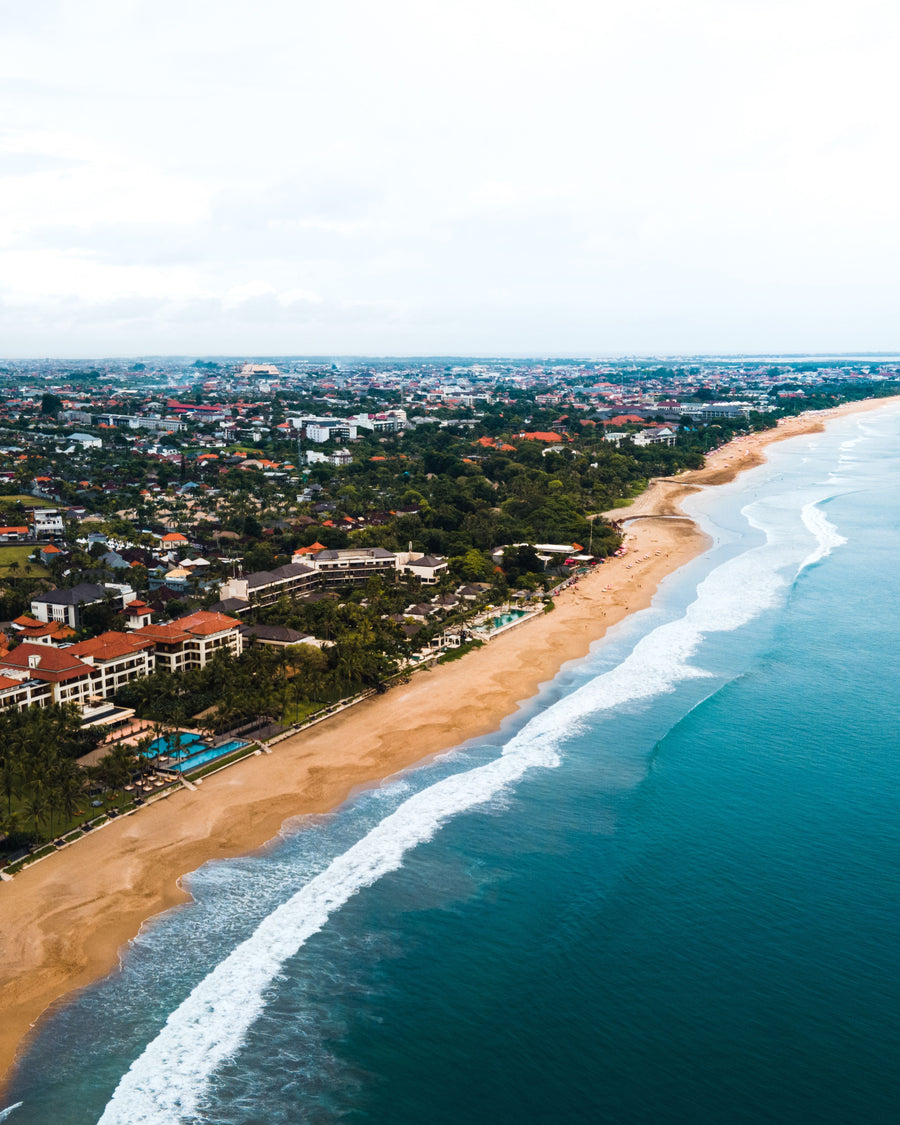
Bali's administrative and transport centre, providing access to beaches, temples and southern Bali resorts.
Suggested stay: 1–2 days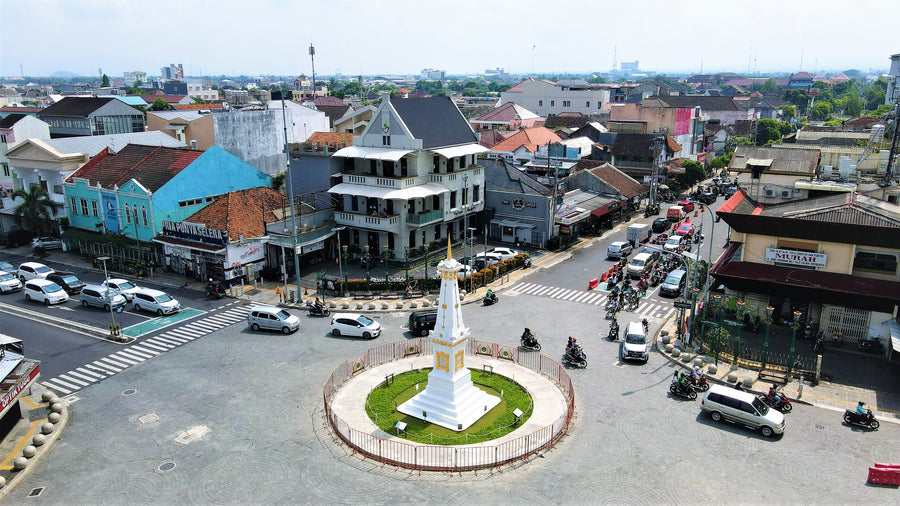
A major centre for Javanese culture, arts, food and access to Borobudur and Prambanan.
Suggested stay: 3–4 days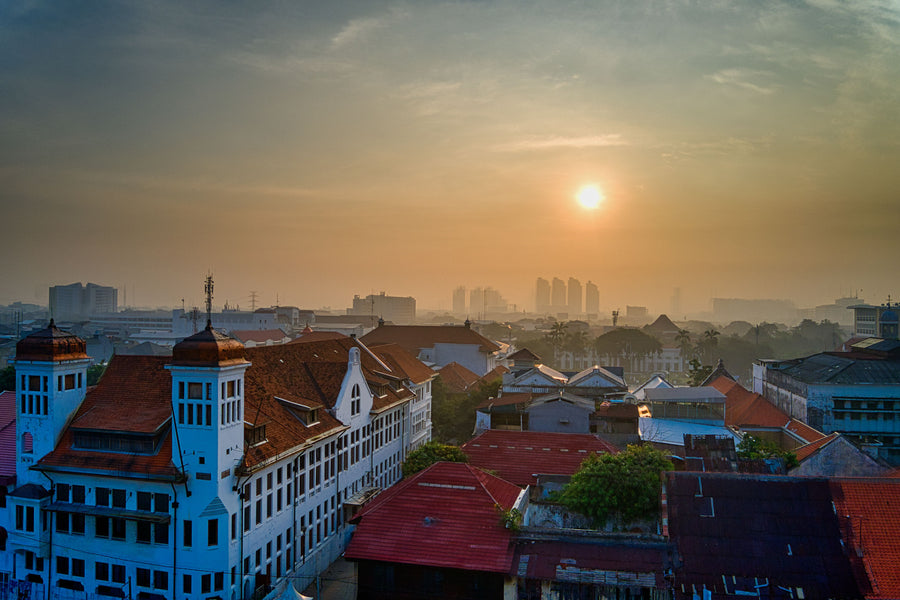
A major East Java city and practical gateway for Mount Bromo and regional travel.
Suggested stay: 1–2 days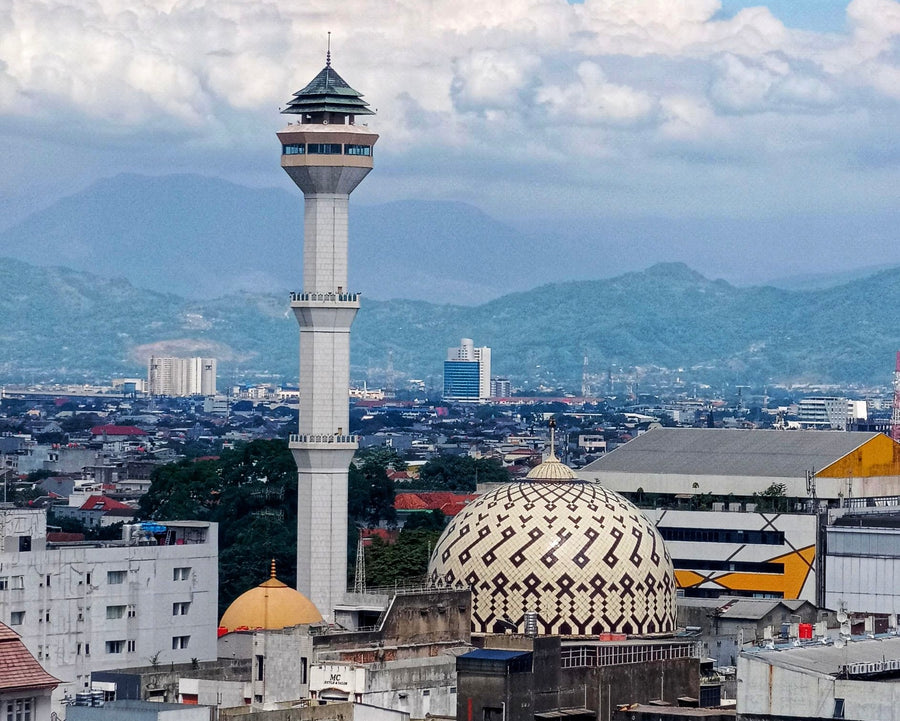
A cooler highland city known for design, food, shopping and nearby volcanic scenery.
Suggested stay: 2–3 days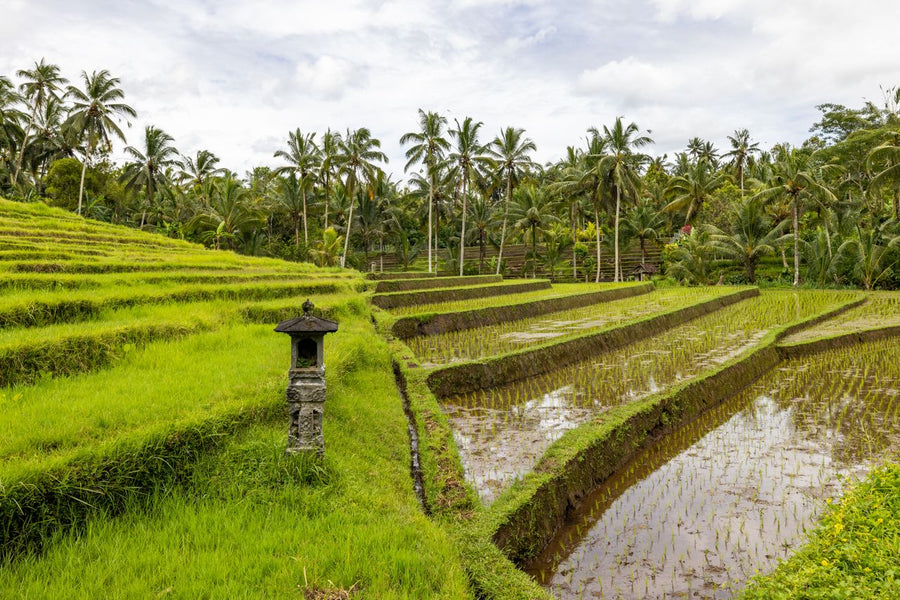
Bali's cultural centre, surrounded by temples, rice terraces, wellness retreats and crafts.
Suggested stay: 3–5 days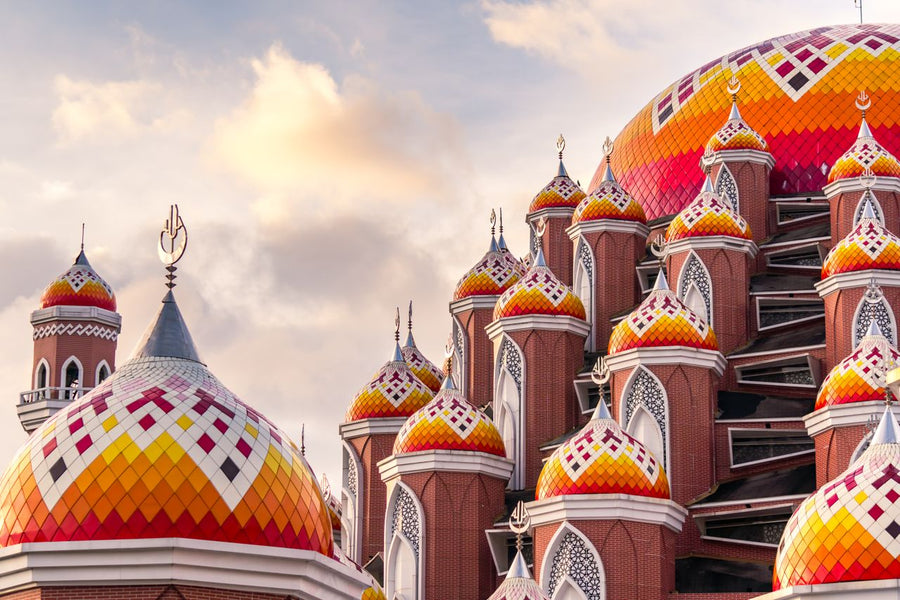
A lively port city and gateway to South Sulawesi, known for seafood and regional culture.
Suggested stay: 1–2 days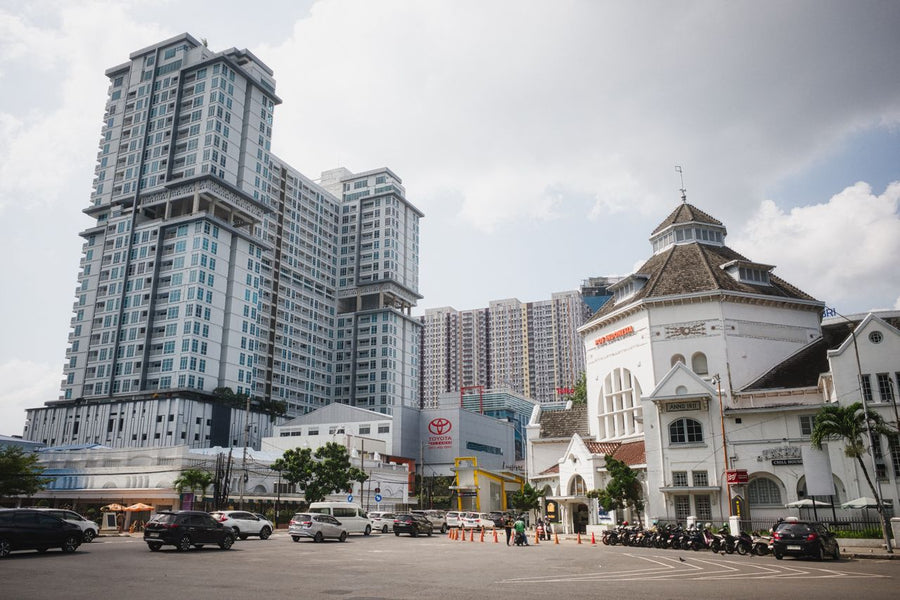
North Sumatra's main city and a gateway to Lake Toba and rainforest destinations.
Suggested stay: 1–2 days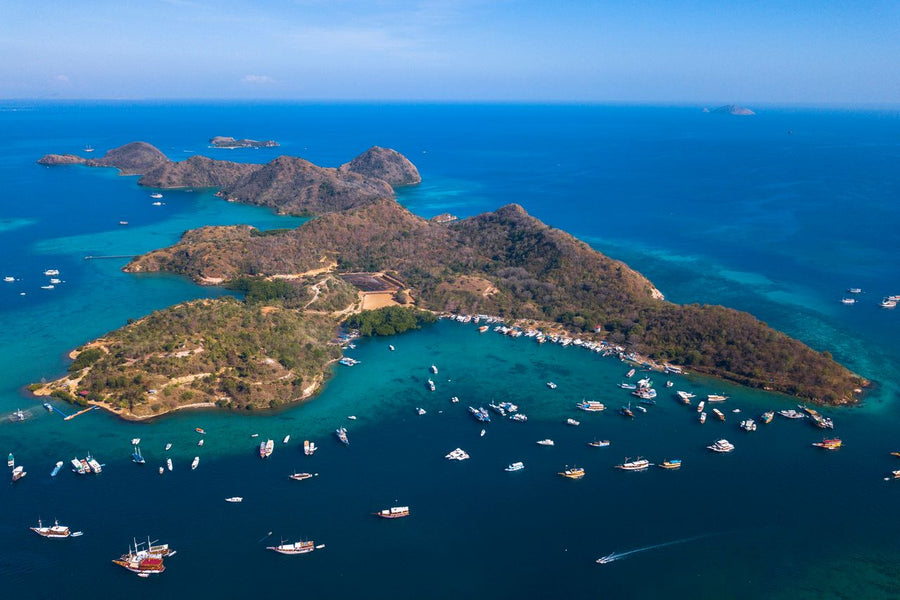
The main base for boat trips to Komodo National Park and western Flores.
Suggested stay: 3–5 daysFeatured experiences and landmarks.
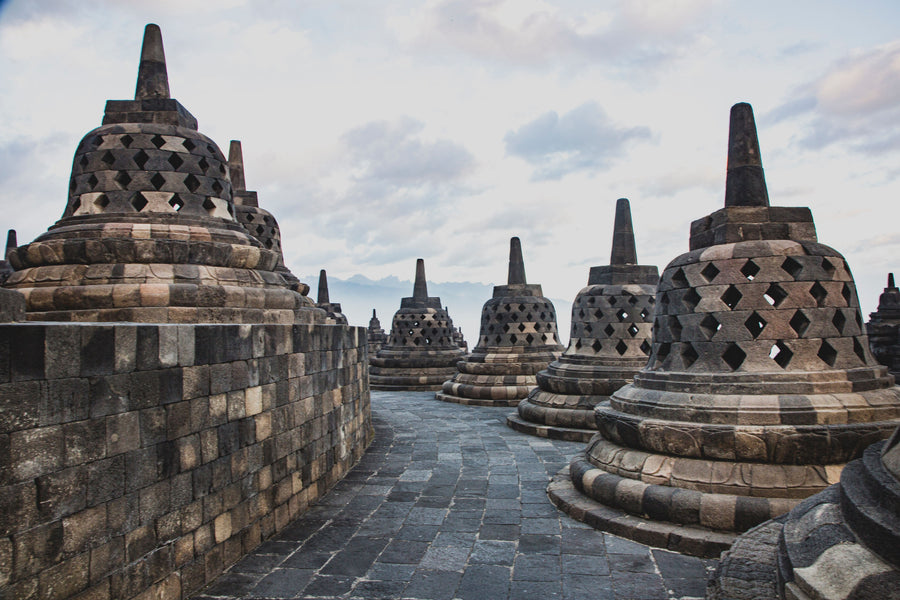
A monumental Buddhist temple complex near Yogyakarta and one of Indonesia's most important heritage sites.
Suggested visit: 3–4 hours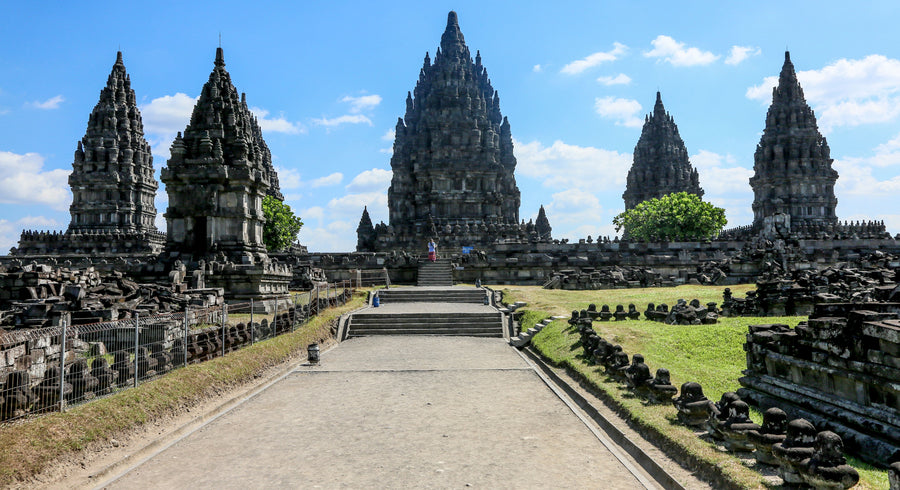
A major Hindu temple complex east of Yogyakarta, known for tall stone towers and Ramayana reliefs.
Suggested visit: 2–3 hours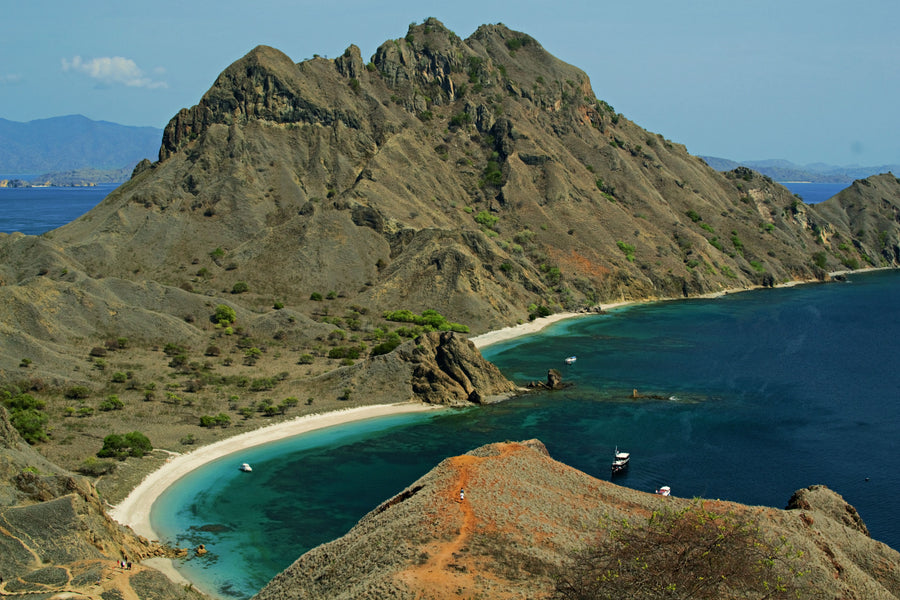
An island national park famous for Komodo dragons, marine biodiversity, hiking and boat expeditions.
Suggested visit: 1–3 days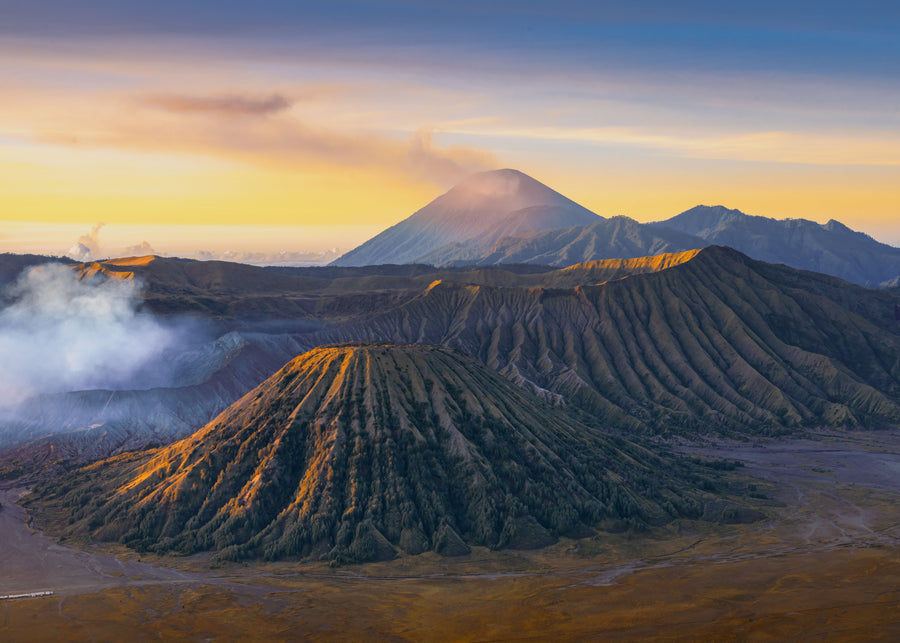
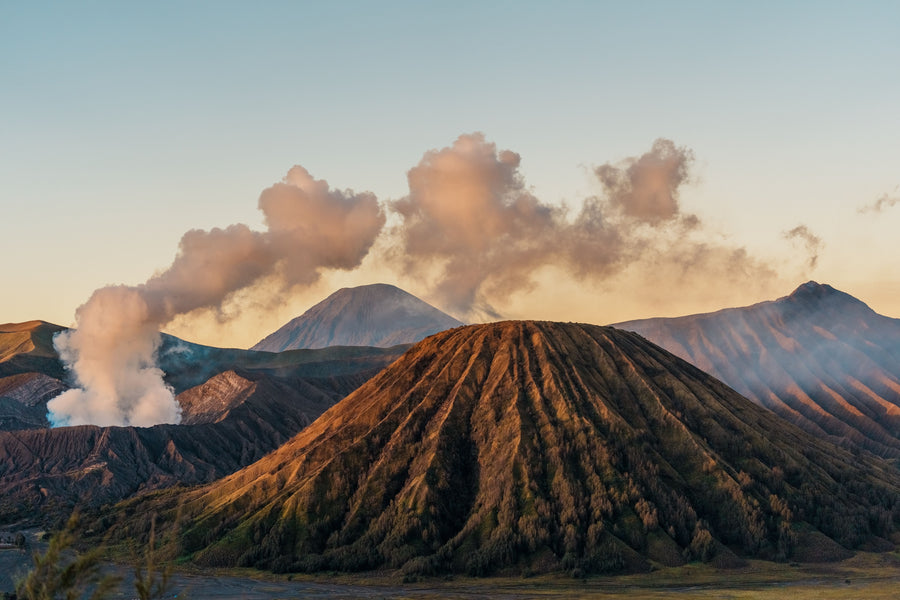
An iconic East Java volcano surrounded by a dramatic caldera, frequently visited for sunrise viewpoints.
Suggested visit: Half day to 1 day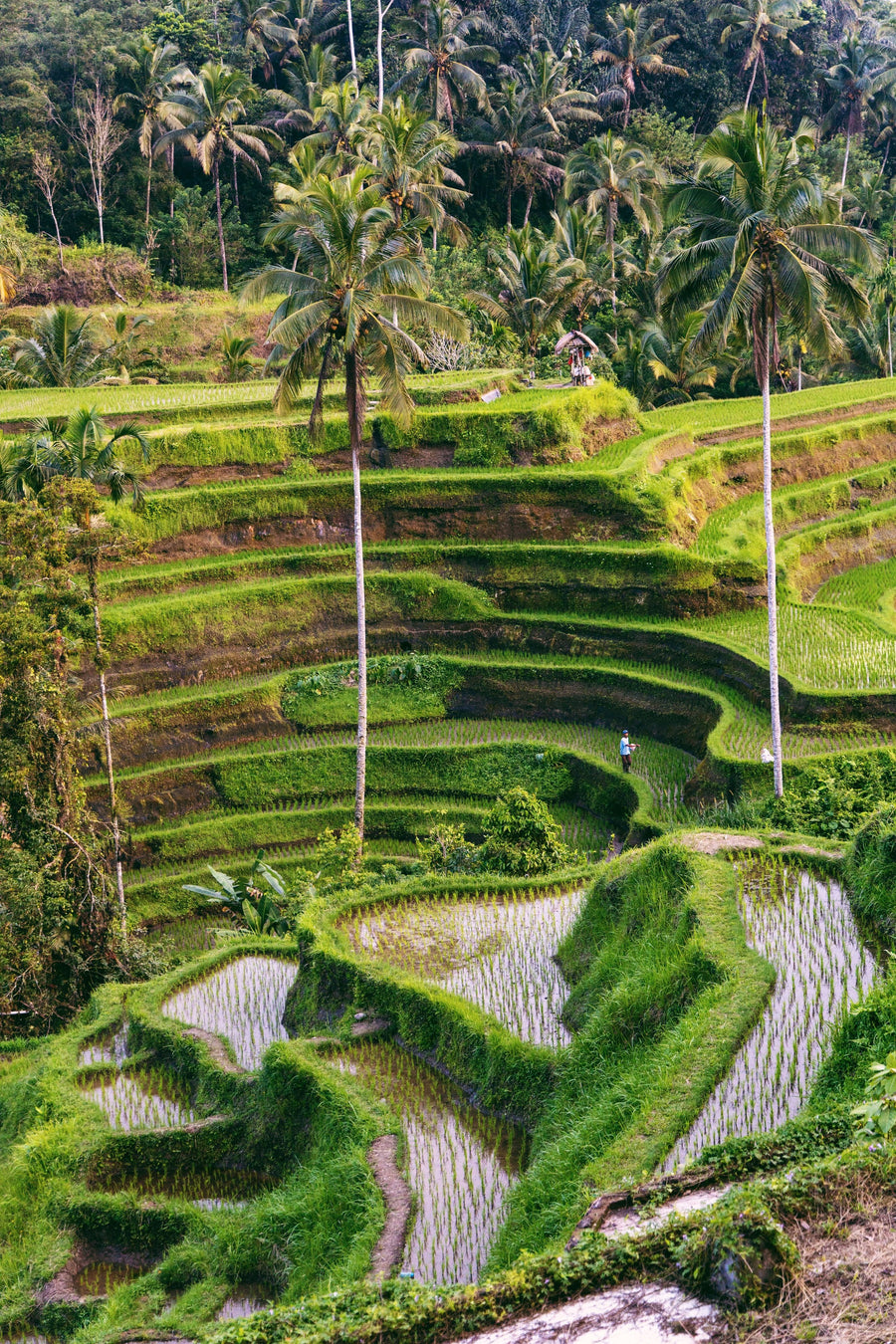
A well-known terraced rice landscape north of Ubud showcasing Bali's traditional irrigation scenery.
Suggested visit: 2–3 hours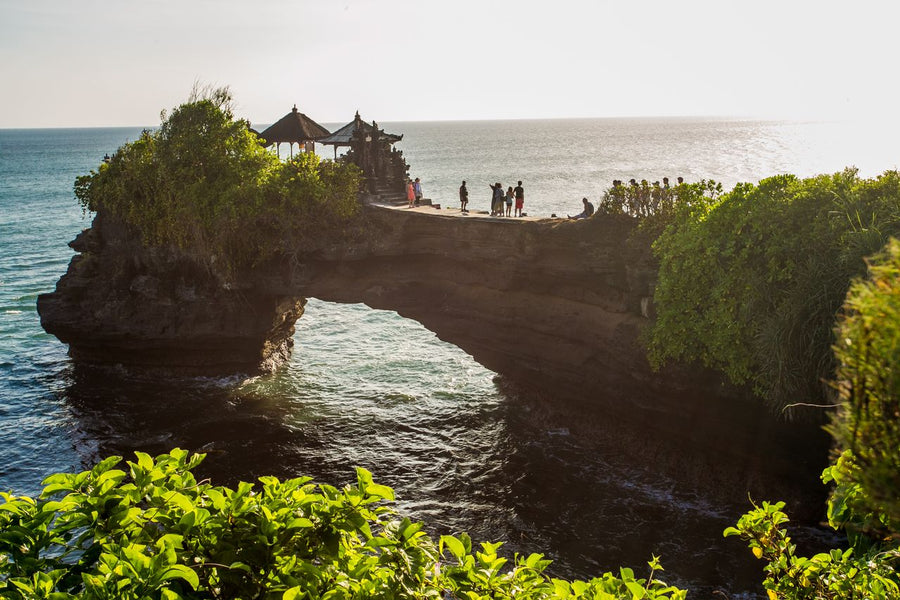
A celebrated Balinese sea temple positioned on a rocky offshore formation and popular at sunset.
Suggested visit: 2–3 hours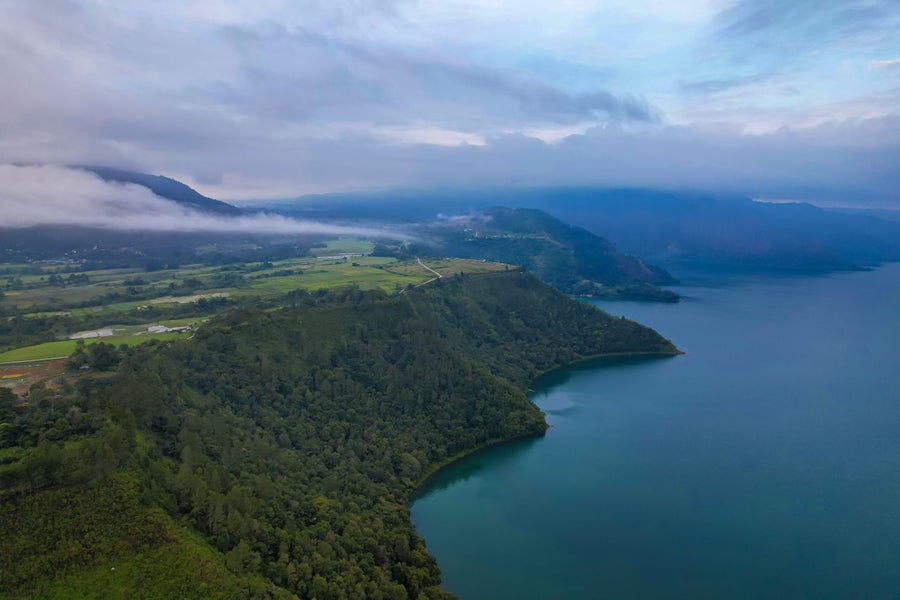
A vast volcanic lake in North Sumatra with Batak culture, mountain scenery and Samosir Island.
Suggested visit: 2–4 days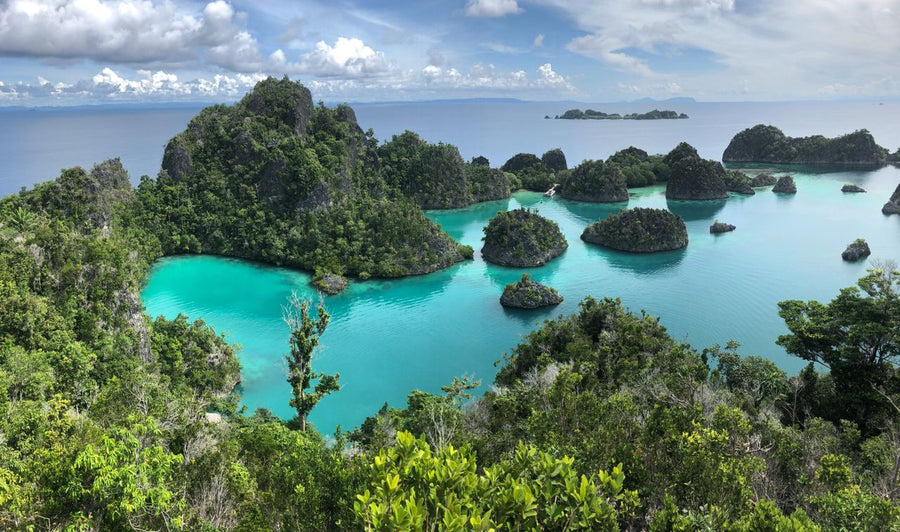
A remote West Papua archipelago renowned for coral reefs, diving, limestone islands and exceptional biodiversity.
Suggested visit: 5–10 days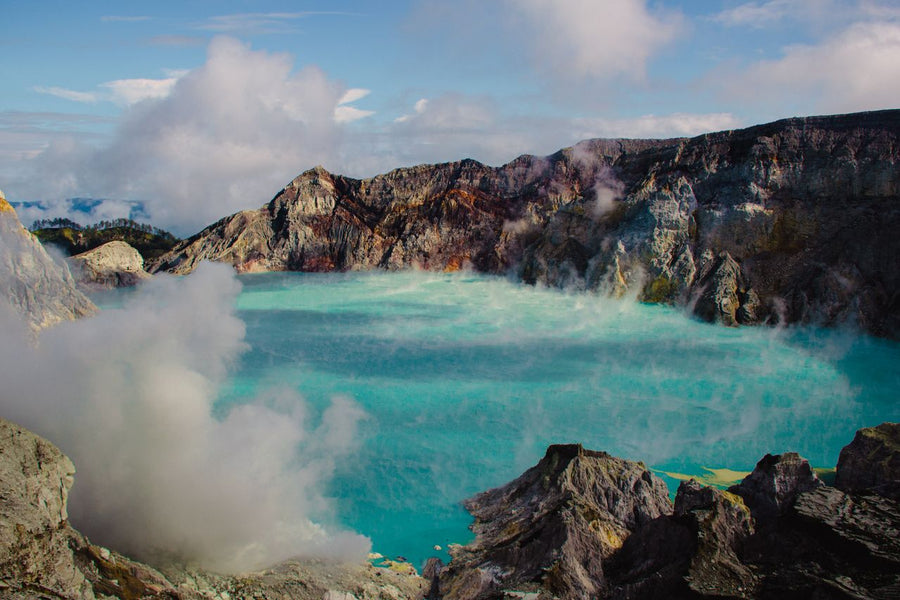
An East Java volcanic crater known for its turquoise acidic lake and challenging early-morning hikes.
Suggested visit: Half day to 1 dayMay to September is generally the driest period across Java, Bali and many central islands. Weather patterns vary across the archipelago, so travellers should plan by island and region.
Check dates and official sources before making travel decisions.
Entry requirements, volcanic or weather alerts and island transport conditions can change. Review official immigration and BMKG information before departure and before remote island journeys.
Plan an Indonesia trip across Bali, Java and other islands with advice on destinations, weather, transport, mobile data and power adapters.

