
Thailand eSIM
Fixed data plansReliable data for your Thailand trip


Asia
Bangkok, northern Thailand, beaches, islands and practical trip planning
Thailand works especially well for travellers who want to combine a major city, cultural sightseeing and a beach or island stay in one trip. Bangkok gives you temples, markets and big-city energy; the north adds Chiang Mai, Chiang Rai and mountain scenery; and the south opens into two very different coastal zones, from Phuket and Krabi on the Andaman side to Koh Samui in the Gulf of Thailand.
For a first trip, the biggest planning decision is usually not what to see, but how many regions to combine. Thailand is large enough that trying to cover Bangkok, the north and several islands in a single week can feel rushed. With 10 to 14 days, however, it becomes much easier to combine two or three distinct parts of the country without spending the whole trip in transit.
Bangkok is more than an arrival hub. It is one of Thailand’s strongest destinations in its own right, with the Grand Palace and Wat Phra Kaew, Wat Pho, Wat Arun, riverside neighbourhoods, night markets, shopping districts and a huge range of food. Three to five days gives most travellers enough time to see the major sights without turning the city into a checklist.
For first-time visitors, a strong Bangkok day might combine the Grand Palace, Wat Pho and a Chao Phraya River crossing to Wat Arun. On another day, use the BTS or MRT to explore a different side of the city, then leave time for street food, markets or a rooftop view in the evening.
Chiang Mai is one of the easiest ways to add a slower, more cultural contrast to Bangkok. The historic centre is compact enough for walking between temples, cafés and markets, while Doi Suthep gives you a mountain viewpoint and one of northern Thailand’s most recognizable temple experiences.
Chiang Rai is further north and works well as a separate two- or three-day stop for travellers interested in the White Temple, mountain scenery and the Golden Triangle region. If your trip is short, Chiang Mai usually makes the stronger first northern base; if you have two weeks or more, adding Chiang Rai becomes much easier.
Phuket has the broadest resort infrastructure of Thailand’s major islands and is convenient for travellers who want beaches, restaurants, nightlife and organized excursions in one place. It also makes a practical base for Phang Nga Bay and other Andaman boat trips.
Krabi has a different feel. Railay Beach is framed by dramatic limestone cliffs and is reached by boat, while the wider Krabi area is well positioned for island-hopping and coastal scenery. Travellers who prioritize landscapes and a slightly more relaxed beach experience often prefer combining Krabi with Bangkok or Chiang Mai.
Koh Samui is one of Thailand’s main Gulf of Thailand resort islands. It works well for longer beach stays and for travellers who want easy access to resorts, beaches and boat trips such as Mu Ko Ang Thong National Marine Park.
Do not assume that Phuket, Krabi and Koh Samui share identical weather. Thailand’s tourism and meteorological authorities emphasize regional differences, and the Gulf and Andaman coasts can experience their wetter periods at different times. Always check the local forecast for the coast you actually plan to visit.
Ayutthaya is one of the easiest heritage additions to a Bangkok itinerary. The former capital can be visited as a long day trip or an overnight stop, with temple ruins spread across the historical park. Sukhothai requires more deliberate routing but rewards travellers who want a quieter, more spacious historical setting and the opportunity to explore ancient monuments by bicycle.
Keep a one-week trip simple. A good first itinerary is Bangkok plus one secondary destination. That could mean Bangkok and Chiang Mai for culture and food, or Bangkok and Phuket/Krabi for a city-and-beach combination. Trying to fit Bangkok, Chiang Mai and an island into seven days is possible, but usually adds too much airport and transfer time.
This is the sweet spot for many first-time visitors. You can comfortably combine Bangkok, northern Thailand and one beach region. One example is Bangkok for three nights, Chiang Mai for four nights and Krabi or Phuket for five nights. Another is Bangkok, Ayutthaya and Koh Samui.
With roughly three weeks, Thailand becomes much easier to explore at a slower pace. You can add Chiang Rai, Sukhothai, multiple islands or a second coastal region without turning every few days into a travel day. Longer trips also make regional eSIM options more relevant if Thailand is part of a wider Southeast Asia itinerary.
Thailand has a tropical, monsoon-influenced climate. The Tourism Authority of Thailand describes broad hot, rainy and cooler periods, but the most useful planning rule is to look at the specific region rather than treating the country as one weather zone.
For Bangkok, Chiang Mai and much of central and northern Thailand, November through February is commonly the most comfortable period for sightseeing because conditions are generally cooler and drier. March through May is typically hotter. During the wetter part of the year, rainfall can be heavy but does not necessarily mean continuous rain every day.
The beaches require more careful planning. The Andaman coast around Phuket and Krabi is generally strongest during the northern winter months, while Gulf destinations such as Koh Samui can follow a different rainfall pattern. If your main goal is a beach holiday, choose the coast after checking current local conditions rather than choosing the month first and assuming every Thai island will be the same.
Thailand’s tourism authority lists land, air and boat travel as the main ways to move around the country. In practice, most travellers combine several of them.
In Bangkok: BTS Skytrain and MRT services are useful for many modern districts, while river boats, taxis and ride-hailing services help cover areas outside the rail network. Historic riverside attractions often make sense to group together geographically.
Between cities: trains and long-distance buses can be good options when you have more time and want to travel overland. Domestic flights are useful for longer jumps such as Bangkok to Chiang Mai or Bangkok to southern beach regions.
For islands: ferries and speedboats are part of the journey. Build transfer time into your itinerary, especially when connecting a flight with a ferry on the same day. Weather can affect marine transport, so keep some flexibility around island transfers.
Thailand can support very different travel styles. Street food, local transport and simple accommodation can keep costs low, while beach resorts, private transfers, premium restaurants and frequent domestic flights can quickly move a trip into a higher budget range.
The most useful budgeting approach is to separate your trip into four categories: accommodation, intercity transport, food and activities. Bangkok and resort islands can be more expensive than smaller inland destinations, while premium island excursions and private boat trips can become some of the largest activity costs.
Instead of choosing every day around the lowest possible price, decide where convenience matters. Paying more for a well-located Bangkok hotel, a direct domestic flight or a reliable island transfer can save enough time to improve a short trip significantly.
Reliable mobile data is particularly useful in Thailand because travellers frequently use maps, translation, ride-hailing, messaging, restaurant searches, hotel communication and transport apps throughout the day. The Tourism Authority of Thailand also identifies mobile phone and internet access as a core part of practical trip planning.
For most travellers spending one to three weeks entirely in Thailand, a country-specific eSIM is the simplest option. TravelFi offers a Thailand eSIM for travellers who prefer a fixed data allowance and a Thailand Unlimited Data eSIM for heavier use.
A fixed-data plan usually makes sense if you mainly use maps, messaging, browsing and occasional social media. Unlimited data is more useful if you expect frequent video use, heavy social media, hotspot use or regular remote work.
If Thailand is only one stop in a wider trip, consider a multi-country option instead of buying a separate plan for each border crossing. TravelFi also offers a Singapore, Malaysia & Thailand Unlimited Data Travel eSIM and an Asia multi-country unlimited eSIM.
Install your eSIM before departure while you still have reliable Wi-Fi, but follow the activation instructions carefully so the plan starts at the correct time. Keep the QR code and installation details available offline in case you need them during the journey.
Thailand uses 230 V electricity at 50 Hz. Travellers can encounter Type A, B and C-compatible outlets as well as Thailand’s grounded Type O standard. Because socket styles can vary between hotels and buildings, a universal travel adapter is the simplest choice for many international visitors.
Travellers from countries using 100–120 V should also check the voltage range printed on chargers and appliances. A plug adapter changes the plug shape; it does not convert voltage.
Entry rules depend on nationality, passport type, length of stay and purpose of travel, so check official Thai government information before departure rather than relying on an old travel article or social-media post.
Thailand’s Immigration Bureau currently requires non-Thai nationals entering the country to complete the Thailand Digital Arrival Card (TDAC) online before arrival. The official system states that travellers should submit the arrival information within the three-day window before their arrival date. Use only the official TDAC website and avoid third-party sites that charge unnecessary service fees.
If you need a visa, the official Thai e-Visa portal from the Ministry of Foreign Affairs is the right starting point for checking eligibility and application requirements.
For current information, use official sources whenever possible:
Yes. Ten days is enough for a strong first trip if you limit yourself to two or three bases. Bangkok plus Chiang Mai and one beach destination is a common structure, but avoid adding too many islands or long transfers.
Yes. Around 14 days is one of the most practical trip lengths for combining Bangkok, Chiang Mai or Chiang Rai, and one southern beach region without rushing every stop.
Phuket offers the broadest resort and nightlife infrastructure. Krabi is especially strong for limestone scenery and Railay. Koh Samui is a good choice for a Gulf island stay. Weather, flight routing and the kind of beach experience you want should decide between them.
You can travel using hotel and café Wi-Fi, but mobile data is much more convenient for maps, transport, messaging, translation and bookings. An eSIM lets a compatible unlocked phone connect without replacing the physical SIM card.
Light users focused on maps, messaging and browsing can often use a fixed allowance comfortably. Travellers who stream video, upload frequently, use a hotspot or work remotely should consider a larger allowance or unlimited plan.
As of October 2026, Thailand’s official Immigration Bureau states that non-Thai nationals entering Thailand must complete the Thailand Digital Arrival Card online before entry. Check the official TDAC website shortly before travel in case procedures change.
Once your route is set, choose connectivity based on how you actually travel. For a Thailand-only trip, compare the Thailand fixed-data eSIM with the Thailand Unlimited Data eSIM. If your itinerary continues into neighbouring countries, a regional Asia plan can reduce the need to switch plans at each border.
Ready to plan your connection? Choose your Thailand eSIM before departure, install it while you have reliable Wi-Fi and arrive ready to use maps, messaging and travel apps from the start of your trip.
Get mobile data for your Thailand trip with a local or region-wide eSIM.
Reliable data for your Thailand trip

Unlimited data, no daily limits


TravelFi editorial destination ratings.
Temples, historic capitals, festivals and regional traditions give Thailand strong cultural depth.
Street food, regional dishes and a broad dining scene make food a major part of the travel experience.
Thailand offers extensive Andaman and Gulf coast beach and island choices.
A broad range of transport, accommodation and dining options supports many budgets.
Beaches, resorts, wildlife attractions and practical tourism infrastructure work well for family itineraries.
230 V · 50 Hz
Two flat parallel pins. Usually ungrounded.
Two flat parallel pins with a grounding pin.
GroundedTwo round pins. Usually ungrounded.
Three round pins arranged in a triangular pattern, designed for Thailand's grounded socket standard.
GroundedThailand commonly has Type A, B and C-compatible outlets, while Type O is the national grounded standard. A universal adapter is recommended because socket compatibility varies.
Thailand supplies 230 V at 50 Hz. Check that North American and Japanese devices support 220–240 V before use.
Forecast location: Bangkok
Thailand has a tropical climate with warm conditions year-round. Rainfall and monsoon timing vary by region, especially between northern Thailand, the Andaman coast and Gulf islands.
Loading current weather…
Places to include in your Thailand itinerary.
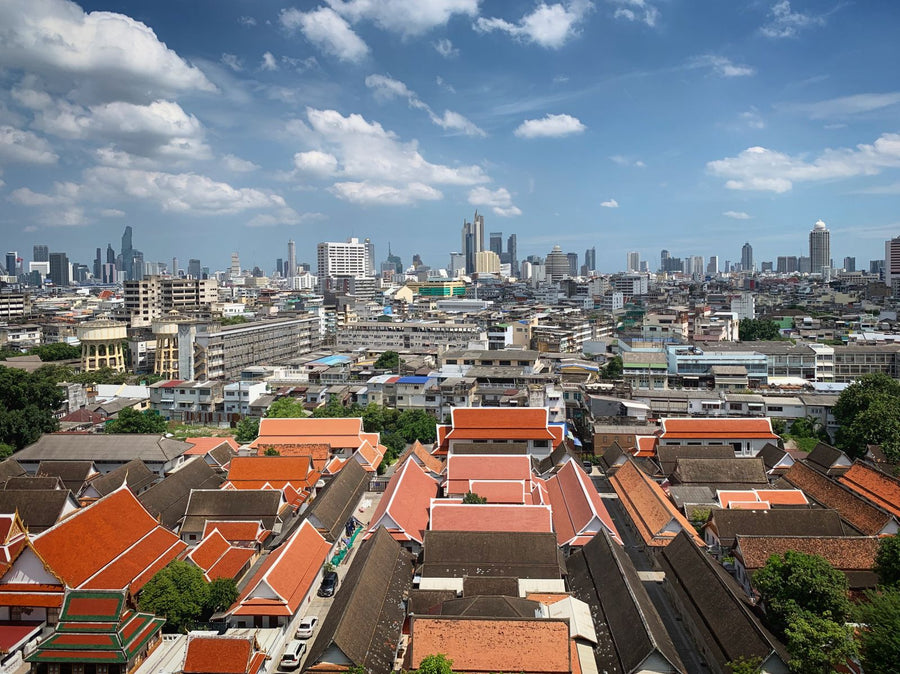
Thailand’s capital combines major temples, riverside districts, markets, shopping, street food and extensive transport connections.
Suggested stay: 3–5 days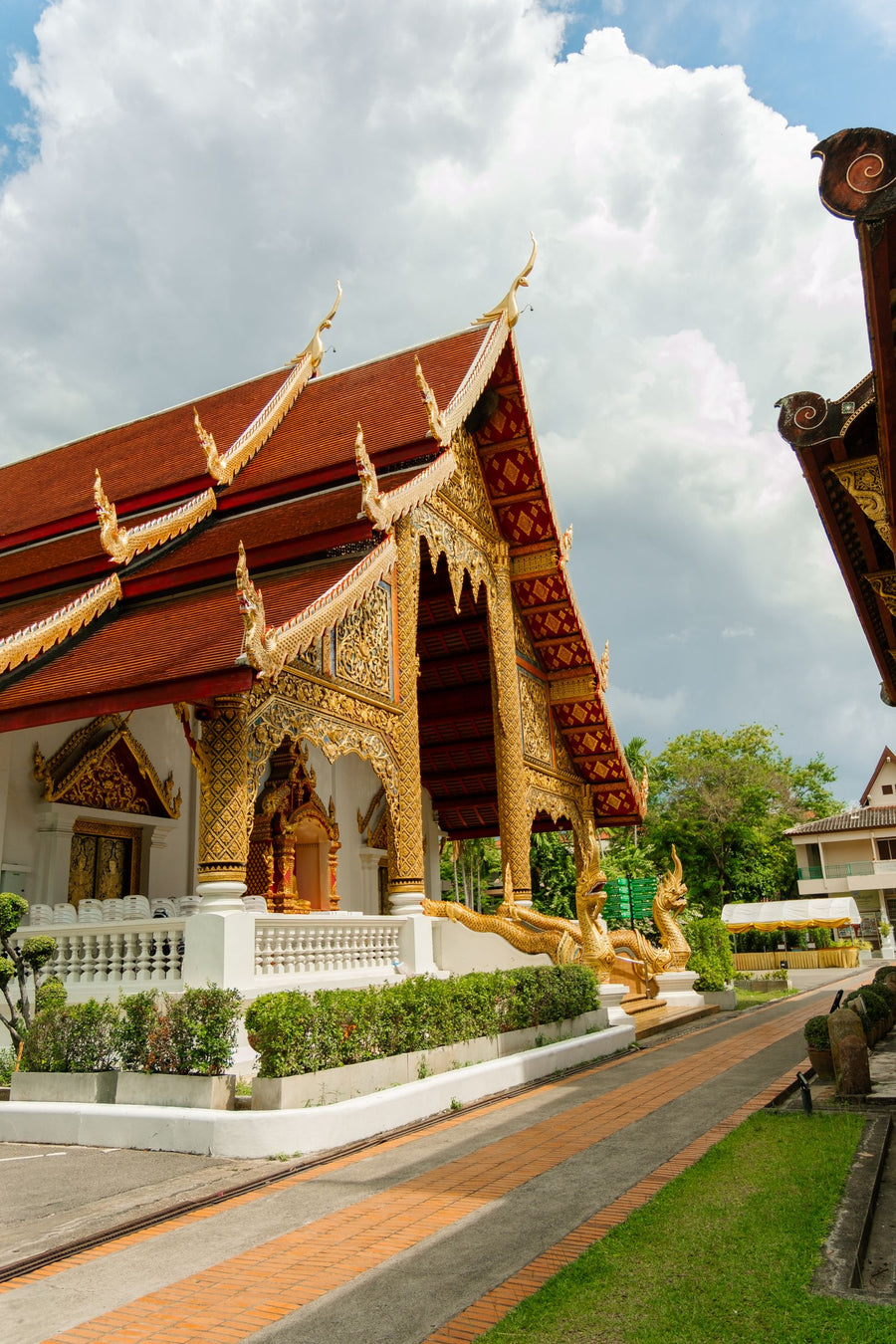
A northern cultural hub known for historic temples, old-city streets, markets, food and mountain day trips.
Suggested stay: 3–5 days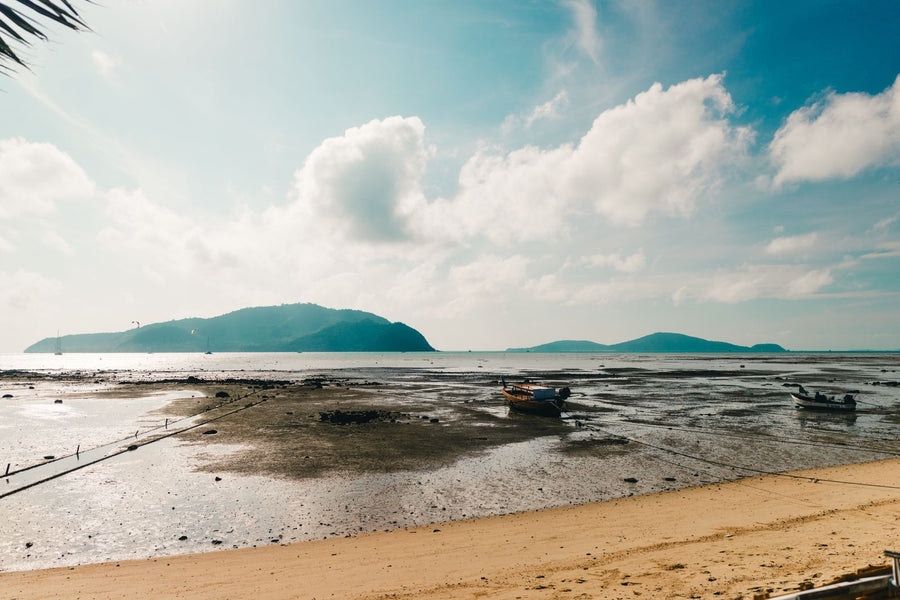
Thailand’s largest island is a major beach destination with resorts, nightlife, old-town streets and boat access to nearby islands.
Suggested stay: 4–7 days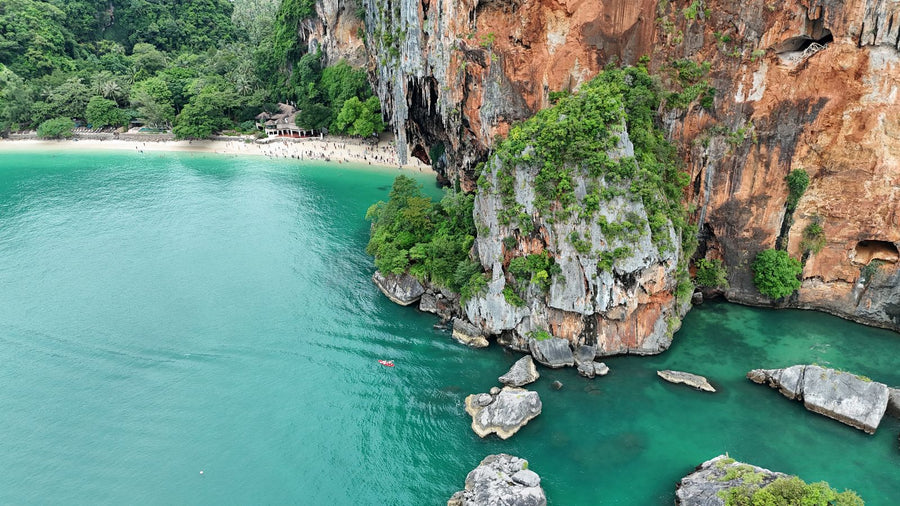
A southern base for limestone cliffs, beaches, island trips and access to Railay and the Phi Phi area.
Suggested stay: 3–5 days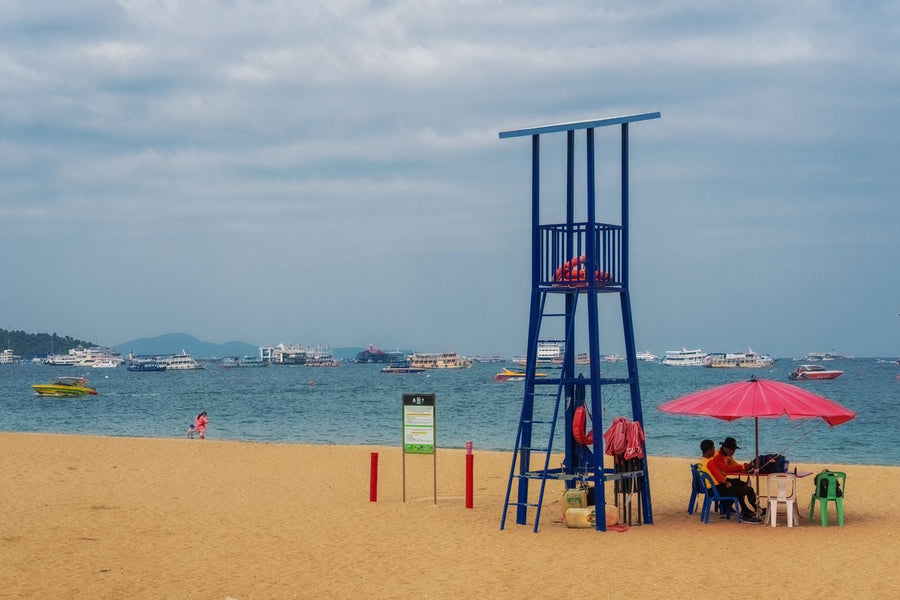
A Gulf coast resort city with beaches, nightlife, family attractions and easy access from Bangkok.
Suggested stay: 2–4 days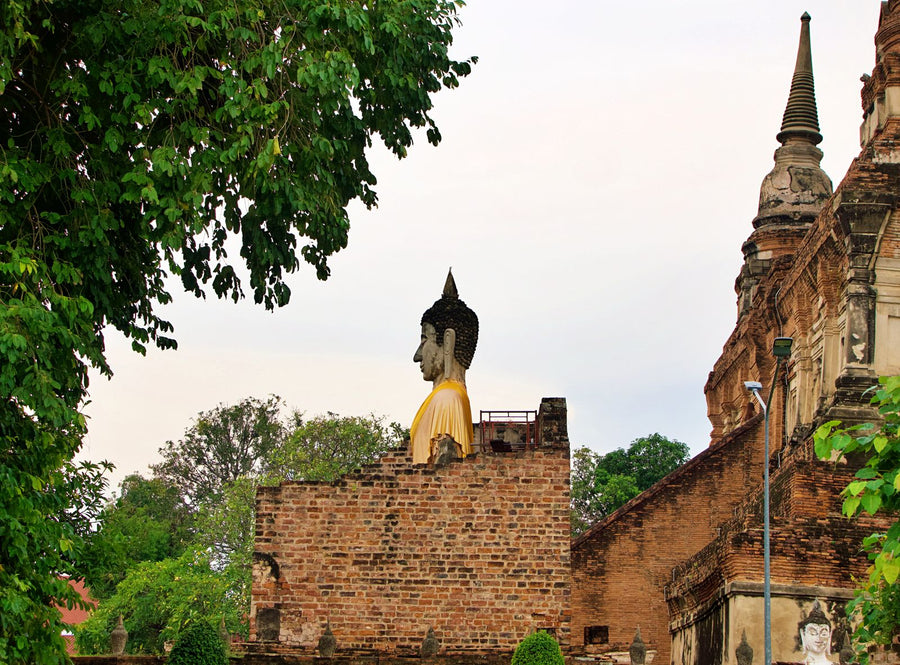
A historic former capital known for temple ruins, archaeological sites and easy rail or road access from Bangkok.
Suggested stay: 1–2 days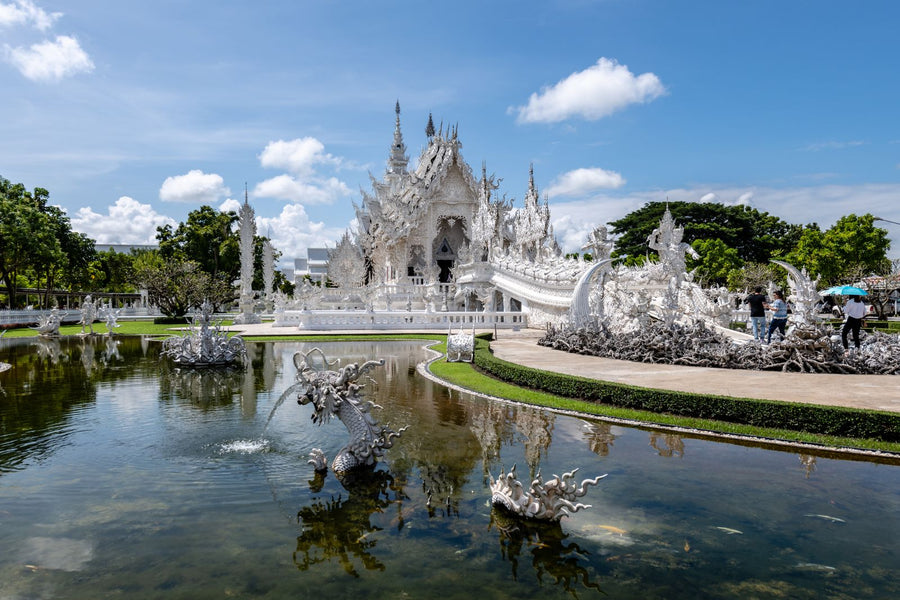
A northern city known for distinctive temples, mountain scenery and access to the Golden Triangle region.
Suggested stay: 2–3 days
A major Gulf island destination with beaches, resorts, waterfalls and access to nearby marine parks and islands.
Suggested stay: 4–7 days
A relaxed Gulf coast resort destination with beaches, night markets, golf and convenient road and rail access from Bangkok.
Suggested stay: 2–4 daysFeatured experiences and landmarks.
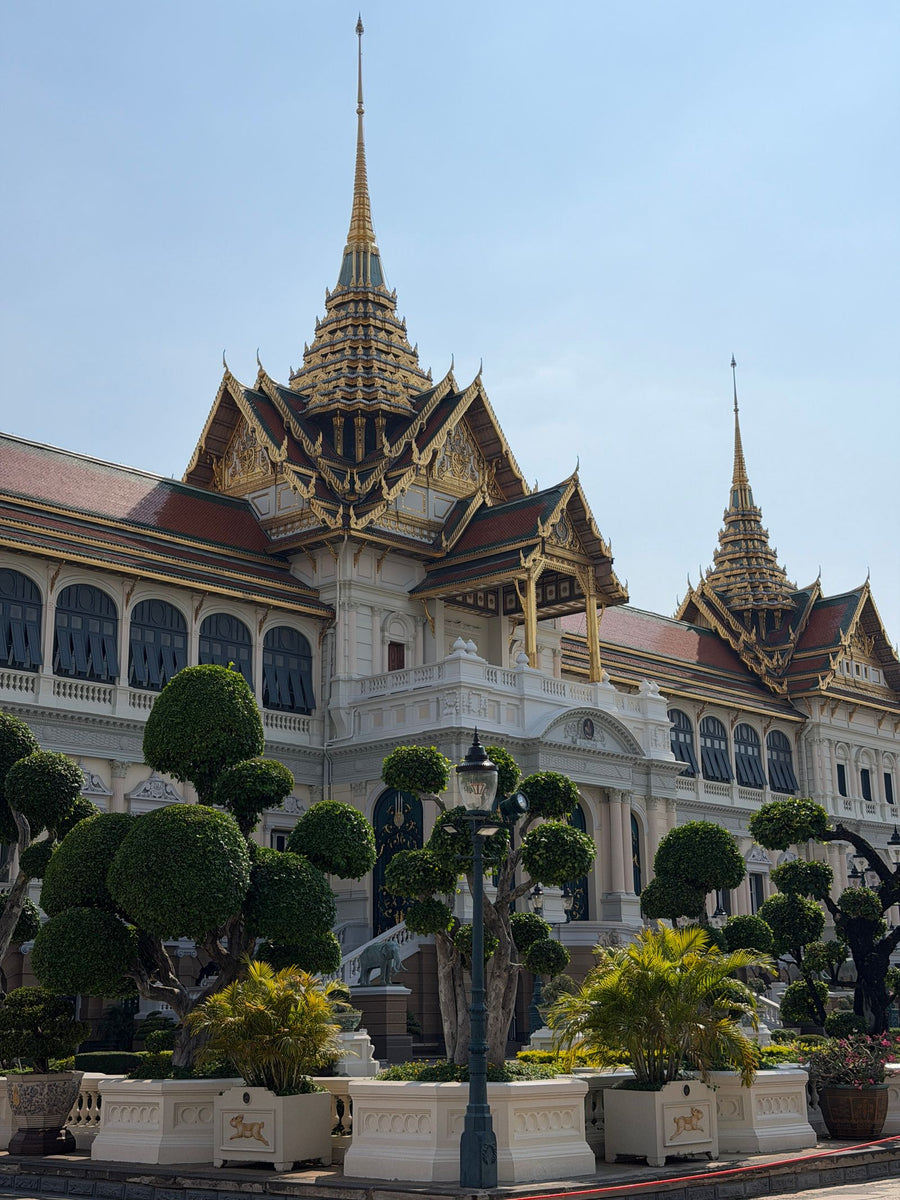
Bangkok’s landmark royal complex, including Wat Phra Kaew and the Emerald Buddha.
Suggested visit: 2–4 hours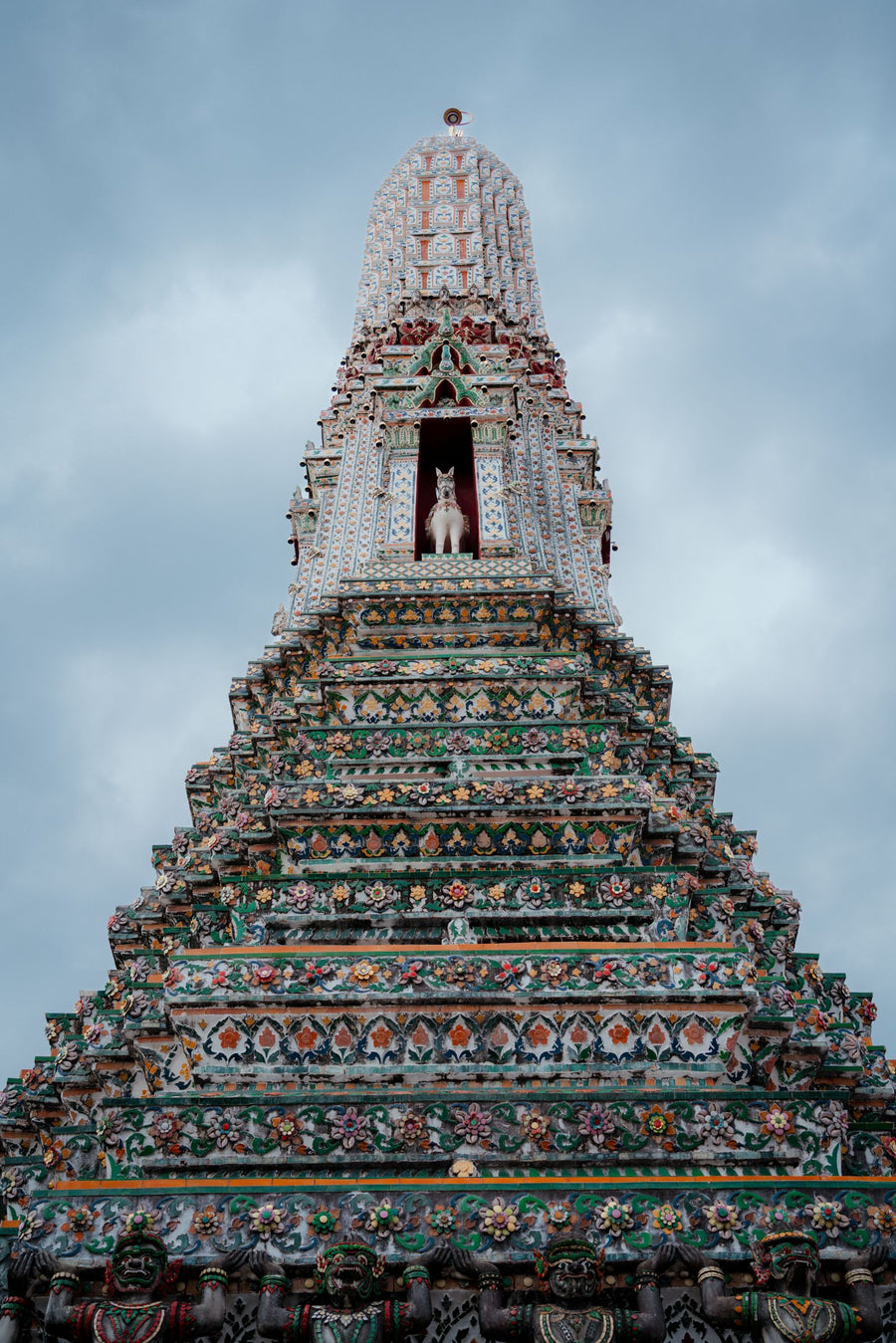
A striking riverside temple in Bangkok known for its decorated central prang and Chao Phraya River setting.
Suggested visit: 1–2 hours
Historic Bangkok temple complex famous for the Reclining Buddha and its traditional massage heritage.
Suggested visit: 1–2 hours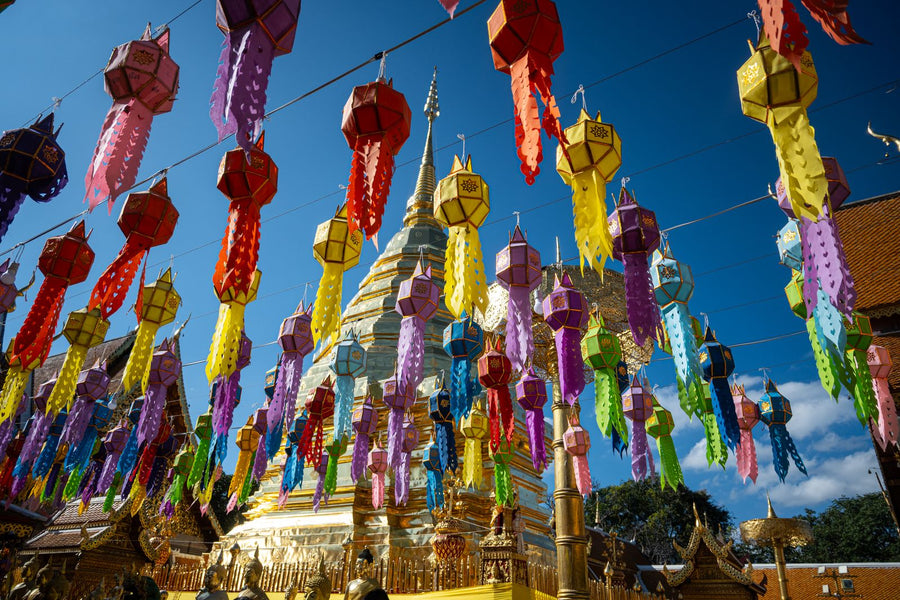
A revered mountaintop temple overlooking Chiang Mai, reached by a winding mountain road and naga staircase.
Suggested visit: 2–3 hours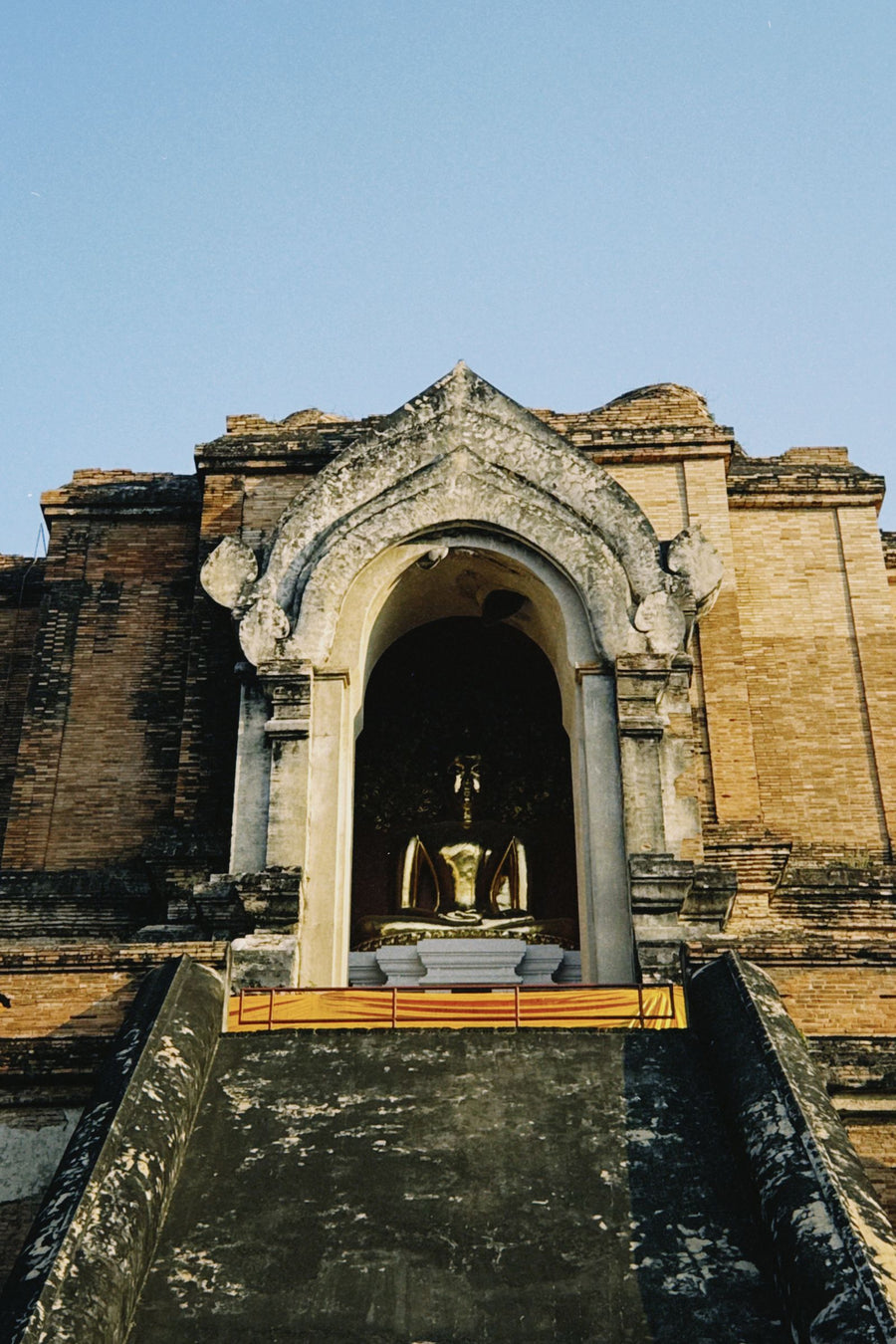
The moated historic centre of Chiang Mai, filled with temples, cafés, markets and walkable heritage streets.
Suggested visit: Half to full dayA contemporary white temple complex near Chiang Rai known for intricate design, symbolism and striking visual detail.
Suggested visit: 1–2 hoursThe temple ruins and historic remains of the former Siamese capital, spread across the old city of Ayutthaya.
Suggested visit: Half to full day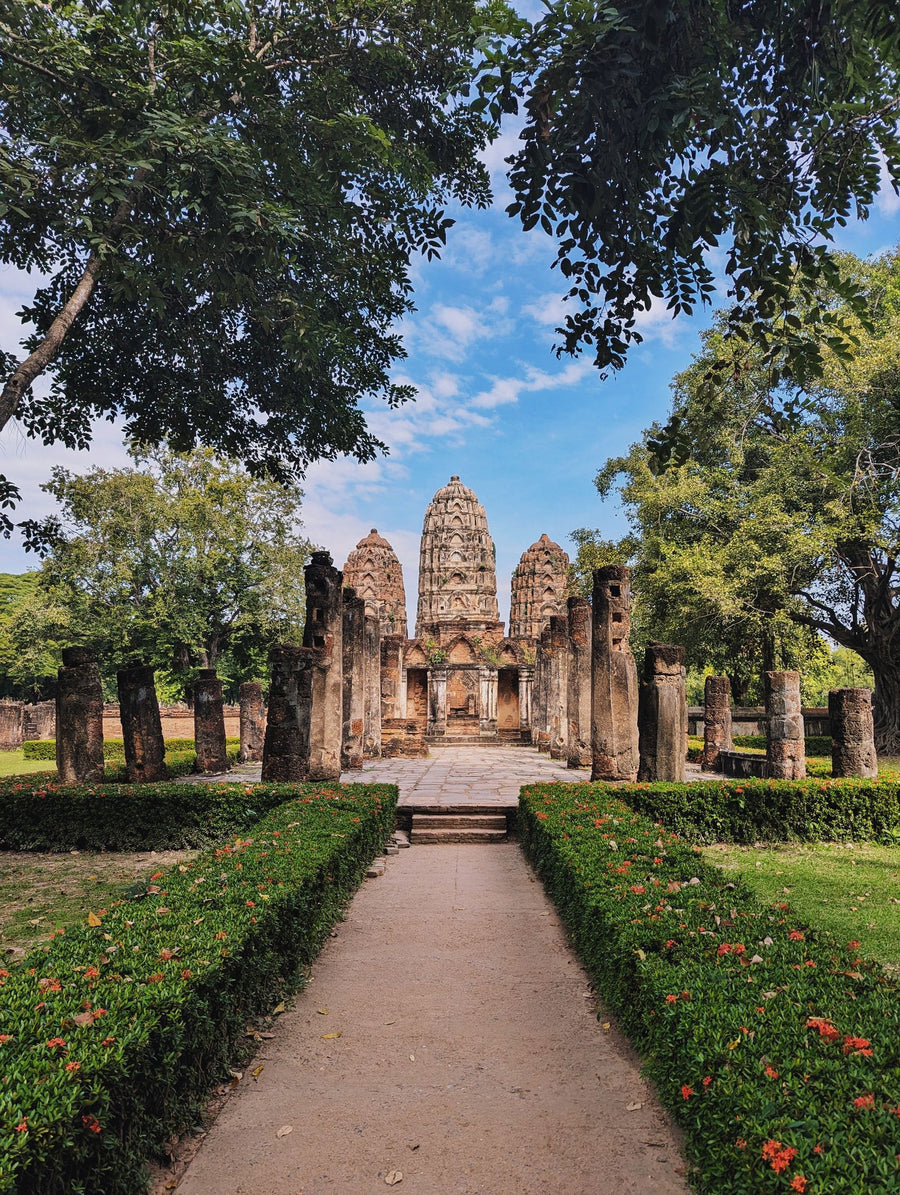
A spacious historic park preserving temples, Buddha images and monuments from the early Sukhothai kingdom.
Suggested visit: Half to full dayA dramatic Krabi peninsula accessible by boat, known for beaches, limestone cliffs, caves and rock climbing.
Suggested visit: Half to full dayNovember to February generally offers cooler and drier weather. Regional weather differs, especially between the Andaman coast and the Gulf islands, so beach conditions should be checked by destination.

Plan Thailand travel with Bangkok, Chiang Mai, Phuket, Krabi, Koh Samui, historic cities, regional weather, transport, entry preparation and eSIM g...


