
South Korea eSIM
Fixed data plansReliable data for your South Korea trip


Asia
Connected cities, royal heritage, islands and practical trip planning
South Korea combines highly connected cities, royal heritage, mountain parks, coastal destinations, island landscapes and a distinctive food culture. Efficient rail and urban transport make it practical to build a multi-city itinerary, while mobile data supports navigation, translation, reservations and transit apps throughout the trip.
Start planning: compare the South Korea eSIM, South Korea unlimited data eSIM, or the Asia 20 areas eSIM for a regional itinerary.
Allow at least four days for Seoul’s royal palaces, traditional neighbourhoods, markets, museums, contemporary districts and nearby hiking. The metro is extensive, but journey planning and map apps are valuable when moving between neighbourhoods.
Busan combines beaches, seafood markets, temples, hillside neighbourhoods and coastal viewpoints. Two or three nights provides a useful contrast to Seoul.
Jeju is best for volcanic landscapes, waterfalls, coastlines and hiking. A rental car can improve flexibility, while mobile data helps with route planning and weather-dependent activities.
Gyeongju adds royal-era heritage, temples and archaeological sites. It works well between Seoul and Busan or as a focused cultural side trip.
Jeonju is known for hanok architecture, regional food and a slower travel pace. It can be included as an overnight stop or paired with other central destinations.
Sokcho is a practical base for Seoraksan National Park and the northeast coast. Conditions can change quickly in mountain areas, so check current forecasts and trail information.
Spend four nights in Seoul and three in Busan, travelling by high-speed rail. This is the simplest first-time route.
Add one or two nights in Gyeongju between the two major cities for a stronger heritage component.
Combine Seoul, Gyeongju, Busan and Jeju. Choose a larger data plan for domestic flights, transit, translation, maps and frequent bookings.
Spring is popular for mild sightseeing weather, parks and seasonal blossoms. Demand can be high around major bloom periods, so reserve transport and accommodation early.
Summer is hot, humid and often rainy. It can suit coastal and festival travel, but build flexibility into outdoor plans and carry rain protection.
Autumn is one of the strongest seasons for cities, hiking and multi-region trips. Comfortable weather and fall colour make mountain destinations especially appealing.
Winter is cold and dry in many areas, with opportunities for skiing, seasonal food and quieter city sightseeing. Pack for low temperatures and shorter daylight.
High-speed rail links major cities, intercity buses extend regional coverage and metro systems are efficient in large urban areas. Domestic flights are useful for Jeju. Keep key addresses saved in Korean where possible and use mobile data for current transit routes, translation, restaurant queues and reservations.
For a South Korea-only trip, compare the South Korea fixed-data eSIM and South Korea unlimited plan. For other supported destinations, consider the Asia 20 areas eSIM or Asia unlimited data plan.
South Korea commonly uses Type C and F sockets with 220 V and 60 Hz electricity. Verify charger compatibility before travelling. Cards are widely useful, but a payment backup is sensible. Install your eSIM before departure, save setup information offline and keep your original SIM available when needed for banking or verification messages.
Seven days works for Seoul and Busan. Ten to fourteen days allows time for Gyeongju, Jeju, Jeonju or a national park.
Yes. Install it before travelling and follow the plan’s activation instructions. Do not delete the eSIM after installation.
Not necessarily. Many travellers can use 5–10 GB for one week. Unlimited data is more suitable for hotspot use, streaming, remote work and intensive navigation.
Choose a South Korea plan for a single-country trip. Choose an Asia regional plan when your itinerary includes other supported countries.
You may need an adapter if your devices do not use Type C or F plugs. Confirm that chargers support 220 V.
Spring and autumn generally provide the easiest conditions for city sightseeing, hiking and multi-city itineraries.
Compare South Korea eSIM plans, explore unlimited South Korea data, and continue with guides for Japan and Vietnam.
Get mobile data for your South Korea trip with a local or region-wide eSIM.
Reliable data for your South Korea trip

Unlimited data, no daily limits


TravelFi editorial destination ratings.
Excellent high-speed coverage in cities and most travel corridors.
Extensive urban transit and fast intercity rail and bus networks.
Strong transport, accommodation and digital visitor services.
Exceptional food, heritage, contemporary culture and neighbourhood variety.
Good-value transport and food options, with higher accommodation costs in peak areas.
220 V · 60 Hz
Two round pins. Usually ungrounded.
Two round pins with side grounding contacts. Often called the Schuko plug.
GroundedSouth Korea commonly uses Type C and Type F sockets. Check that devices support 220 V and bring an adapter when needed.
Forecast location: Seoul
South Korea has four distinct seasons, with cold dry winters, warm springs, hot humid summers and mild autumns.
Loading current weather…
Places to include in your South Korea itinerary.
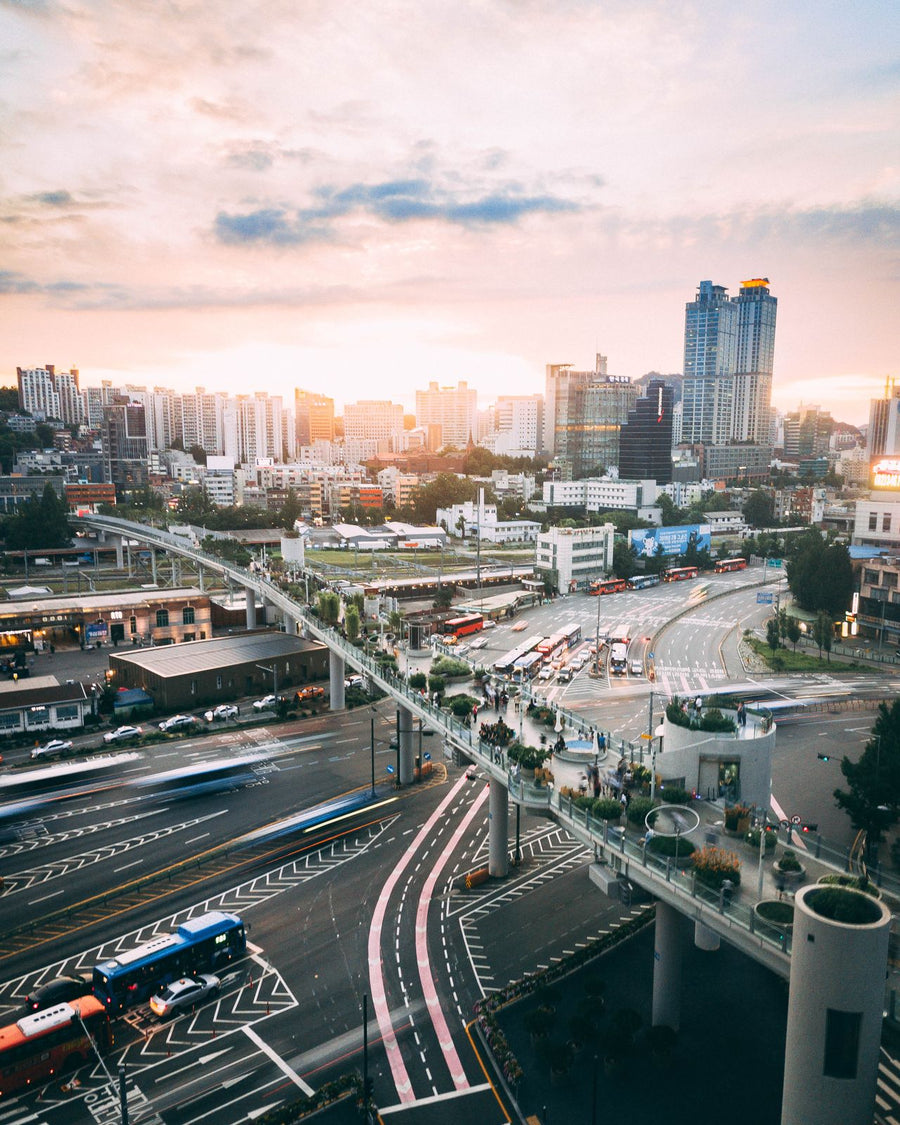
South Korea’s capital, combining royal palaces, modern districts, markets, museums and mountain trails.
Suggested stay: 4–6 days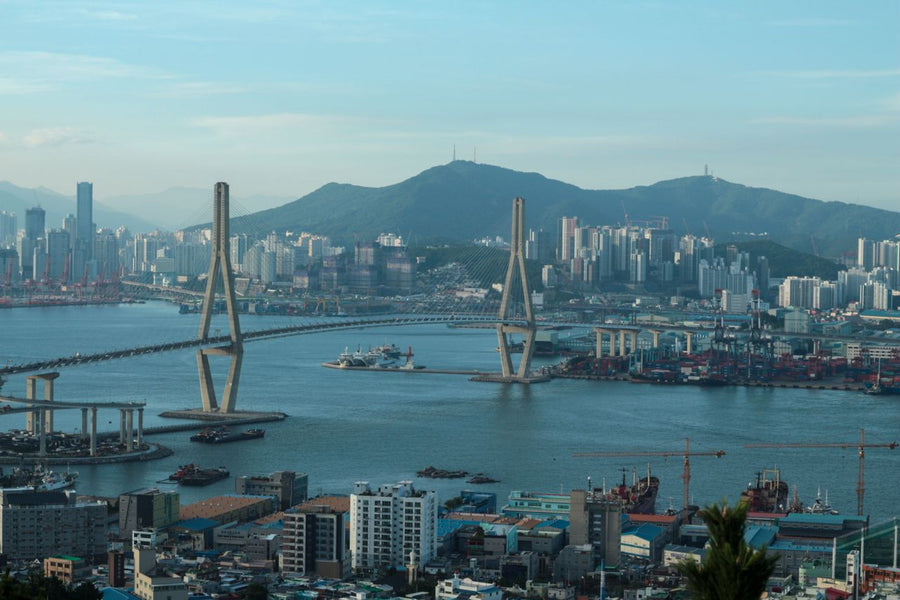
A major coastal city known for beaches, seafood markets, temples and hillside neighbourhoods.
Suggested stay: 2–4 days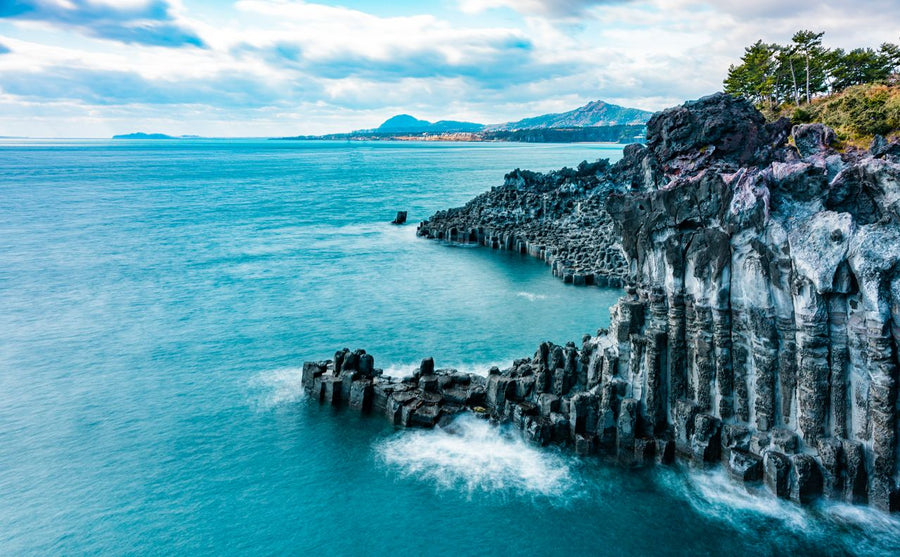
The main gateway to Jeju Island’s volcanic landscapes, coastlines, waterfalls and hiking routes.
Suggested stay: 3–5 days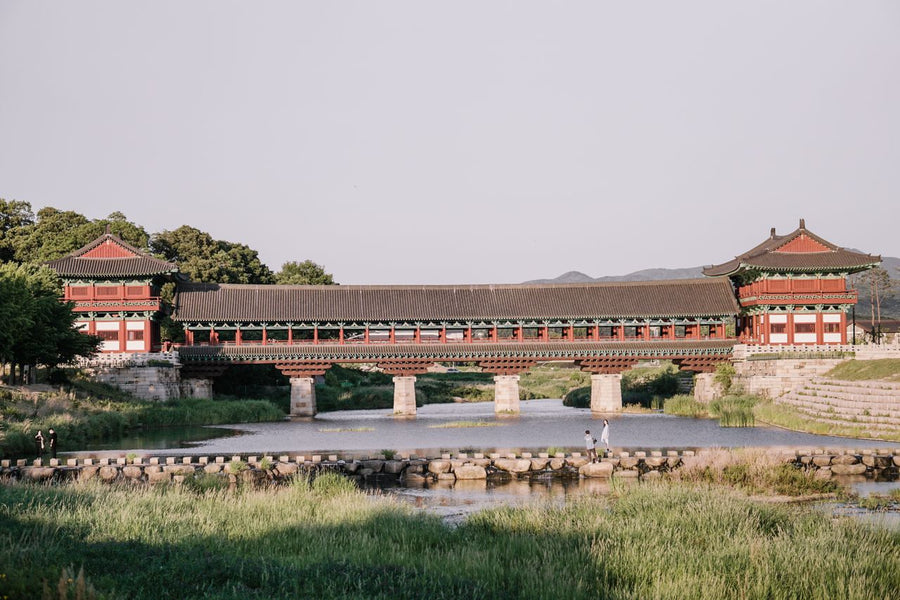
A historic city filled with royal tombs, temples and archaeological sites from the Silla period.
Suggested stay: 2–3 days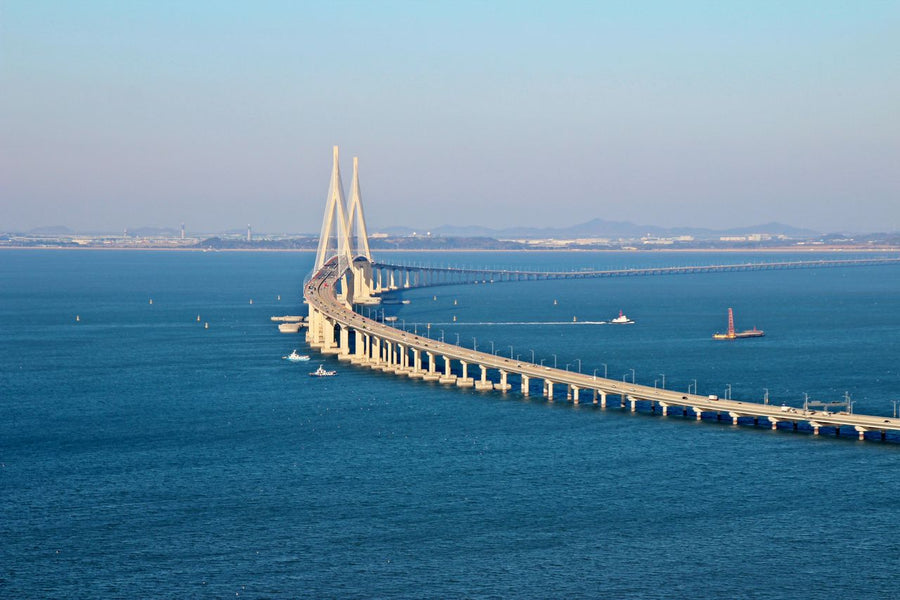
A port city and international gateway with islands, waterfront districts and historic neighbourhoods.
Suggested stay: 1–2 days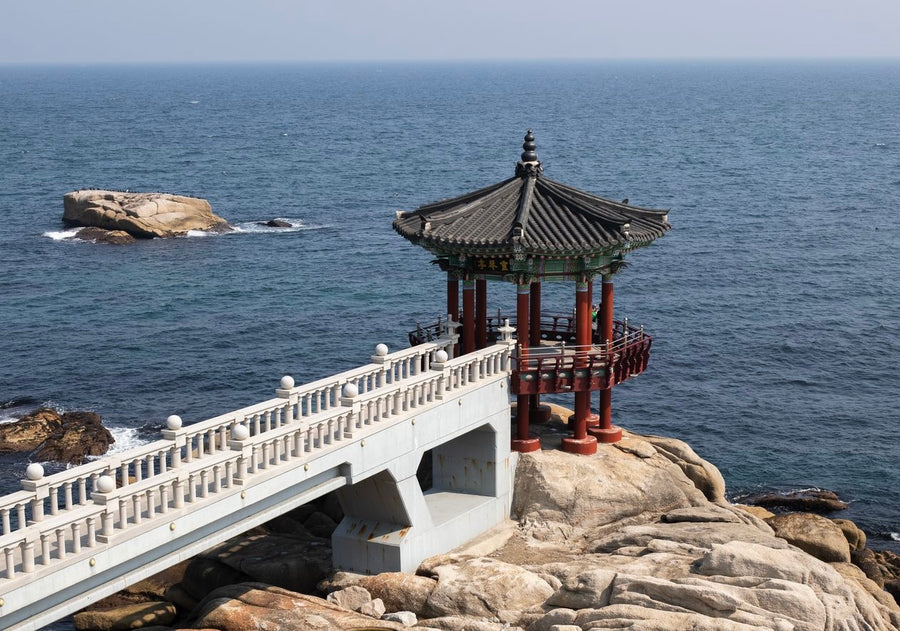
A northeastern coastal city serving as the main base for Seoraksan National Park.
Suggested stay: 2–3 days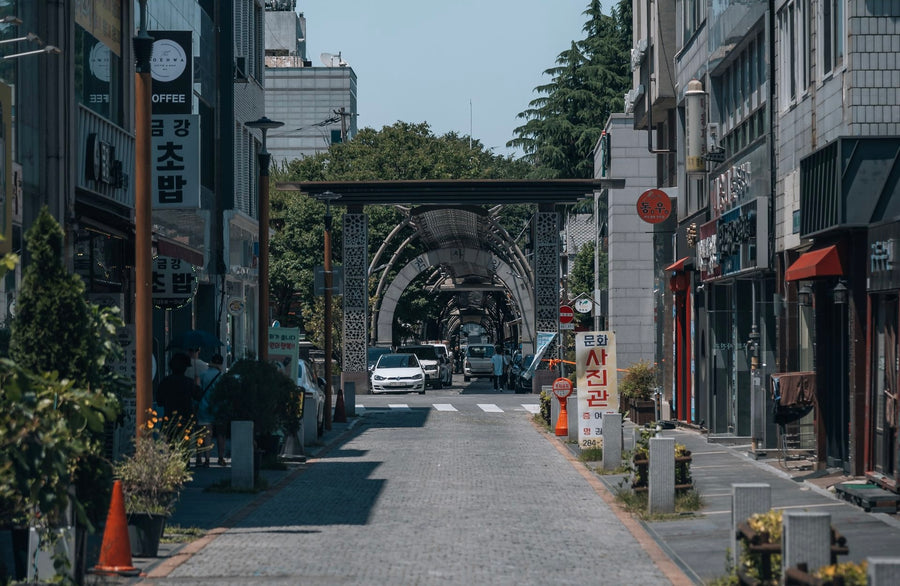
A food and heritage destination centred on a large traditional hanok village.
Suggested stay: 1–2 days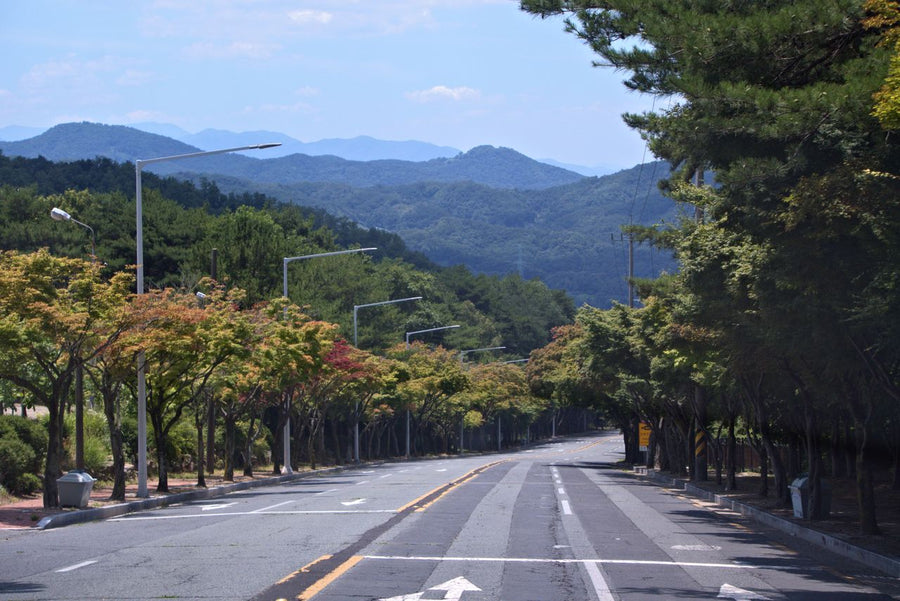
A major inland city known for markets, regional food, museums and nearby mountain areas.
Suggested stay: 1–2 days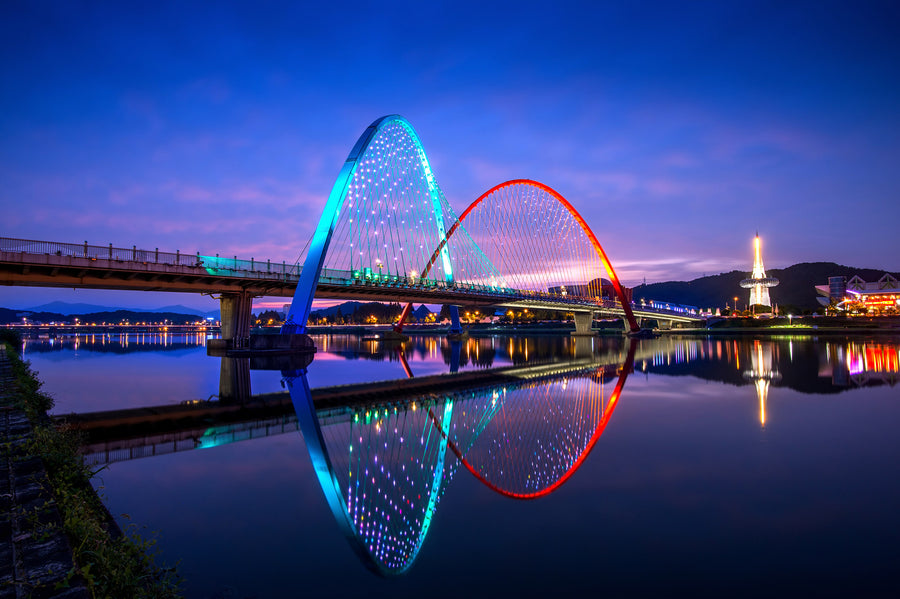
A central transport and science hub with museums, parks and convenient rail connections.
Suggested stay: 1–2 daysFeatured experiences and landmarks.
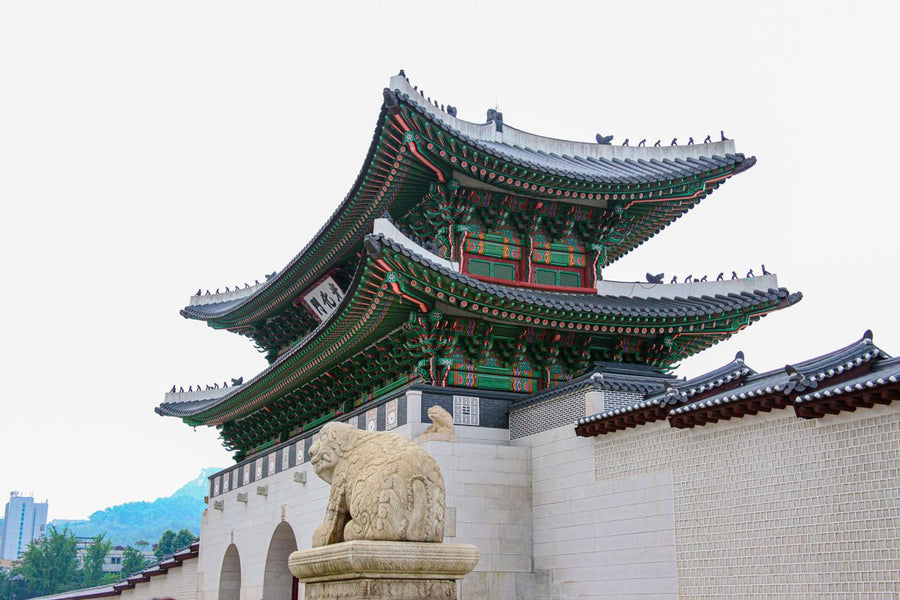
The largest of Seoul’s major royal palaces, with ceremonial halls, courtyards and museums.
Suggested visit: 2–3 hours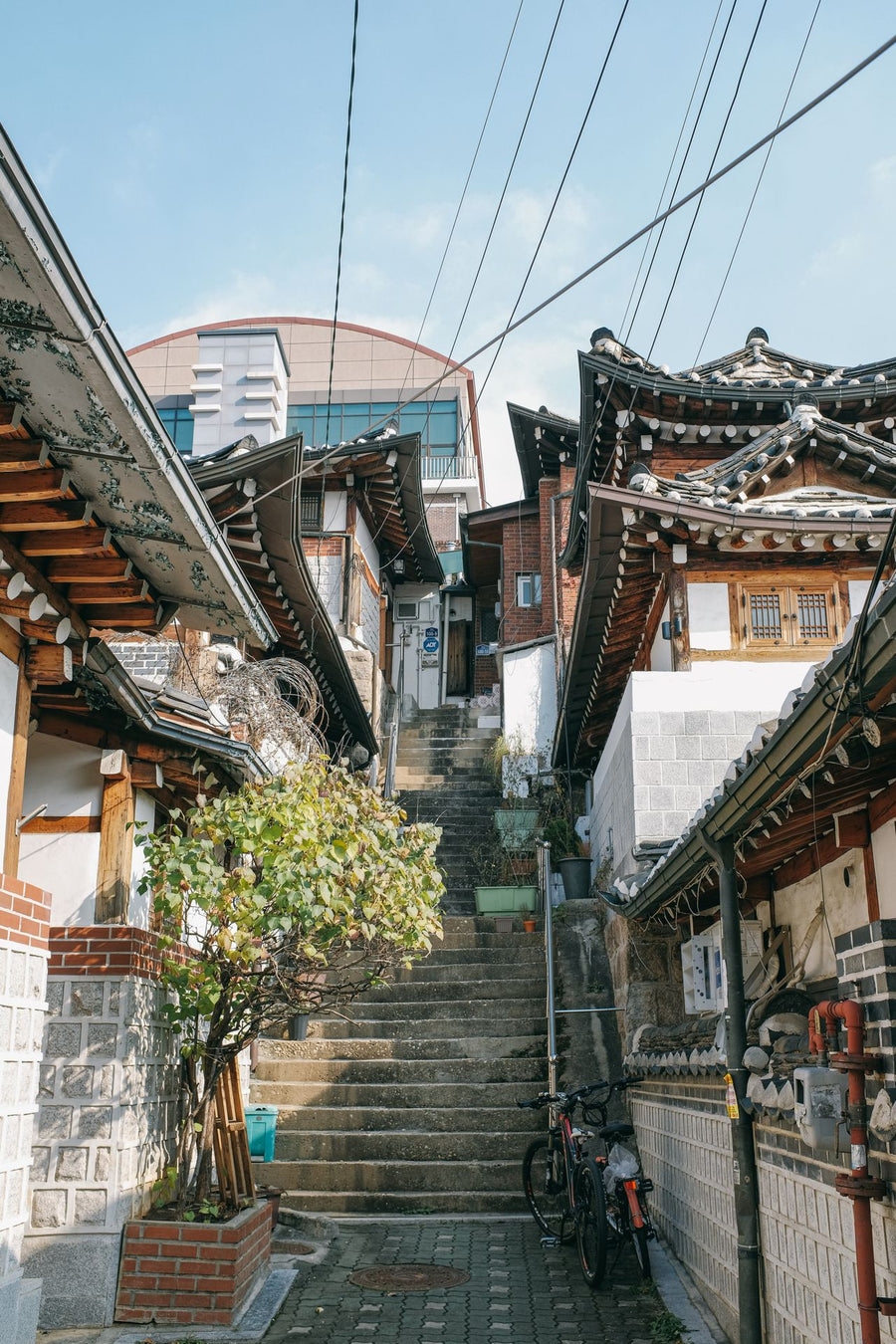
A residential Seoul district known for traditional hanok architecture and hillside lanes.
Suggested visit: 1–2 hours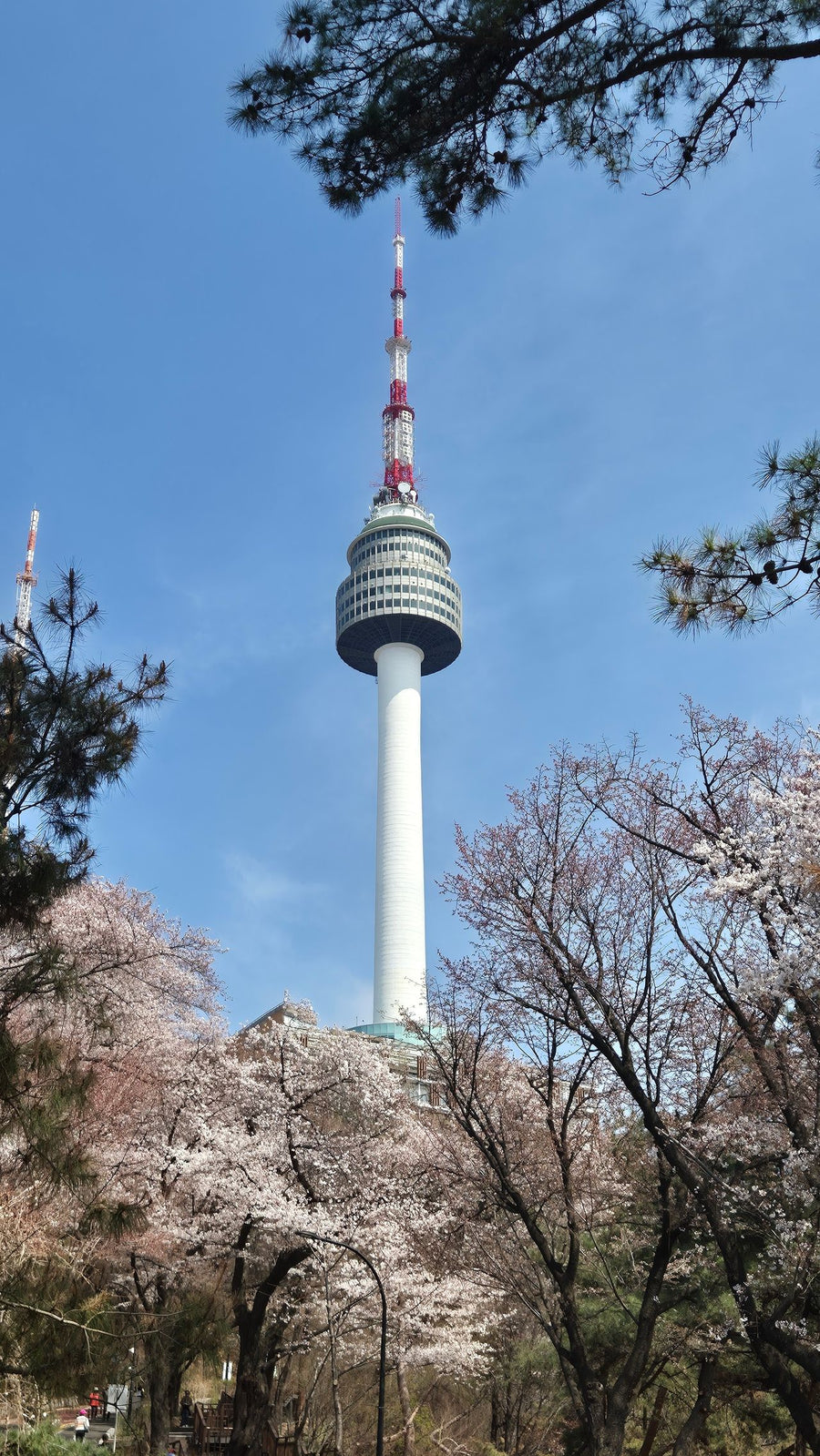
A prominent observation tower on Namsan with broad views across Seoul.
Suggested visit: 1–2 hours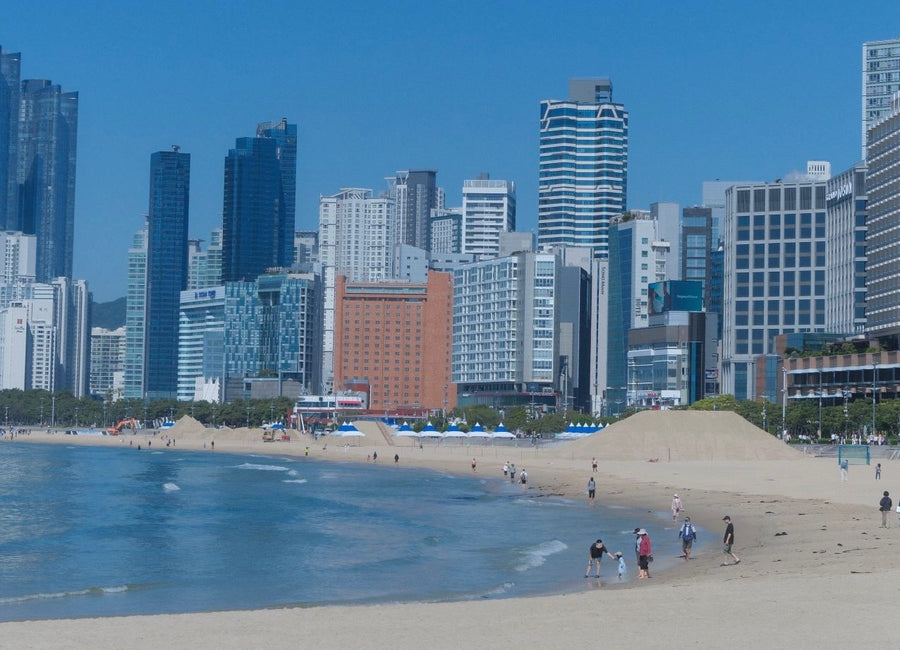
Busan’s best-known urban beach, surrounded by restaurants, hotels and coastal attractions.
Suggested visit: 2–4 hours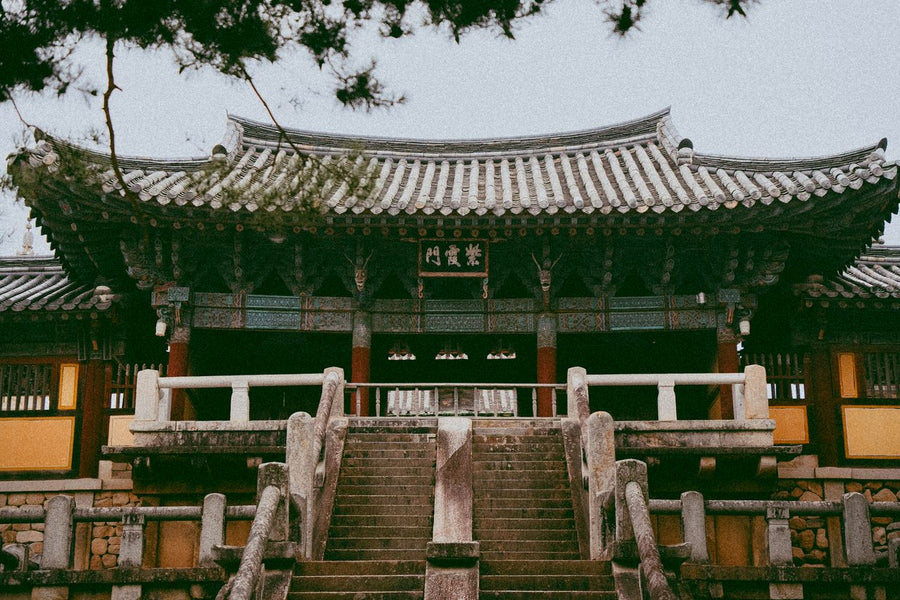
A major Silla-period Buddhist temple and one of Gyeongju’s central heritage sites.
Suggested visit: 2–3 hours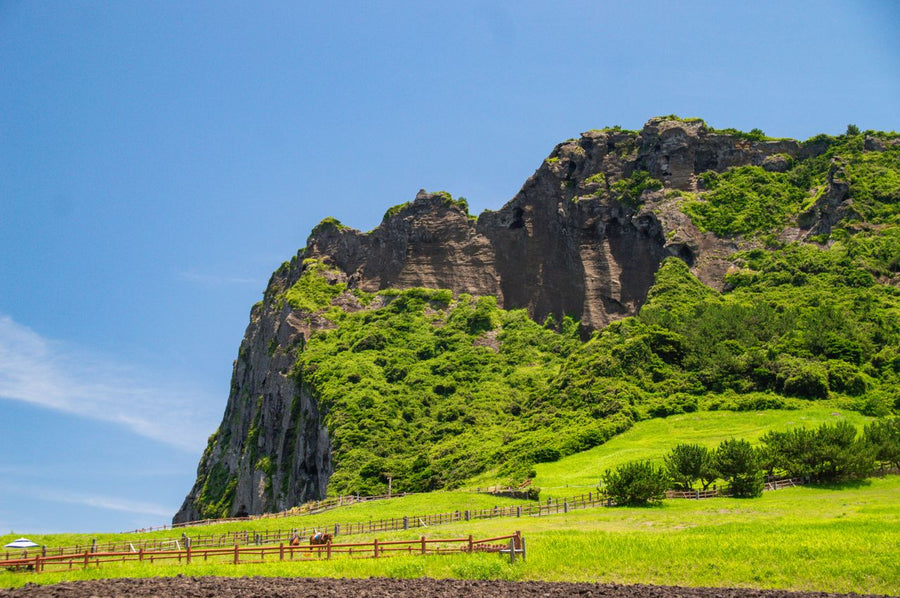
A dramatic volcanic tuff cone on eastern Jeju Island, popular for sunrise hikes.
Suggested visit: 2–3 hours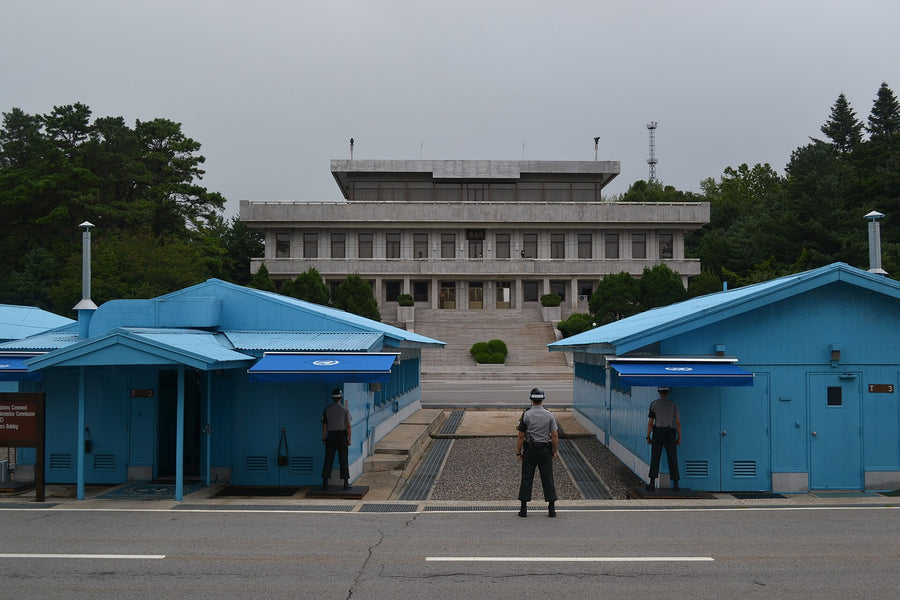
A heavily regulated border area visited through approved tours, subject to operational and security changes.
Suggested visit: Half or full day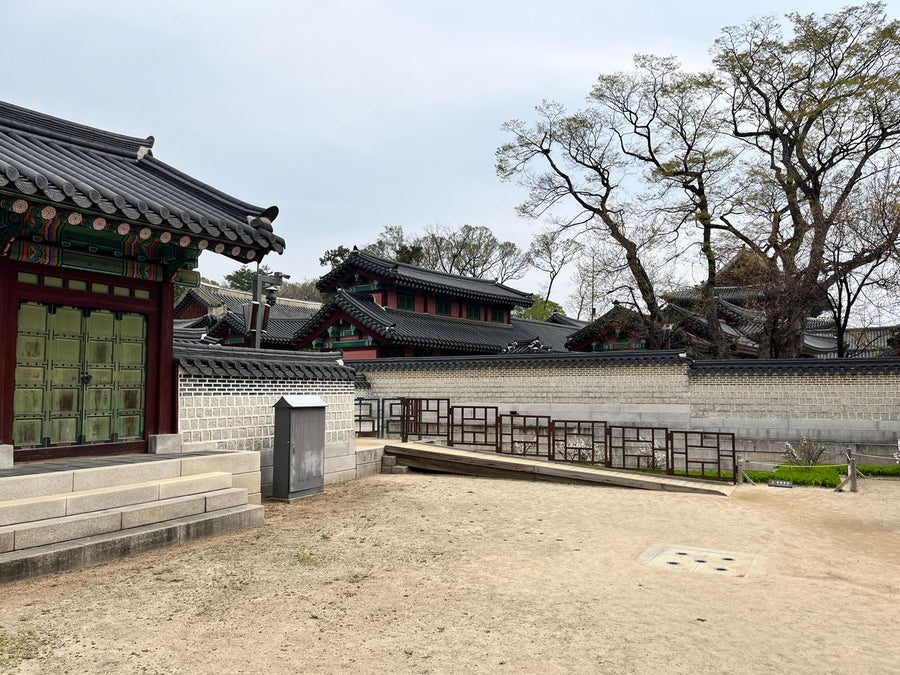
A Seoul royal palace especially known for its landscaped Secret Garden.
Suggested visit: 2–3 hours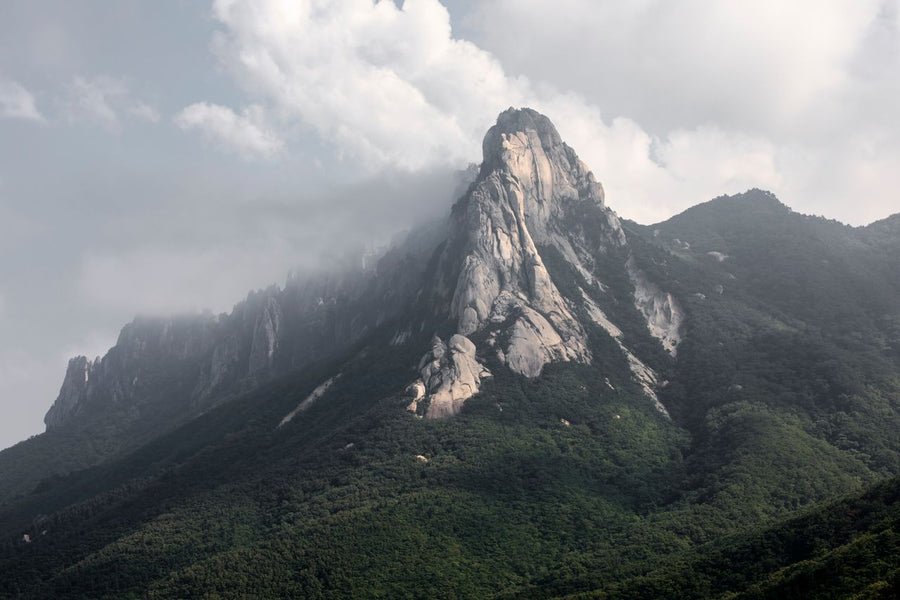
A renowned mountain park with granite peaks, forest trails, temples and autumn colour.
Suggested visit: Full day or longerMarch to May and September to November usually provide comfortable weather for city travel, hiking and cultural sightseeing. Summer is hot, humid and rainy, while winter is cold and dry with good conditions for skiing.
Check dates and official sources before making travel decisions.
Entry requirements and travel procedures can change. Review official guidance before departure.
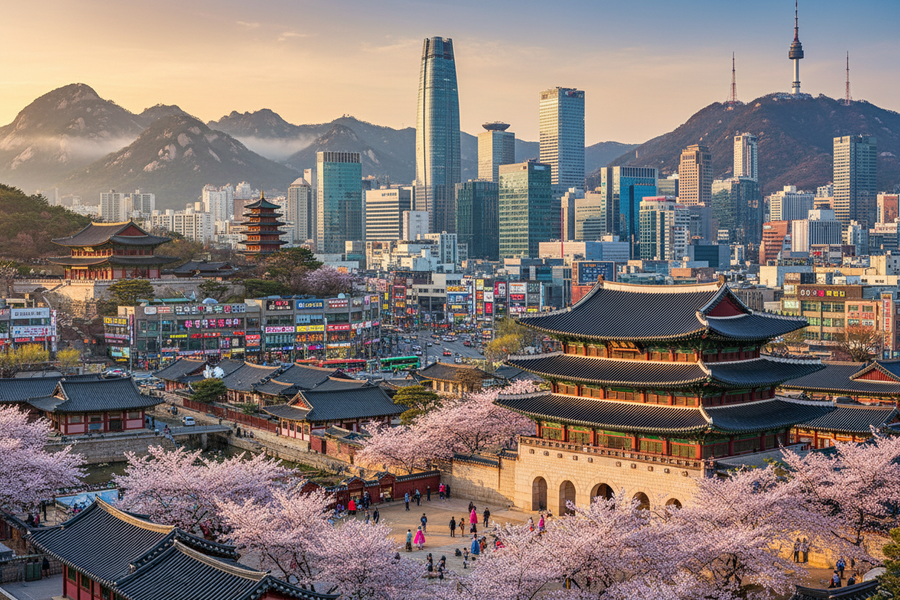
Plan South Korea with Seoul, Busan, Jeju and Gyeongju guidance, itineraries, seasons, transport, power and eSIM options.

