
Chile eSIM
Fixed data plansReliable data for your Chile trip


Latin America
Santiago, Atacama, the Lake District and Patagonia — choose regions that fit your season
Chile is best planned as a selection of regions, not one continuous sightseeing route. Santiago and Valparaíso suit a city-and-culture stay; San Pedro de Atacama opens up desert landscapes; Puerto Varas offers lakes and volcanoes; and Puerto Natales is a gateway to Torres del Paine.
Use this guide to match your dates to the places that matter most. For wider country comparisons, see our Latin America travel guide.
Chile suits travellers who enjoy dramatic scenery and are happy to plan around distance, weather and outdoor logistics. A first visit of ten to fourteen days usually works better with Santiago and one major region than a rushed journey from the desert to Patagonia. Add a second distant region only when the flights and transfer days fit comfortably.
Check the official Chile Travel regional overview and Dirección Meteorológica de Chile forecasts. Choose clothing and equipment for the region, elevation and activity rather than the national season alone.
Allow two to four days for a relaxed introduction, grouping sightseeing by neighbourhood. Check the forecast before paying for a viewpoint: haze or cloud can hide distant mountains. Sky Costanera is one option for panoramic city views; confirm current hours and ticket conditions directly. Use reputable airport transfers and keep valuables secure on public transport.

A short stay allows time for the historic quarter, street art and hillside walks. Plan a daytime route with current local advice, wear shoes suitable for steps and uneven surfaces, and verify which lifts are operating. Valparaíso is a lived-in port city: ask before photographing people and avoid wandering into isolated areas for a viewpoint.

Allow three to five days and compare excursions by altitude, travel time and walking demands. Start with gentler outings before considering higher destinations. Valle de la Luna, salt-flat landscapes and stargazing require different arrangements; confirm entry and tour inclusions individually. A clear night is never guaranteed, and bright moonlight changes a stargazing experience.

Base yourself for two to four days of lakeside walks and selected regional excursions. Lake Llanquihue provides views towards surrounding volcanoes when skies are clear. Leave a flexible day for weather rather than committing every outing to a fixed timetable. Puerto Montt airport serves the area, with an onward road transfer to Puerto Varas.

Puerto Natales is a practical gateway for Torres del Paine National Park. A scenic day tour, a day hike and a multi-day trek require different fitness, transport and accommodation arrangements. Reserve the complete trip, including park access and any campsites or refugios, and allow a buffer for disruption.
Use the official Pases Parques portal to check ticket requirements before departure. Download entry documents and route information in advance; mobile data should not be your only way to retrieve a park ticket. Follow ranger instructions and verify current trail access.

These are suggested trip shapes, not guaranteed transport schedules. Rapa Nui/Easter Island is a separate journey with additional entry and booking arrangements; do not treat it as a casual mainland side trip.
Compare flights for long north–south journeys and reputable buses for selected regional routes. For Patagonia, check whether Puerto Natales or Punta Arenas flights and onward transport suit your dates. Airport names do not establish how close you are to a park entrance.
For a Chile–Argentina itinerary, use our Argentina travel guide alongside your confirmed border transport. Check road conditions, opening arrangements and rental-car authorization and insurance where relevant. Carry essential bookings offline and avoid a tight international departure immediately after a remote border crossing.
The currency is the Chilean peso (CLP). Keep a backup payment method and some cash for smaller businesses or remote stops. Compare full excursion costs, including park entry, guide, equipment and transfers.
Check official entry guidance for your passport and confirm details with the relevant immigration authority or consulate. Follow agricultural and customs declarations carefully, especially when crossing from Argentina with food or outdoor equipment.
Review the current Chile travel advisory for your exact route. Avoid demonstrations, secure valuables and use reputable transport. Seek personal travel-health advice before demanding high-altitude excursions or remote trekking, and confirm that insurance covers the activities you plan.
Emergency numbers are 131 ambulance, 132 fire and 133 police. Follow local instructions during natural hazards. A data-only travel eSIM does not supply a standard local voice number.
Chile commonly uses Type C and L sockets, 220 V, 50 Hz. Travellers from Canada should check each charger: a 100–240 V, 50/60 Hz label generally indicates voltage compatibility, while a plug adapter alone does not make a 120 V-only appliance suitable. See our power travel guide.
For a Chile-only trip, compare Chile fixed-data plans and Chile unlimited data eSIMs. Install with a reliable connection before departure, follow the selected plan’s activation instructions and be ready to use maps and bookings after arrival.
For a Chile–Argentina route, compare South America six-area fixed data or six-area unlimited data. These currently list Argentina, Brazil, Chile, Ecuador, Peru and Uruguay. If your route includes Colombia, choose a wider regional option that explicitly lists it.
Use our data usage calculator to estimate maps, messaging, browsing, video and hotspot use. An initial 5–15 GB estimate can suit moderate travel use, but adjust for trip length and habits. The linked Chile products list hotspot support. Unlimited plans have a selected daily high-speed allowance, followed by reduced speed under the option’s terms. 5G availability depends on the plan, device and location.
For setup help, see our installation guide and troubleshooting guide.
That would leave little time after flights and transfers. For a week, concentrate on one region. A longer trip can combine both when the connections and weather buffers work.
November–March is a useful planning window for longer days and a broader range of services. Check the exact trek’s operating season, access and accommodation before booking.
No. Treat park entry, campsites or refugios, transport and guiding as separate arrangements unless your operator explicitly includes them.
No. Expect coverage gaps. Download essentials and arrange appropriate remote communication with your operator.
Yes, if your selected regional plan explicitly includes both. Check validity, daily allowance, hotspot terms and every additional country on your route.
Pair this guide with our Argentina guide, compare another Andean trip in our Peru guide, or use the Latin America overview to choose your season. Once your route is set, compare Chile data plans.
Use Chile Travel, Pases Parques, Dirección Meteorológica de Chile and Government of Canada travel advice. Photo credits appear with images and in card image descriptions. Images are used under the Pexels License; the Torres del Paine image is reused from TravelFi’s regional guide.
Reviewed 23 October 2026. Confirm access, requirements and conditions for your travel dates.
Puerto Natales city-card photo: Puerto Natales old pier — Deensel, via Wikimedia Commons, CC BY 2.0. Displayed resized and cropped to fit the card.
Get mobile data for your Chile trip with a local or region-wide eSIM.
Reliable data for your Chile trip

Unlimited data, no daily limits


220 V · 50 Hz
Two round pins. Usually ungrounded.
Three round pins arranged in a straight line, with the centre pin providing grounding.
GroundedChile commonly uses Type C and L sockets. A compatible travel adapter may be needed.
A plug adapter changes the fit, not voltage. Check each device for 100–240 V, 50/60 Hz support; a 120 V-only appliance needs a suitable voltage solution.
Forecast location: Santiago, Chile
Chile spans extremely dry desert, Mediterranean central valleys, temperate rainforests, high Andes and cool windy Patagonia. Conditions vary dramatically by latitude and elevation.
Loading current weather…
Places to include in your Chile itinerary.
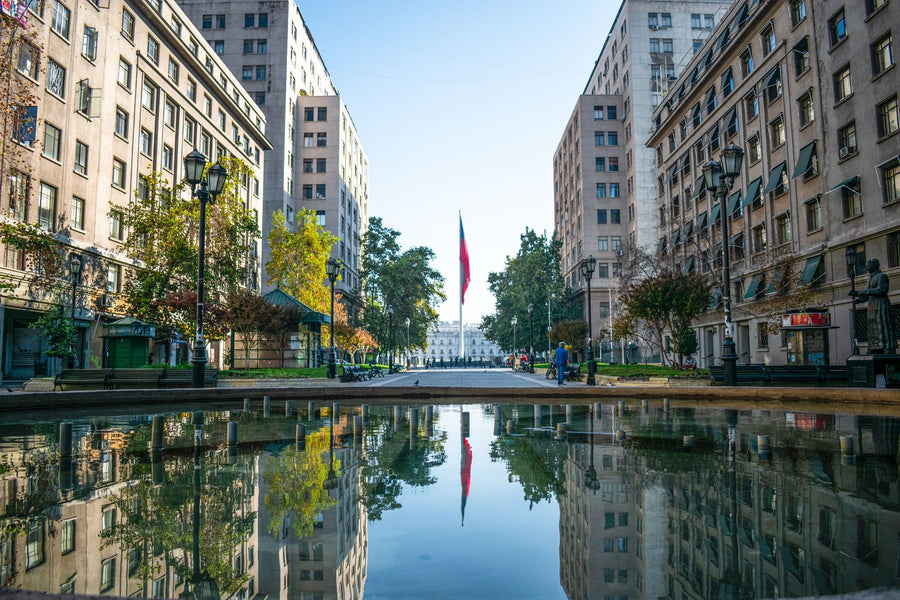
Chile’s capital combines museums, food, neighbourhoods and easy access to the Andes and central wine valleys.
Suggested stay: 2–4 days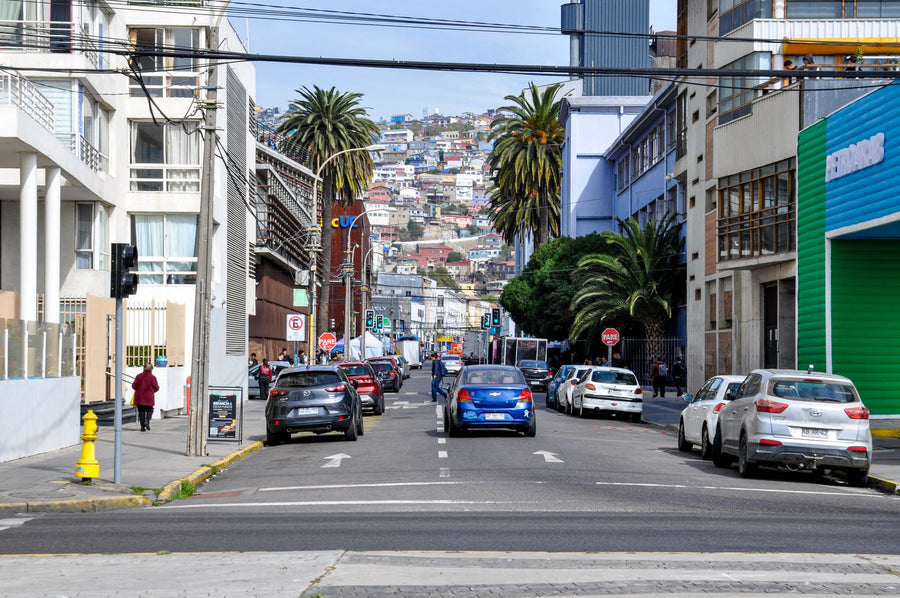
A Pacific hillside city known for colourful neighbourhoods and historic architecture.
Suggested stay: 1–2 days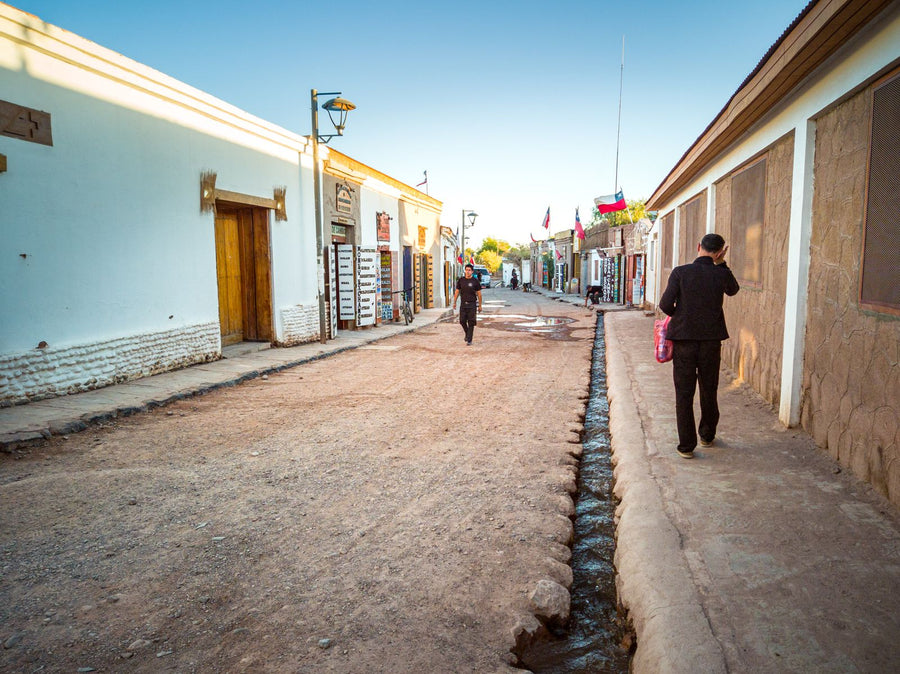
Desert base for salt flats, geysers, lagoons and stargazing in the Atacama.
Suggested stay: 3–4 days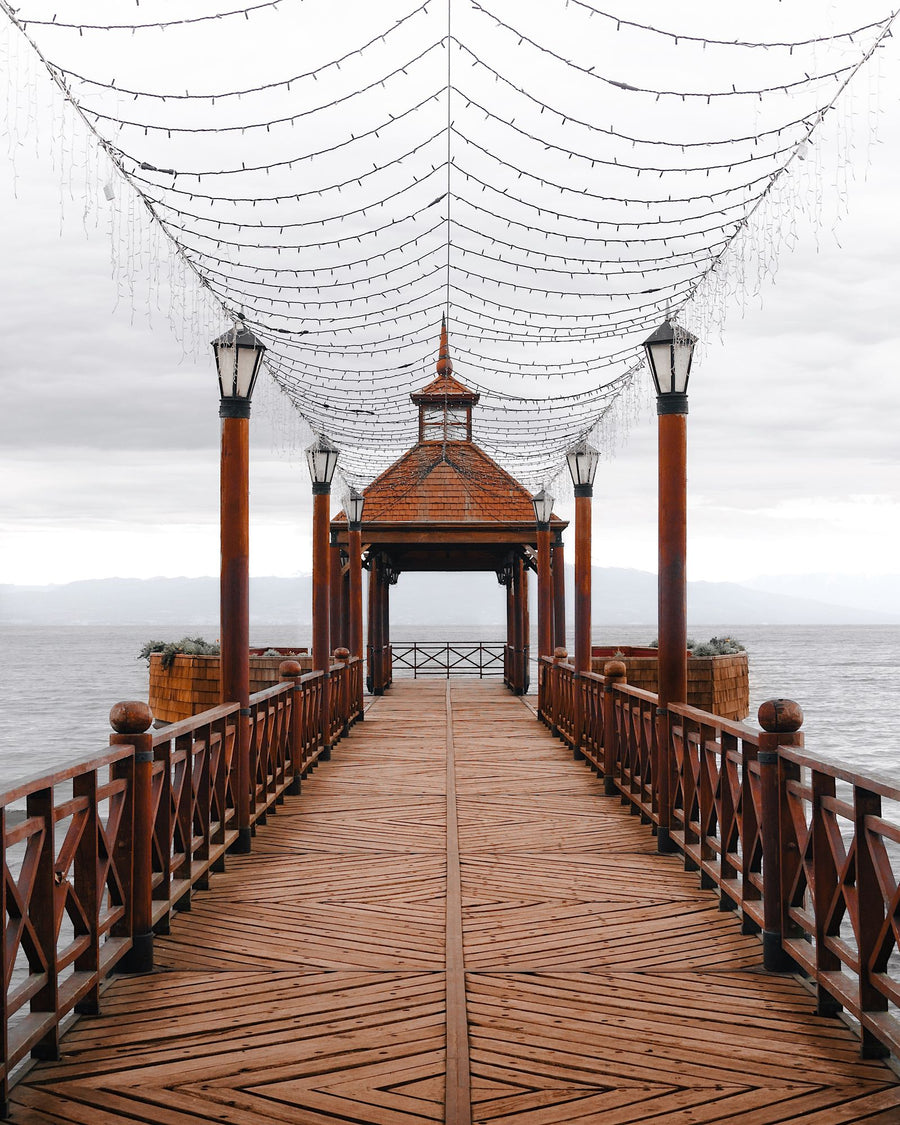
Lakeside city with views of Osorno Volcano and access to Chile's Lake District.
Suggested stay: 2–3 days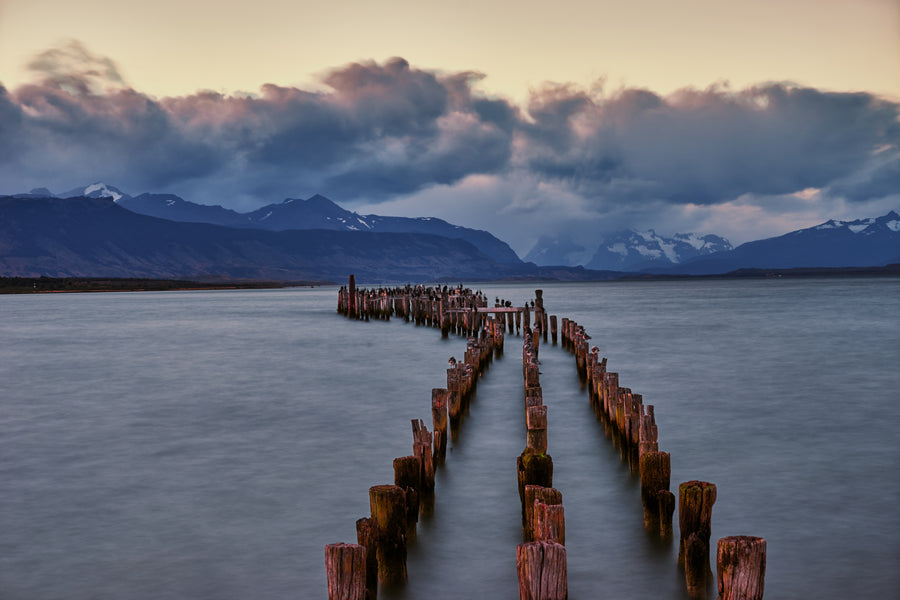
Gateway town for Torres del Paine and Patagonian excursions, with a scenic waterfront and historic pier. Arrange transport and park logistics before departure.
Suggested stay: 2–5 days, depending on excursionsFeatured experiences and landmarks.
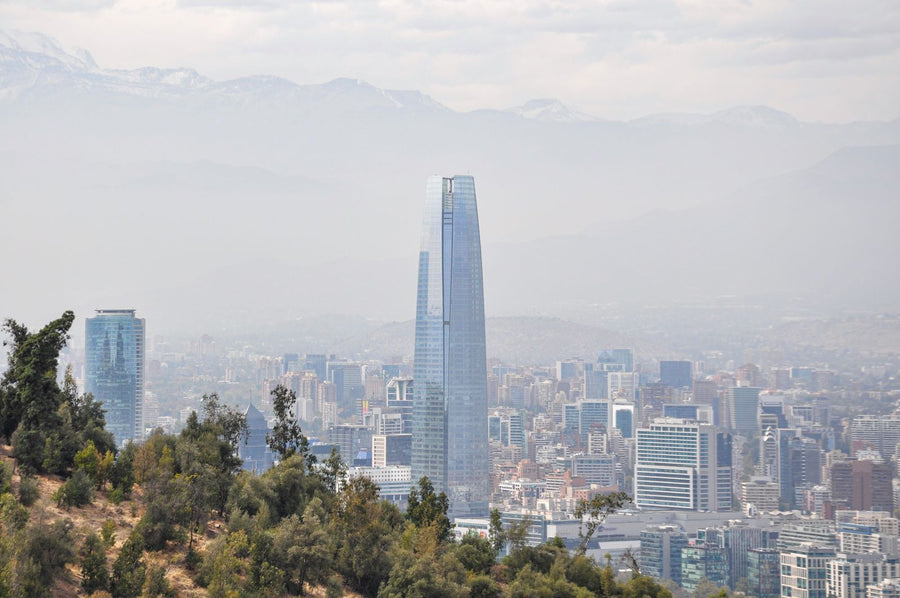
A panoramic observation deck in Gran Torre Santiago. Check visibility, hours and ticket terms; the photograph shows the tower in the city skyline.
Suggested visit: 1–2 hours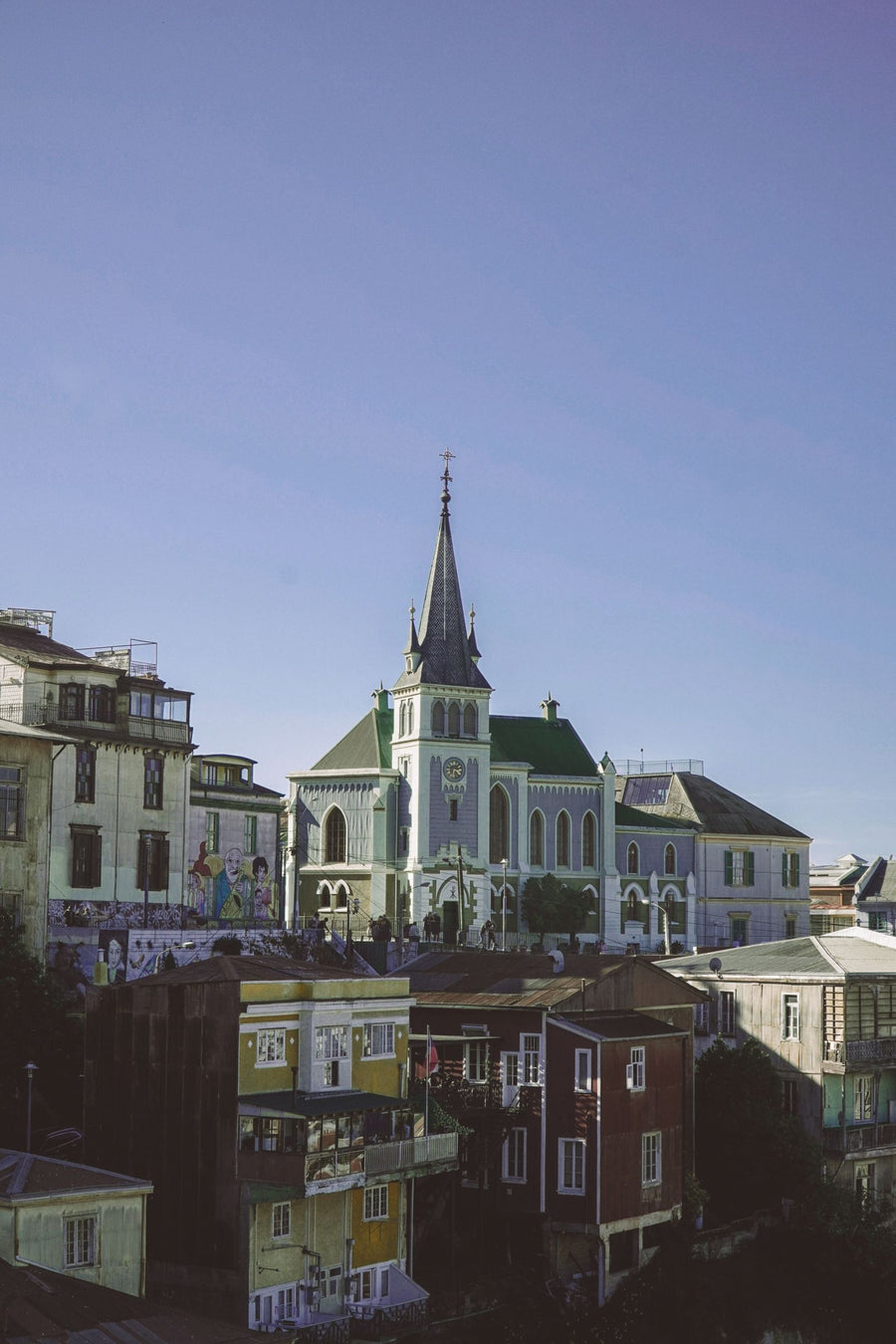
Hillside architecture and port heritage. Plan a daytime route, check current neighbourhood guidance and wear shoes suitable for steps.
Suggested visit: Half day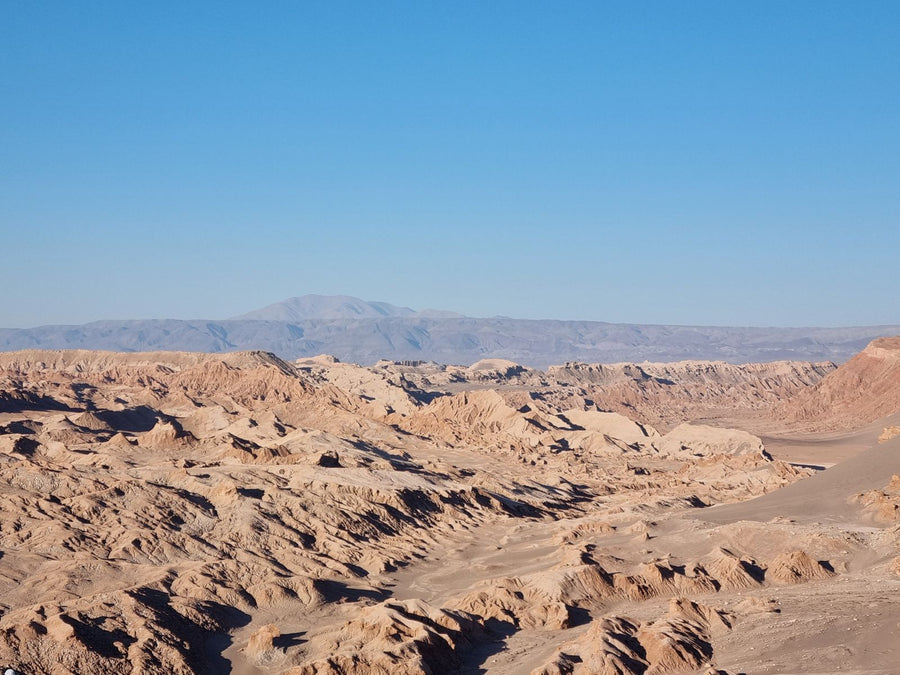
Desert scenery around San Pedro de Atacama. Excursions differ in altitude and access requirements; confirm each route with a reputable operator.
Suggested visit: Half day or full day
Lakeside scenery and volcano views around Puerto Varas and the Lake District. Keep outdoor plans flexible for rain and cloud.
Suggested visit: Half day or longer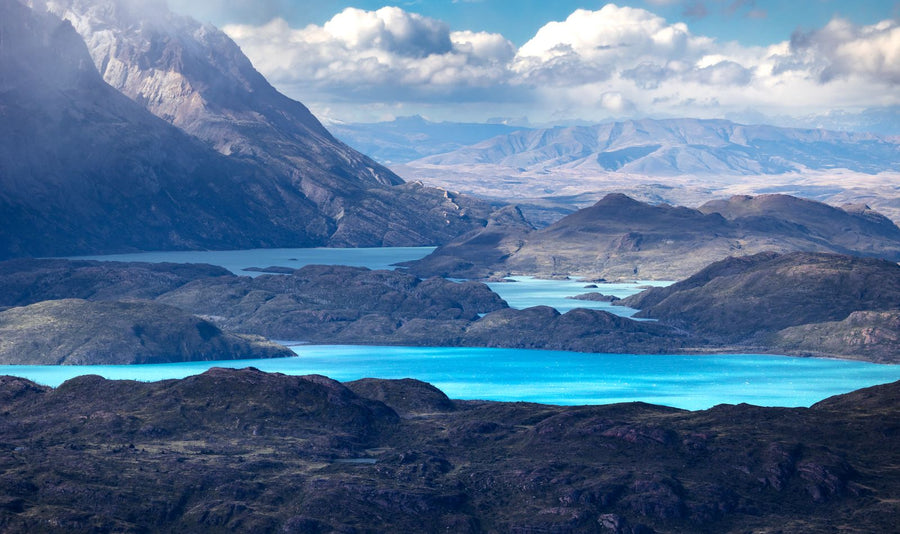
Patagonian mountains, lakes and trails. Arrange park entry, transport and trekking accommodation separately, and save tickets and maps offline.
Suggested visit: Full day or multi-day trekCompare seasons and plan the right time for your trip to Chile.
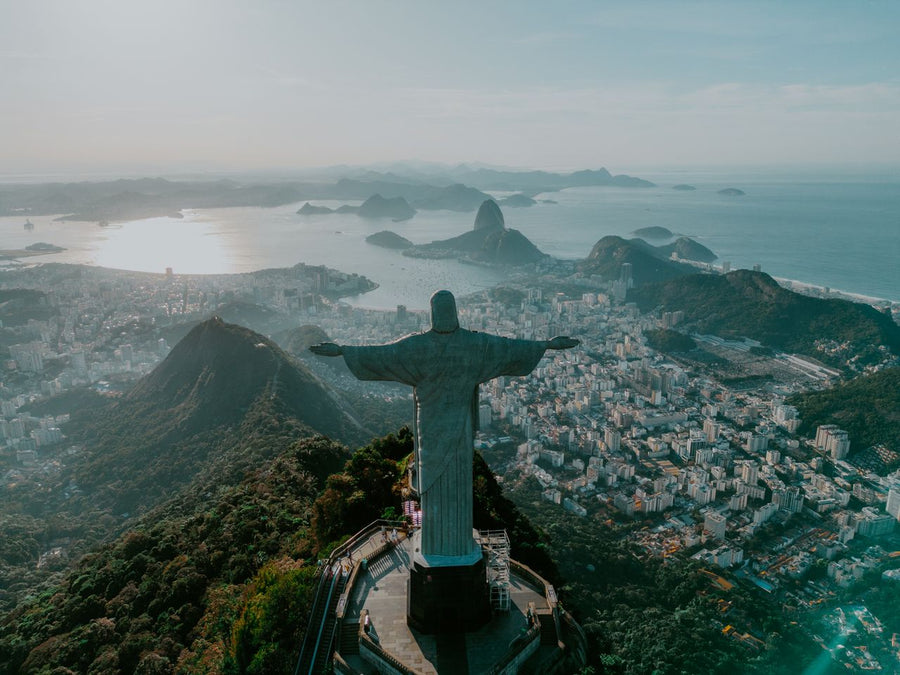
Choose where and when to travel in Latin America, from Mexico and Costa Rica to Peru, Brazil and Patagonia. Compare highlights, seasons, itinerary ...
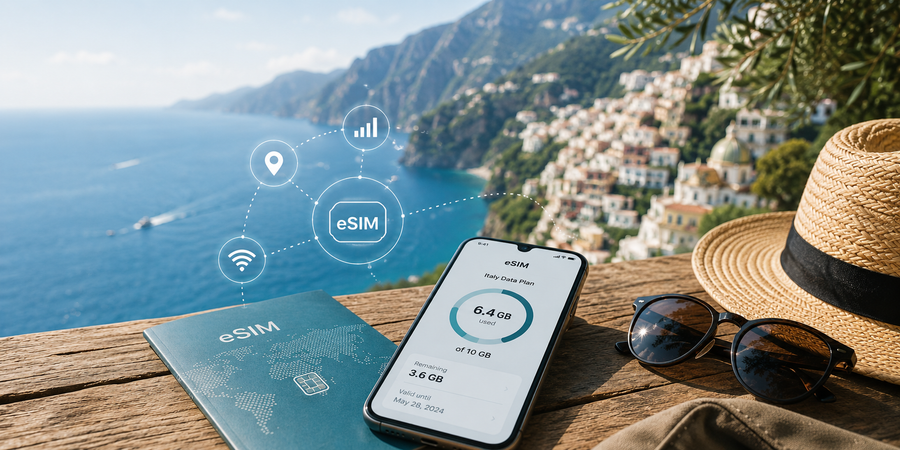
Travelers often overestimate how much mobile data they need abroad. In reality, most tourists use just a few hundred megabytes per day thanks to ho...
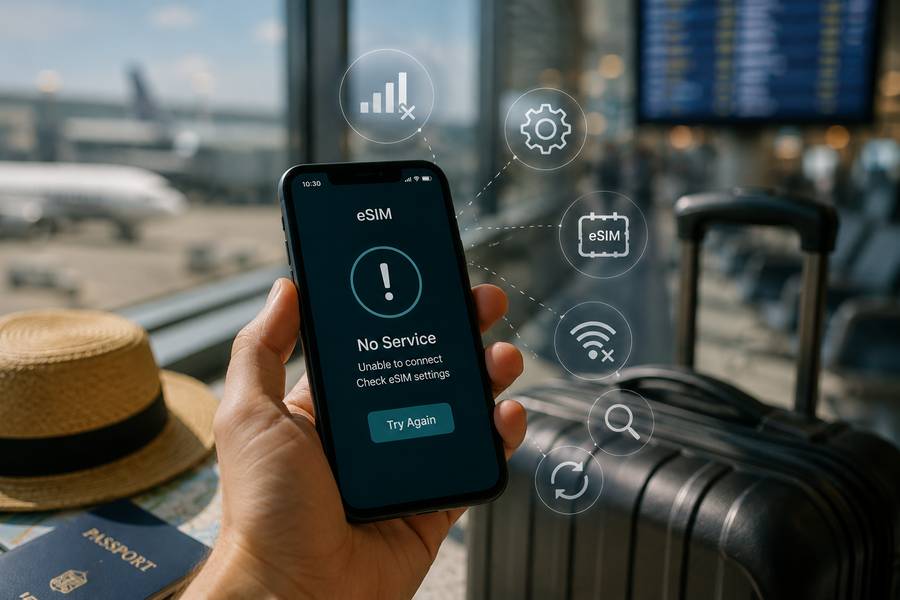
Activated your eSIM but can't connect? Here are the 7 most common eSIM problems travelers face — and exactly how to fix them fast.


