
Philippines eSIM
Fixed data plansReliable data for your Philippines trip


Asia
Plan a Philippines trip across Manila, Cebu, Palawan and the islands with practical advice on seasons, transport, power and eSIM connectivity.
The Philippines combines more than 7,000 islands with energetic cities, exceptional beaches, coral reefs, mountain landscapes and distinctive heritage. This 2026 guide helps you plan where to go, when to travel and how to stay connected.
Most first trips combine Manila with one or two island regions. Cebu is a historic city and a practical base for the central Visayas. Palawan is the headline destination for limestone scenery: Puerto Princesa provides access to the Underground River, while El Nido and Coron are built around island hopping, lagoons and diving. Boracay remains an easy choice for a classic beach stay.
For many popular western and central destinations, December through May is generally drier. June through November is wetter in many areas and tropical cyclones can disrupt flights and ferries. Check local forecasts for every island on your route.
Domestic flights are important for longer distances. Ferries connect many islands, while buses, vans, taxis and ride-hailing services handle local journeys. Keep flexibility around weather-sensitive ferry and flight sectors.
The Philippines generally uses 220 V at 60 Hz with Type A, B and C sockets. North American Type A/B plugs may physically fit many outlets, but verify that chargers support 220 V.
Mobile data is useful for maps, ride-hailing, ferry and flight updates, translation and messaging. TravelFi offers both fixed-data Philippines eSIM plans and unlimited Philippines eSIM plans.
For a typical 10–14 day trip, 10–20 GB is comfortable for navigation, messaging, social media and browsing. Heavy video or hotspot use can justify unlimited data.
English and Filipino are official languages, and English is widely used in tourism and business.
The national emergency number is 911.
Yes, but build flexibility into island-hopping plans and follow PAGASA forecasts.
Choose fixed data when usage is predictable and unlimited data for heavier daily use. Compare TravelFi Philippines eSIM options.
Ready to stay connected? Compare TravelFi Philippines plans before departure.
Get mobile data for your Philippines trip with a local or region-wide eSIM.
Reliable data for your Philippines trip

Unlimited data, no daily limits


TravelFi editorial destination ratings.
World-class tropical islands, lagoons and beaches.
Outstanding reefs, wrecks and marine biodiversity.
Strong value outside premium resort areas.
Distinctive local cultures, colonial heritage and festivals.
Island geography often requires flights and ferries.
220 V · 60 Hz
Two flat parallel pins. Usually ungrounded.
Two flat parallel pins with a grounding pin.
GroundedTwo round pins. Usually ungrounded.
Sockets commonly accept Types A, B and C. Travellers from Canada or the United States may find Type A/B plugs physically compatible, but should verify device voltage support.
Philippine mains voltage is typically 220 V. Devices designed only for 110–120 V require a voltage converter, not just a plug adapter.
Forecast location: Manila
The Philippines has a tropical maritime climate with high humidity, warm temperatures and rainfall patterns that vary substantially by island and exposure.
Loading current weather…
Places to include in your Philippines itinerary.
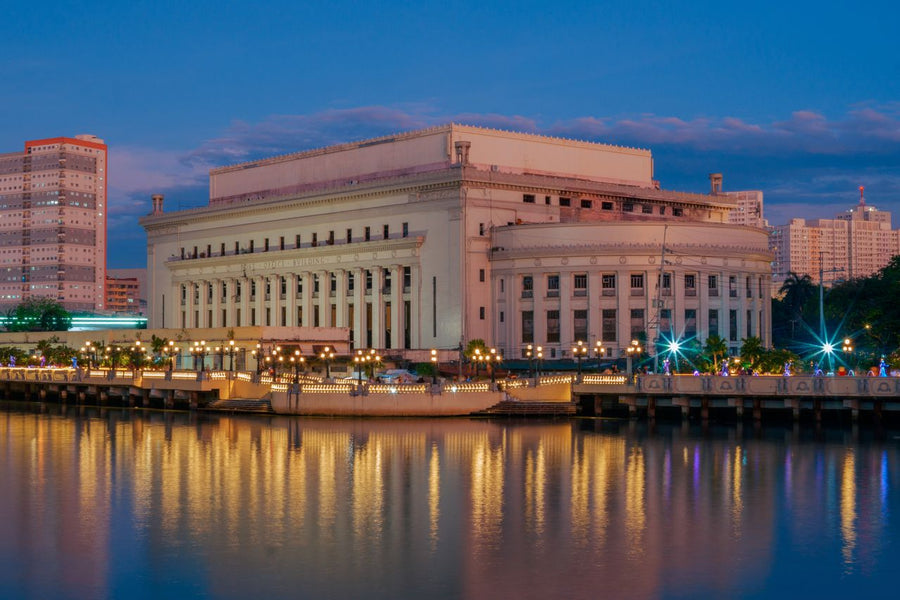
The capital region and main international gateway, combining historic Intramuros, museums, dining and modern business districts.
Suggested stay: 2–3 days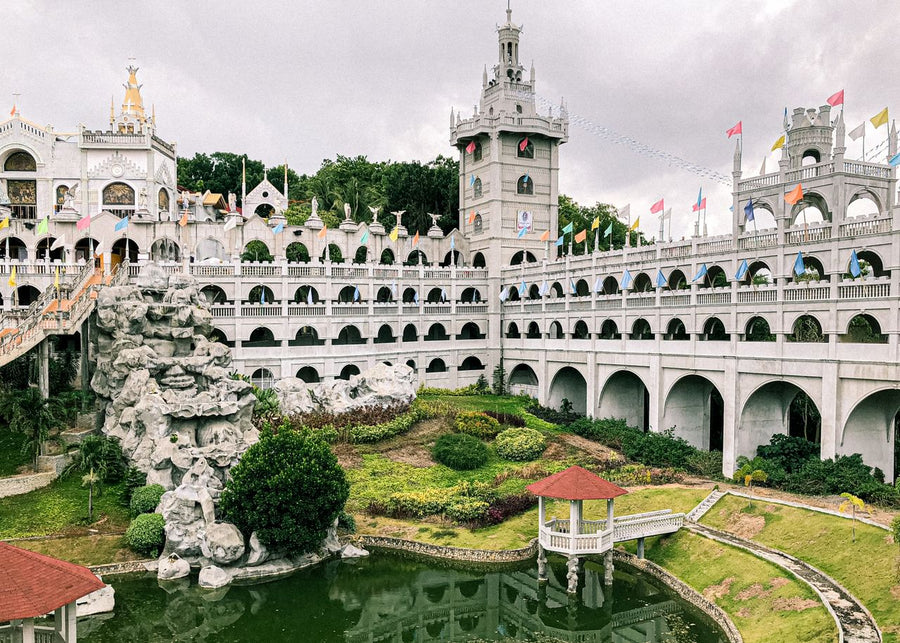
A major Visayas hub for history, food and onward island trips.
Suggested stay: 2–3 days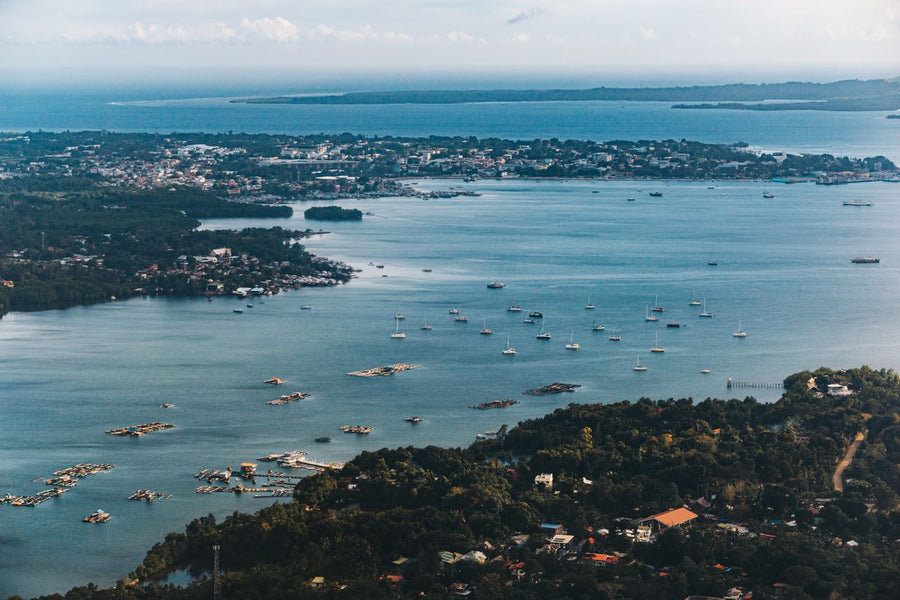
Mindanao's largest city and a gateway to Mount Apo and Samal Island.
Suggested stay: 2–3 days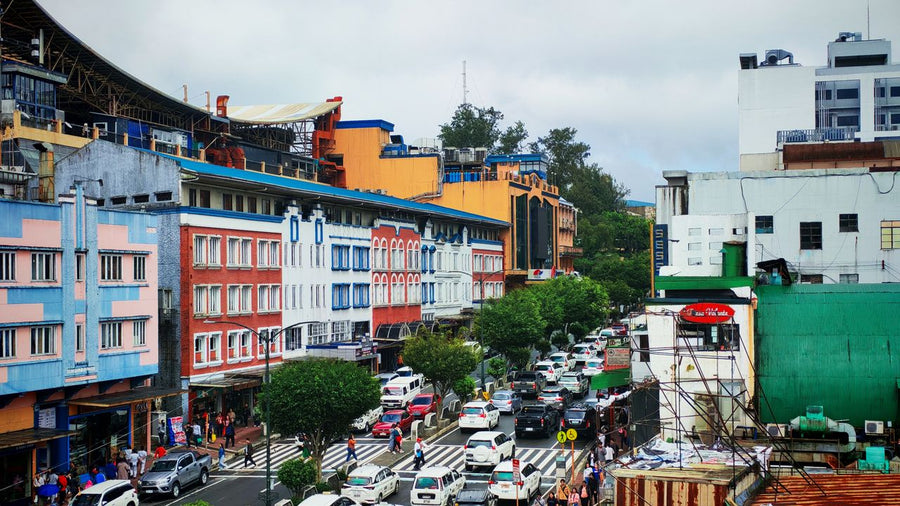
A cool mountain city in northern Luzon known for parks, markets and Cordillera access.
Suggested stay: 2 days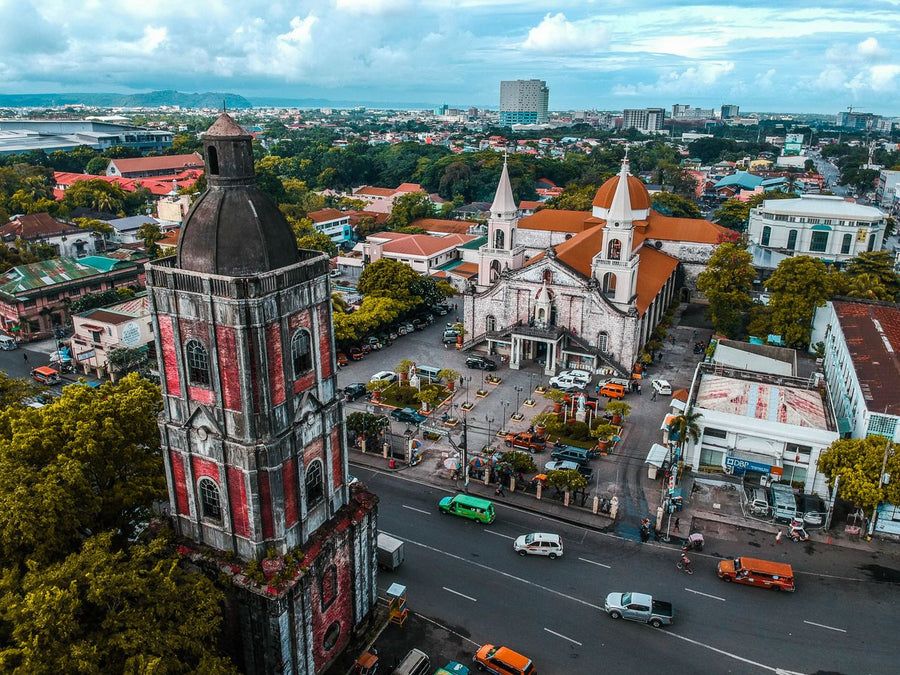
A heritage-rich Visayas city known for historic districts and regional cuisine.
Suggested stay: 2 days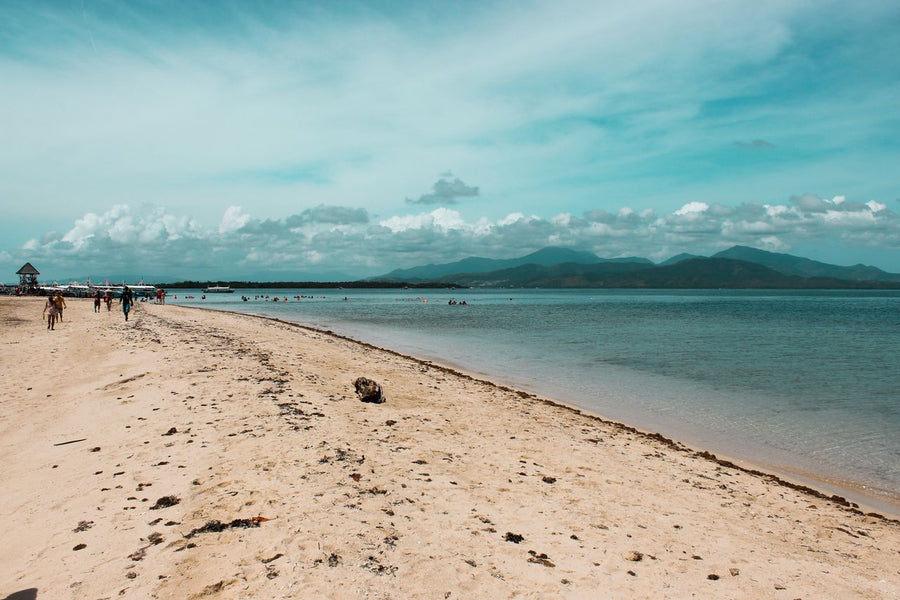
Palawan's main gateway, close to the Underground River and island excursions.
Suggested stay: 2–3 days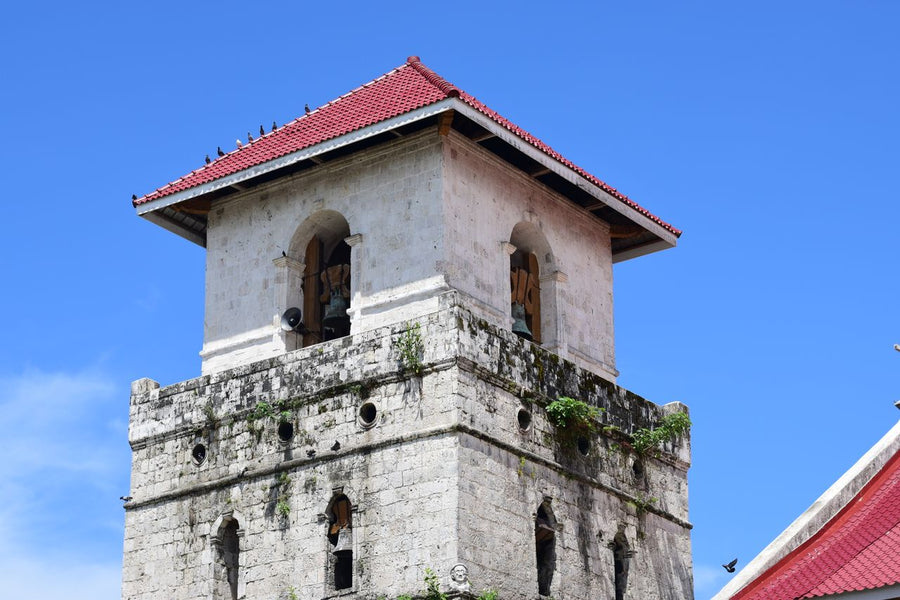
Bohol's urban gateway for the Chocolate Hills, Panglao and countryside tours.
Suggested stay: 1–2 days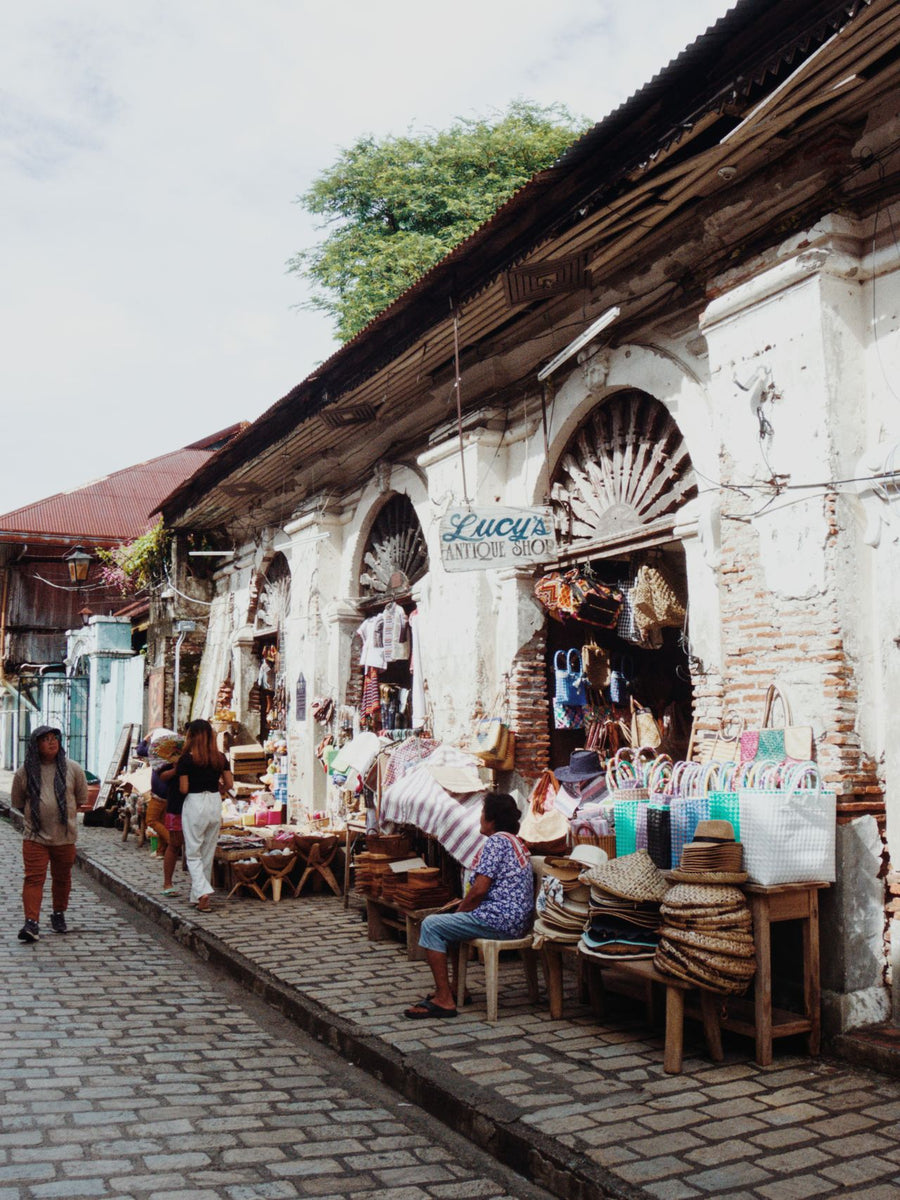
A UNESCO-listed colonial city famous for preserved streets and heritage houses.
Suggested stay: 1–2 days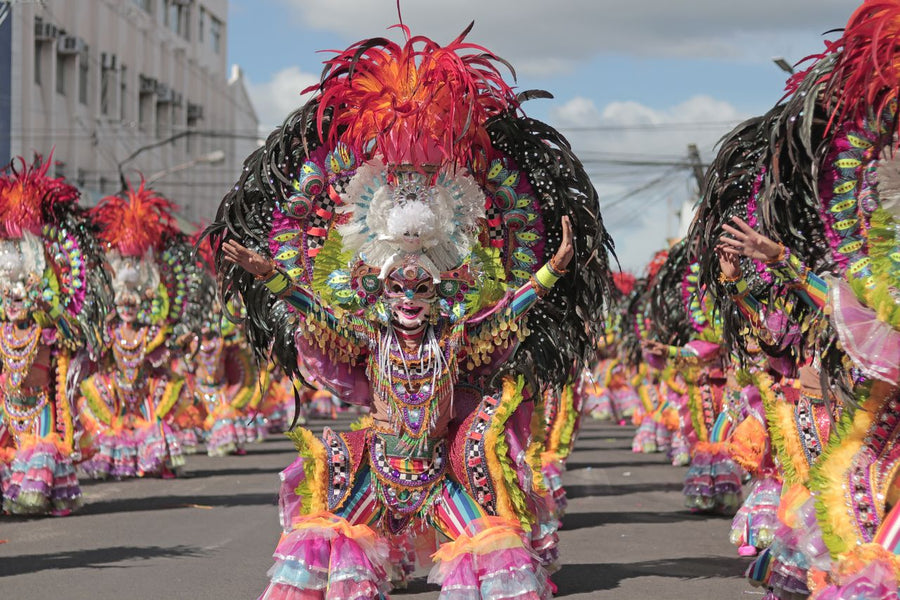
A relaxed Negros city known for food, festivals and access to heritage estates.
Suggested stay: 2 daysFeatured experiences and landmarks.
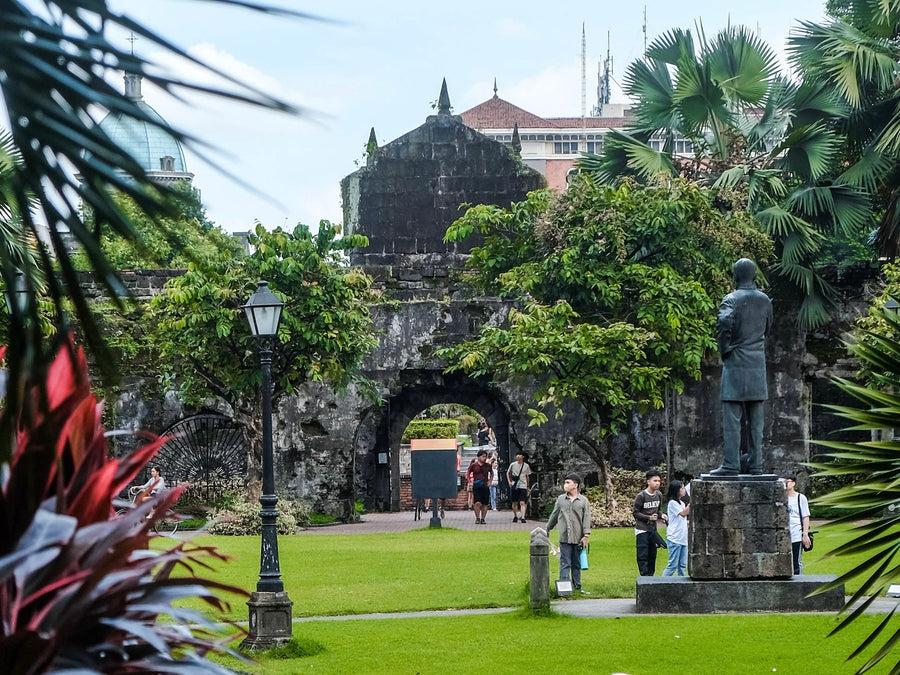
Manila's historic walled district, home to Fort Santiago, churches and Spanish-era streets.
Suggested visit: 3–5 hours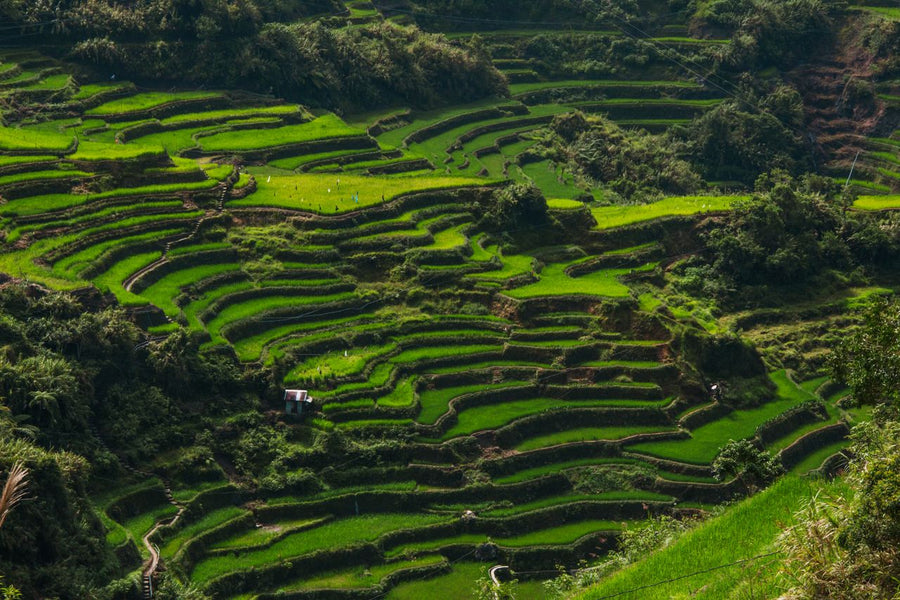
Spectacular mountain rice terraces shaped by generations of Ifugao communities.
Suggested visit: 1–2 days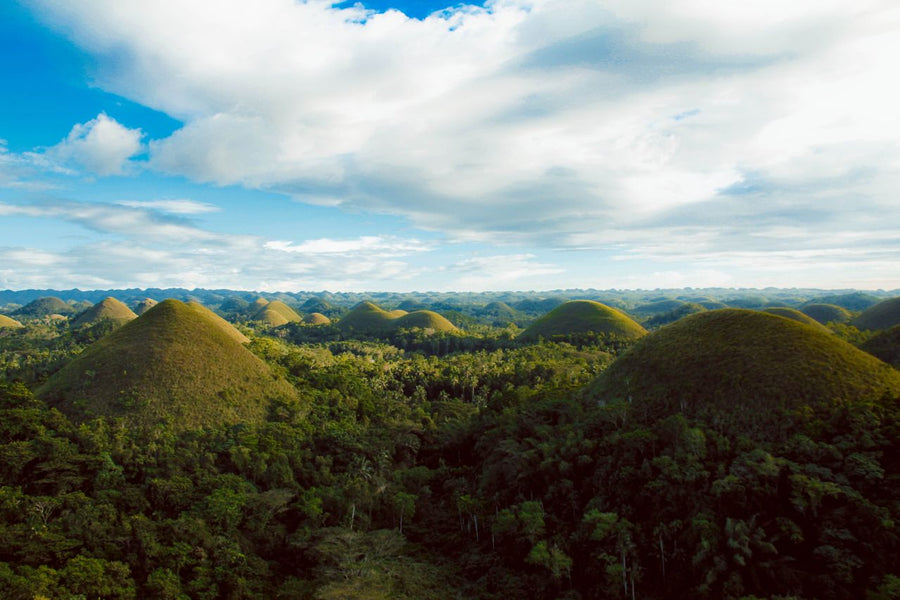
Bohol's iconic landscape of more than a thousand rounded limestone hills.
Suggested visit: 2–4 hours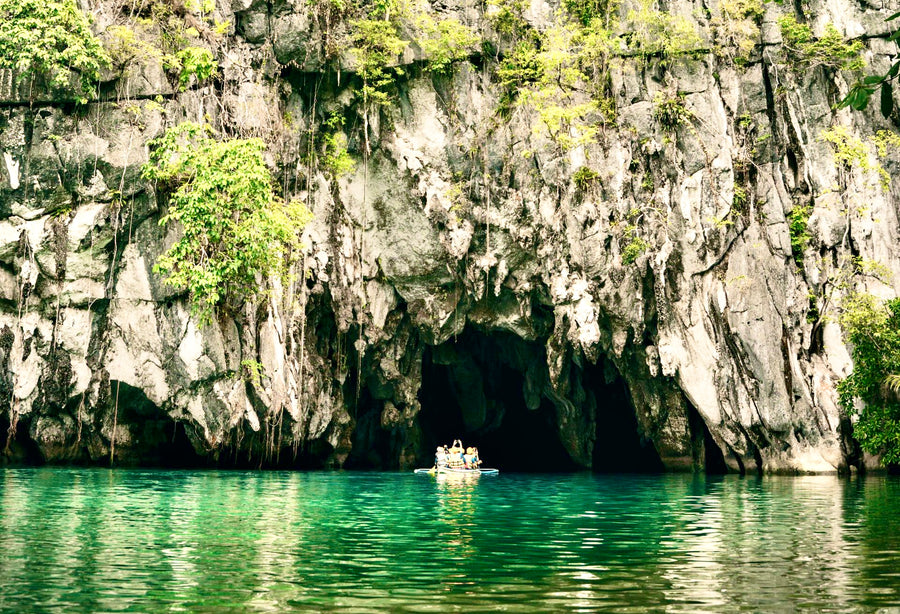
A UNESCO-listed subterranean river flowing through a dramatic limestone cave system in Palawan.
Suggested visit: Full day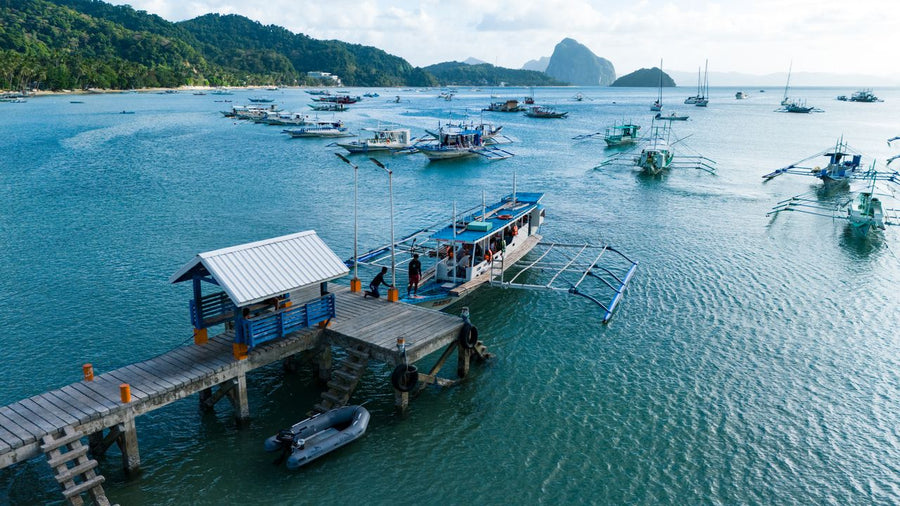
Palawan's celebrated limestone islands, lagoons and clear-water island-hopping routes.
Suggested visit: 3–5 days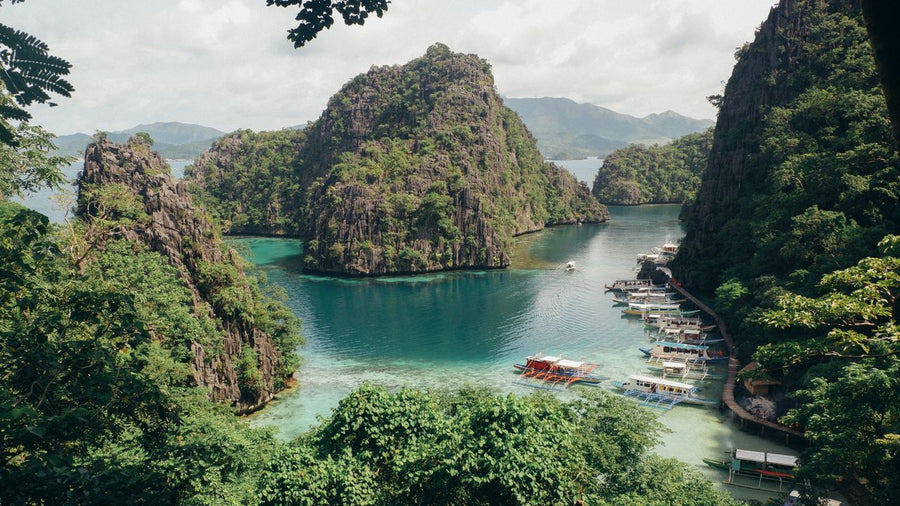
A Palawan destination known for limestone scenery, lakes and renowned wreck diving.
Suggested visit: 3–4 days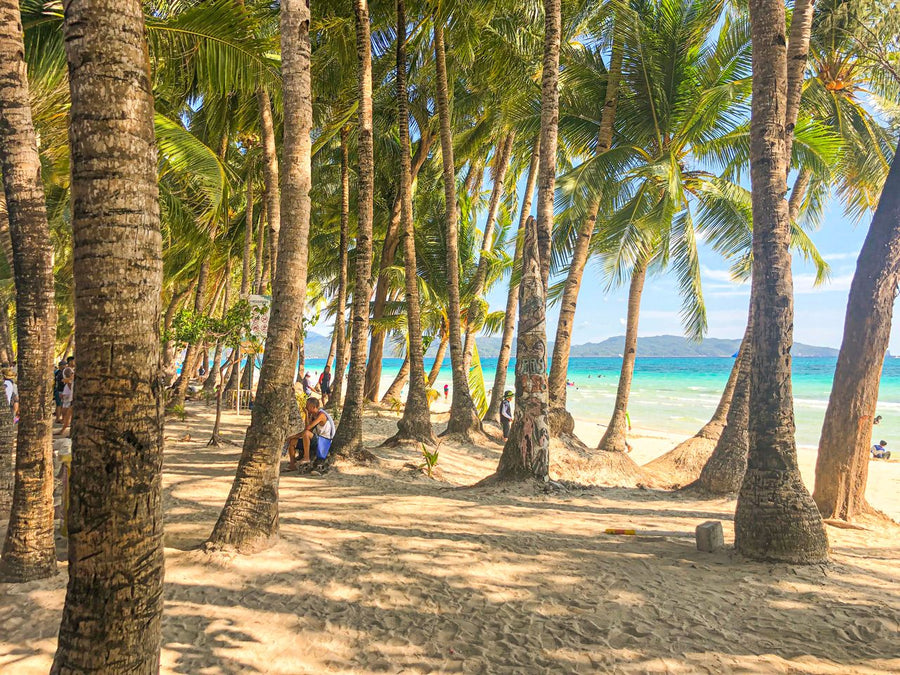
A famous four-kilometre stretch of fine white sand with sunsets, water sports and resorts.
Suggested visit: 3–4 days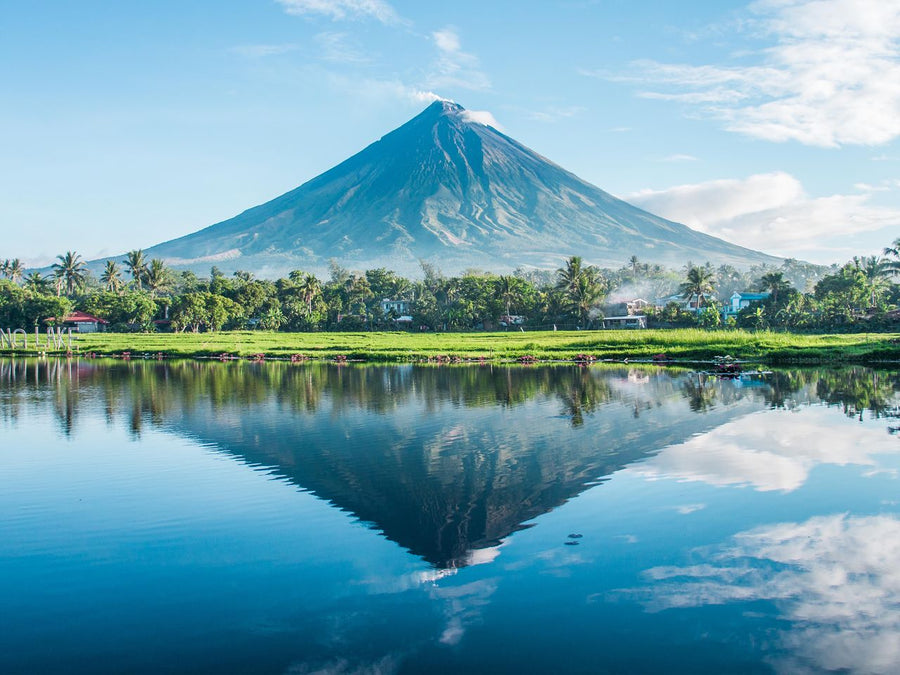
An exceptionally symmetrical active volcano dominating the landscape of Albay.
Suggested visit: Half day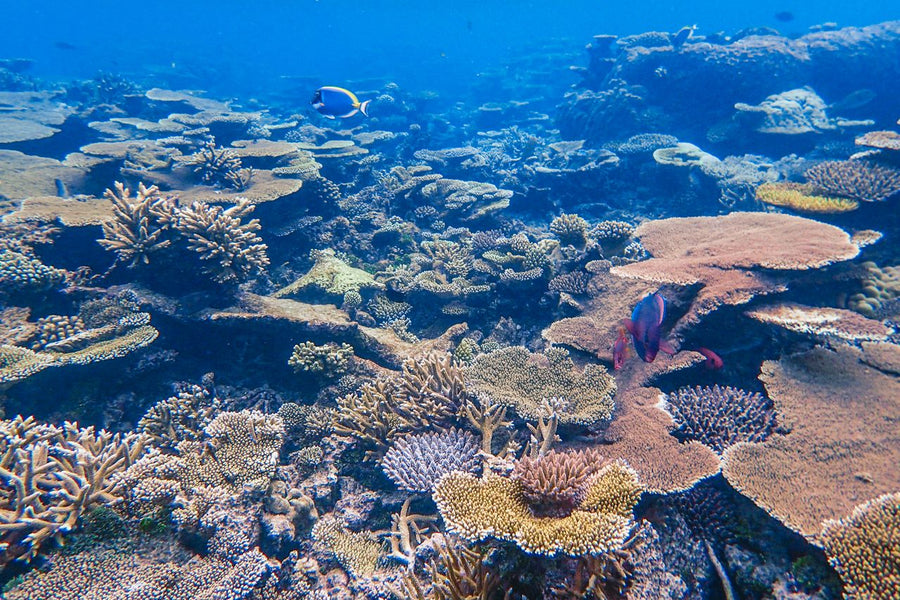
A remote UNESCO marine reserve in the Sulu Sea with exceptional coral and pelagic life.
Suggested visit: Liveaboard tripDecember to May is generally the driest period for many popular island and city itineraries, while regional conditions vary across the archipelago.
Check dates and official sources before making travel decisions.
Government of Canada advises travellers to exercise a high degree of caution in the Philippines due to crime, terrorism and kidnapping, with regional advisories.
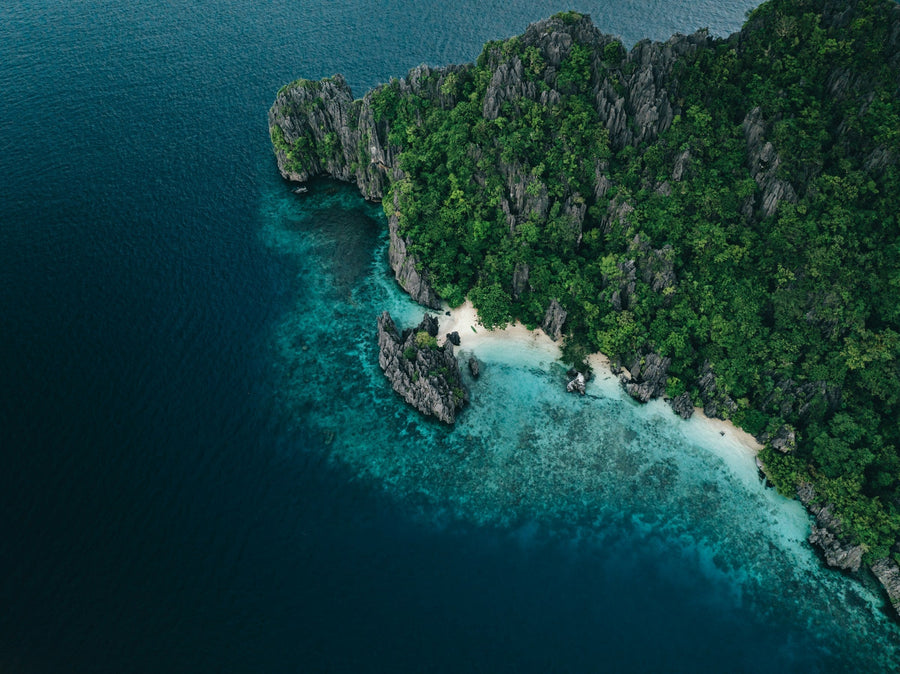
Plan a Philippines trip with practical guidance on Manila, Cebu, Palawan, Boracay, weather, transport, power and staying connected with a travel eSIM.


